Fall Protection for Window Cleaners: Equipment, Compliance, and Field Reality
Table of Contents
Fall protection for window cleaners is not a topic you master once and forget. Regulations shift, gear evolves, and every building presents a different problem. Yet the fundamentals — anchor integrity, system redundancy, pre-shift inspection — remain the difference between a routine day and a catastrophe. This guide covers the regulatory framework, the gear decisions that actually matter, and the inspection discipline that keeps crews alive.
OSHA Standards That Govern Window Cleaning at Height
OSHA defines a fall hazard as any unprotected edge 4 feet or more above a lower level (general industry) or 6 feet (construction). Both thresholds apply to window cleaning depending on the context of the work. Employers must provide approved equipment and training; employees must use it correctly. That shared responsibility is codified, not optional.
OSHA 1910.140 and 1910.28
Standard 1910.140 sets the design and performance criteria for personal fall protection equipment. Standard 1910.28 dictates when that protection is required. Together they mandate anchorages capable of supporting 5,000 pounds per attached worker, maximum deceleration distances, and specific performance criteria for harnesses, lanyards, and self-retracting lifelines. These are not suggestions — they carry enforcement teeth.
ANSI Z359 vs. OSHA
OSHA sets the legal floor. ANSI Z359 is the voluntary consensus standard developed by industry engineers, and it consistently exceeds OSHA minimums. Professional-grade equipment should meet both. OSHA frequently references ANSI standards, so treating Z359 compliance as optional is a false economy. Both frameworks also require a "Qualified Person" — someone with a recognized degree or extensive field experience — to design, inspect, and approve fall arrest systems.
Fines for violations are steep, and civil liability after an incident can end a business. Staying ahead of enforcement is cheaper than reacting to it.
The ABCs of a Personal Fall Arrest System
Every PFAS breaks down into three elements: Anchorage, Body support, Connectors. If any one fails, the system fails. Compatibility between components is not a detail — it is the system.
Harnesses: What Separates Field-Ready from Consumer-Grade
For window cleaning — especially long-duration hangs on bosun chairs or RDS — a 5-point harness distributes load better than a 3-point. The features that matter most in daily use:
- Suspension trauma straps: Non-negotiable. Post-fall suspension without them can cause serious circulatory injury within minutes.
- Coated polyester webbing: Resists UV degradation and chemical exposure from cleaning solutions better than raw nylon.
- Pass-through or quick-connect buckles: Speed matters when you're gearing up on a 15-stop route.
The Petzl AVAO BOD is a strong choice for rope access work — semi-rigid waistbelt, multiple gear loops, and ANSI/CE dual certification. For crews doing primarily roof-edge and ladder work, the Gemtor 922 Lightweight Harness offers a simpler, faster-donning option at a lower price point. The full harness category covers every configuration from basic dorsal D-ring setups to full rope-access rigs.
Anchors: Permanent vs. Temporary
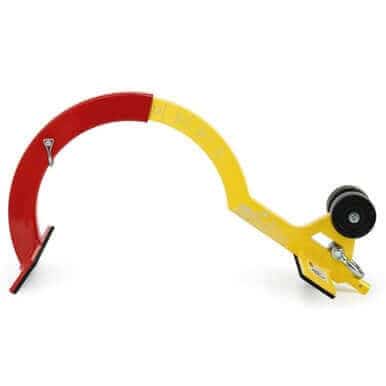
Permanent roof anchors are the standard for recurring commercial contracts — a reliable tie-off point every visit. The reusable roof anchor with a hinged D-ring handles most pitched-roof residential work; the RidgePro is purpose-built for ridge peaks on steep pitches. Temporary anchors must be installed per manufacturer specs every time — no shortcuts, no "it held last week" reasoning.
Every anchor must support 5,000 pounds per attached worker. Period.
SRLs vs. Vertical Lifelines
The right connector depends on the job geometry:
- Self-Retracting Lifelines (SRLs): Best for rooftop or ledge work requiring horizontal mobility. They arrest a fall within inches, minimizing fall distance and impact force. The DBI-Sala Rebel 20ft SRL is a workhorse for roof-edge scenarios.
- Vertical lifelines: The standard for RDS and high-rise facade work. Low-stretch kernmantle rope — like Teufelberger KMIII — provides a secure line for controlled descent and fall arrest.
Shock-absorbing lanyards dissipate kinetic energy and reduce arresting forces on the body. A shock-absorbing lanyard is not an accessory — it is a required component of any PFAS.
High-Rise RDS vs. Residential Roof Work
The gear for a 30-story curtain wall has almost nothing in common with the setup for a two-story colonial. Treating them the same is how crews get hurt.
Rope Descent Systems for Commercial High-Rise
An RDS is a complete engineered system, not a harness and a rope. The regulatory requirements are detailed and rigid:
- Independent lifelines: Every technician needs a primary suspension rope and a completely independent fall-arrest lifeline, each on a separate certified anchor.
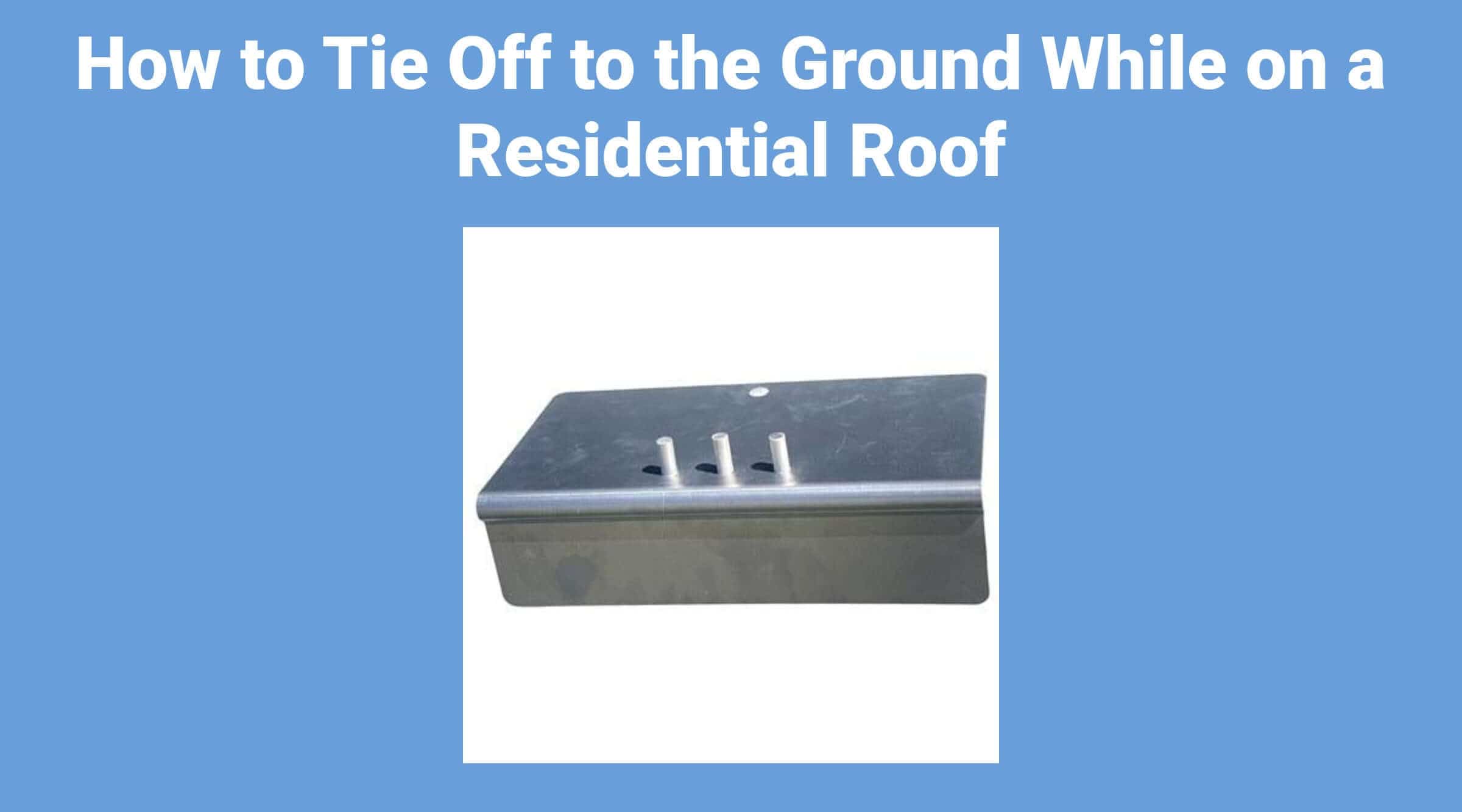
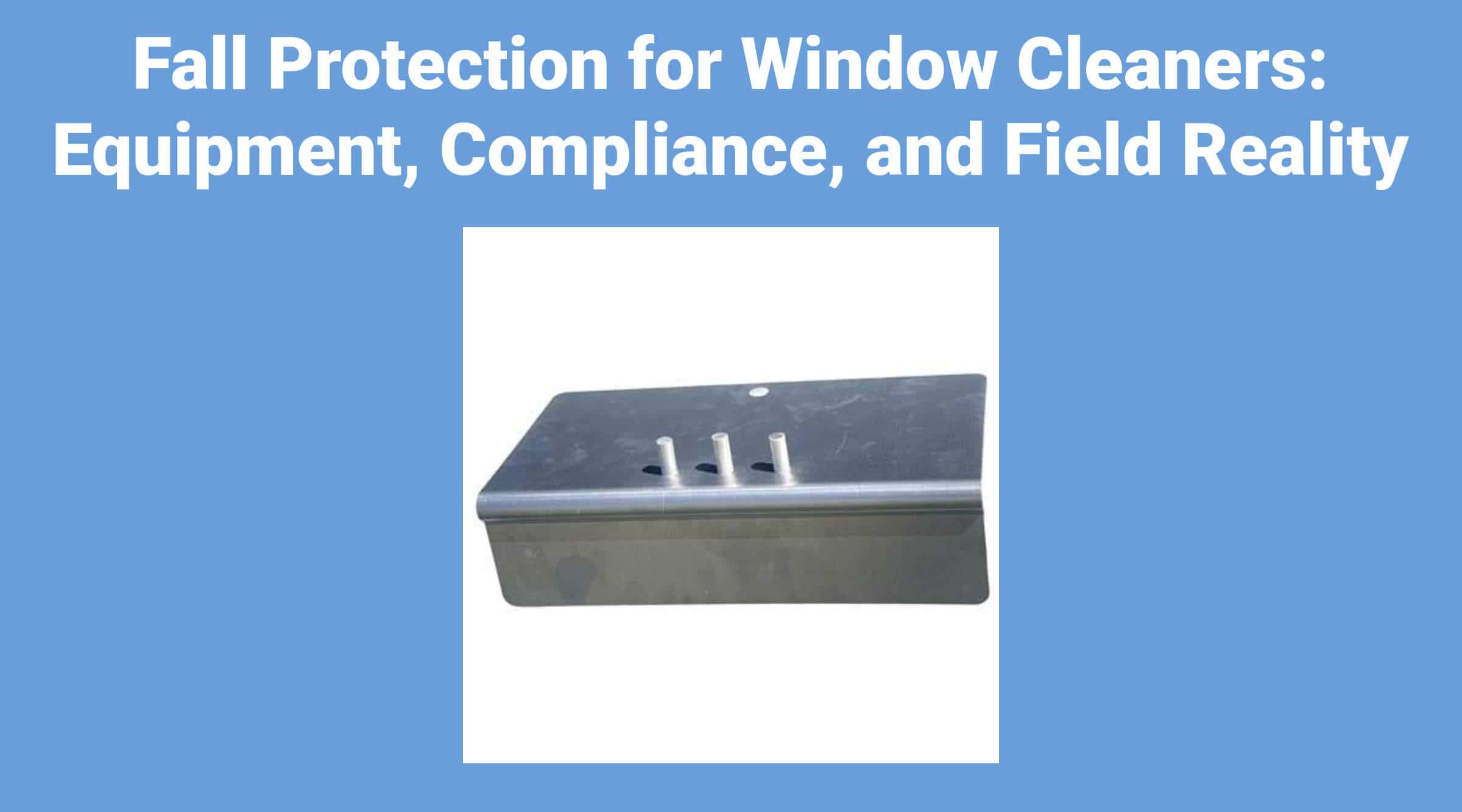
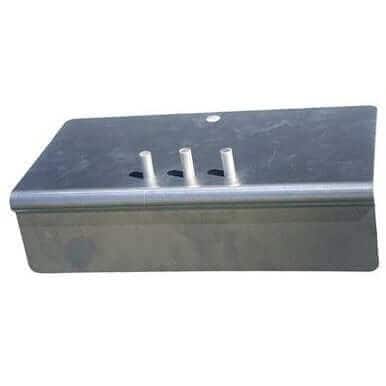
- Edge protection: Parapets and sharp roof edges destroy rope under load. Aluminum edge protectors and rope guards are mandatory, not optional polish.
- Backup devices: A secondary braking device — such as the Petzl ASAP rope grab — on the safety line auto-engages if the primary descent device fails.
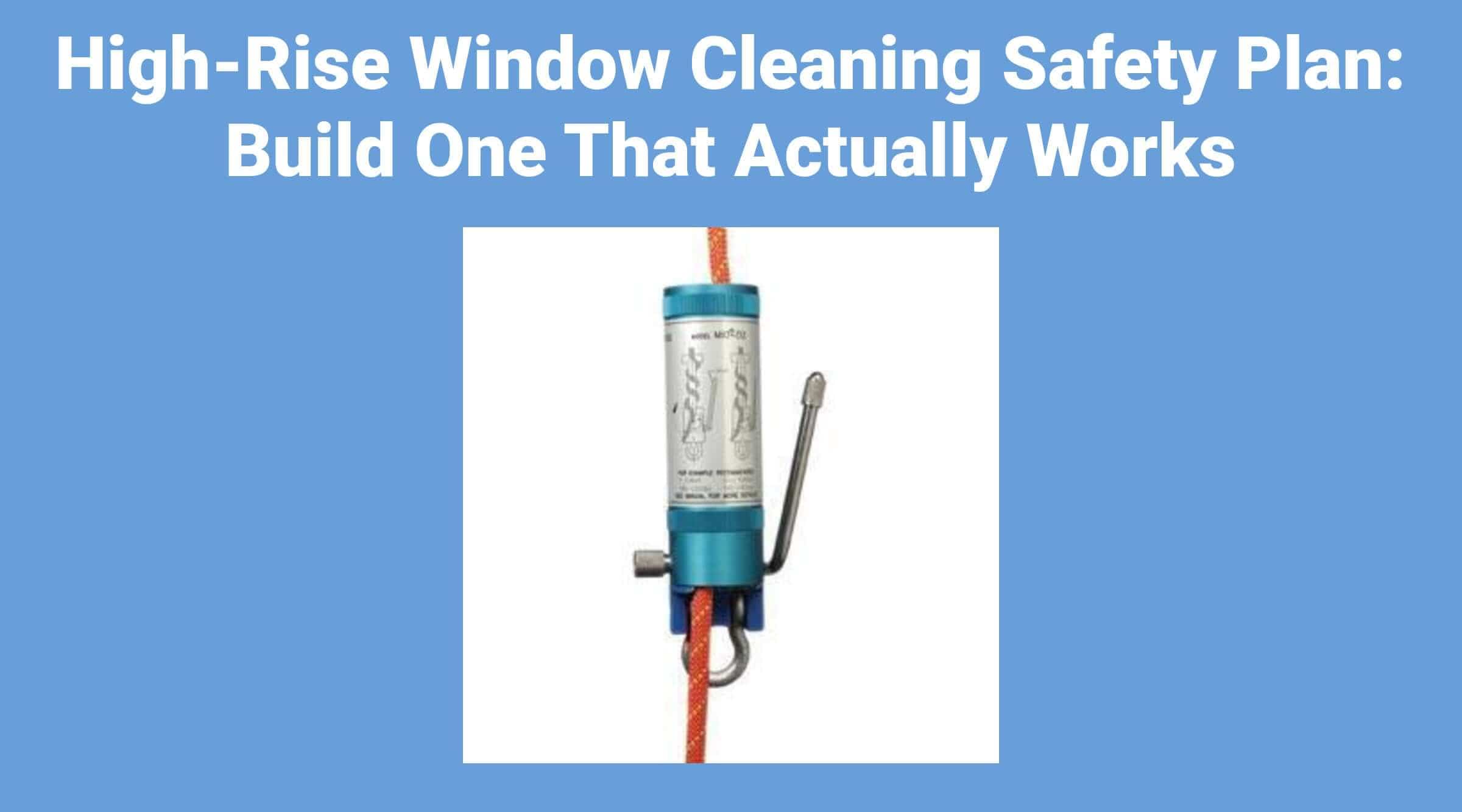
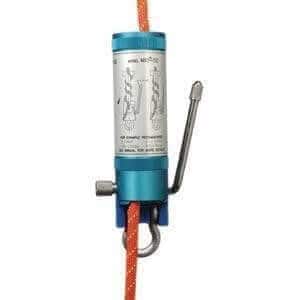
Descenders like the Petzl ID or the MIO descender are the workhorses of professional RDS operations. Pair them with properly rated carabiners and 1/2-inch kernmantle rope.
Residential Roof Navigation
Residential work is deceptively dangerous. Varying pitches, fragile substrates, and the temptation to skip a full setup on a "quick job" create the conditions for most serious falls in this trade.
Key considerations:
- Roof pitch: Anything steeper than 6/12 is not walkable and demands a full rope-and-harness system.
- Substrate: Asphalt shingles, slate, clay tile, and standing-seam metal all require different anchor hardware. A temporary anchor rated for composition shingles will not work on slate.
- Fall restraint vs. fall arrest: On low-slope roofs, a restraint system — a fixed-length lanyard that physically prevents you from reaching the edge — eliminates the fall rather than catching it. It is simpler, faster, and often the better choice.
The Roof Work Fall Protection Kit bundles a harness, rope grab, lifeline, and anchor for residential work. For roof cleaning specifically, the Softwash Roof Cleaning Safety Kit includes a mobile rope grab system sized for that workflow.
Inspection, Maintenance, and Retirement
Gear does not fail randomly. It fails because someone skipped an inspection, stored it wrong, or kept using it past its limits. A disciplined protocol costs nothing and prevents everything.
Daily Pre-Shift Inspection
Before anyone clips in, run hands over every component:
- Lifelines and webbing: Feel for pilling (fuzzy abrasion) and glazing (hard, shiny heat damage). Both mean weakened fibers.
- Hardware: Check D-rings, buckles, and connectors for distortion, cracks, sharp edges, or corrosion. Gates and locks must function smoothly.
- Shock-absorbing lanyards: Find the impact indicator. If that tag or stitching is broken, the lanyard has arrested a fall. Retire it immediately — no exceptions.
Chemical Exposure and Storage
Window cleaners and soft wash operators expose gear to chemicals that most trades never encounter. Sodium hypochlorite (SH) degrades nylon and polyester webbing. Any component showing stiffness or discoloration from chemical contact comes out of service.
Clean gear with mild soap and water only. Air-dry away from direct sunlight. Store in a cool, dry, dark location — a dedicated gear bag, not the back of the truck in the sun.
Retirement Protocol
Manufacturer recommendations typically set a 5-year service life for soft goods from first use, with a 10-year maximum from date of manufacture regardless of use. These are maximums, not targets. Retire immediately after any fall event, any failed inspection, or any doubt. Tag retired gear as "UNUSABLE" and destroy it to prevent accidental reuse.
Building a Fall Protection Kit: What to Buy First
The right kit depends on where you work. Here is a practical breakdown:
Residential / Low-Rise Starter
- Full-body harness with dorsal D-ring — Feather-Lite Harness
- Temporary roof anchor — Reusable Roof Anchor
- Shock-absorbing lanyard — 3ft Shock-Absorbing Lanyard
- Rope grab and lifeline for steep pitches
High-Rise / RDS Operator
- Rope-access harness — Petzl Astro BOD FAST
- Descender — Petzl ID or MIO Descender
- Fall arrester — Petzl ASAP
- Kernmantle rope — Teufelberger KMIII 1/2in
- Edge protectors, carabiners, and bosun chair
Roof Cleaning / Soft Wash
- Softwash Roof Cleaning Safety Kit — harness, rope grab, lifeline, and anchor in one package
- Chemical-resistant gear storage to protect webbing from SH exposure
Browse the complete Fall Protection Equipment category or the curated Roof Safety Kits to match your operation.
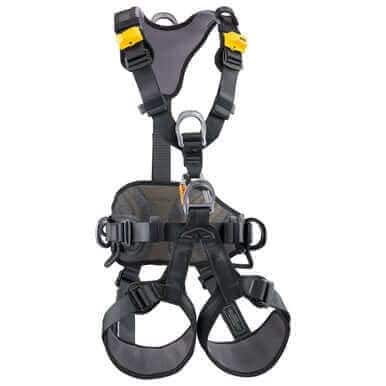 Petzl Avao Bod Harness SKU: 96-41M | 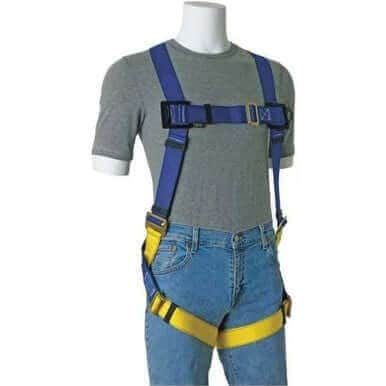 Harness Lightweight Gemtor SKU: 96-51M | 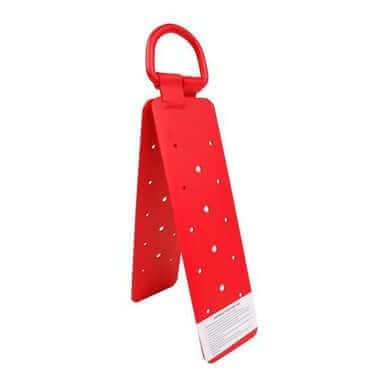 Roof Anchor Reusable SKU: 99-302 |
 The RidgePro Roof Anchor SKU: 99-304 | 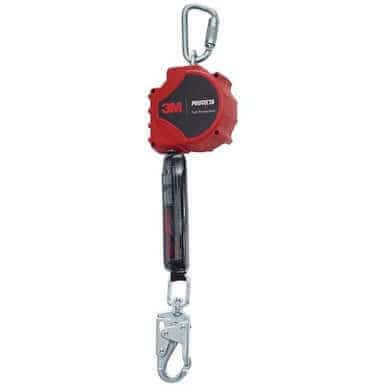 Self Retracting Lifeline 20ft Rebel Web SKU: 97-910 | 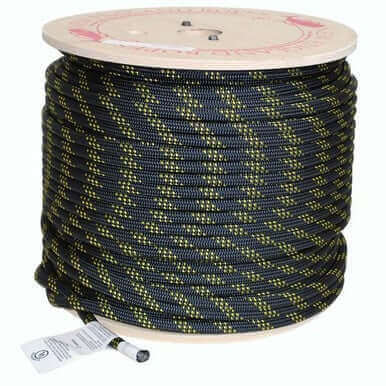 Teufelberger KMIII Rope 1/2in Solid Black SKU: 90-13M |
 ProTool Edge Protector Aluminum 12in SKU: 98-122 | 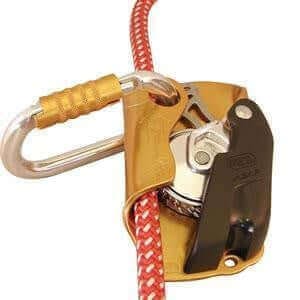 Rope Grab ASAP 7/16in-1/2in Petzl SKU: 94-52 | 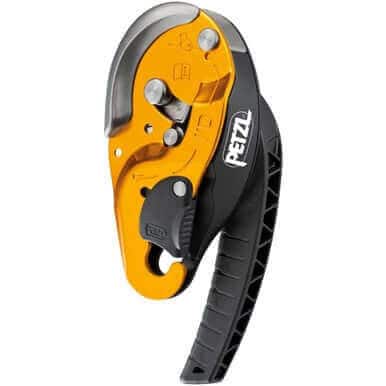 Petzl Descender ID SKU: 93-5M |
 Descender MIO SKU: 93-101 | 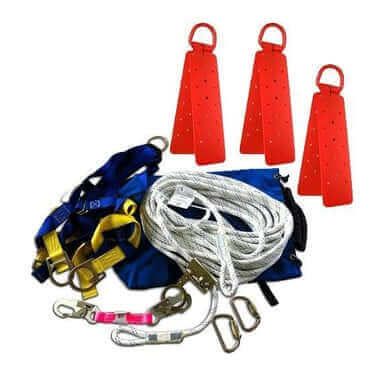 Roof work Fall Protection Kit SKU: 12-660 | 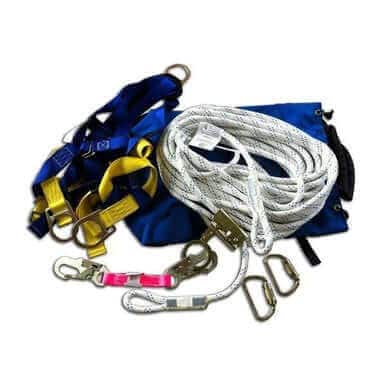 Safety Kit for Softwash Roof Cleaning SKU: 12-650 |
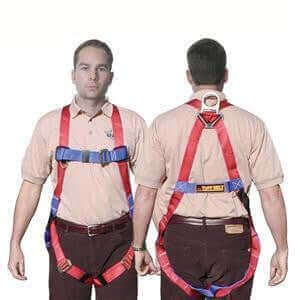 Harness Feather-Lite Full Body SKU: 96-710 | 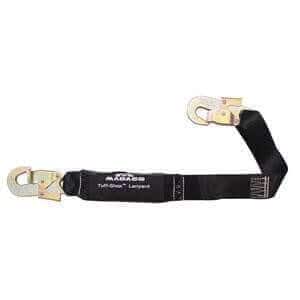 Lanyard 03ft Shock Absorbing SKU: 96-715 | 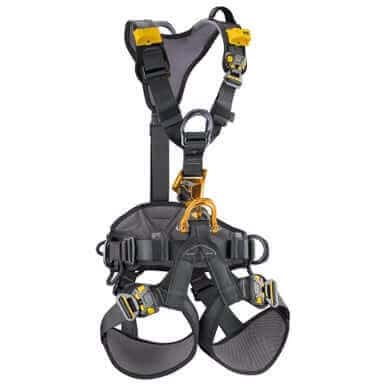 Astro BOD FAST Harness SKU: 96-43M |
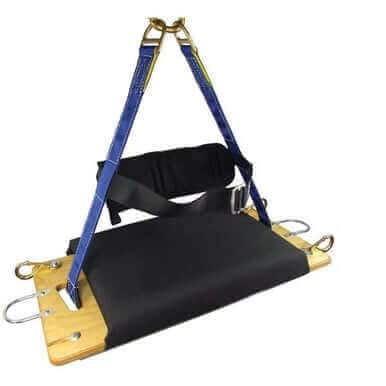 Sky Genie Descent Control Bosun's Chair SKU: 92-21M | Roof work Fall Protection Kit SKU: 12-660 |