What Chemicals Do I Need for Soft Washing?
Table of Contents
- What Chemicals Are Used in Soft Wash Cleaning?
- Bleach: The Primary Chemical in Soft Wash
- Surfactants: The Soft Wash Chemical That Helps Bleach Stick
- Odor Maskers: Making Soft Wash Chemicals More Customer-Friendly
- Neutralizers: Protecting Plants and Metals
- Plant Nourishment: Restoring Landscaping After Soft Wash Chemicals
- Why the Right Chemicals Matter in Soft Washing
- Final Thoughts
- FAQs
The Essential Chemicals for Soft Wash Professionals
When professionals think of soft washing roofs and siding, the first question if often "What Chemicals Do I Need for Soft Washing?"
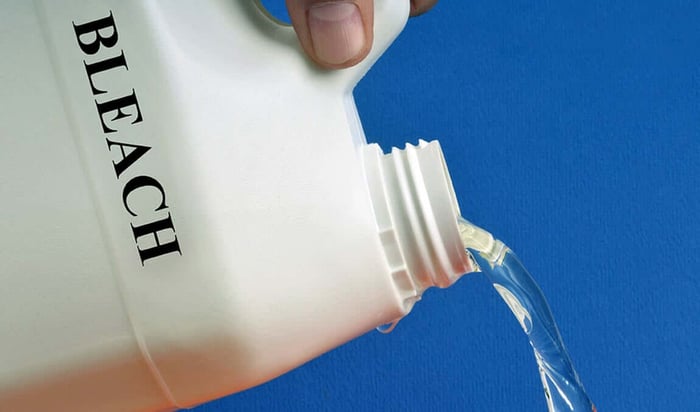
The first soft wash chemical that comes to mind is bleach. A professional-grade 12.5% sodium hypochlorite is the number one cleaning agent for killing algae (Gloeocapsa Magma), mold, mildew, moss, and lichen—the main types of organic growth that stain roofs and siding.
But smart contractors know that bleach alone isn’t enough. For effective results, safer jobs, and better customer satisfaction, you need to use a complete set of chemicals for soft wash cleaning. These include surfactants, odor maskers, neutralizers, and plant protectants. When used correctly, these chemicals improve dwell time, reduce bleach usage, protect landscaping, and boost your company’s reputation.
What Chemicals Are Used in Soft Wash Cleaning?
While bleach is the backbone, professional cleaners rely on a system of chemicals to ensure safe, efficient, and long-lasting results:
Sodium Hypochlorite (Bleach) – The core cleaning agent that kills organic growth.
Surfactants – Help bleach cling to surfaces longer and lift dirt and grime.
Odor Maskers – Neutralize bleach smell for a more pleasant customer experience.
Neutralizers – Protect plants, landscaping, and metals from chemical runoff.
Plant Nourishment Products – Restore plant health after exposure to cleaning solutions.
Let’s break down why each chemical matters.
Bleach: The Primary Chemical in Soft Wash
Professional-grade 12.5% sodium hypochlorite is more than twice as strong as household laundry bleach (5–6%). This means contractors need less bleach per batch. For example, on most roofs a 3% mix is strong enough to kill algae and restore shingles without wasting chemical or harming plants.
Using the right ratio matters. Too much bleach is wasteful and risky, while too little won’t kill organic growth effectively.
Surfactants: The Soft Wash Chemical That Helps Bleach Stick
Bleach works best when it has enough dwell time to kill growth. The problem is, bleach and water alone run down surfaces too quickly. That’s where surfactants come in.
Surfactants reduce the surface tension of water, helping the mix spread and cling to siding or shingles. They also loosen dirt and grime so the rinse leaves behind a cleaner surface.
Surfactants are almost as important in the "What Chemicals Do I Need for Soft Washing?" question as bleach.
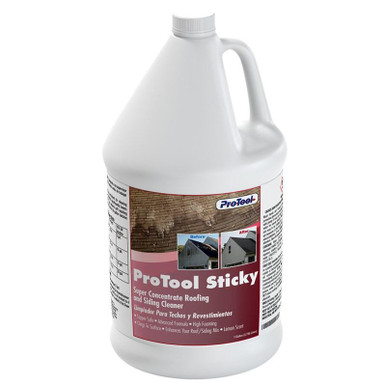
ProTool Sticky Super Concentrate
Our ProTool Sticky is a super-concentrated surfactant that delivers maximum cling and coverage. Just one pint-sized bottle is enough to make a 50–70 gallon batch, making it both cost-effective and easy to ship. Sticky is designed to work seamlessly with the ProTool Clever dosing system for effortless mix management.
ProTool Sticky
$69.15
ProTool Sticky Super Concentrate The industry’s highest-concentration sticky surfactant — gives maximum cling, superior spreading, and extended dwell time when used with sodium hypochlorite (SH).… read more
Odor Maskers: Making Soft Wash Chemicals More Customer-Friendly
Customers appreciate clean results—but not always the smell of bleach. Odor maskers solve this by neutralizing harsh chemical odors.
ProTool Lemony
Lemony replaces the smell of bleach with a fresh lemon scent. At just 4 ounces per 50-gallon batch, it’s affordable and effective. Beyond soft washing, Lemony can also be used to deodorize tough odors like smoke, mildew, urine, or garbage, making it a versatile tool for property managers and contractors alike.
Odor maskers are not the most important in the "What Chemicals Do I Need for Soft Washing?" question, but they are an excellent add-on to help mask the smell.
ProTool Lemony
$36.55
PROTOOL LEMONY GAL ProTool Lemony is engineered to clean and counteract odors effectively, making it an ideal choice for various settings. From schools and nursing… read more

Neutralizers: Protecting Plants and Metals
Runoff from sodium hypochlorite can harm plants, grass, and even corrode metals. Rinsing with water helps, but the safest approach is to neutralize.
ProTool Post Rinse
Post Rinse is a neutralizing agent that protects siding, decks, fences, and landscaping after a job. It coats leaves with a protective buffer and neutralizes chemical residues. For a minimal cost, it prevents expensive plant replacement, insurance claims, or damage to metal fixtures.
Perhaps the final answer to the common question: "What Chemicals Do I Need for Soft Washing?" Neutralizers are an important step for protecting and deactivating bleach.
ProTool Post Rinse
$25.30
ProTool Post Rinse – The Ultimate Solution for a Spotless, Streak-Free FinishAchieve professional-grade cleaning results with ProTool Post Rinse, the essential finishing touch for any… read more

Plant Nourishment: Restoring Landscaping After Soft Wash Chemicals
Even with rinsing and neutralizing, landscaping can still experience stress after exposure to soft wash chemicals. Plant Wash is designed to protect and restore plant health:
Neutralizes remaining caustic cleaners.
Fertilizes plants through foliar feeding.
Buffers leaves with a protective coating.
Rebuilds soil health by replenishing beneficial bacteria.
We recommend applying Plant Wash with a garden sprayer after rinsing. This final step gives you peace of mind and shows customers you care about protecting their property.
Why the Right Chemicals Matter in Soft Washing
Using only bleach may get the job done, but it creates unnecessary risks. By combining the right chemicals for soft wash cleaning, you can:
Reduce bleach usage and save money.
Improve cleaning efficiency with longer dwell time.
Protect landscaping, plants, and outdoor fixtures.
Deliver a better customer experience with odor control.
Increase referrals and repeat business with safer, professional results.
So, which products answer the "What Chemicals Do I Need for Soft Washing?" question.
With products like Sticky surfactant, Lemony odor masker, Post Rinse House Wash Rinse Agent, and Plant Wash, you can take your soft washing business to the next level. Pair these with a metering system like the ProTool Metering Plates or Skids, and the math is done for you—ensuring consistent, accurate mixes every time.
ProTool Soft wash Skid Curbside Reels BPX 25
$10,375.00
ProTool BPX25 Soft Wash Truck Skid — Curbside Reels & Chemical Metering All Soft Wash. No Wasted Space. You don't need a giant trailer to… read more

ProTool Soft Wash Skid 12V
$7,229.90
ProTool Soft Wash Skid 12V Advanced Metering Tank System for Soft Washing Introducing our Softwash Skid with ProTool Metering Valves and 80 gallon SH… read more

ProTool Dual User Pure Water and Soft Wash Skid | BPX 25
$17,111.95
BPX 25 Dual Operator Pure Water Soft Wash Skid The ProTool BPX 25 Dual User Soft Wash Pure Water Skid is engineered for efficiency and… read more
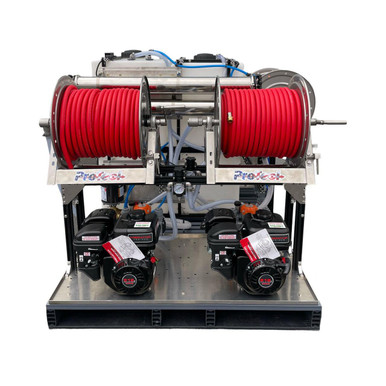
ProTool Soft Wash Metering Plates
$1,543.50
Soft Wash Metering Block System This Softwash Metering system uses a metering block and valves to blend the chemicals in the proportions desired. The plate… read more

Final Thoughts
Soft washing is about more than just bleach. Which is why so many ask
“What chemicals do I need for soft washing?"
A true professional system relies on a complete lineup of chemicals: sodium hypochlorite, surfactants, odor maskers, neutralizers, and plant nourishment products.
There may be additional chemicals requited for specific jobs or surfaces, IE Masonry, wood, oxidation, etc. But this is the core products needed to soft wash a roof with bleach to kill mold.
By using the right soft wash chemicals, you’ll get better results, protect property, and build a stronger reputation with your clients.
👉 Explore the full line of ProTool chemicals for soft wash today at www.JRacenstein.com and upgrade your cleaning process with products designed for professionals.
FAQs
What chemicals do I need for soft washing a roof?
For roofs, professionals typically use 12.5% sodium hypochlorite (bleach) diluted to around 3%, plus a surfactant for cling and a neutralizer for protection.
What chemicals do I need for soft washing siding?
Siding usually only requires a 1% bleach mix with a surfactant. This lighter ratio removes mildew and dirt without damaging paint or vinyl. Use an odor masker and neutralizer so reduce the smell and protect your surroundings.
Do I need surfactants for soft washing?
Yes. Surfactants are essential chemicals in soft washing because they allow the bleach to cling longer, penetrate growth, and lift dirt for a thorough clean.
How do odor maskers help when soft washing?
Odor maskers, like ProTool Lemony, replace the harsh bleach smell with a fresh scent, improving customer experience without affecting cleaning power.
Are plant protection chemicals necessary for soft washing?
Absolutely. Neutralizers like ProTool Post Rinse and plant wash safeguard landscaping by neutralizing bleach and replenishing soil nutrients.Just rising with water may not be enough.
Can I soft wash with just water and bleach?
While bleach and water will kill organic growth, you’ll get better results at a lower cost with additional chemicals like surfactants, odor maskers, and neutralizers.
What strength bleach should I use for soft washing?
Most professionals use 12.5% sodium hypochlorite diluted to the right percentage—typically 3% for roofs and 1% for siding.
Are household cleaning chemicals safe for soft washing?
No. Household detergents and laundry bleach are weaker and not formulated for exterior cleaning. Use professional-grade soft wash chemicals for safety and effectiveness. Some household detergents are not suitable with bleach and can have unintended harmful consequences when mixed.
Do I need different chemicals for soft washing roofs vs. siding?
No. Roofs typically require stronger mixes (around 3%) to kill algae, while siding can be cleaned with a weaker 1% mix. Both surfaces we recommend using a surfactant and neutralizer.
How do I protect plants from soft washing chemicals?
Pre-wet landscaping, apply neutralizers like ProTool Post Rinse, and finish with Plant Wash to buffer leaves and restore nutrients to the soil.