Low Pure Water Output: Fixing Flow Problems at 80 PSI

Table of Contents
You have 80 PSI at the inlet and nothing — or almost nothing — coming out of your pure water system. The pressure looks fine on paper, so the instinct is to blame the RO membrane. Usually it is not the membrane. The real causes are simpler, cheaper to fix, and easy to miss if you do not know where to look.
Check Your Filters First
Sediment and carbon filters clog before anything else in the system. A clogged sediment pre-filter can choke inlet flow to the point where the membrane sees almost no water, even though your gauge reads 80 PSI upstream of the blockage. If your system uses a clear sump housing, look at the sediment cartridge — brown or dark means it is spent. On opaque housings, track your filter change schedule. Sediment filters on municipal water typically last 3–6 months; well water can burn through one in weeks.
Carbon filters fail more quietly. They do not visibly discolor the same way, but a saturated carbon block restricts flow just as badly. If you have not changed both your sediment and carbon filters recently, swap them before chasing anything else. This is the cheapest, fastest fix and resolves the majority of "no output" calls.
Gauge Placement Matters
Where is your pressure gauge? If it is on the inlet side — before the filters — it tells you what the source is delivering, not what the membrane actually receives. Install a gauge after the last pre-filter and before the membrane. A reading of 80 PSI at the spigot that drops to 30 PSI post-filter is a dead giveaway: your filters are restricting flow. A ProTool inline gauge kit makes this a two-minute diagnostic.
RO Membrane Failures
If pressure after the pre-filters is genuinely 80 PSI and output is still near zero, the membrane may be fouled or damaged. Membranes degrade from chlorine exposure (which is why the carbon filter matters), mineral scaling, or biological fouling. Symptoms: production drops well below rated GPD, TDS rejection falls off, or the reject-to-product ratio shifts heavily toward reject.
Before replacing, confirm the membrane housing is correctly plumbed — inlet, product, and reject lines in the right ports. A swapped product and reject line sends all your clean water down the drain and the concentrate to your delivery hose. It happens more often than anyone admits. On a ProTool stainless steel 40-inch housing, verify the brine seal orientation and that end caps are tight.
Air Locks and Bypass Issues
Air trapped in the system after a filter change or membrane swap can block flow entirely. Open the reject line and let water push through until it runs steady with no sputtering. On cart-based systems, tilt the cart slightly to help air escape from high points in the plumbing.
Check for bypass. Some systems have a flush valve that, if left open, diverts water around the membrane. If your flush valve is cracked open even slightly, production drops to nothing because the water takes the path of least resistance.
Booster Pump Problems
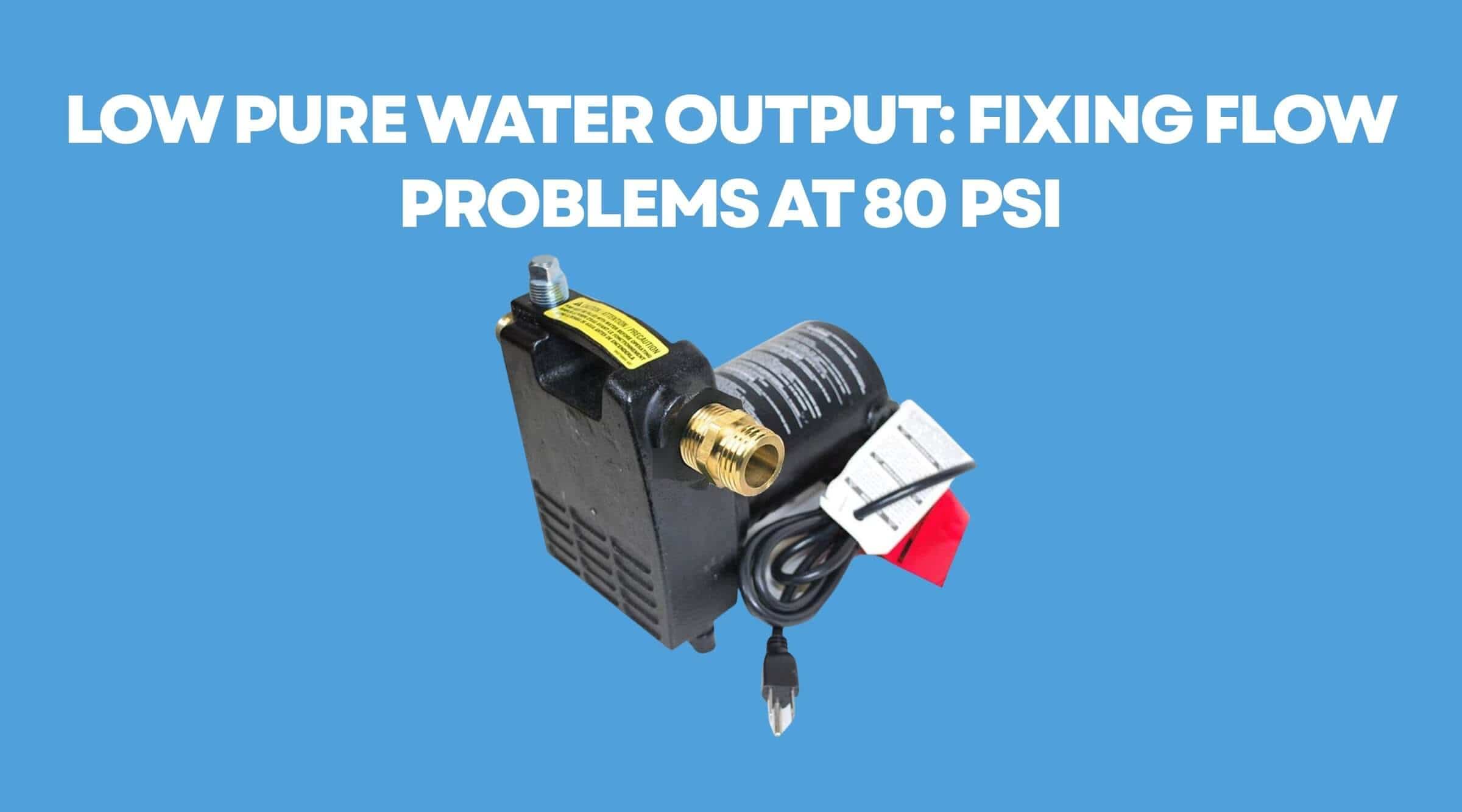
Systems running on low-pressure sources (well water, gravity-fed tanks, or long garden hose runs) often need a booster pump. If your booster pump is not priming, has a failed pressure switch, or is wired incorrectly, 80 PSI at the source means nothing — the pump is not pushing it through the membrane. Listen for the pump cycling on and off rapidly (short-cycling), which usually indicates a failed pressure switch or a leak on the outlet side.
For 110V-powered carts and wall mounts, the 110V booster pump should add roughly 40 PSI to whatever the inlet delivers. If you are reading the same pressure with the pump on and off, the pump is not functioning — check the power supply, GFCI outlet, and wiring connections.
TDS Meter as a Diagnostic Tool
Your inline TDS meter is not just for checking water quality — it is a diagnostic instrument. If the meter shows zero flow through the product probe, the blockage is upstream of the membrane or the membrane is completely fouled. If TDS on the product side is high (close to inlet TDS), the membrane has failed and is passing unfiltered water. Either way, the TDS meter narrows your search fast.
Common Plumbing Mistakes
Push-fit fittings that are not fully seated are the most common leak and flow-loss culprit on DIY and cart-based systems. The tube needs to go past the o-ring and the grab ring — if it only catches the grab ring, it will hold under zero pressure but blow out or leak under working pressure. Push the tube in until it stops, then give it a firm tug to confirm it is locked.
Kinked tubing is the other silent killer. A 90-degree bend in 1/2-inch polyethylene tubing can reduce flow by half or more. Use proper push-fit elbows instead of bending tubing around corners.
Diagnostic Sequence
- Measure inlet pressure at the source — confirm you actually have 80 PSI.
- Measure pressure after the last pre-filter — if it drops significantly, replace filters.
- Inspect all push-fit connections for leaks.
- Confirm flush/bypass valve is closed.
- Purge air from the system.
- Check TDS on product and reject lines.
- If all the above check out, replace the RO membrane.
Recommended Replacement Filters and Parts
Keep a spare filter kit on the truck. Running a system with spent filters does not just kill output — it accelerates membrane fouling, which is the expensive replacement. The ProTool HydroCart Filter Kit Pro covers sediment and carbon in one box. For standalone DI polishing, the ProTool 20-inch DI filter RTU drops in ready to use.
Products Mentioned
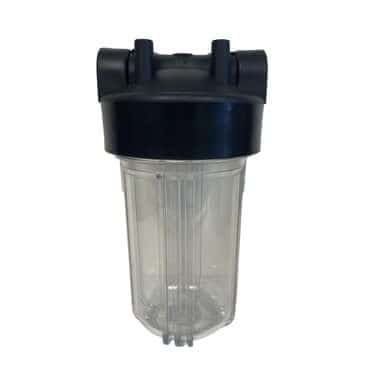 ProTool Filter Housing for 4.5 x 10 Filters with Clear Sump SKU: 150-03710 | 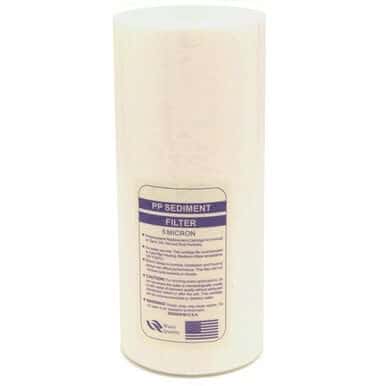 ProTool Sediment Filter 4.5in x 10in SKU: 150-005 | 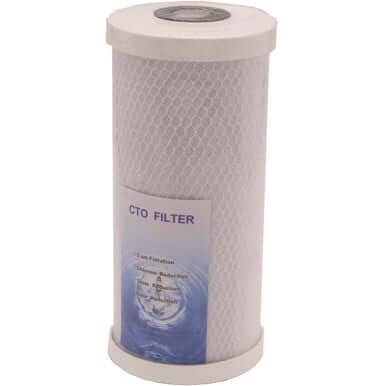 ProTool Carbon 4.5 inch x 10 inch Water Filter Cartridge SKU: 150-006 |
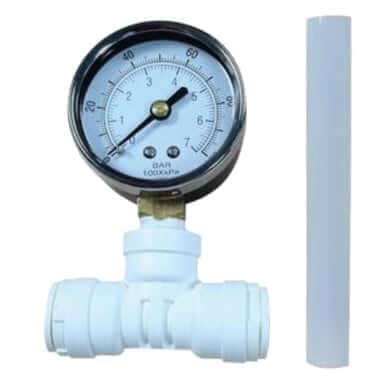 ProTool InLine Water Pressure Gauge Kit Pushfit 1/2in SKU: 150-0393 | 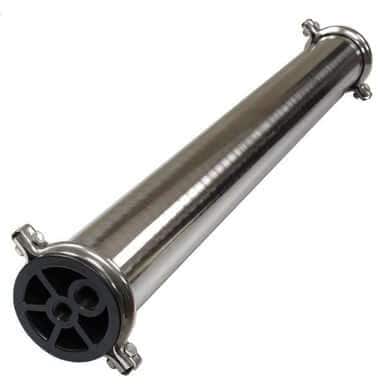 ProTool Housing SS 40in 1/2in in 1/2 out 300psi SKU: 150-4042 | 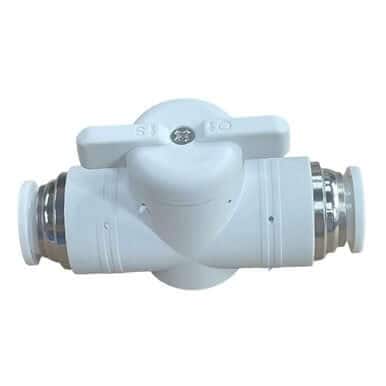 Ball Valve RO Flush 1/2in 2.5 to 4.5 gpm HiFlow SKU: 150-4496 |
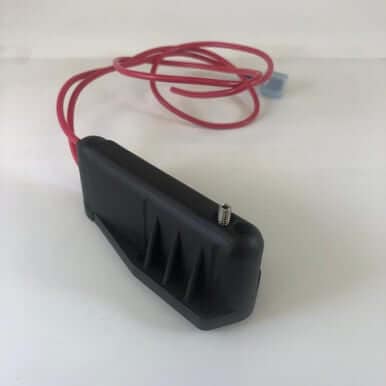 ProTool Pressure Switch 5gpm Chem Wash Pump SKU: 150-738 | 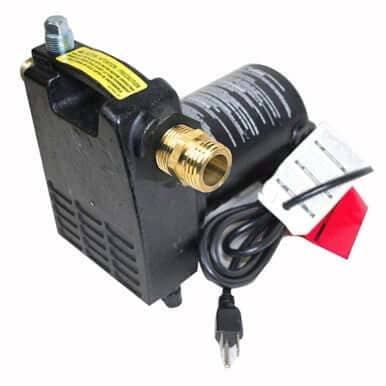 Pump 110v Boost Water Pressure add 40psi SKU: 150-0602 | 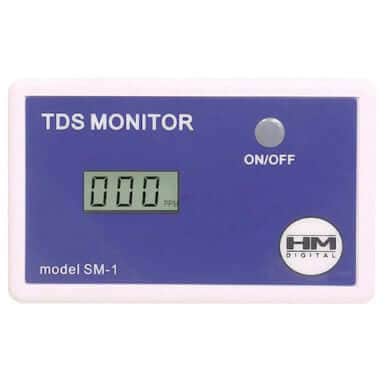 TDS Inline Meter - includes a 1/4 Tee SKU: 150-019 |
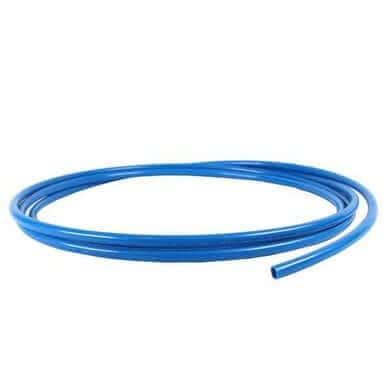 ProTool Tube 1/2in Polyethylene per ft - Blue SKU: 150-480 | 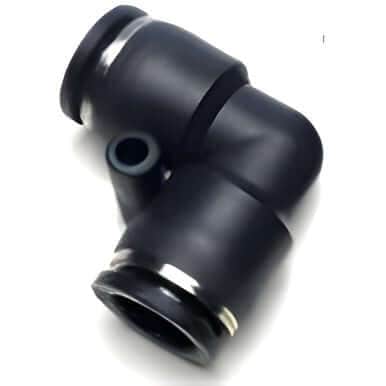 Elbow Union 1/2in PushFit SKU: 150-3200 | 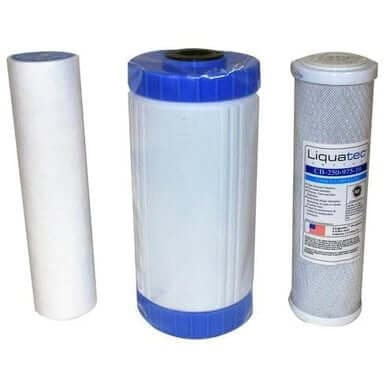 ProTool HydroCart Filter Kit Pro SKU: 150-0050 |
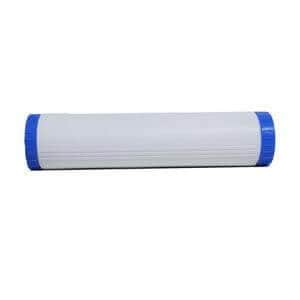 ProTool DI Filter 20in Blue/White RTU SKU: 150-012 |