Lint-Free Window Cleaning Towels: What Pros Actually Need to Know

Table of Contents
Your lint-free window cleaning towels are leaving lint. The label lied — or more precisely, the towel was lint-free until you washed it with your cotton rags, ran it through a hot dryer, or hit it with fabric softener. Split-fiber microfiber is engineered to trap particles in star-shaped channels created when polyester and polyamide are fused and then split. Coat those channels with silicone softener or melt the fiber tips with high heat and you have an expensive streaking cloth.
This guide covers the technical decisions that keep your detailing towels performing for 300–500 wash cycles instead of three: GSM selection, weave matching, laundering rules, and the towels worth stocking on your truck.
GSM and Why It Dictates Your Towel Rotation
GSM (grams per square meter) is the density spec that matters most. Low-GSM towels (200–300) have a short pile and tight weave — they bite into edges and strip moisture on a final detail pass. High-GSM towels (400+) hold several times their weight in water and are built for soaking frames or catching squeegee floods. The versatile middle ground for daily glass detailing sits at 300–350 GSM: absorbent enough to handle holidays without getting too heavy halfway through a shift.
Static charge is the other performance layer. Microfiber's positive charge pulls negatively charged dust off the glass mechanically — no chemical wipes needed. But static is fragile. One cycle with fabric softener coats the fibers in wax and kills it. One high-heat dryer cycle melts the split tips together. Both turn a professional towel into a consumer rag.
Microfiber, Scrim, or Surgical: Matching Fabric to Task
Microfiber is the default, but experienced crews keep three fabrics on the truck.
Microfiber Weave Types
- Fishscale: Overlapping pattern with high mechanical friction. Best for removing insect residue, tape adhesive, or bird droppings without scratching.
- Waffle: Recessed pockets designed for maximum water absorption. Use it for soaking frames and catching spills — it holds volume before it streaks.
- Smooth/Suede: Low-pile, high-density. This is your final-buff towel for mirrors and storefront glass where imperfections show under direct light.
Scrim (Irish Linen)
Still a staple on high-end commercial jobs. Scrim becomes more absorbent as it breaks in over dozens of wash cycles, and a quality piece handles heavy detailing without leaving residue. If you work luxury properties, keep a few in rotation.
Recycled Surgical Towels
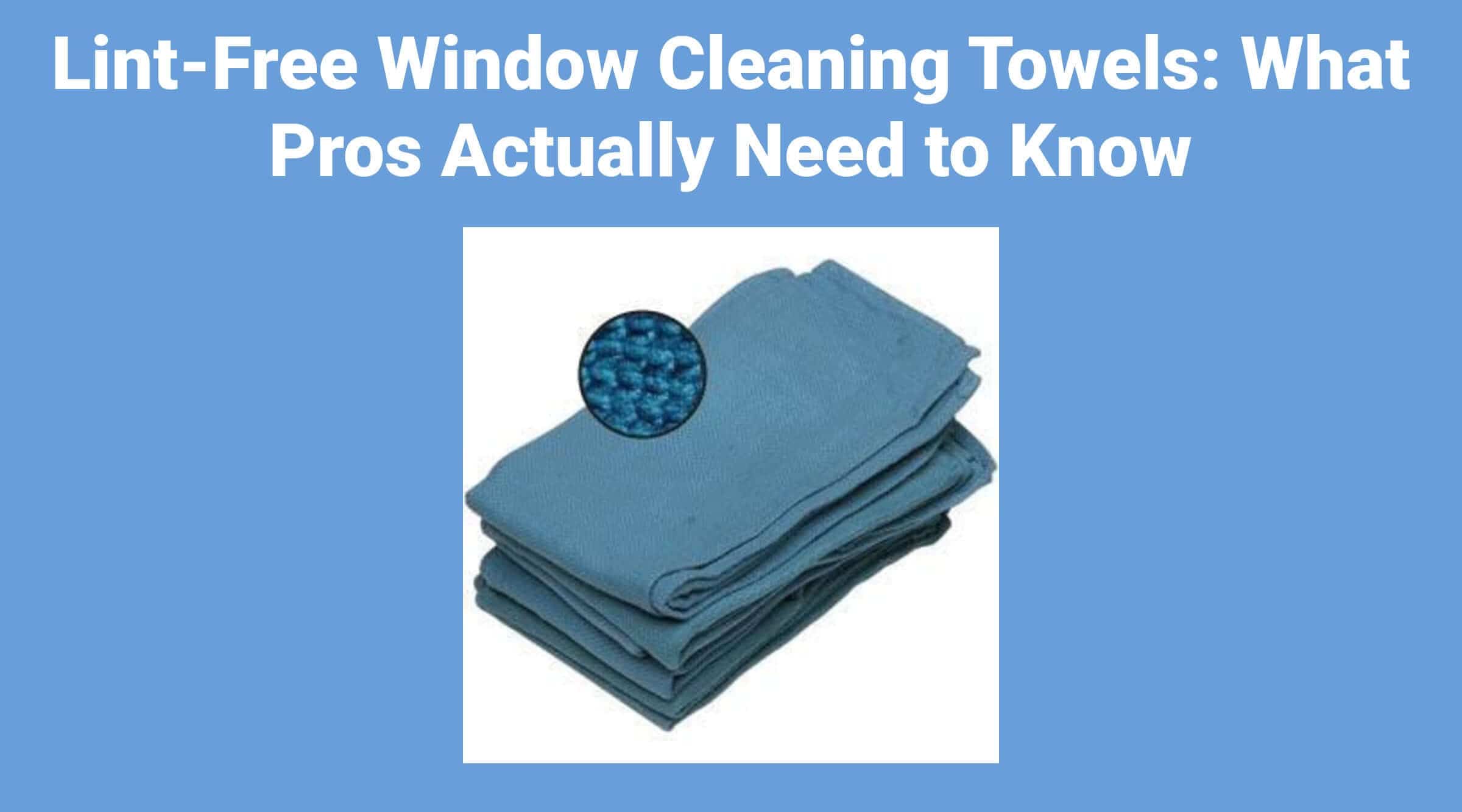
New cotton sheds constantly — the short-staple fibers haven't been stripped away yet. Recycled surgical towels have been through enough industrial wash cycles to shed those weak fibers, leaving a tight, lint-free core. They're rugged for frame wiping and cost-effective for high-volume residential routes. ProTool Surgical Towels are sold by the pound and work well as your frame and sill cloth, saving your microfiber for glass.
The Two-Towel System and Color Coding
One towel for everything is a recipe for cross-contamination. Frames collect grease, atmospheric fallout, and abrasive grit. Touch your glass towel to a dirty frame and the fibers clog with residue that rinsing won't clear.
The two-towel system is simple: carry one damp towel for initial cleaning and one bone-dry towel for the final buff. When the dry towel starts dragging instead of gliding, it's saturated — rotate it out. In humid conditions, you'll rotate faster.
For crews, color-code your inventory. Blue for glass, green for frames, red for chemical work. A new technician can follow the system on day one without risking a wax-contaminated cloth on a clean pane. It's a visual protocol that eliminates expensive callbacks.
Laundering Rules That Preserve Split-Fiber Performance
Three things destroy microfiber towels:
- Fabric softener. Coats fibers in silicone or animal fat, sealing the channels that trap dirt. The towel smears water instead of absorbing it.
- Bleach. Breaks down the polyamide core. The fiber thins, and shedding starts.
- High heat. Microfiber is a plastic blend. Heat melts the split tips together, killing absorbency.
Wash microfiber in a dedicated load — never with cotton clothing, which sheds organic fibers that embed permanently in the split structure. Use a scent-free liquid detergent. Air dry or tumble on no-heat.
Stripping Clogged Towels
Hard water deposits build up over time. The towel feels stiff and loses its grab. A half-cup of white distilled vinegar in the final rinse cycle dissolves calcium and magnesium. Some pros boil towels to re-open fibers, but limit immersion to 60 seconds — a rolling boil risks heat damage.
Storage
Microfiber's static charge pulls lint from any cotton stored nearby. Keep glass towels in sealed, color-coded bins on the truck, separate from dirty stock and surgical towels. Shake each towel out before it touches glass to clear airborne debris.
Towels Worth Stocking
The Unger MicroWipe is a heavy-duty option — high absorbency, rugged structure, and it survives industrial laundering. The Ettore MicroSwipe has a more refined weave suited to precision detailing on residential glass. Both feature overlock stitching that prevents edge fraying, which is where most cheap towels start shedding.
For surgical towels, ProTool Surgical Towels (new, per lb) or ProTool Surgical Towels (recycled, per lb) cover bulk water removal and frame work at a fraction of microfiber cost. The ProTool Microfiber Towel rounds out a kit with a reliable, affordable glass cloth.
Check the hem before you buy. Professional-grade towels have dense overlock stitching or ultrasonic-cut edges. Flat-cut hems fray quickly and become a lint source within weeks.
Inventory Planning
A solo operator needs 30–50 detailing towels to maintain a daily rotation with laundry lag. A three-person crew needs 150–200 units to cover high-volume commercial days without running short.
Establish a retirement cycle: when a glass towel loses its grab or shows permanent staining, move it to the frame bin. This preserves your premium stock for glass and squeezes full value from every towel before it's discarded. Buying in bulk from a professional towel supplier cuts per-unit cost and eliminates emergency retail runs that eat margin.
Products Mentioned
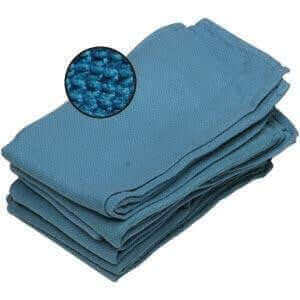 ProTool Towel Surgical New per LB SKU: 24-33 | 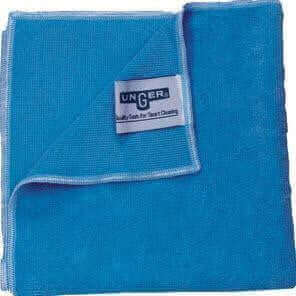 Unger Micro Wipe SKU: 273-1M | 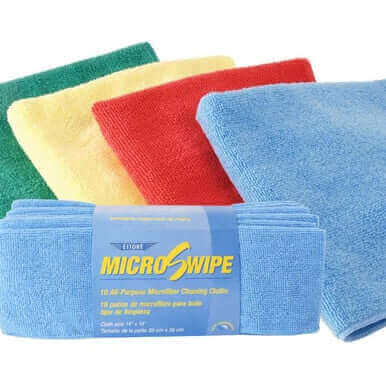 Ettore MicroSwipe Microfiber Towel 10 Pack SKU: 24-1M |
ProTool Towel Surgical New per LB SKU: 24-33 | 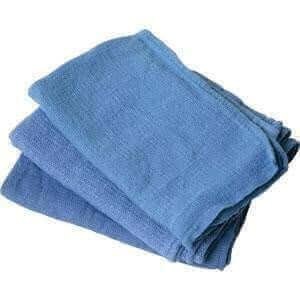 ProTool Towel Surgical Recycled per lb SKU: 24-331 | 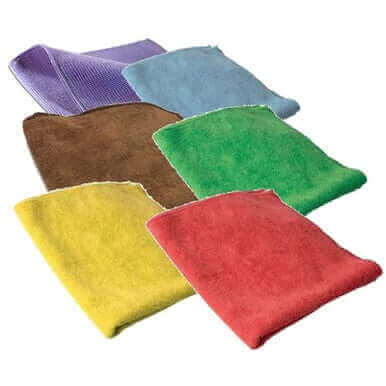 ProTool Microfiber Towel SKU: 24-5M |