Scrubbers and Polishing Pads: Choosing the Right Pad for Professional Cleaning

Table of Contents
Choosing the right scrubbers and polishing pads is one of the decisions that separates a profitable glass-restoration job from a callback. The wrong pad scratches the surface, the wrong abrasive wastes your time on mineral deposits that barely budge, and a pad that is too aggressive eats through your chemical budget. This guide breaks down pad types, abrasive levels, and the specific applications where each one earns its keep in the field.
How Pad Abrasiveness Is Graded
Across the industry, pads follow a rough color-coding convention: lighter colors indicate gentler abrasion, darker colors indicate more aggressive cutting. That rule holds for floor pads, glass-restoration pads, and most scrubber sleeves. When you pick up a white pad versus a green one, the difference in surface texture tells you immediately which job each is built for.
What matters more than color, though, is matching the abrasive to the substrate. A pad that is fine enough for tempered glass may be far too gentle for hard-water scale on a shower enclosure. A pad aggressive enough to strip mineral buildup off granite will destroy a soft limestone countertop. Knowing the surface dictates the pad — not the other way around.
Polishing and Buffing Pads
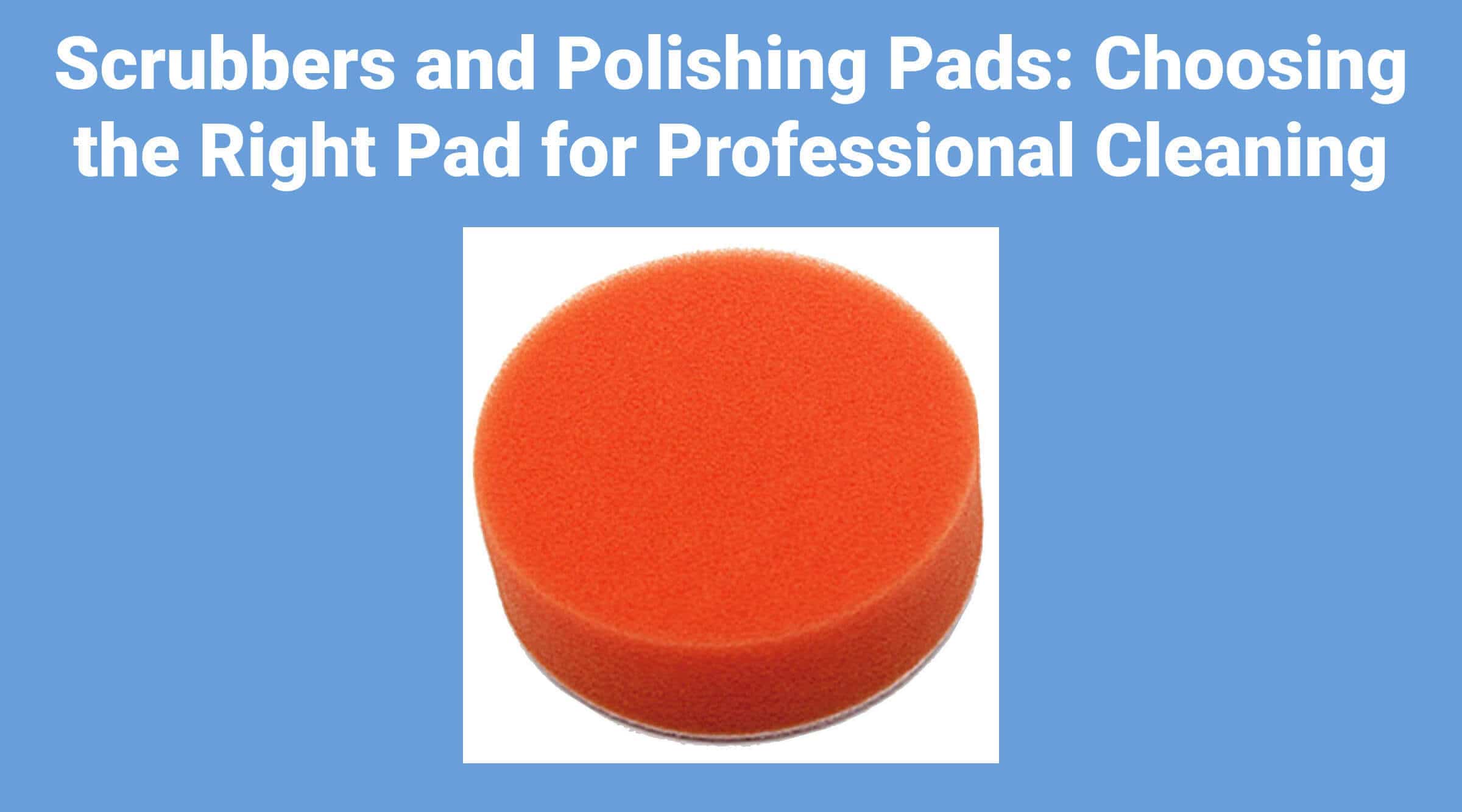
Polishing pads are the least aggressive category. Their job is to restore clarity or shine after the heavy removal work is done. On glass, this means bringing back optical clarity after you have knocked down hard-water deposits with a more abrasive pad or chemical. On stone, polishing pads create the final luster after honing.
The ProTool Foam Polishing Pad 3in and the ProTool Felt Polishing Pad 3in are workhorses for spot-polishing glass with cerium oxide. Felt cuts a fraction faster than foam and works well on deeper etching; foam is better for final optical polish where you want zero risk of new marks. Pair either with the ProTool Drill Adapter and a variable-speed drill for controlled RPM.
For larger areas — commercial storefronts, shower enclosures — step up to 5-inch pads like the ProTool 5in Foam Pad mounted on the ProTool 5in Pad Adapter (5/8-11). Larger contact area means fewer passes and more consistent finish.
Scrubbing Pads for Hard Water and Mineral Deposits
This is where most pros spend their time. Hard-water stains, efflorescence bleed, construction-debris residue — all of it requires a pad with real cutting ability paired with the right chemistry.
The ProTool Walnut Scrub Pad sits at the mild end of the scrubbing spectrum. Crushed walnut shell abrasive is aggressive enough to break up light mineral deposits but safe for coated glass and most polished stone. It is the pad to reach for when you want scrubbing action without risk.
Step up to the ProTool Coconut Shell Scrub Pad (6x9) for heavier mineral scale. Coconut fiber cuts harder than walnut and handles the stubborn white haze you see on windows near sprinkler systems or coastal salt fog. The 5in Round Coconut Pad version fits the ProTool pad adapters for drill-powered work.
For the toughest hard-water jobs — stage-3 etching, heavy construction splatter — pair an aggressive pad with a dedicated chemical like ProTool ClearView 100 Paste or ProTool Cerium Oxide Powder. The chemical does the dissolving; the pad provides the mechanical action. Running the pad dry on etched glass just polishes the damage deeper.
Specialty Pads: Steel Wool, Nylon, and Boar Hair
Steel wool (0000 grade): The ProTool Steel Wool 0000 remains the go-to for removing paint overspray, silicone residue, and adhesive ghosts from glass. Despite persistent myths, 0000 steel wool does not scratch glass when used wet and flat — the hazard comes from embedded contaminants, not the wool itself. Keep it wet, keep it flat, inspect the glass for fabricating-debris defects before you start.
Nylon pads: The 5in Nylon Liquid Polishing Pad bridges the gap between scrubbing and polishing. It is aggressive enough to work chemical pastes into the surface but fine enough to leave a near-polished finish. Ideal for applying hard-water removers on shower doors where you want scrubbing action without committing to a separate polishing pass.
Boar hair pads: The Professional Boar Hair Pad is the choice for final buffing on natural stone and for applying liquid polish on large glass panels. Boar hair conforms to slight surface irregularities better than synthetic pads, distributing pressure evenly and reducing swirl marks.
Pad Holders and Power Adapters
A pad without a holder is just a sponge you are pressing against the glass with your hand. Proper holders give you even pressure, ergonomic grip, and — when drill-mounted — consistent RPM that manual scrubbing cannot match.
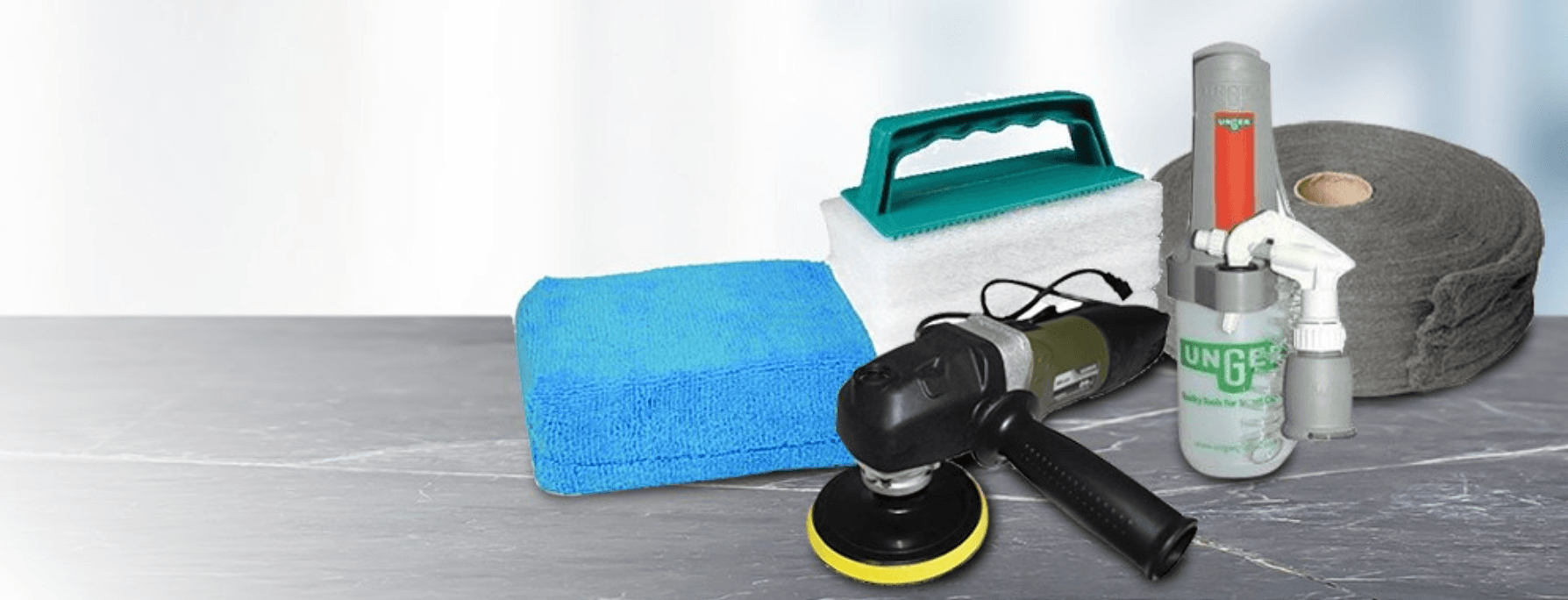
The ProTool Threaded Socket Pad Holder accepts any standard 4x9 or 6x9 hand pad and threads onto extension poles for high-reach work. For powered polishing, the ProTool 3in M10 Pad Adapter and 5in M10 Pad Adapter fit most polisher spindles and standard drills with the right thread adapter.
If you are doing enough glass restoration to justify a dedicated tool, the Variable Speed Polisher gives you the RPM control that separates a clean result from a burned one. Run cerium oxide at 1,000–1,500 RPM; go any higher and you risk overheating the glass.
Testing Before You Commit
Always test a new pad-and-chemical combination in an inconspicuous area first. This is not optional caution — it is how you avoid an insurance claim. Different glass coatings, temper levels, and Low-E films react unpredictably to abrasives. A pad that is safe on standard float glass may scratch a soft-coat Low-E unit in one pass.
Start with the least aggressive pad that could plausibly work, then step up. Going the other direction — starting aggressive and trying to polish out the damage — doubles your labor.
Matching Pad to Application: Quick Reference
| Application | Recommended Pad | Chemical Pairing |
|---|---|---|
| Light mineral haze on glass | Walnut Scrub 6x9 | ClearView 300 or dilute vinegar |
| Heavy hard-water scale | Coconut Shell 6x9 | ClearView 100 Paste |
| Glass polishing / scratch repair | Felt or Foam 3in/5in | Cerium Oxide slurry |
| Paint overspray removal | 0000 Steel Wool | Soapy water or Glass Gleam |
| Shower door restoration | Nylon Polishing 5in | Diamond Magic or A1 |
| Natural stone final buff | Boar Hair Round | StonePro Marble Polish |
Products Mentioned
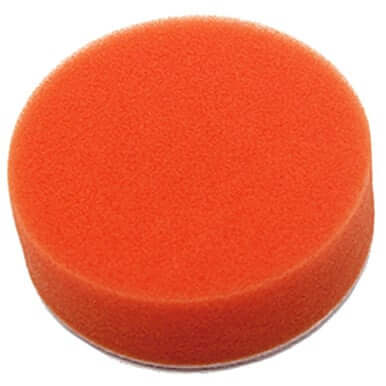 ProTool Foam Polishing Pad 3in SKU: 76-115 | 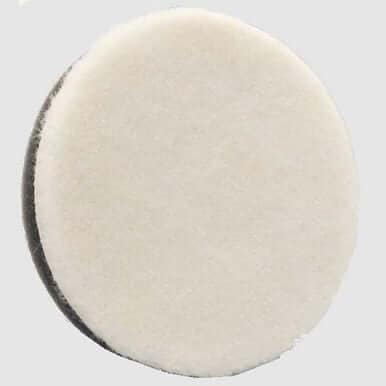 ProTool Felt Polishing Pad 3in SKU: 76-117 | 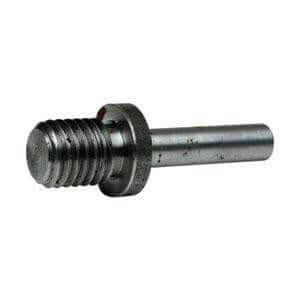 ProTool Drill Adapter to 5/8in x 11in Pad Adapter SKU: 76-11 |
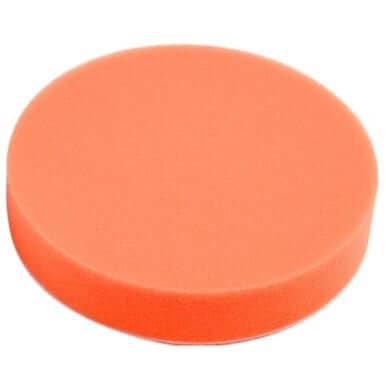 Foam Polishing Pad 5in SKU: 76-1151 | 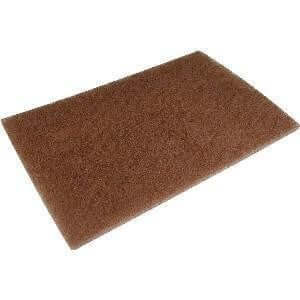 ProTool Pad Scrub Walnut 6x9 (1) SKU: 26-11 | 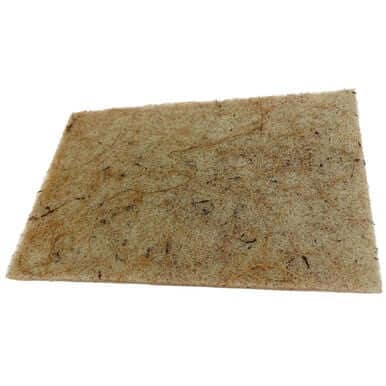 ProTool Coconut Shell Natural Fiber Scrub Pad 6in x 9in SKU: 26-090 |
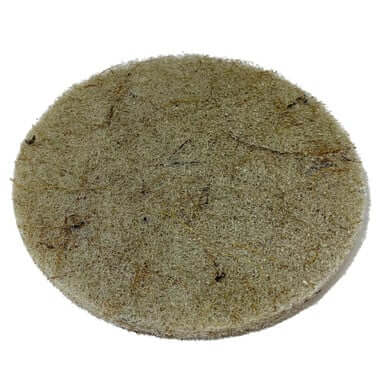 ProTool Coconut Shell Natural fiber 5in Round Scrub Pad SKU: 26-091 | 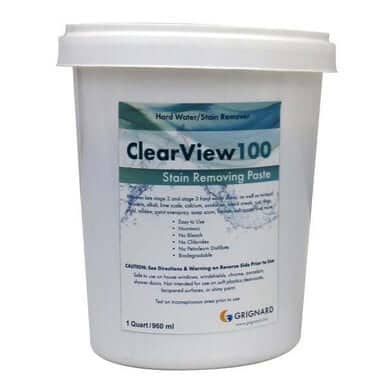 ProTool ClearView 100 HardWater Stain Remover Paste Quart SKU: 86-513 | 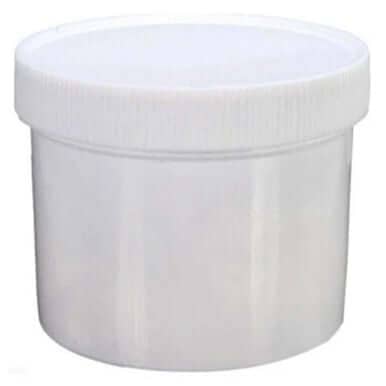 ProTool Cerium Oxide Polishing Powder 3.5oz SKU: 76-119 |
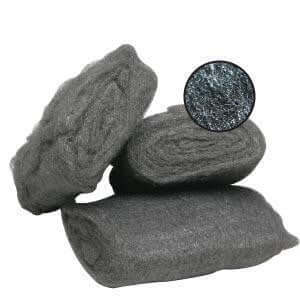 ProTool Steel Wool Bag 0000 SKU: 26-20 | 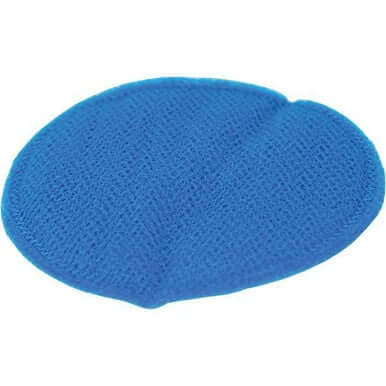 Pad Liquid Polishing 5in Nylon SKU: 26-891 | 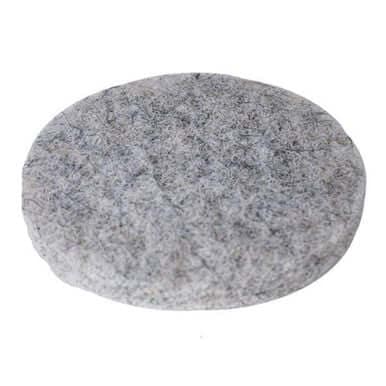 Boar Hair Pad SKU: 26-94M |
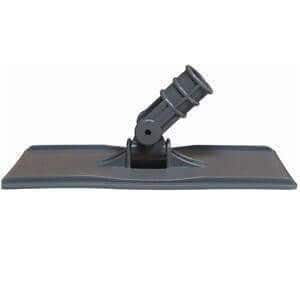 ProTool Pad Holder Threaded Socket (no pads) SKU: 362-154 | 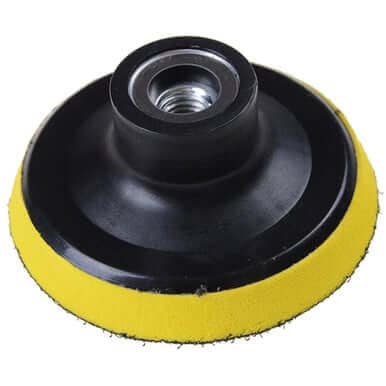 ProTool Pad Adapter 3in with M10 Socket SKU: 76-112 | 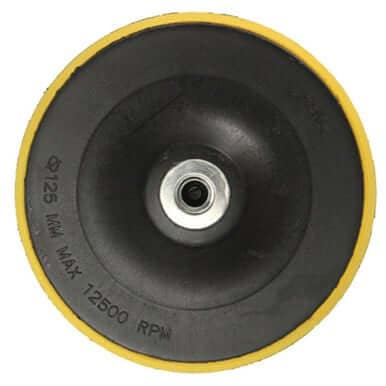 ProTool Pad Adapter 5in with M10 Socket SKU: 76-113 |
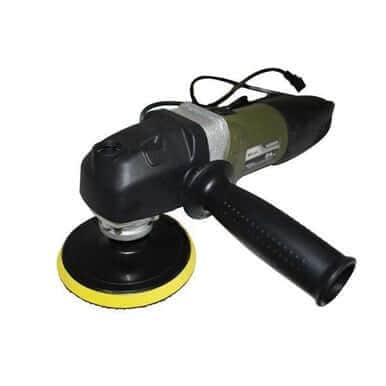 Polisher Variable Speed Top Switch SKU: 76-451 |