Solar Panel Cleaning Tools: What Pros Actually Need on the Job
Table of Contents
Solar panel cleaning tools are not repurposed window gear with a different label. Photovoltaic surfaces have anti-reflective coatings that scratch if you look at them wrong, warranties that void the moment you point a pressure washer at them, and owners who expect measurable energy-output gains after every service. The margin for error is zero, and the margin for profit is real — if your equipment matches the work.
This guide breaks down the core equipment, powered upgrades, and supporting accessories you need to clean panels without damaging them, whether you're adding solar to an existing route or building a dedicated operation.
Why Standard Cleaning Gear Fails on Solar Panels
Three things kill panels fast: pressure, abrasion, and mineral deposits.
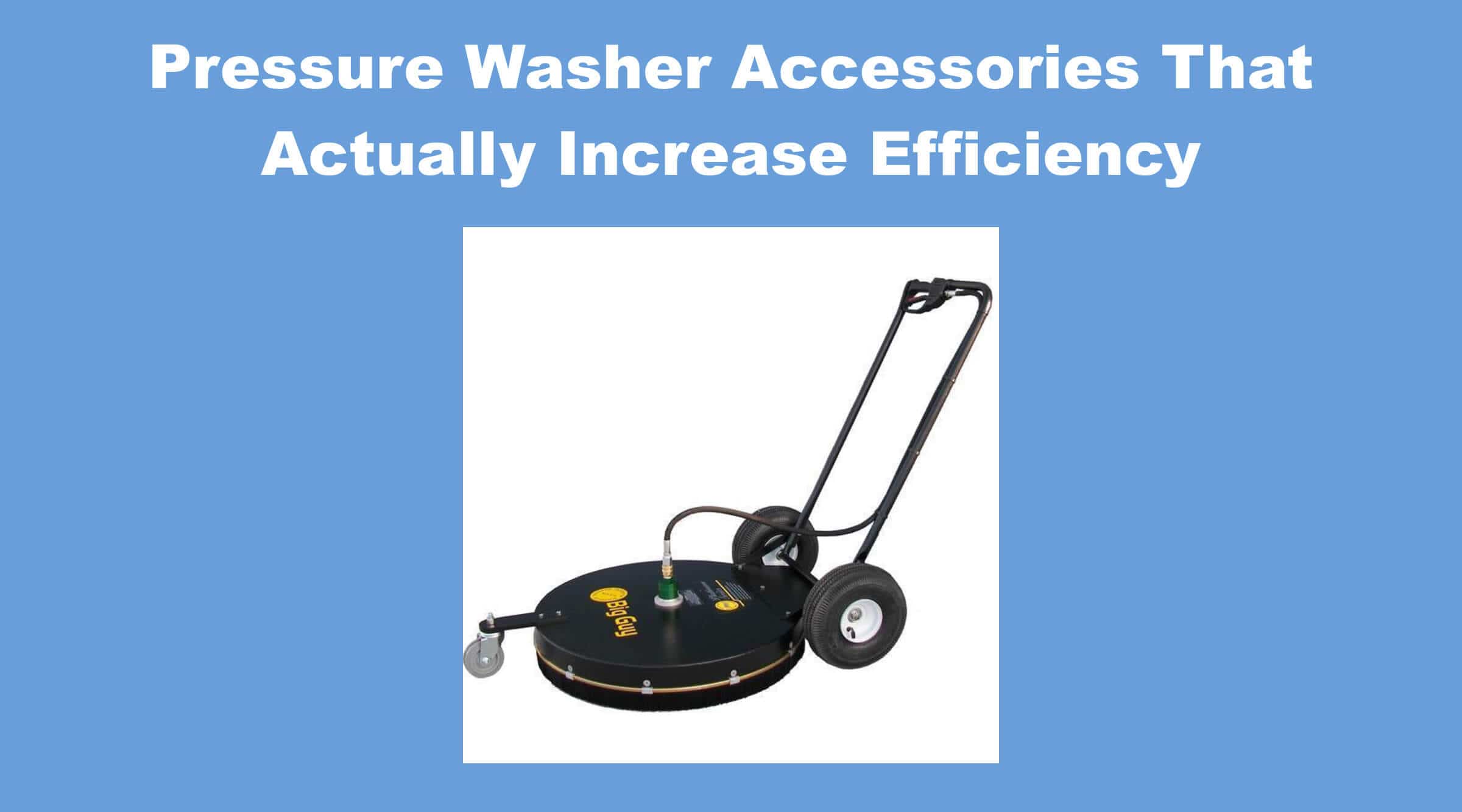
- Pressure washers force water past protective seals, causing moisture ingress, cell failure, and electrical hazards. Every major panel manufacturer prohibits them.
- Abrasive brushes or scrub pads micro-scratch the anti-reflective coating. Those scratches are permanent — they degrade efficiency for the life of the panel.
- Untreated tap water leaves mineral scale that creates new shadows on the cells. You've just traded dirt for a different kind of soiling.
The financial argument is just as clear on the business side. Arriving with dedicated solar panel cleaning equipment signals competence to the client and justifies premium rates. Arriving with a garden hose and a car-wash brush signals the opposite.
Core Equipment: The Water-Fed Pole System
The water-fed pole (WFP) system is the production backbone for solar panel cleaning. It delivers purified water through a telescopic pole to a specialized brush, letting you scrub and rinse in one pass from the ground — no ladder time, no roof access, no fall-protection overhead on most residential jobs.
A complete WFP setup has three components: pole, brush, and pure water source. Get any one wrong and the other two can't compensate.
Poles: Carbon Fiber vs. Aluminum
Carbon fiber is the professional standard. It's light, rigid, and stays controllable at full extension — critical when you're pushing a wet brush across a panel 30 feet up at an angle. The ProTool Apex Carbon Fiber Pole and the Gardiner SLX 39ft Carbon Pole are both proven options. The Apex uses an anti-spin oval profile that resists twisting under load; the Gardiner SLX offers Quick-LoQ brush attachment for fast brush changes.
Aluminum costs less and works fine for ground-level or single-story work, but it flexes noticeably past 20 feet and weighs enough to wear you out on a full day of commercial panels. If you already own an aluminum WFP from window work, it's a reasonable starting point — but plan to upgrade to carbon when solar becomes a regular part of your revenue.
Residential jobs typically need 20–30 feet of reach. Commercial arrays can demand 50 feet or more. The ProTool Apex Hi-Mod Carbon Fiber Pole reaches 50 feet with minimal flex at full extension.
Brushes: The Component That Protects the Panel
A solar brush must have soft, non-abrasive bristles — period. Stiff window-cleaning brushes will scratch the anti-reflective coating on the first pass.
Boar's hair bristles provide natural scrubbing action and hold water well. Nylon bristles are more durable and easier to clean. Both work; the choice depends on how aggressive the soiling is and how often you want to replace brush heads.
The ProTool 24in Solar Brush runs six pencil jets and a rinse bar for high-output rinsing — useful on panels with heavy dust or agricultural film. For dual-operator rigs or heavily soiled arrays, the ProTool DualForce 25 Solar Brush uses counter-rotating heads powered by water pressure alone, no batteries required.
Match brush width to panel size and job scale. A 14-inch brush works for tight residential layouts; a 22–24 inch brush covers commercial panels faster.
Pure Water Systems: The Non-Negotiable
Pure water — produced by Reverse Osmosis (RO) and Deionization (DI) filtration — strips all minerals and dissolved solids from tap water. It bonds aggressively with dirt and dries spot-free, leaving nothing on the panel surface to block sunlight.
If you skip the pure water system and use tap water, you'll leave mineral scale that reduces panel output and looks terrible. Every callback costs you money and credibility.
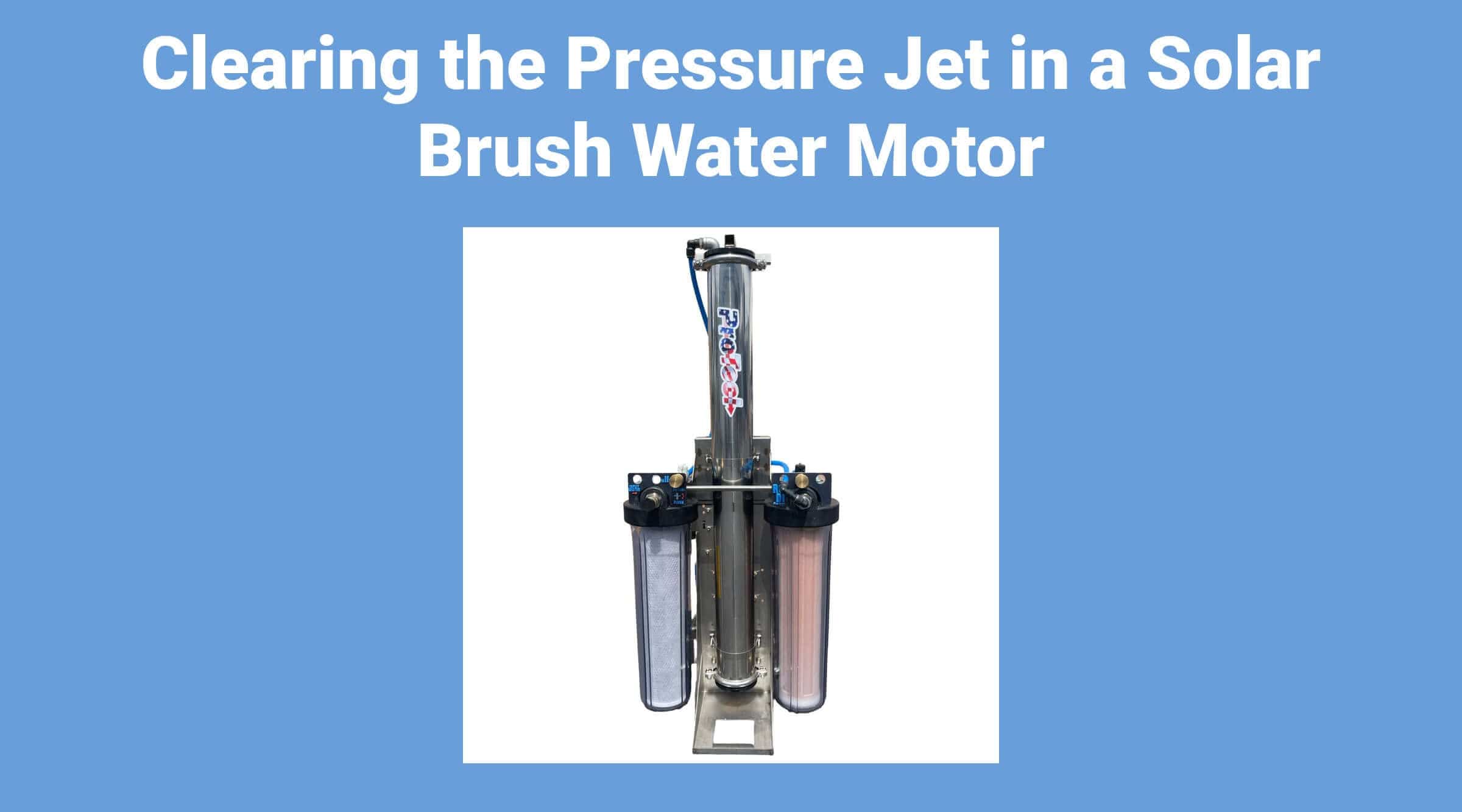
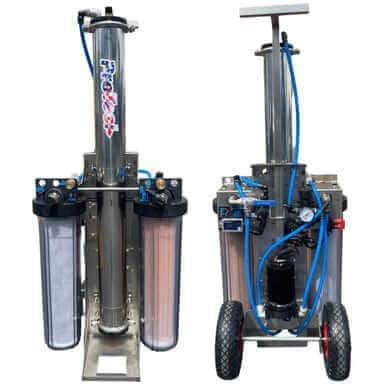
For mobile work, the ProTool 511 Pure Water Cart is a compact 4-stage system that runs off tap pressure — no pump needed for most municipal water supplies. For higher volume, the ProTool HiFlo Ultra Cart adds a 12V or 110V boost pump and higher-flow RO membranes for continuous production on commercial jobs.
Monitor your water quality on every job with an inline TDS meter. If your reading climbs above 0 PPM, your DI resin is exhausted and you're spraying tap water onto panels. Swap the cartridge before you start leaving spots.
Powered and Automated Tools for High-Volume Work
Manual WFP systems handle residential and small commercial jobs efficiently. But when you're cleaning thousands of panels on a ground-mount array or a 100,000-square-foot commercial rooftop, you need powered agitation and automation.
Rotary Brushes
Rotary brushes provide continuous, powered scrubbing that outperforms manual agitation on heavy soiling — agricultural dust, bird droppings, pollen crust. They mount to your existing WFP pole.
- Water-powered: The ProTool 32in Water-Powered Rotary Brush runs on water pressure alone. No batteries, no cords, no charging downtime. Counter-rotating heads deliver consistent scrubbing across the full brush width.
- Electric-powered: The 32in Electric Rotary Brush provides high-torque scrubbing for the most stubborn deposits. Requires a 110V power source or generator on site.
Water-powered is the better fit for most contractors — simpler, lighter, and no battery management. Electric makes sense when soiling is extreme or you need maximum RPM.
Counter-Rotating Brush Systems
The ProTool 16in Counter-Rotating Brush with Floating System uses dual brushes spinning in opposite directions. The floating head conforms to panel contours, maintaining even contact pressure without operator adjustment. Ideal for flat-mounted commercial arrays where panels are uniform and access is straightforward.
Complete Solar Cleaning Skids
When solar cleaning is a primary revenue stream, a solar cleaning skid integrates your pure water system, rotary brush, pressure washer, hose reels, and delivery pump into a single truck- or trailer-mounted unit. The ProTool Ultimate Solar Skid pairs a HydroPanel RO/DI system with a 3 GPM pressure washer and curbside delivery reels — everything you need for a full day of commercial solar work without returning to the shop.
Essential Accessories and Safety Gear
Water Management
- TDS meter: Verify water purity before every job. The TDS-3 Handheld Meter is cheap insurance against leaving mineral spots.
- Hose reels: A ProTool Stainless Steel Hose Reel manages your delivery line and prevents the kinks that kill water flow mid-job.
- Pump controllers: The Spring V16 WFP Link Controller gives you wireless on/off from the pole — stop water flow instantly when repositioning, save water, and avoid runoff issues.
Safety Equipment
Roof work is roof work, whether you're cleaning windows or panels. If you're going up, the safety stack is non-negotiable:
- Fall protection: Full-body safety harness, shock-absorbing lanyard, and a certified roof anchor rated for the structure.
- Footwear and gloves: Non-slip, waterproof boots and textured-grip gloves. Wet panels on a pitched roof are as slippery as they sound.
- Perimeter control: Safety cones and caution tape below the work area. A falling brush head or hose reel wrench can injure someone on the ground.
Job-Site Tools
- Angle adapters: A Gardiner Quick-LoQ Angle Adaptor or Euro-tip angle adaptor lets you reach under tilted panels and around obstructions without repositioning.
- Tool holsters: Keep scrapers, meters, and connectors on your belt — not on the ground where they get stepped on. A tool holster frees both hands for safe maneuvering.
Building Your Solar Panel Cleaning Kit by Business Stage
Starter Kit: Adding Solar to an Existing Route
You already own a WFP and a pure water cart from window work. Your investment is targeted:
- Dedicated solar brush with soft, non-abrasive bristles (e.g., ProTool 24in Solar Brush)
- Your existing carbon fiber or aluminum pole — adequate for residential roof heights
- Your existing RO/DI cart, or the ProTool 511 Cart if you need a compact entry-level system
- Handheld TDS meter
Total additional investment is minimal, and you're quoting solar cleaning jobs within a week.
Professional Kit: Dedicated Solar Cleaning
Solar is now a primary service line. Speed and reduced fatigue matter:
- Hi-mod carbon fiber pole — 40–50 ft reach with minimal flex (ProTool Apex Hi-Mod)
- High-flow RO/DI system with boost pump (ProTool HiFlo Ultra Cart)
- Stainless steel hose reel
- Inline TDS meter for continuous monitoring
- Quick-LoQ angle adaptor for complex roof geometries
Commercial / High-Volume Kit
You're bidding ground-mount arrays, large commercial rooftops, and multi-day contracts:
- Water-powered or electric rotary brush (32in Water-Powered Rotary or 32in Electric)
- Truck-mounted pure water skid (ProTool Ultimate Solar Skid) with 100+ gallon tank and dual delivery reels
- Counter-rotating brush system for uniform flat-mount arrays
- Full fall protection kit — harness, lanyard, anchor, and perimeter barriers
- Wireless pump controller for water management from the pole
For custom rigs and high-volume builds, ProTool's custom skid program engineers systems to your exact operational requirements — tank size, pump capacity, reel count, and filtration staging are all configurable.
Products Mentioned
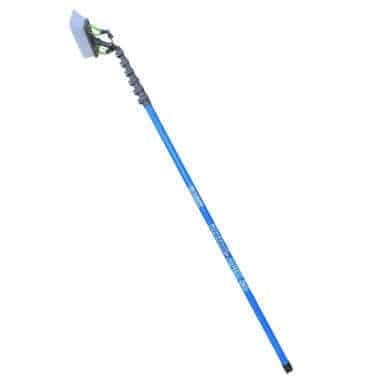 ProTool Apex Carbon Fiber Water Fed Pole SKU: 151-32M | 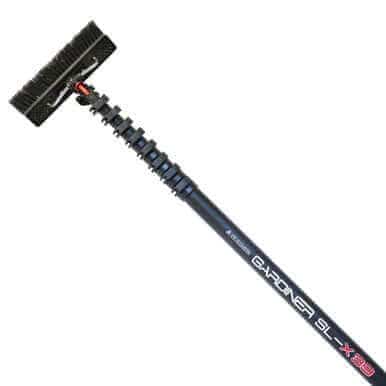 Gardiner SLX 39ft Tele Pole Carbon Complete SKU: 155-4391 | 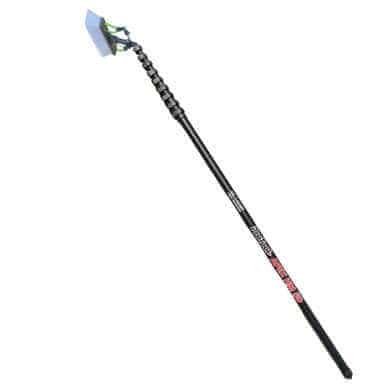 ProTool Apex Hi-Mod Carbon Fiber Pole SKU: 151-3502 |
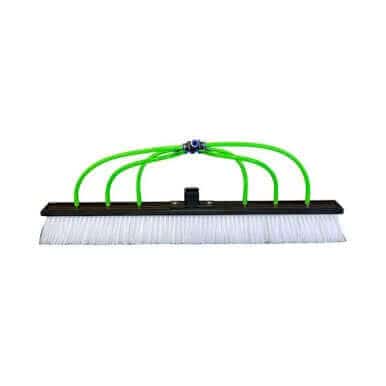 24in Solar Brush White Bristle SKU: 159-300M | 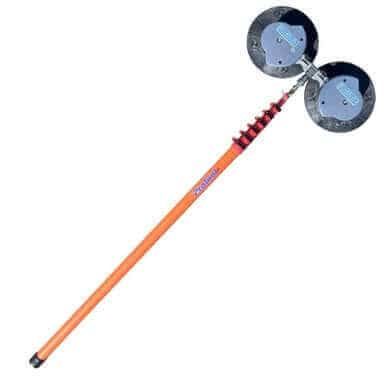 ProTool DualForce 25 Solar Brush SKU: 159-206 | 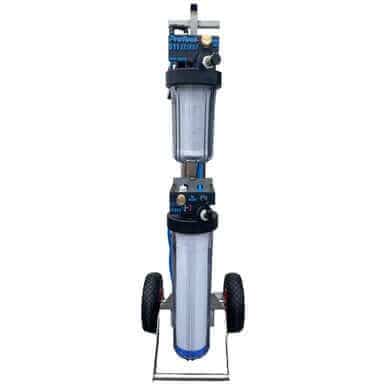 ProTool 511 Pure Water Cart SKU: 150-0515 |
 ProTool HiFlo Pure Water Ultra Cart SS 12V or 110V SKU: 150-0522 | 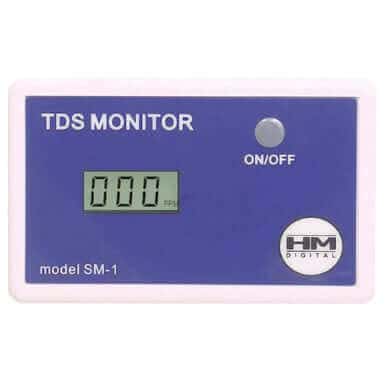 TDS Inline Meter - includes a 1/4 Tee SKU: 150-019 | 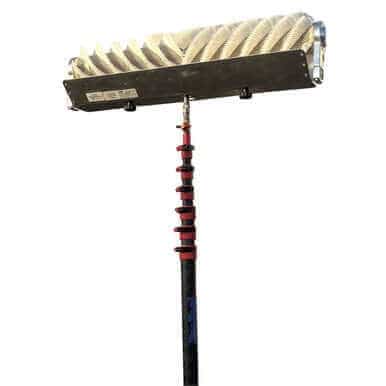 Rotary Solar Brush 32in Water Powered with 27ft ProTool Solar Pole SKU: 159-501 |
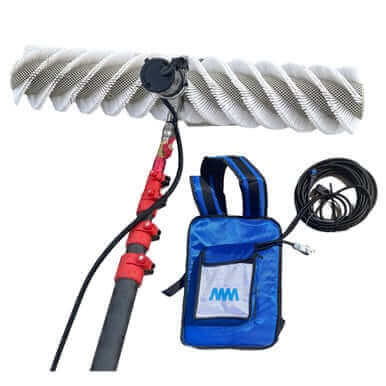 Solar32in Electric Brush NoPole SKU: 159-1210 | 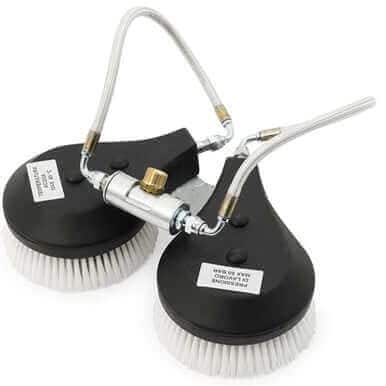 ProTool Counter Rotating Solar Brush 16in with Floating Brush System SKU: 159-132 | 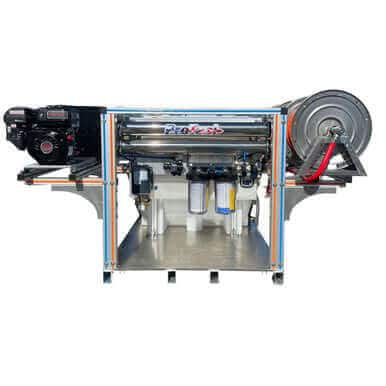 ProTool Ultimate Solar Skid SKU: 150-0494 |
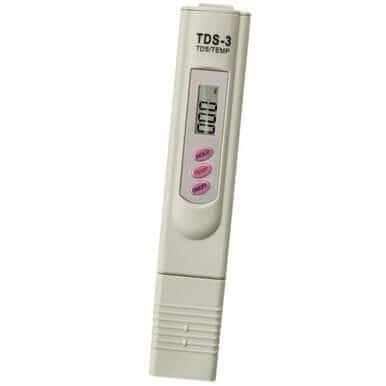 TDS Meter Handheld TDS-3 SKU: 150-0199 | 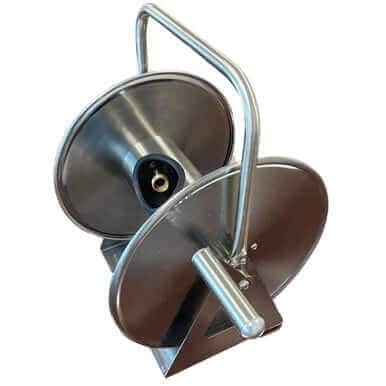 ProTool 10in wide Stainless Steel Reel SKU: 68-01 | 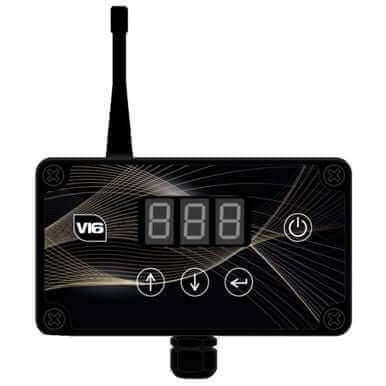 Pump Controller V16 WFP Link Long Range Remote Control 15 amp 12v SKU: 150-5452 |
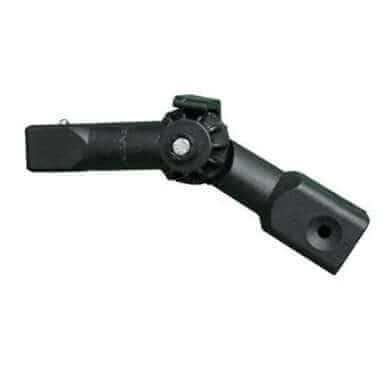 Gardiner Angle Adaptor Quick-LoQ Extender SKU: 157-4037 | 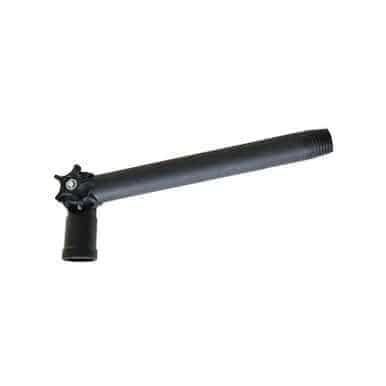 Angle Adaptor for EURO tip Water Fed Poles SKU: 157-41M |