Water Fed Pole Maintenance: Keep Your Carbon Fiber Earning for a Decade
Table of Contents
A carbon fiber pole can lose serious operational efficiency in a single season if you ignore basic wear patterns. Sections slip at 40 feet, clamp levers lose tension, grit scores the resin — and suddenly your most expensive tool is a liability. Water fed pole maintenance protects the structural integrity of that investment and keeps you off the ground troubleshooting when you should be cleaning glass.
This guide covers the exact maintenance routines and troubleshooting steps that turn a two-year tool into a decade-long asset: clamp service, carbon fiber surface treatment, hose management, and the spare parts inventory every truck needs.
Why Water Fed Pole Maintenance Pays You Back Daily
A worn $5 clamp bolt or a $12 plastic lever fails mid-job and ends a $500+ workday. You can't finish the glass without the pole, and you can't fix the pole without parts sitting back at the shop. Daily inspection costs five minutes. Skipping it gambles your revenue against a few cents of plastic and nylon.
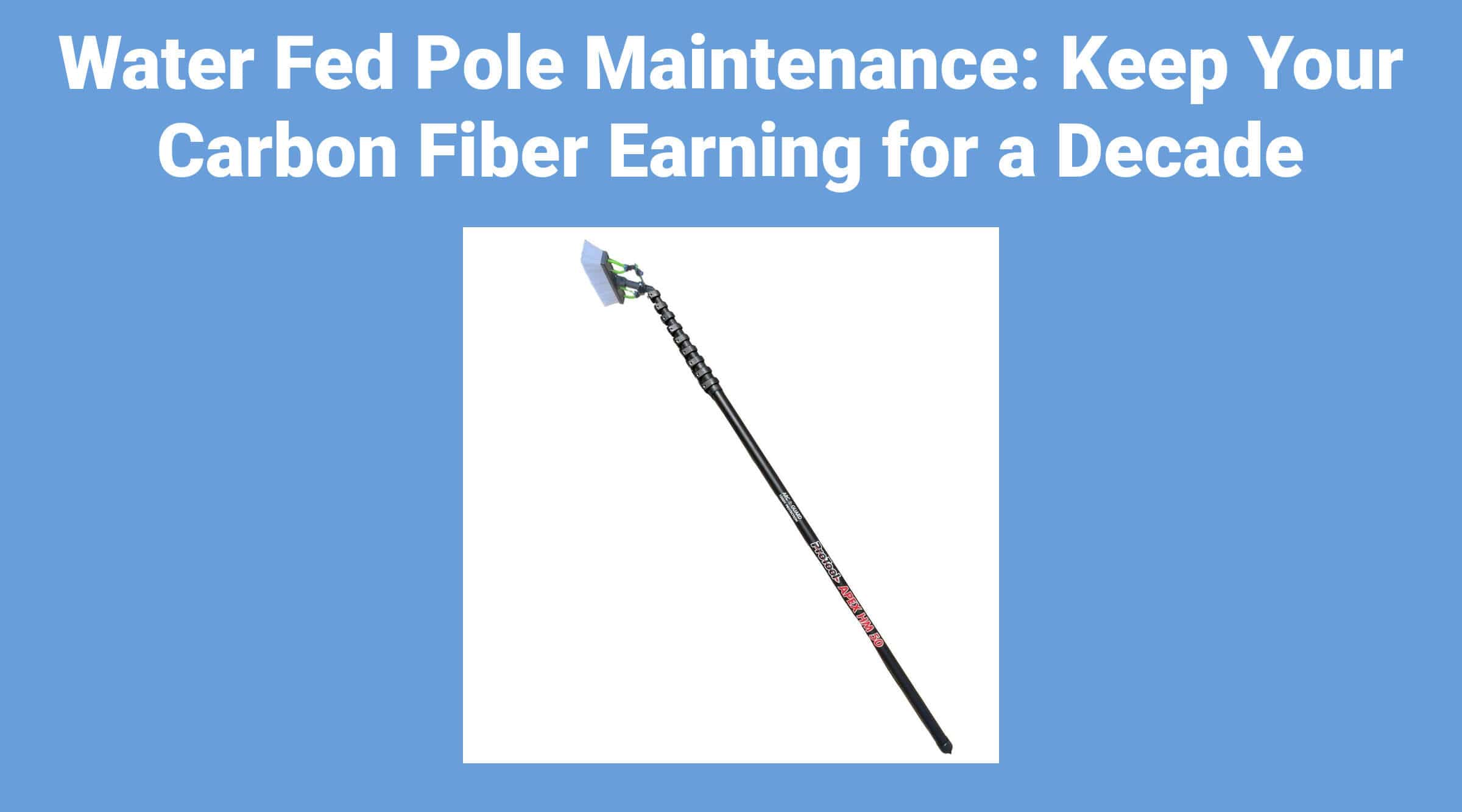
Material choice dictates your maintenance strategy. Aluminum handles abrasion well but corrodes if left damp in a van overnight. Carbon fiber — especially high-modulus variants like the ProTool Apex Hi-Mod or Gardiner SLX — demands a more technical approach. High-mod fibers are stiff and light, but sensitive to lateral crushing and internal grit. Sand grains trapped between sections grind down the resin like sandpaper. Wipe every section as you collapse the pole so no debris enters the housing.
The ROI of Proactive Care
A well-maintained carbon fiber pole lasts 5+ years of daily use. A neglected one often fails within 18 months. Smooth-sliding sections reduce physical fatigue noticeably over a 10-hour shift — you move faster and finish more houses. Gear in top condition also retains roughly 70% of its resale value, which funds your next upgrade.
Water Quality and Pole Health
Pure water is chemically aggressive — it lacks minerals and pulls them from its environment. But if your RO/DI system underperforms, high-TDS water deposits minerals inside pole sections and on clamp seals, creating friction and seal leaks. Rinse internal hoses weekly to prevent algae or biofilm that clogs brush jets. Monitor your output with an inline TDS meter so problems show up on a display before they show up on the glass.
Key Components to Monitor
Carbon Fiber Wear Patterns
After 24 months of heavy sun exposure, many carbon fiber poles show "ghosting" — a dull, whitish finish indicating UV degradation of the epoxy resin. When you see it, structural integrity is declining. Inspect the bottom 6 inches of each section for vertical hairline cracks, which occur when a tech ignores overlap markers. Maintain at least 12 inches of overlap between sections to prevent the leverage from snapping the tube under lateral load.
The base section takes the most abuse — contacting concrete and asphalt dozens of times daily. A cracked butt ring lets dirt enter the entire assembly and accelerates internal wear through friction. Replacement end caps from Gardiner are cheap insurance.
Clamps, Levers, and Bolts
Clamps rely on specific tension to hold sections without crushing the carbon. A single grain of sand between clamp and pole acts like 80-grit sandpaper every extension cycle, scoring the carbon until it eventually snaps. Bolt-on systems — like Gardiner Smart Clamps — allow field repairs and tension adjustment. If a lever feels mushy or doesn't snap shut with a distinct click, the tensioner bolt needs adjustment. Quarter-turn increments only. Over-tightening causes stress fractures in the clamp housing or the pole itself.
Hose Management
Internal hoses are protected from UV and snags but prone to hidden kinks that cut flow 25% or more. External hoses swap in 30 seconds but catch on shingles and gutters. Either way, check push-fit connectors for leaks weekly. A leaking connector drops brush-head pressure and kills agitation effectiveness.
Brush and Jets
After six months of consistent use, nylon bristles splay and lose scrubbing power. Check pencil or fan jets for mineral blockages — especially in high-TDS areas. A quick soak in mild descaling solution usually restores full performance. When cleaning can't fix the wear, replacement ProTool brushes or Gardiner Ultimate brushes keep you working.
The Master Maintenance Schedule
Daily: The 5-Minute Reset
- Wipe as you collapse. Hold a clean microfiber cloth around each section and pull the pole through it. Particles as small as 50 microns score the protective resin. In coastal areas, this removes salt spray that corrodes metal clamp components.
- Brush inspection. Check the brush head for trapped pine needles, thorns, or metal shards. A 2mm piece of debris can permanently scratch client glass.
- Hose coiling. Coil in large 3-foot loops or use the over-under technique. Tight coiling creates memory kinks that reduce flow 15–20% and cause snags on the job.
- Clamp check. Confirm each lever snaps shut with firm resistance.
Weekly
- Test clamp tension on every section. If a clamp feels loose, tighten the tension screw one quarter-turn. Never more than two quarter-turns — if it still slips, the bolt isn't the problem.
- Inspect the full pole length for ghosting or surface damage.
- Check all hose connectors for leaks under pressure.
- Flush internal hose lines with clean water to prevent biofilm.
Monthly: Deep Clean and Inspection
Disassemble every section. Wash interiors and exteriors with warm, soapy water to remove the internal slurry that builds up from water leaking past top seals. After drying, check hose jackets for bubbling or thinning near the pole base where friction is highest.
Lubrication: Use dry PTFE-based lubricant only on overlapping sections. Never silicone or oil-based sprays — they attract dust and create a paste that seizes sections. A light PTFE application reduces extension friction noticeably and prevents binding in high-heat conditions.
Creep test: Extend the pole to full height against a wall. Apply firm downward pressure to the top section. If it slides more than 2mm, the clamp or internal shim needs replacement.
Off-season storage: Ensure the pole is completely dry. Store horizontally in a climate-controlled space. Carbon fiber resins become brittle below freezing over extended periods. Vertical storage works if the base is cushioned.
Troubleshooting: Sticky Sections and Slipping Clamps
Fixing Jammed Sections
Soap residue causes most jams. Surfactants from cleaning solutions or nearby pressure washing drift into the sections, evaporate, and leave a tacky film that acts like adhesive. The fix: mix 2 oz of grease-cutting dish soap into 5 gallons of 110°F water and submerge the jammed sections for 20 minutes. Once they move, scrub interior and exterior surfaces with a non-abrasive pad, then apply dry PTFE lubricant to the male ends only.
Clamp Tensioning
Nylon clamps lose grip over time from material fatigue and debris buildup. Follow the quarter-turn rule: tighten 90° at a time. If the section still slips after two quarter-turns, the internal shim is worn — shims lose roughly 0.5mm of thickness over 12 months of heavy use, and that gap prevents adequate friction. Replacement Gardiner clamp assemblies and ProTool clamps are stocked by section number.
If levers won't stay closed during high-reach work, check for grit inside the lever cam. A single grain of sand can prevent the lever from reaching its locking point. Clean with compressed air or a small brush.
Hose Issues and Structural Cracks
If flow rate drops, check push-fit connector O-rings first — they typically fail after roughly 500 connection cycles. For internal routing, a puncture means disassembling the entire pole. Stock spare ProTool water fed hose on the truck for quick swaps.
Hairline cracks under 3 inches can be repaired with a carbon fiber repair sleeve and high-strength epoxy (DP420 or equivalent). Apply epoxy, slide the sleeve over the crack, cure 24 hours at room temperature. This buys 18–24 months of additional life. Anything longer than 3 inches — replace the section.
Building Your On-Site Repair Kit
A solo operator losing even one hour to a missing part costs $75–$125 in billable revenue. Stock these in the truck:
- Spare pole hose: At least 50 ft of ProTool WFP hose. Swapping a full line is faster than patching mid-job.
- Push-fit connectors: 5/16" and 8mm sizes. Most frequent fail point due to pressurized movement and UV exposure.
- Spare brush jets: Four pencil jets, four fan jets. Replacing a clogged jet beats field descaling.
- Gooseneck adapter: A backup Gardiner gooseneck or euro-tip angle adapter keeps you reaching difficult overhangs.
- Hex keys: The correct sizes for your clamp bolts (commonly 3mm and 4mm).
- Replacement clamps: At least two complete assemblies for your pole brand.
- Dry PTFE lubricant.
- Microfiber cloths.
When to Replace the Pole
Even with meticulous maintenance, every pole has a lifespan. If you notice increasing flex, visible "blooming" where carbon strands become exposed, or persistent vibration at extension, it's time. Standard carbon fiber handles residential work under 35 feet well. For commercial contracts at 50 feet or higher, high-modulus carbon — like the ProTool Apex Hi-Mod or Gardiner Ultimate HM-Kevlar — delivers the rigidity needed for brush control at extreme heights. Both systems allow section-by-section replacement, so a single damaged section doesn't force a full system purchase.
Products Mentioned
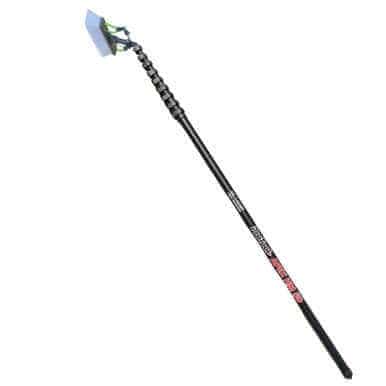 ProTool Apex Hi-Mod Carbon Fiber Pole SKU: 151-3502 | 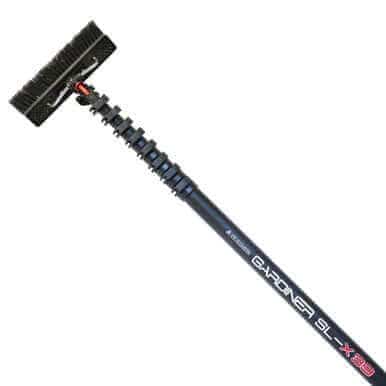 Gardiner SLX 39ft Tele Pole Carbon Complete SKU: 155-4391 | 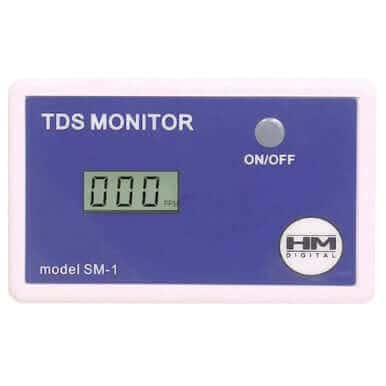 TDS Inline Meter - includes a 1/4 Tee SKU: 150-019 |
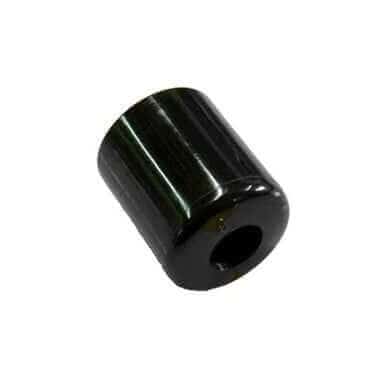 Gardiner End Cap Replacements SKU: 155-48M | 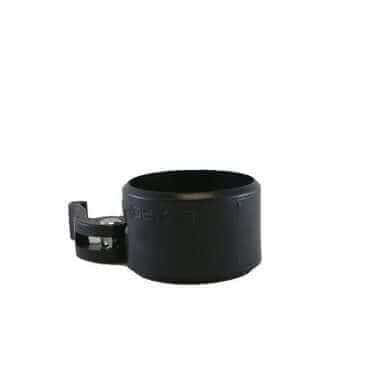 Gardiner Clamp #10 Complete for Poles SKU: 155-4101 | 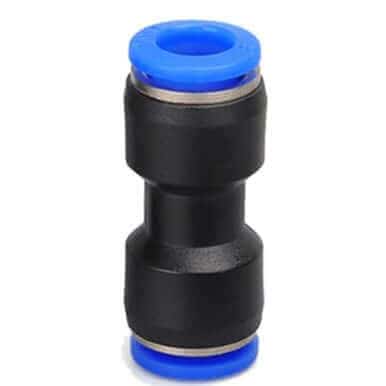 ProTool 5/16 Push Fit Union Connector SKU: 150-1686 |
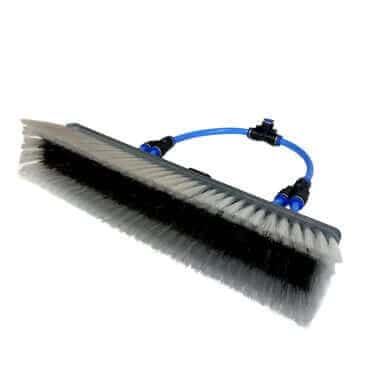 ProTool 4 Pencil-Jet Hybrid Brush 12in SKU: 151-211 | 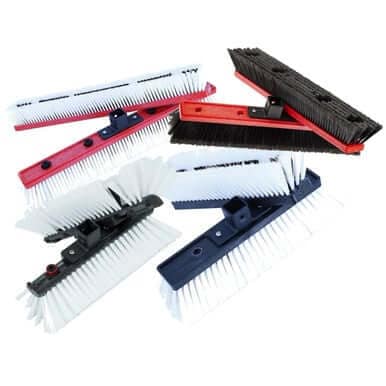 Gardiner Brush Ultimate Series SKU: 158-41M | Gardiner Clamp #10 Complete for Poles SKU: 155-4101 |
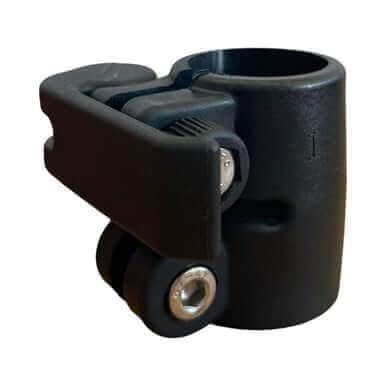 No 1 Clamp ProTool SKU: 151-461 | 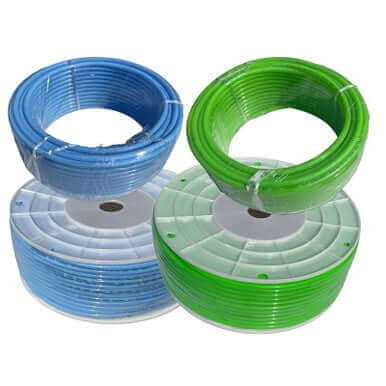 ProTool Water Fed Hose SKU: 151-02M | ProTool Water Fed Hose SKU: 151-02M |
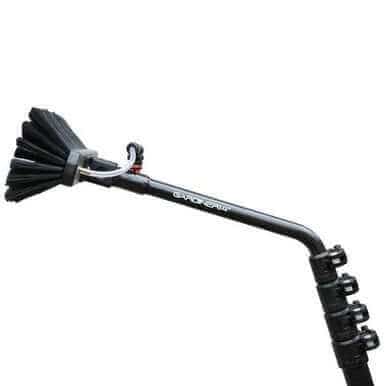 Gardiner Gooseneck Carbon 14in 55deg Quick-Loq SKU: 157-4053 | 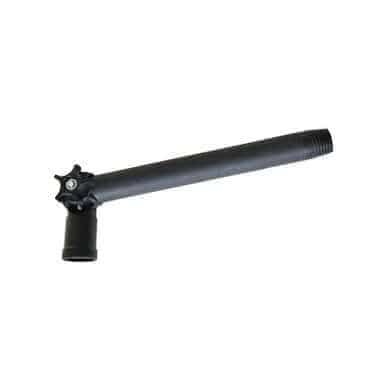 Angle Adaptor for EURO tip Water Fed Poles SKU: 157-41M | ProTool Apex Hi-Mod Carbon Fiber Pole SKU: 151-3502 |
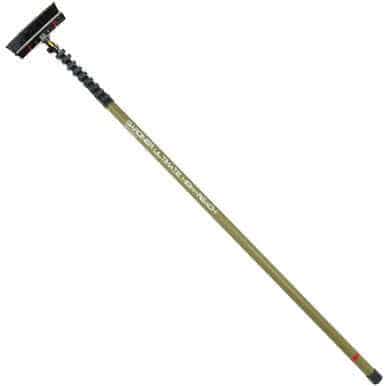 Gardiner Ultimate 57ft Tele Pole HM Carbon Kevlar SKU: 155-4467 |