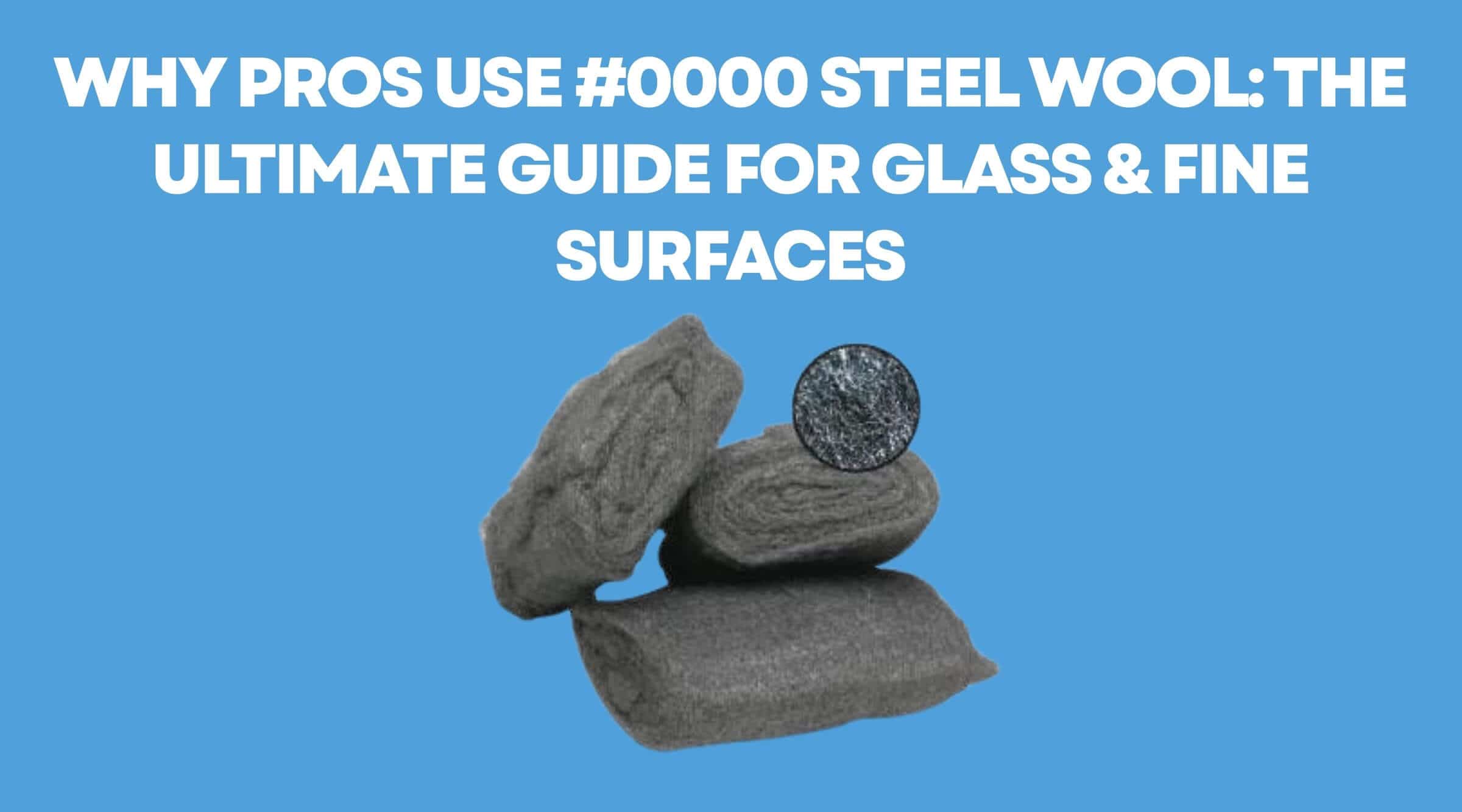
Why Pros Use #0000 Steel Wool: The Ultimate Guide for Glass & Fine Surfaces
Table of Contents
- Key Takeaways
- What is #0000 Steel Wool and Why is the Grade Critical?
- The Pro's #1 Use Case: Cleaning Glass Without Scratches
- Beyond Windows: Other Professional Uses for #0000 Steel Wool
- Critical Safety & Handling: How to Use #0000 Steel Wool Correctly
- When NOT to Use #0000 Steel Wool & Key Alternatives
- The Professional's Verdict on #0000 Steel Wool
- FAQs
The thought of taking steel wool to a client's expensive plate glass can make even a seasoned professional hesitate. The risk of a costly scratch seems too high. Yet, for elite cleaners and detailers, super fine 0000 steel wool is not a liability-it's an essential, high-performance tool for achieving flawless results. It’s the secret weapon for safely removing stubborn hard water stains, paint overspray, and baked-on debris from glass and polished metal without leaving a mark, when used correctly.
This ultimate guide provides the professional-grade knowledge you need to use this tool with total confidence. We will detail the exact techniques for using #0000 steel wool on delicate surfaces, explain why grade selection is critical, and show you how to pair it with the right lubricant for a perfect finish. You'll also learn when to choose an alternative, ensuring you have the right solution for every demanding job. Get ready to add one of the most versatile and effective tools to your cleaning arsenal.
Key Takeaways
- Learn the professional technique for using 0000 steel wool to remove tough deposits from glass surfaces without leaving scratches.
- Understand the critical differences in steel wool grades to ensure you always select the correct abrasive power for the job.
- Discover versatile applications for super-fine steel wool, including polishing metals and preparing surfaces for professional finishing.
- Identify the specific surfaces where steel wool should never be used and learn the best professional-grade alternatives to avoid costly damage.
What is #0000 Steel Wool and Why is the Grade Critical?
For professionals in the cleaning and restoration trades, selecting the right tool is non-negotiable. Steel wool, a mass of fine, flexible steel filaments, functions much like sandpaper for hard surfaces. Its effectiveness is determined entirely by its grade, which dictates the level of abrasion. Using the wrong grade can permanently damage a surface, while the right one delivers a flawless, professional finish.
To see the practical applications of this material, the following overview is a valuable resource:
Understanding the Grading System
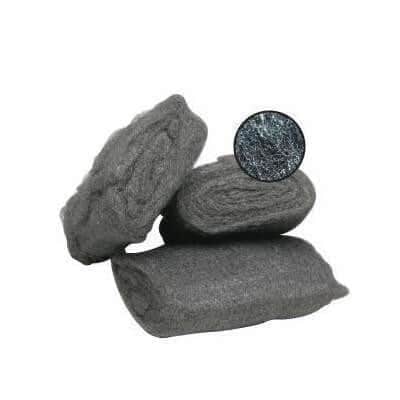
The steel wool grading system ranges from #4 (Coarse) for heavy-duty stripping to #0000 (Super Fine) for delicate polishing. Each grade is engineered for a specific task, and understanding the different Steel wool grades and uses is critical to avoid surface damage. For professionals working on glass, only the finest grade delivers the required performance without risk.
- Grade #3 (Coarse): Engineered for heavy-duty paint and varnish stripping from rugged surfaces.
- Grade #1 (Medium): A versatile grade for general purpose cleaning, removing rust, and surface preparation.
- Grade #00 (Fine): Used for smoothing shellac or varnish between coats and cleaning delicate metalwork.
- Grade #0000 (Super Fine): The ultimate polishing and finishing grade. Its ultra-fine filaments are ideal for removing stubborn deposits from glass, chrome, and porcelain without scratching.
#0000 Steel Wool vs. Common Kitchen Sponges
It is a critical error to confuse professional-grade 0000 steel wool with common kitchen scouring pads like Brillo or S.O.S. Household pads are significantly coarser and are often impregnated with soap, designed for aggressive scouring on pots and pans. Attempting to use these on glass will inevitably lead to scratches, haze, and costly damage. Professional super-fine wool is a pure, delicate abrasive engineered for precision cleaning, not brute-force scrubbing.
The Pro's #1 Use Case: Cleaning Glass Without Scratches
The primary concern for any professional approaching glass with an abrasive is simple: causing scratches. However, when used correctly, 0000 steel wool is one of the safest and most effective tools for restoring glass. The science is straightforward-on the Mohs scale of mineral hardness, most modern glass rates between 5.5 and 7, while the iron used in steel wool rates only a 4. It is physically softer than the glass it is cleaning.
The real risk of scratching comes not from the wool itself, but from abrasive grit-like sand or construction debris-that gets trapped between the wool and the glass. This is why proper technique is non-negotiable. For a professional, this tool provides the perfect level of mechanical abrasion to shear off stubborn organic and mineral deposits that chemical cleaners alone cannot dissolve. It is the go-to solution for removing:
- Tough hard water stains and mineral buildup
- Paint overspray and varnish specks
- Bug residue and environmental grime
- Sticker adhesives and caulk residue
Technique for Flawless Glass Cleaning
Executing the job without damaging the surface requires a professional, systematic approach. Always test on a small, inconspicuous area first. For pristine results, follow these essential steps:
- Start with a clean, wet surface. First, wash the window to remove loose dirt and abrasive grit. The glass must remain wet throughout the process.
- Use a lubricant. A quality slip solution, like soapy water or your preferred window cleaning concentrate, is crucial to reduce friction.
- Apply light, even pressure. Let the tool do the work. Use light, consistent pressure in circular or straight, overlapping strokes.
- Rinse frequently. Regularly rinse both the glass surface and the steel wool pad to flush away dislodged debris and prevent it from scratching the glass.
Removing Stubborn Hard Water Stains
Hard water spots, which are concentrated calcium and magnesium deposits, are notoriously difficult to remove with standard chemical sprays. These minerals bond tightly to the glass surface. Using 0000 steel wool provides the necessary mechanical action to gently break down and lift these deposits without damaging the glass. For maximum efficiency on severe staining, pair the wool with a specialized, professional-grade liquid remover. This combination dissolves and physically lifts the minerals for a complete restoration. Shop our professional-grade hard water removers.
Tackling Paint Overspray and Adhesives
For removing fine paint overspray, latex drips, or sticker residue, 0000 steel wool is a superior and safer alternative to a razor blade. Unlike a blade, which can easily gouge or chip the glass if used at the wrong angle, the wool's fine fibers gently lift specks of paint from the surface. While there are many household uses for steel wool, its gentle abrasive power is particularly valued by pros for these delicate tasks. When paired with a safe solvent, it is also highly effective at balling up and removing stubborn adhesive residue without leaving micro-scratches.
Beyond Windows: Other Professional Uses for #0000 Steel Wool
While its performance on glass is unmatched, the true value of #0000 steel wool is its versatility. For the professional on a job site, having a multi-purpose tool that delivers high-performance results without damaging surfaces is essential. This professional-grade abrasive is a low-cost, indispensable item in any toolkit, providing solutions for polishing, preparation, and cleaning tasks that go far beyond standard window cleaning.
Polishing Metal Surfaces
The ultra-fine texture of 0000 steel wool is ideal for restoring the luster to various metal fixtures without harsh chemical abrasives. It effectively removes light oxidation, water spots, and grime from surfaces like:
- Chrome bathroom and kitchen fixtures
- Aluminum window frames and trim
- Brass door handles and decorative elements
For a true mirror finish, use it with a small amount of a quality metal polish as a lubricant. This combination lifts contaminants and polishes the surface in a single, efficient step, restoring a like-new shine.
Surface Preparation for Finishes
Beyond cleaning, this fine-grade steel wool is a superior tool for finishing work. In woodworking, it’s used to de-whisker wood between coats of varnish or polyurethane, knocking down raised grain to create an exceptionally smooth surface. It can also be used to gently dull a high-gloss finish to a more desirable satin look. This process creates a subtle micro-profile on the surface, which improves adhesion for subsequent coats of paint or sealant.
Stain and Scuff Removal
The gentle abrasive quality of #0000 steel wool makes it a go-to for delicate removal tasks. It can carefully lift minor scuff marks from certain types of tile and durable stone flooring. For equipment maintenance, it’s an effective solution for removing light surface rust from hand tools and metal components. When used with lemon oil or mineral spirits, it can even remove stubborn watermarks and rings from finished wood furniture. Important: Always test on a small, inconspicuous area first to ensure compatibility with the surface material.
Critical Safety & Handling: How to Use #0000 Steel Wool Correctly
Achieving professional-grade results requires adherence to professional safety protocols. While 0000 steel wool is a high-performance tool for glass restoration and cleaning, its composition presents two critical risks that every technician must manage: rust contamination and flammability. Mastering its use means mastering its handling to protect both the property you're working on and yourself. Overlooking these steps is not an option for a serious professional.
Preventing Rust Stains and Contamination
Steel wool is composed of fine steel filaments that shed microscopic fibers during use. If these metal particles are left behind on a surface-especially porous materials like unsealed window frames, concrete sills, or caulking-they will oxidize and create small, stubborn rust stains that are difficult to remove. To prevent this, always follow a strict cleanup procedure: thoroughly rinse the glass and surrounding areas after scrubbing. For maximum efficiency, cut off a small, single-use piece for the job and discard it immediately after. Always store your bulk supply in a sealed, dry bag or container to prevent premature rust and contamination.
Fire Hazard Warning
The extremely fine fibers of steel wool give it a massive surface-area-to-volume ratio, making it highly flammable. A single spark from static electricity, a nearby power tool, or direct contact with an electrical source can cause it to ignite instantly. The classic science experiment of touching steel wool to a 9V battery terminal demonstrates how easily it can combust. Therefore, it is absolutely critical to never use 0000 steel wool near electrical outlets, batteries, live wires, or any open flame. Dispose of used pieces responsibly in a non-combustible container away from other flammable materials.
Personal Protective Equipment (PPE)
Proper PPE is non-negotiable when handling any abrasive material on a job site. These essential items protect you from common and preventable injuries.
- Protective Gloves: Always wear durable, well-fitting work gloves. This is the best way to prevent sharp, microscopic metal splinters from embedding in your skin, which can cause significant irritation or infection.
- Safety Glasses: Eye protection is mandatory. When scrubbing vigorously, tiny steel fibers can become airborne and cause serious damage if they enter your eyes.
- Dust Mask: A dust mask is strongly recommended when working overhead or in enclosed spaces for extended periods to prevent the inhalation of fine metallic particles.
Ensure your crew is properly outfitted with the best safety gear. You can find a complete selection of professional-grade PPE and fall protection essentials at J Racenstein.
When NOT to Use #0000 Steel Wool & Key Alternatives
While an indispensable tool for standard glass, knowing the limitations of 0000 steel wool is what separates a professional from an amateur. Using it on the wrong surface can lead to irreversible damage and costly client disputes. A true professional understands when to leave the steel wool in the truck and reach for a specialized alternative.
Surfaces to Absolutely Avoid
The fine abrasive quality of grade #0000 steel wool is its greatest strength, but it can also be its biggest liability. To prevent permanent damage, avoid using it on the following surfaces without exception:
- Coated and Treated Glass: This includes tinted films, mirrored surfaces, and low-emissivity (Low-E) glass. The abrasive action will strip these delicate factory coatings, ruining the window's appearance and thermal performance.
- Plastics and Acrylics: Materials like Plexiglas or Lexan are much softer than glass. Steel wool will immediately dull and scratch these surfaces, creating a hazy finish that cannot be polished out.
- Stainless Steel Appliances: Many modern appliances have a protective oleophobic (anti-fingerprint) coating. Steel wool will damage this layer and can leave behind microscopic steel particles that will rust, causing unsightly stains.
The professional's golden rule: When in doubt, always test on a small, inconspicuous area first before proceeding with the entire surface.
Professional Alternatives: Bronze Wool & White Pads
For sensitive jobs where steel is too aggressive, seasoned professionals turn to superior, non-ferrous alternatives. These tools provide effective cleaning power without the risk of scratching or rust staining.
Bronze wool is the premium choice, especially in marine environments or areas with high humidity. It is softer than steel wool and, critically, it will not rust. This completely eliminates the risk of leaving behind metal fragments that can later oxidize and stain glass, frames, or surrounding surfaces. For delicate but stubborn debris on high-performance glass, bronze wool is the go-to solution.
Another essential tool is the non-abrasive white scrub pad. These pads are designed for safe, effective cleaning on a wide range of sensitive materials, offering reliable performance without the risk of scratching. They are an excellent choice for general cleaning on coated glass or other delicate surfaces.
Equip your team with the right tools for every scenario. Explore our Bronze Wool and Scrub Pad options here to ensure you're prepared for any job.
The Professional's Verdict on #0000 Steel Wool
Ultimately, the effectiveness of this versatile tool comes down to selecting the correct grade and using the proper technique. As we've detailed, the ultra-fine nature of 0000 steel wool is precisely why professionals rely on it for restoring perfect clarity to glass and other delicate surfaces without causing scratches. From removing tough mineral deposits on windows to polishing fine metalwork, its value is unmatched when handled with expertise. Remembering the critical safety guidelines and its limitations is the final step to mastering its use in your daily operations.
When your reputation depends on flawless results, using professional-grade supplies is non-negotiable. Stock your toolkit with high-performance #0000 Steel Wool from J. Racenstein today. Trusted by cleaning professionals for decades, we deliver the durable tools you need with fast shipping on all essential supplies. If you have questions, our experienced team is always available to provide expert advice.
Elevate your work and deliver the exceptional quality your clients expect.
FAQs
Will 0000 steel wool scratch automotive glass or window tint?
Professional-grade 0000 steel wool is safe for use on most automotive glass when paired with a proper lubricant and will not cause scratches. However, it must never be used on window tint. Tint is a delicate film applied to the interior of the glass, and the abrasive fibers will immediately shred and ruin the film. Always confirm a window is not tinted before beginning work and perform a spot test in an inconspicuous area.
What is the difference between 0000 steel wool and bronze wool?
The primary operational difference is material composition. Steel wool is made from fine steel filaments and will rust if exposed to moisture, leaving potential stains. Bronze wool is composed of a softer, non-ferrous alloy that does not rust, making it the superior choice for marine applications or environments with high humidity. While both offer excellent cleaning power, bronze wool provides an extra layer of protection against rust staining on the job.
How should I store my steel wool to prevent it from rusting?
Proper storage is critical to maximize the lifespan of your steel wool and prevent rust. The key is eliminating moisture. Store pads in a sealed, airtight container, such as a heavy-duty plastic bag or a dedicated storage bin. For optimal protection, add a desiccant pack to the container to absorb any ambient humidity. Always ensure the wool is completely dry before storing it after use to prevent corrosion between jobs.
Is 0000 steel wool safe to use on stainless steel sinks or appliances?
We do not recommend using steel wool on stainless steel surfaces. While the "0000" grade is extremely fine, it can alter the grain or brushed finish of the appliance. More importantly, microscopic steel particles can break off and embed in the surface, leading to rust spots over time. For cleaning stainless steel, professionals should always opt for non-abrasive tools like microfiber cloths or specialized non-scratch pads to maintain the factory finish.