How to Wash and Dry Microfiber Towels

Table of Contents
- Why Microfiber Towels Are Different
- Wash Microfiber Towels Separately
- Use Scent-Free, Liquid Detergent
- Avoid Heat When Drying
- Never Use Fabric Softeners
- Avoid Bleach
- How Often Should You Wash Microfiber Towels?
- Tips for Long-Lasting Microfiber Towels
- Common Mistakes to Avoid
- Shop Microfiber Towels:
- Product Embed | ProTool Towel Microfiber Green 16inx24in Pro
- Shop the collection:
- Conclusion
- FAQs
How to Wash and Dry Microfiber Towels for Window Cleaning
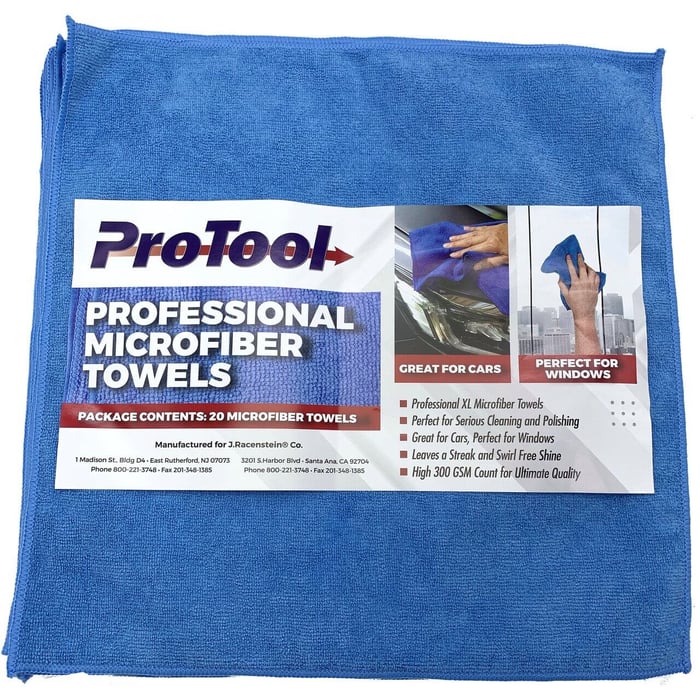
Microfiber towels are a staple in the professional window cleaner’s toolkit. Known for their incredible absorbency and streak-free performance, these towels are ideal for polishing glass, mirrors, and other delicate surfaces. However, to maintain their effectiveness and longevity, microfiber requires proper care. Washing and drying them incorrectly can ruin their ability to clean and may shorten their lifespan.
In this guide, we’ll walk you through everything you need to know about washing, drying, and maintaining towels for optimal performance.
Why Microfiber Towels Are Different
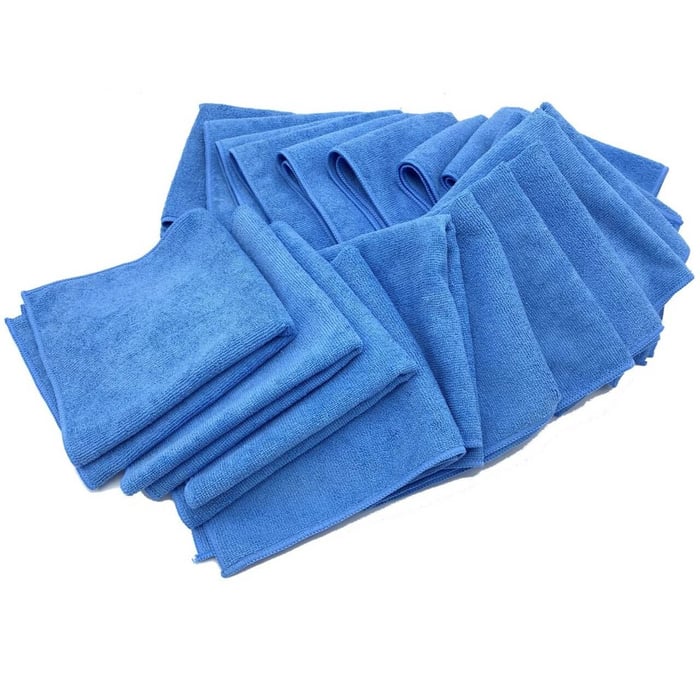
Microfiber is made from synthetic fibers, typically a blend of polyester and polyamide (nylon). These ultra-fine fibers create thousands of tiny “loops” and split ends, giving microfiber its unique cleaning power. The tiny fibers can trap dirt, dust, and liquid far better than cotton or traditional cloths.
Because of their static nature and delicate structure, microfiber towels cannot be treated like regular laundry. Washing them incorrectly can reduce their absorbency, leave streaks on glass, or even cause fibers to melt.
Wash Microfiber Towels Separately
One of the most common mistakes is washing microfiber with regular laundry. Microfiber is highly static and will attract lint from towels, sheets, and clothing, which defeats its purpose for cleaning glass.
Tips for washing separately:
Always dedicate one load for microfiber towels only.
Avoid washing with items that shed lint, like cotton or fleece.
Sort towels by use—separate heavily soiled towels from lightly used ones to avoid cross-contamination.
By washing these towels on their own, you ensure they stay free of particles that could scratch or streak glass surfaces.
Use Scent-Free, Liquid Detergent
Not all detergents are created equal when it comes to microfiber. Powdered detergents often don’t fully dissolve, leaving tiny granules trapped in the fibers. Additionally, detergents with perfumes or built-in fabric softeners can leave residues that reduce absorbency.
How to choose the right detergent:
Pick a liquid detergent that is unscented and free of fabric softeners.
Avoid detergents labeled “high-efficiency” if they contain additives that may leave residue.
Use the recommended amount—overloading detergent can make it harder to rinse clean.
Using a clean-rinsing, scent-free detergent ensures these towels remain absorbent and effective at removing dirt and water without leaving streaks.
Avoid Heat When Drying
Microfiber towels contain polyamide fibers, which are sensitive to high heat. Exposure to heat can cause the fibers to melt or stick together, effectively turning the towel into plastic and eliminating its absorbency.
Drying tips:
Air dry towels by hanging them up in a clean, ventilated space.
If you use a dryer, select a no-heat or low-heat setting.
Avoid over-drying, as this can also damage the fiber structure.
Proper drying preserves the towel’s split fibers, ensuring they maintain their ability to trap water and dirt.
Never Use Fabric Softeners
Fabric softeners coat fibers with a thin layer of chemicals designed to make fabrics feel softer and reduce static. Unfortunately, this coating repels water, which defeats the very purpose of these towels.
Why fabric softeners are harmful:
They clog the open pores in the microfiber.
Towels become less absorbent and less effective at cleaning glass.
Residue can leave streaks on polished surfaces.
Instead of softeners, rely on proper washing and gentle drying to keep your towels soft and effective.
Avoid Bleach
While bleach may seem like a good way to disinfect towels, it destroys the electric charge in the fibers. The electric charge is what allows microfiber to attract and trap dust, dirt, and liquid. Without it, the towel loses its cleaning power.
Best practices:
Do not use chlorine or oxygen bleach.
If you need to sanitize towels, wash them with hot water and an appropriate microfiber-safe detergent.
Preserving the electric charge in the fibers ensures towels continue to lift dirt, dust, and moisture efficiently.
How Often Should You Wash Microfiber Towels?
How frequently you wash microfiber towels depends on their use:
Glass cleaning: After every window cleaning job, rinse or wash towels to remove dirt, grime, and chemical residues.
Automotive or heavy soil use: Towels used on cars, machinery, or greasy surfaces should be washed immediately after use.
Light use: Towels used for dusting or lightly cleaning surfaces may be reused a few times but should be washed regularly to prevent buildup.
Regular washing prevents residue buildup, keeps towels hygienic, and ensures they remain streak-free.
Tips for Long-Lasting Microfiber Towels
Separate by task: Use specific towels for glass, vehicles, or general cleaning to avoid cross-contamination.
Rinse immediately after use: Removing debris before washing reduces wear on fibers.
Avoid ironing: Heat will damage microfiber fibers.
Use mesh laundry bags: Protects towels from friction in the washing machine.
Store properly: Fold or hang clean towels in a dust-free area to prevent contamination.
By following these tips, microfiber towels can last hundreds of washes, maintaining their cleaning performance for years.
Common Mistakes to Avoid
Mixing with cotton or lint-producing fabrics: Leads to trapped fibers and streaks.
Using scented or powdered detergents: Leaves residue that reduces absorbency.
Excessive heat drying: Melts fibers and damages towel structure.
Fabric softeners or bleach: Reduces water absorption and electric charge.
Avoiding these common errors is essential for keeping microfiber towels performing at their best.
Shop Microfiber Towels:
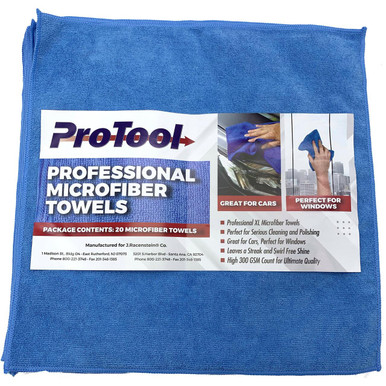
ProTool Blue MicroFiber Towel 20 Pack 16in x 16in
$16.50
ProTool MicroFiber Towels 20 pack Overview The ProTool MicroFiber Towels 20-Pack is the ultimate solution for all your detailing and cleaning needs. These premium blue...… read more
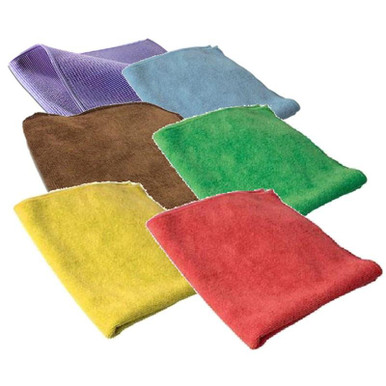
ProTool Microfiber Towel
$1.15
ProTool Microfiber Towel - Professional Lint-Free Detailing Cloth Engineered for window pros and detailers - this premium microfiber towel uses split-fiber technology to trap dirt,...… read more
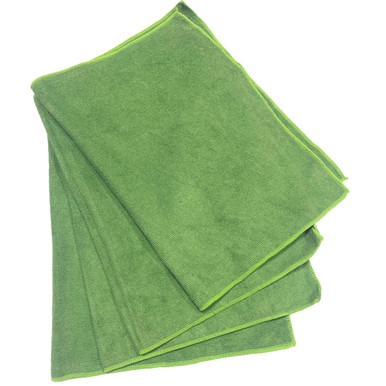
ProTool Towel Microfiber Green 16inx24in Pro
$1.35
Towel Microfiber Green 16in x 24in Pro
Overview:
These high-quality towels are designed to tackle any cleaning task with efficiency and ease.
Perfect for both...… read more
ProTool Towel Microfiber Green 16inx24in Pro
$1.35
Towel Microfiber Green 16in x 24in Pro Overview: These high-quality towels are designed to tackle any cleaning task with efficiency and ease. Perfect for both...… read more
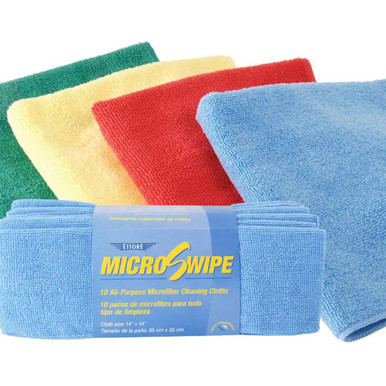
Ettore MicroSwipe Microfiber Towel 10 Pack
$11.00
Ettore MicroSwipe Microfiber Towel 10 Pack The Ettore MicroSwipe Microfiber Towel 10 Pack offers an exceptional cleaning solution for professionals and homeowners alike. Designed to...… read more
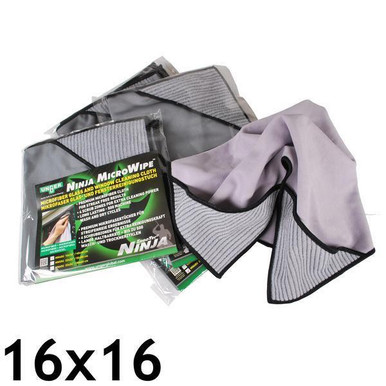
Microwipe 16x16 Ninja Pocket Towel
$8.90
16in x 16in cleaning towel,A great combination of Microfiber towel material and scrubbing power in the pocket corners. This cleaning towel is Ninja strong. The...… read more
Shop the collection:
https://jracenstein.com/microfiber-towels/
Shop All:
Conclusion
Microfiber towels are a critical tool for window cleaners, car detailers, and anyone who needs streak-free, absorbent cloths. However, their effectiveness depends on proper care. Always wash and dry them separately, use scent-free liquid detergent, avoid heat, bleach, and fabric softeners, and rinse thoroughly.
By following these best practices, you can:
Extend the life of your towels.
Maintain maximum absorbency and cleaning power.
Prevent streaks, haze, and lint on glass or other surfaces.
Save money by avoiding premature replacement of towels.
Proper microfiber care is a simple but essential part of professional cleaning. Treat your towels right, and they will reward you with flawless, streak-free results every time.
FAQs
Can I wash microfiber towels with regular laundry?
No. Microfiber attracts lint from other fabrics. Always wash towels separately to maintain their absorbency and streak-free performance.
What type of detergent should I use?
Use a scent-free liquid detergent without fabric softeners or perfumes. Powdered detergents can leave residue in the fibers.
Can I use bleach on microfiber towels?
No. Bleach destroys the electric charge in the fibers, reducing their ability to pick up dirt and water effectively.
Can I use fabric softeners?
No. Fabric softeners coat fibers and repel water, which reduces the towel’s effectiveness on glass or other surfaces.
How often should I wash microfiber towels?
After every window cleaning job or heavy use. Light-use towels can be reused a few times but should still be washed regularly to maintain performance.