null

► J.Racenstein

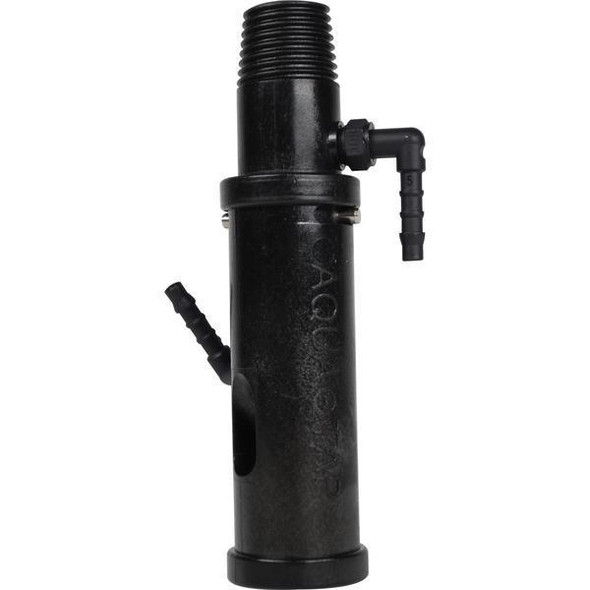
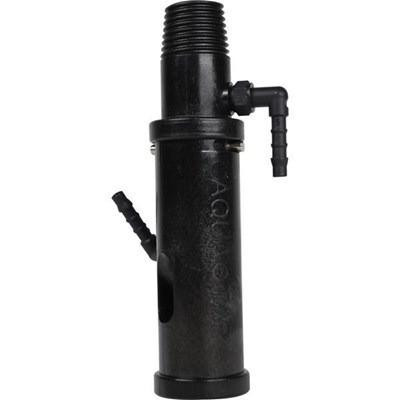
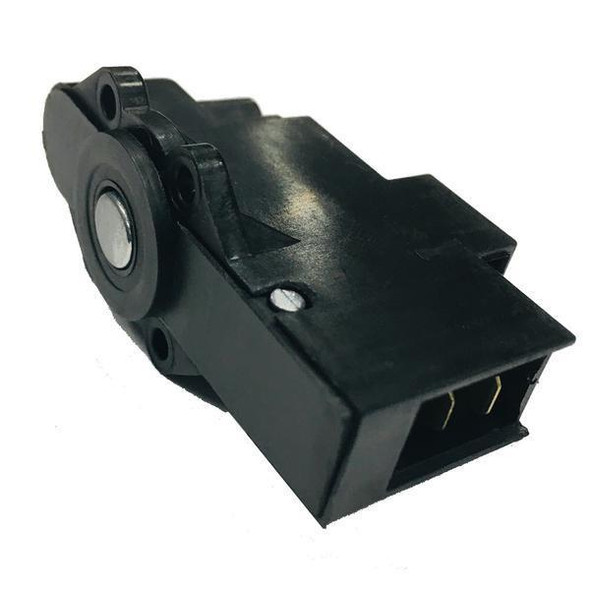
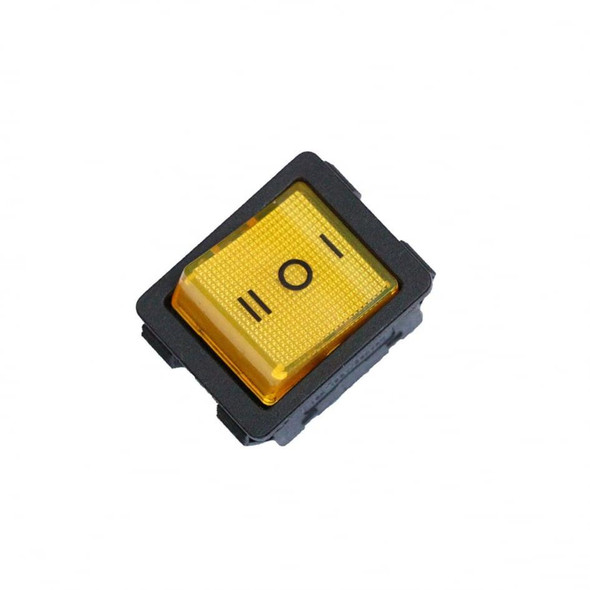
UniValve on/off switch for WFP with crimps

$119.25
UniValve on/off switch for WFP with crimps
SKU:
157-4000
UPC:
00669893025097
MPN:
<-- KIT -->
Availability:
Current Stock:

Frequently Bought Together:

UniValve on/off switch for WFP with crimps
Inc. Tax
Ex. Tax

Description

Hose-Operated UniValve – Effortless Water Control for Water Fed Poles

Simplify your cleaning process with the Hose-Operated UniValve, designed to provide instant water flow directly at the brush head. This lightweight, 18g inline valve makes it easier than ever to control your water supply—just pull the hose to switch it on or off.

Perfect for use with water fed poles, the UniValve eliminates the hassle of manual valves and tangled hoses at your feet. Its invisible design sits discreetly inside the pole, providing a seamless, efficient setup.

Key Features:

  • Instant water control at the brush head with a simple hose pull
  • Super lightweight at only 18g for enhanced portability
  • Easy to install in the top or #1 section of your water fed pole
  • Secure tubing with provided clamps and crimps for a stable, reliable connection

The UniValve is designed to integrate smoothly with your existing tubing, offering a streamlined solution for water fed pole systems. Just install it about 2 feet from the top, and enjoy hands-free water control without the clutter.

Note: A 3rd clamp is provided to secure onto the tubing outside the gooseneck to prevent the tubing from pulling inward the top section. Very easy to install and operate.

  • Hose-Operated - pull hose to switch water on/off
  • Instant water at the brush head
  • Super lightweight
  • Invisible
  • Easy to use
  • Low Maintenance
  • Installing the Uni-Valve

    The Uni-Valve is the most used control valve in the industry, I'm sure you're going to love it. Below is some information regarding fitting the valve, it should only take a few minutes and take it from us, it will make a profound difference to your working day.

    Fitting the Uni-Valve is simple, but there is a common mistake to avoid. Follow our step by step below.

    Step 1. Before fitting the valve, it's worth checking to be sure the Uni-Valve fits your pole - as this may not be the case with all brands/ models.

    To fit the Uni-Valve for standard pole hose use the crimp clamps provided with thse valve (This may vary if you have a reinforced pole hose)

    Step 2. The simplest way to fit the Uni-Valve is to remove the top insert to your pole, pull a length of hose out and cut the hose about 3 feet from the end, this will allow the Uni-Valve to sit comfortably in the top section of the pole.

    *Depending on your model of pole, you may need to remove the top clamp also.

    Step 3. Sleeve the hose either side of the Uni-Valve, ensuring the trigger (small grey section) faces towards the base of your pole. When doing so, ensure the sleeve does not go above the lip on the trigger, doing so will stop the valve from closing off completely. The image below helps illustrate this.

    Please Note: Fitting the hose too high on the trigger can stop the valve from correctly closing and it will appear to leak. This is the most common problem found when installing the valve and will void the warranty as it causes excess pressure to build and wear on the Uni-Valve O-Rings

    Step 4. Insert the Uni-Valve into the pole, but before connecting the hose to your brush head.

    Step 5, For some gooseneck you will want to install the 3rd Crimp clamp at the exit of the hose from the gooseneck and crimp lightly to hold the clamp in place on the hose. This will give you the leverage to switch the valve on & off without disconnecting the hose from your brush head.

    Details

    CA Prop 65:
    Warning: This product contains chemicals or materials known to the State of California to cause cancer, birth defects or other reproductive harm.

    Reviews

    Q&A

    Don't Miss Out