How Pros Use 0000 Steel Wool on Glass and Fine Surfaces
Table of Contents
Taking steel wool to a client's plate glass sounds reckless until you understand the physics. On the Mohs hardness scale, iron rates around 4; most modern glass sits between 5.5 and 7. The wool is physically softer than the surface it's cleaning. That's why 0000 steel wool — the super-fine grade — is a staple for professional window cleaners and detailers who need to remove hard water stains, paint overspray, and baked-on debris without marking the glass.
The catch: technique and grade selection are everything. Use the wrong grade, skip the lubricant, or let trapped grit ride between the pad and the glass, and you own the scratch. This guide covers exactly how to use 0000 steel wool correctly, when to reach for an alternative, and which products pair with it for the best results.
Why Grade Selection Is Non-Negotiable
Steel wool grades range from #4 (coarse, for heavy stripping) down to #0000 (super fine, for polishing). Each jump in fineness roughly halves the filament diameter. Only #0000 belongs anywhere near glass or polished metal — and confusing it with a kitchen scouring pad is a fast way to ruin a window.
- #3 / #4 (Coarse): Paint and varnish stripping on raw wood and rugged metal. Never on finished surfaces.
- #1 (Medium): Rust removal, general surface prep.
- #00 (Fine): Smoothing between coats of shellac or varnish.
- #0000 (Super Fine): Glass restoration, chrome polishing, porcelain cleaning. The only grade safe for delicate surfaces.
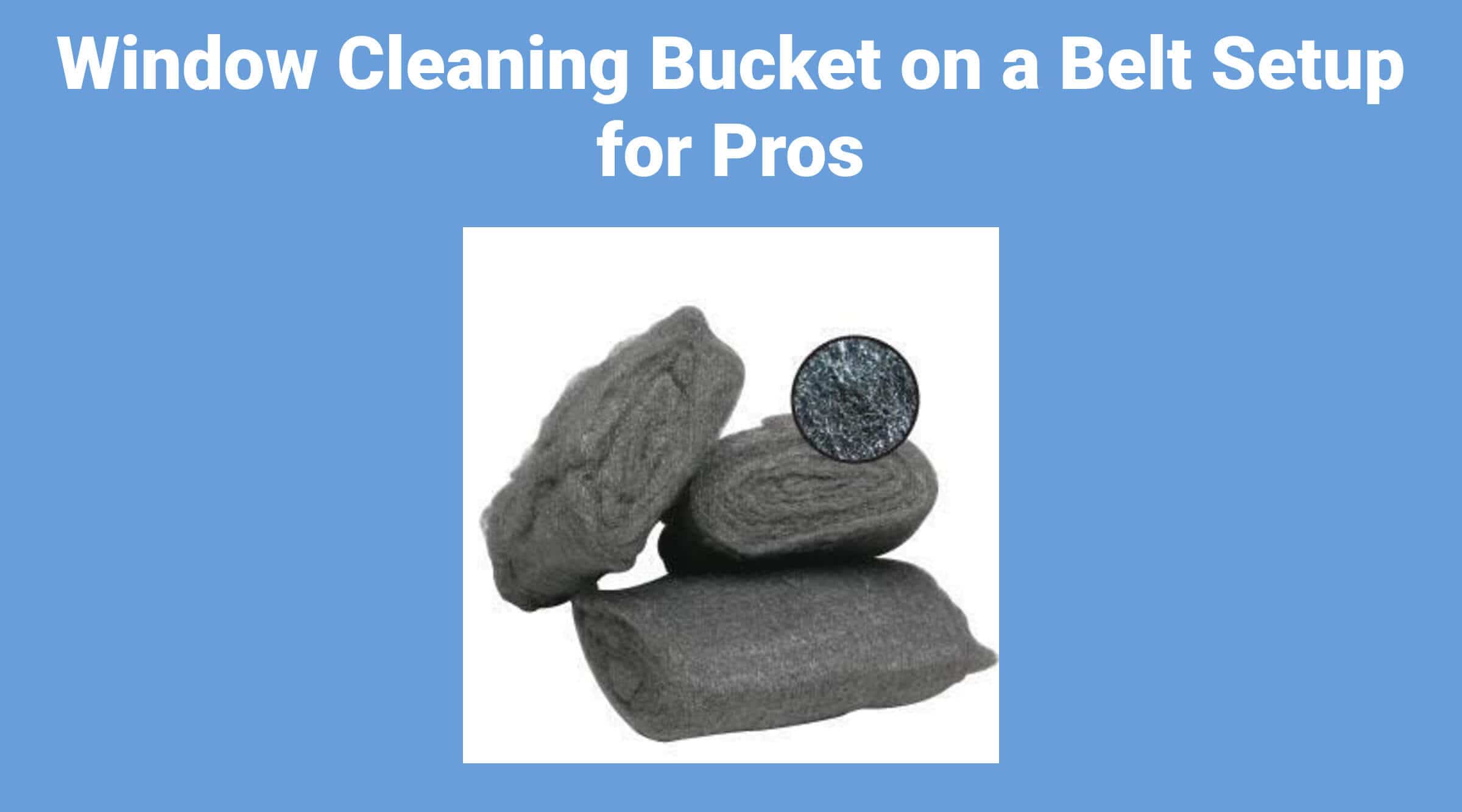
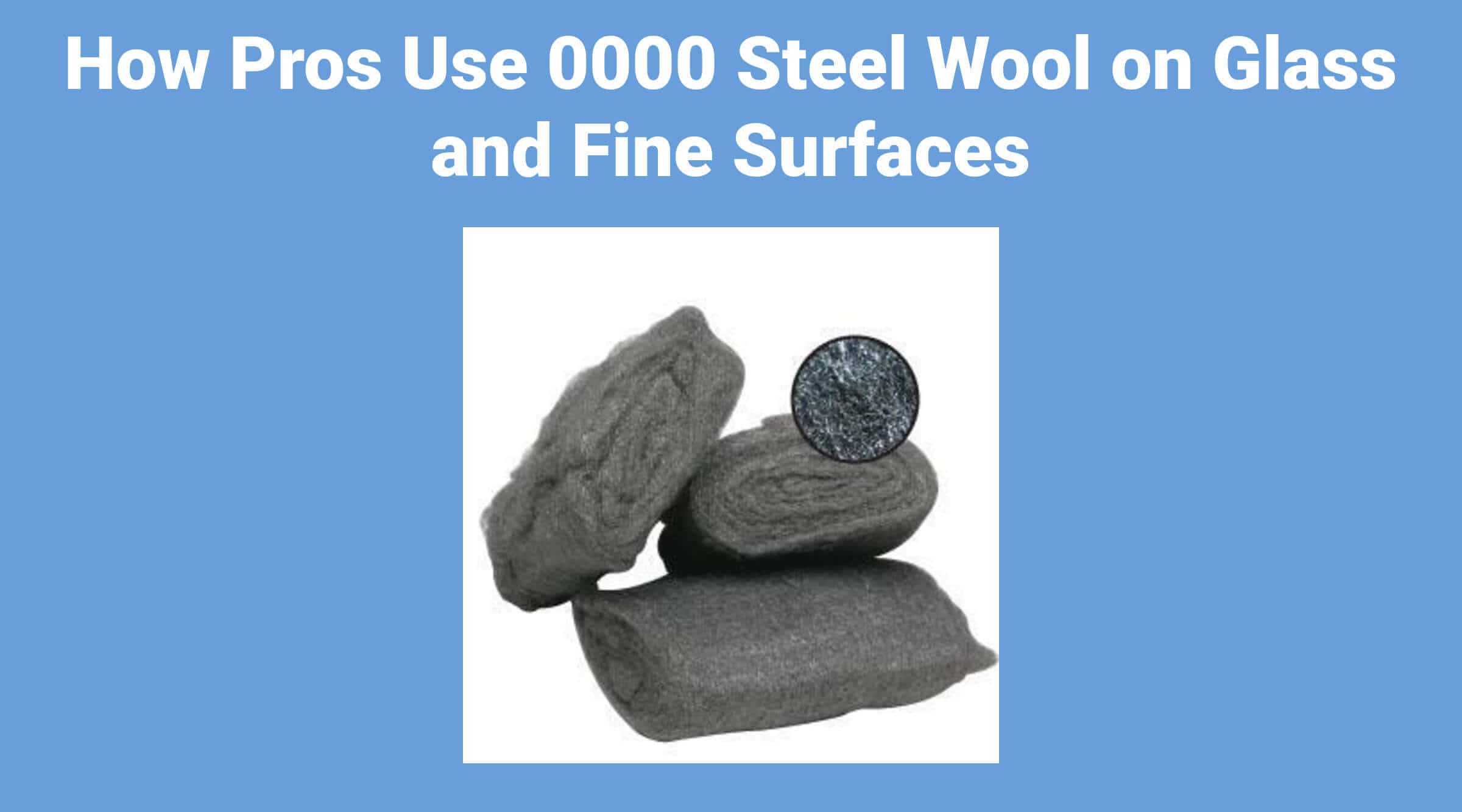
Brillo pads, S.O.S. pads, and other household scouring products are significantly coarser, often soap-impregnated, and designed for pots — not glass. A ProTool 0000 Steel Wool bag is pure, ultra-fine filament engineered for precision work.
The Pro's #1 Use: Restoring Glass
The real scratch risk on glass doesn't come from the wool itself — it comes from abrasive grit (sand, concrete dust, construction debris) trapped between the pad and the surface. Eliminate that contamination and keep the surface wet, and 0000 steel wool delivers mechanical abrasion that chemical cleaners alone can't match.
What it removes:
- Hard water stains and mineral buildup
- Paint overspray and varnish specks
- Bug residue and baked-on environmental grime
- Sticker adhesive and caulk residue
Step-by-Step Glass Technique
- Pre-wash the surface. Remove all loose dirt and grit with a wet scrubber. The glass must be clean before the wool touches it.
- Flood with lubricant. Use your standard window cleaning solution or a slip mix — a few drops of Dawn or a dedicated concentrate like Glass Gleam 4 in water. The surface stays wet the entire time.
- Light, even pressure. Straight overlapping strokes or small circles. Let the fibers do the cutting — pressing hard gains nothing and risks trapping grit.
- Rinse frequently. Flush the glass and the pad often to clear dislodged debris before it can scratch.
- Squeegee and inspect. Final pass with your squeegee, then check at an angle for remaining deposits.
Pairing with a Hard Water Stain Remover
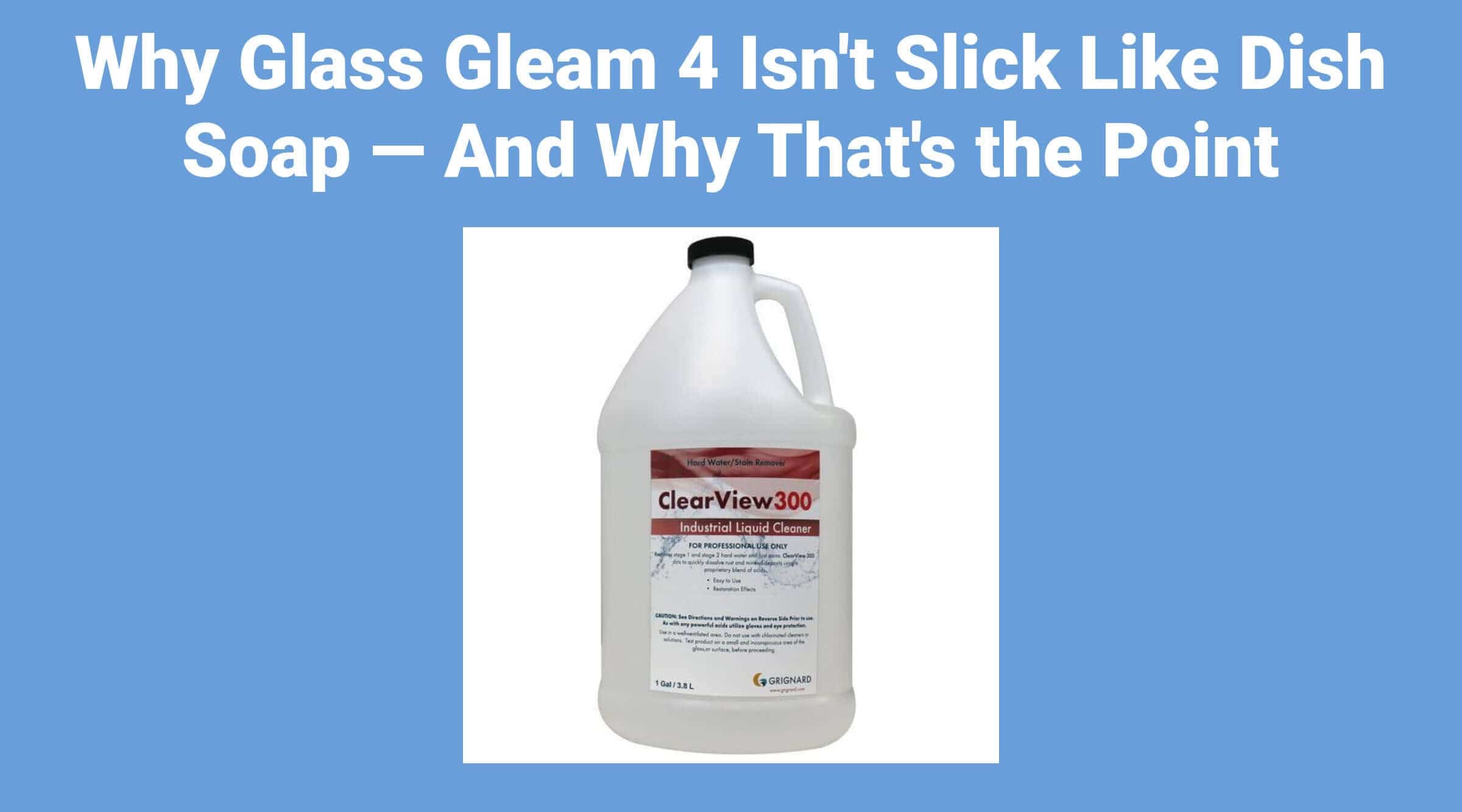
Calcium and magnesite deposits bond chemically to glass. The wool provides mechanical action; a dedicated remover dissolves the mineral bond. Together they handle staining that neither can clear alone. ProTool ClearView 300 or ProTool Pro Hard Water Stain Remover are built for exactly this combination — apply the chemical, work with the wool, rinse, squeegee.
Paint Overspray and Adhesives
For fine overspray and adhesive residue, 0000 steel wool is often safer than a razor blade. A blade at the wrong angle gouges glass; the wool's flexible fibers lift paint specks without concentrating force on a single point. Pair with a solvent for adhesive work — the wool balls up and removes the residue while the solvent breaks the bond.
Beyond Glass: Other Professional Applications
Chrome, Brass, and Aluminum Polishing
The same ultra-fine abrasion that cleans glass restores luster to metal fixtures — chrome bathroom hardware, aluminum window frames, brass door handles. Use a small amount of metal polish as lubricant for a single-step clean-and-shine. A ProTool 0000 Steel Wool Roll (5 lb) is the cost-effective format for crews doing regular metal restoration alongside window work.
Surface Prep Between Finish Coats
Woodworkers and restoration pros use 0000 steel wool to de-whisker wood between coats of varnish or polyurethane. It knocks down raised grain without cutting into the finish, creating the micro-profile that improves adhesion for the next coat. It also converts a high-gloss finish to a more desirable satin sheen.
Scuff and Light Rust Removal
Minor scuffs on durable tile, light surface rust on hand tools, watermarks on finished wood — all respond to 0000 steel wool with the right lubricant (lemon oil or mineral spirits for wood). Always spot-test first on any surface you haven't worked before.
Safety and Handling
Rust Contamination
Steel wool sheds microscopic fibers. Left on porous materials — unsealed wood frames, concrete sills, caulk — those fragments oxidize into stubborn rust stains. Rinse surrounding surfaces thoroughly after every use. Cut single-use pieces from the roll and discard immediately. Store your supply in a sealed, dry container.
Fire Hazard
The massive surface-area-to-volume ratio of fine steel fibers makes 0000 steel wool flammable. A spark, a 9V battery terminal, or static discharge can ignite it instantly. Never use it near electrical outlets, batteries, live wires, or open flame. Dispose of used pieces in a non-combustible container.
PPE
Non-negotiable for any job involving steel wool:
- Gloves: Durable work gloves prevent metal splinters. Nitrile gloves work for light use; heavier jobs warrant something sturdier.
- Safety glasses: Tiny fibers go airborne during vigorous scrubbing.
- Dust mask: Recommended for overhead work or enclosed spaces to block metallic particles.
When NOT to Use Steel Wool — and What to Use Instead
Surfaces to Avoid
- Coated or treated glass: Tinted film, mirrored surfaces, Low-E coatings. The wool strips factory coatings, destroying thermal performance and appearance.
- Plastics and acrylics: Plexiglas, Lexan, polycarbonate. Much softer than glass — steel wool hazes them immediately and the damage can't be polished out.
- Stainless steel appliances: Many have oleophobic (anti-fingerprint) coatings. The wool damages the coating and leaves embedded steel particles that rust.
The rule: if you're not certain the surface is uncoated glass, spot-test in an inconspicuous area first.
Alternatives: Bronze Wool and White Pads
Bronze wool is the go-to when steel is either too aggressive or the rust risk is unacceptable. It's softer than steel, and because it's non-ferrous it cannot leave rust stains — critical in marine environments, humid climates, or any job near salt exposure. ProTool Bronze Wool (Fine) handles stubborn deposits on high-performance glass without the contamination risk.
White non-abrasive pads are the safe default for coated glass and sensitive surfaces. They clean effectively without scratching coatings or soft substrates. A ProTool White Scrub Pad belongs in every truck for jobs where steel or bronze wool is off-limits.
For hard water stain work specifically, a Mr. HardWater Deluxe Kit pairs powered polishing with the right pads for severe mineral deposits — worth considering when manual wool alone isn't moving the staining fast enough.
Products Mentioned
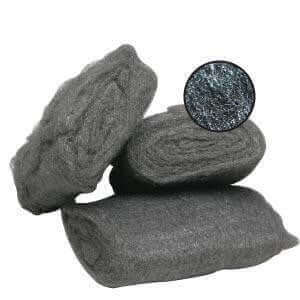 ProTool Steel Wool Bag 0000 SKU: 26-20 | 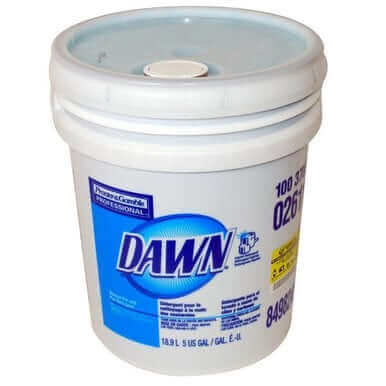 Dawn Dish Detergent SKU: 84-01M | 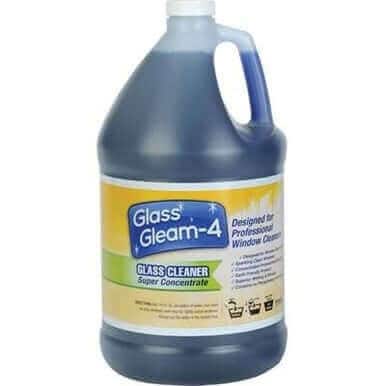 Titan Labs Glass Gleam 4 Window Cleaning Soap SKU: 84-52M |
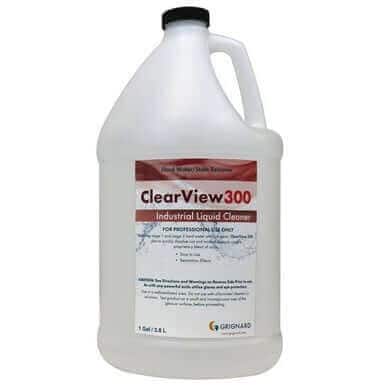 ProTool ClearView 300 Hard Water Stain Remover Gallon SKU: 86-515 | 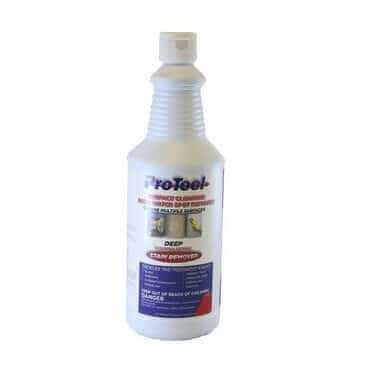 ProTool Pro Hard Water Stain Remover Qt SKU: 85-090 | 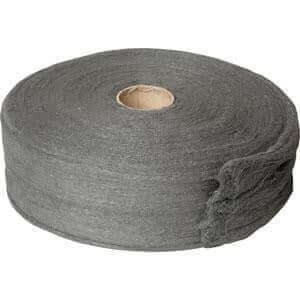 ProTool Steel Wool Roll 0000 5lb SKU: 26-22 |
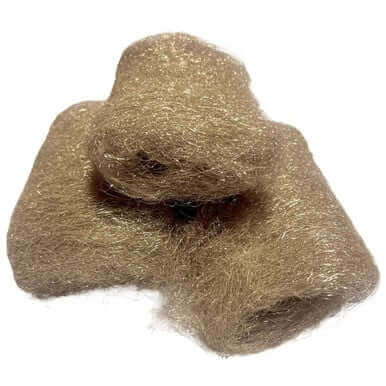 ProTool Steel Wool Bronze Fine (3) SKU: 26-50 | 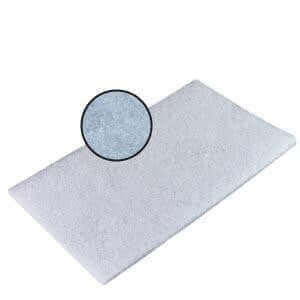 ProTool Pad Scrub White 6x9 (1) SKU: 26-10 | 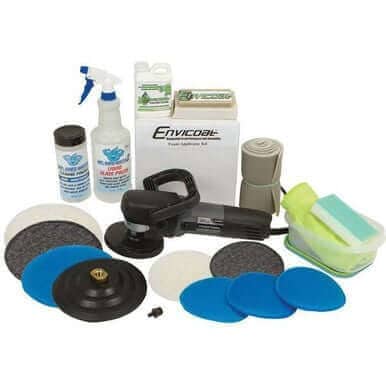 Mr.Hardwater Deluxe Kit 110v SKU: 76-44 |