Car Wash Soap vs Dish Soap: Why the Wrong Choice Damages Paint
Table of Contents
Dish soap is the most common shortcut people take when washing a car — and it is the one that does the most damage. Understanding the difference between car wash soap and dish soap saves you from stripping wax, dulling paint, and creating problems that cost more to fix than the soap you skipped buying.
Why Dish Soap Damages Vehicle Surfaces
Dish soap is engineered to cut through baked-on grease and protein. That aggressive chemistry does not distinguish between last night's lasagna and your car's protective coatings. Three mechanisms do the damage:
pH Is Too High
Most dish soaps land between pH 8.5 and 9.5 — alkaline enough to degrade clear coat over repeated washes. A proper car wash soap sits near neutral (pH 7–8), cleaning the surface without chemically attacking it. Every wash with dish soap is a micro-abrasion event your paint cannot recover from on its own.
Surfactants Resist Rinsing
Dish soap uses aggressive surfactants designed to cling to plates. On a vehicle, those same surfactants resist water rinse-off, leaving dried soap film behind. Mix that residue with hard water and you get a calcium-soap scum that etches into clear coat. The streaks you see after rinsing are not cosmetic — they are active chemical damage sitting on the surface.
Wax and Sealant Stripping
Dish soap dissolves wax and polymer sealants on contact. One wash undoes hours of detailing work. If you are maintaining a waxed or ceramic-coated vehicle, dish soap forces you into a full re-application cycle every time you wash — an expensive trade for saving a few dollars on soap.
What Professional Car Wash Soap Does Differently
Purpose-built car wash formulas are pH-balanced, free-rinsing, and formulated to lift contaminants without attacking wax, sealants, or clear coat. They foam higher, emulsify road grime faster, and rinse clean without leaving residue. The cost per wash is pennies when you use a concentrate.
ProTool Car Wash Soaps for Every Job
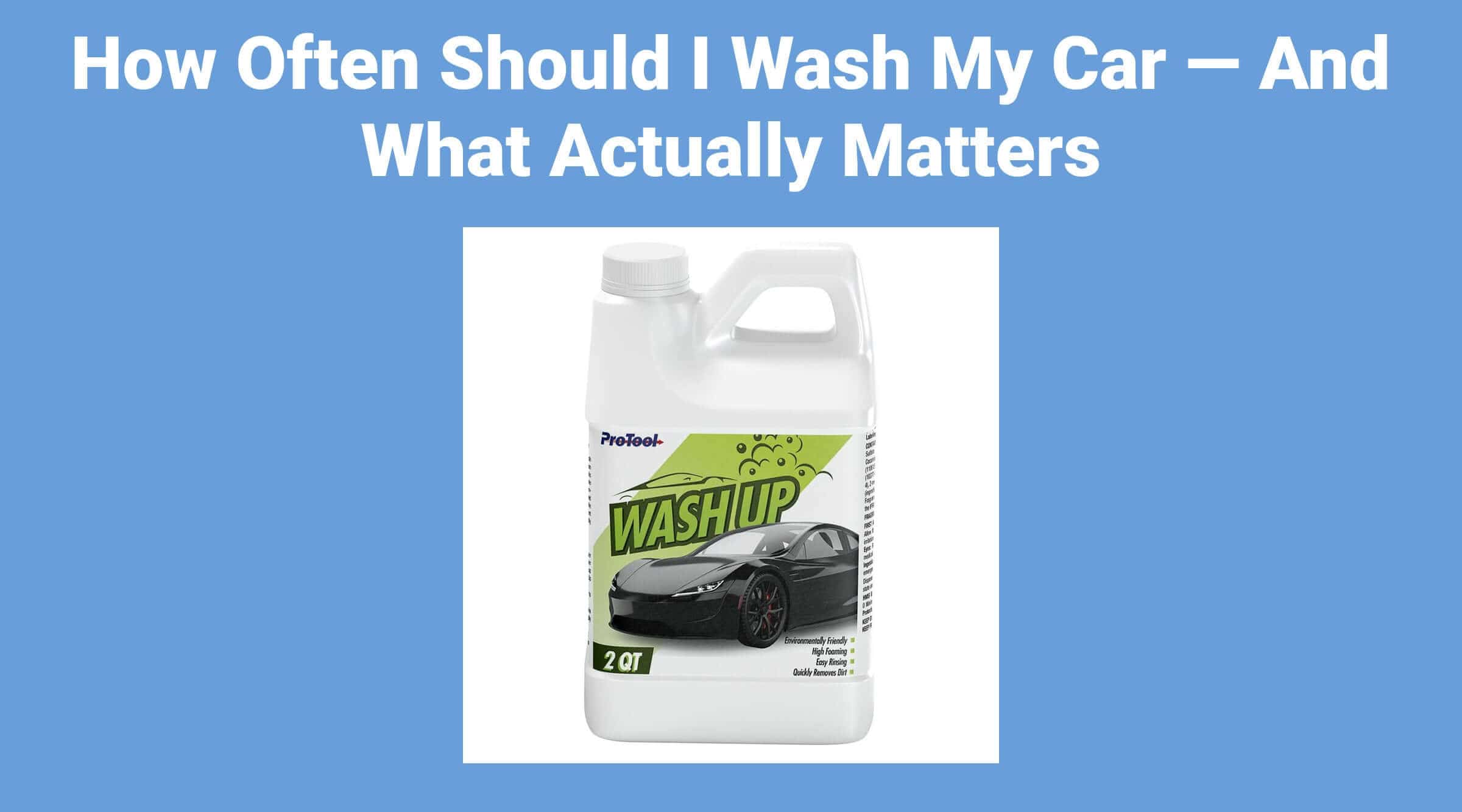
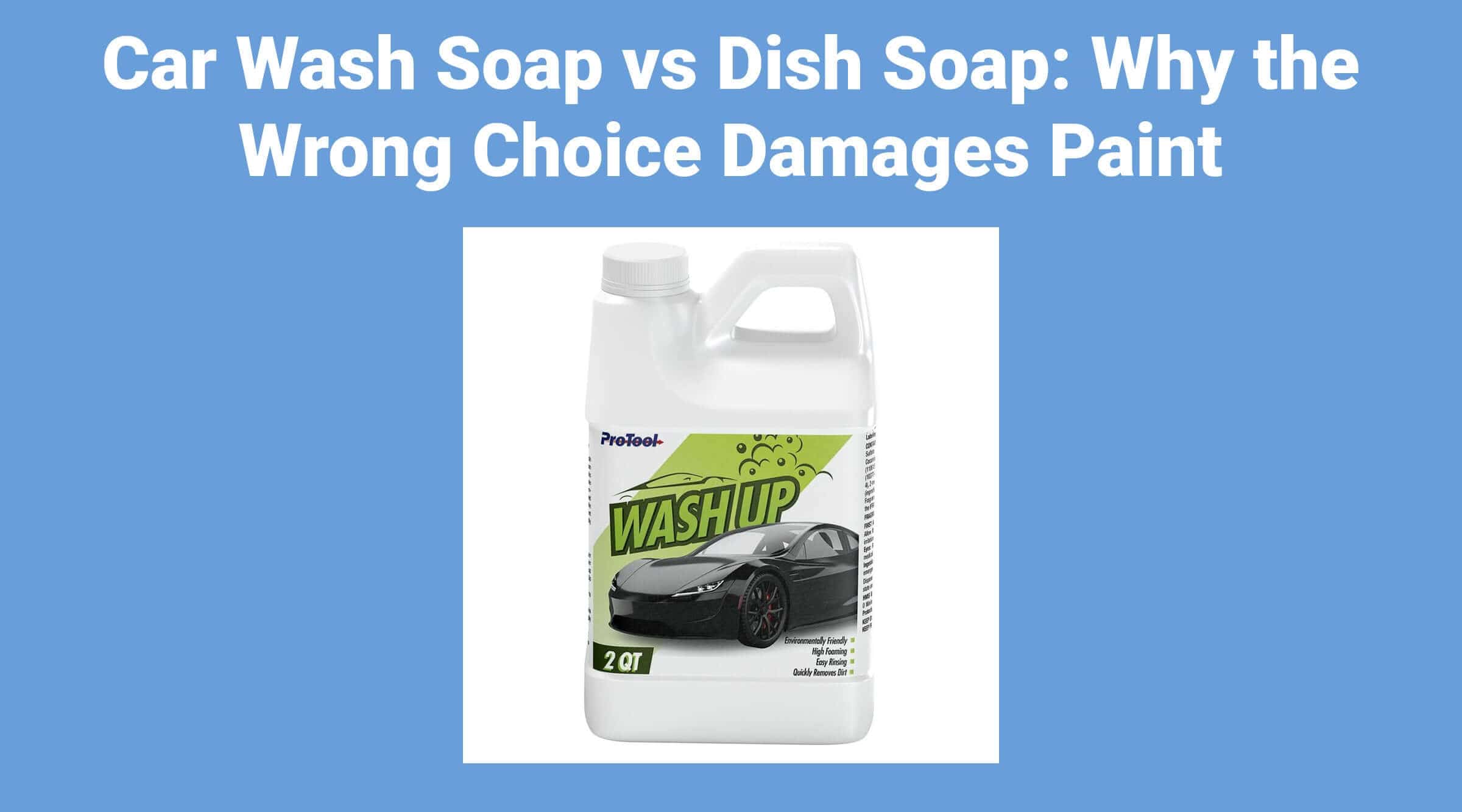
ProTool Wash Up — Daily Maintenance Wash
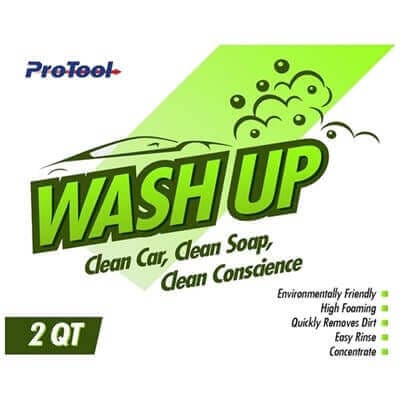
High-foaming, concentrated, and environmentally friendly. ProTool Wash Up lifts dirt, grease, and road grime from cars, vans, trucks, buses, and RVs without streaking. It rinses completely — no residue, no film. Apply by hand or pair it with the ProTool Wash Sprayer and Rinse & Go system for a touchless workflow.
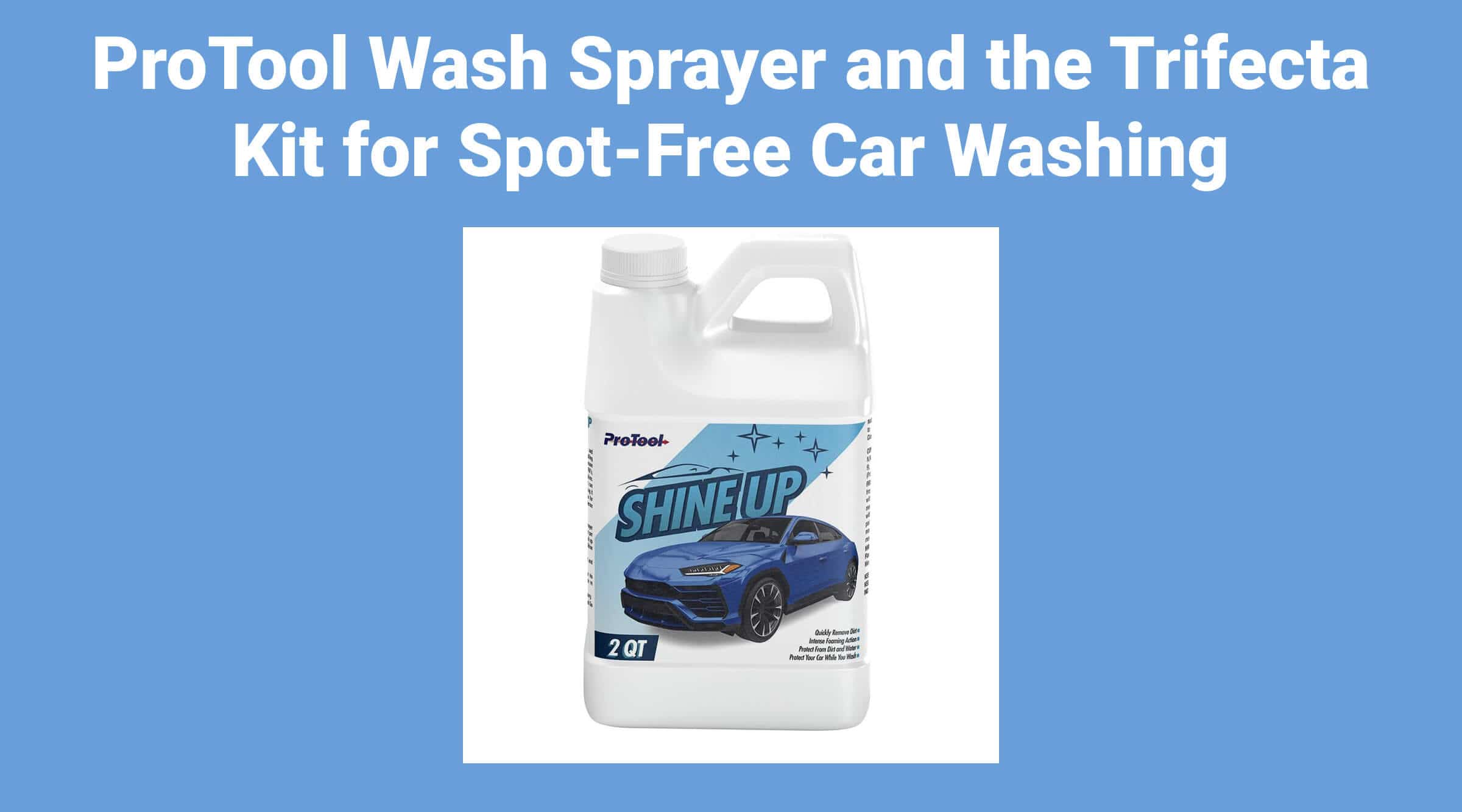
ProTool Shine Up — Wash and Seal in One Step
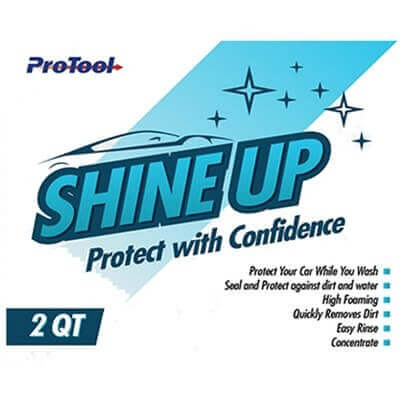
ProTool Shine Up is a concentrated wash-and-shine formula with water-repelling polymers. It cleans and leaves behind a hydrophobic layer that repels dirt and water between washes. High-foaming, free-rinsing, and compatible with hand or spray application. If you want protection without a separate wax step, this is the product.
ProTool Power Up — Engine and Heavy Degreasing
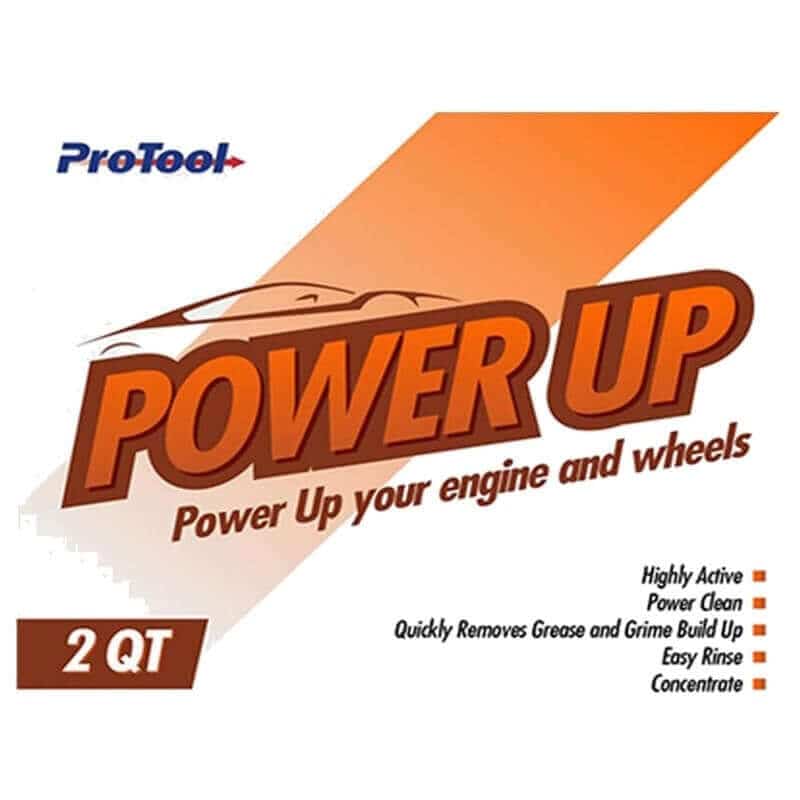
When the job is engine bays, wheel wells, or heavily soiled fleet vehicles, ProTool Power Up is the right tool. It is a concentrated, water-based engine cleaner that penetrates and emulsifies heavy grease and grime. High-foaming, easy-rinse, and strong enough for the jobs where dish soap users think they need something harsh.
Application Tips
- Foam cannon or sprayer: The ProTool Foamer Gun or Foam Cannon paired with any of these concentrates delivers thick, clinging foam that dwells on the surface and lifts contaminants before you touch the paint.
- Rinse with pure water: Hard water leaves mineral spots. A spot-free rinse system eliminates water spots entirely — no chamois needed.
- Two-bucket method: Use a Grit Guard bucket kit to keep wash water clean and prevent swirl marks.
The Bottom Line
Dish soap costs you more than it saves. It strips protection, leaves damaging residue, and forces extra correction work. A purpose-built car wash soap like ProTool Wash Up costs pennies per wash, protects every surface it touches, and rinses without a trace. Use the right soap. Your paint will show the difference within a few washes.
Products Mentioned
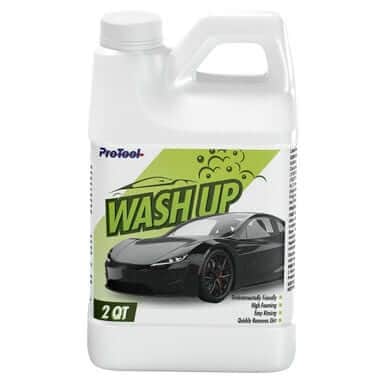 ProTool Wash Up Soap 1/2 gal SKU: 517-001 | 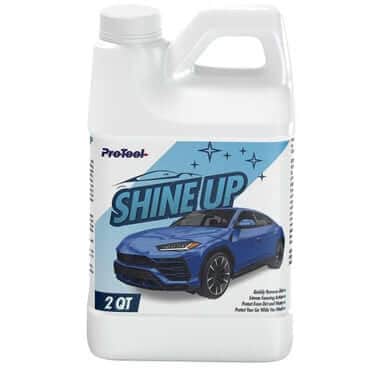 ProTool Shine Up Soap 1/2 gal SKU: 517-002 | 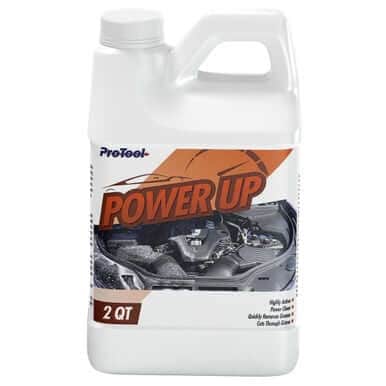 ProTool Power Up Soap 1/2 Gal SKU: 517-003 |
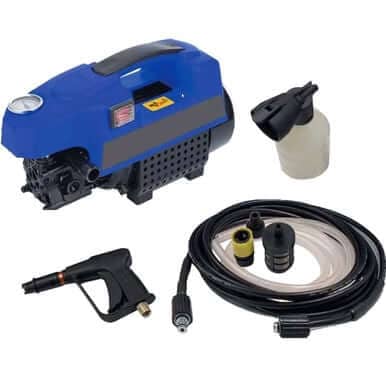 Wash Sprayer 110V for Houses, Siding, Buildings, Decks, Fences, Autos SKU: 515-004 | 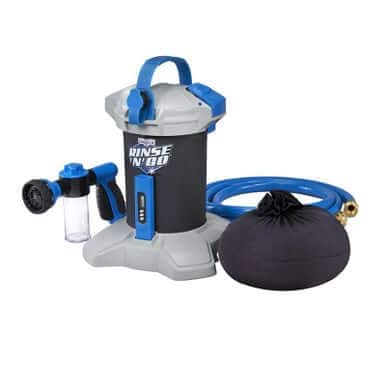 Rinse & Go System Unger SKU: 69-203 | 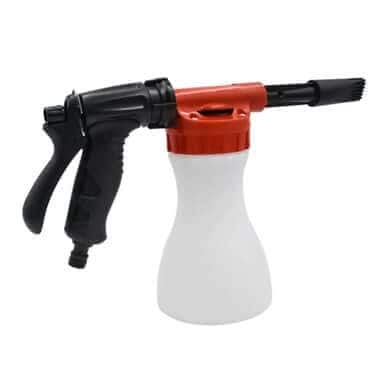 Foamer Gun - Car Wash Garden Hose Attachment SKU: 515-0047 |
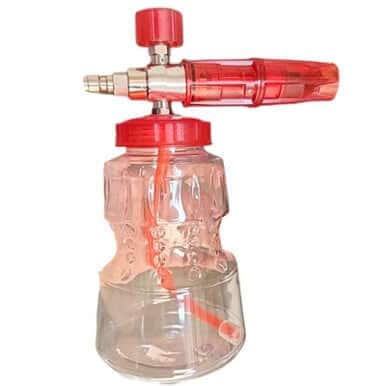 Foam Cannon Wide Opening 1 Liter SKU: 515-0048 | 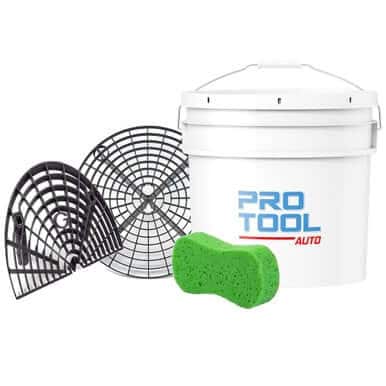 Grit Guard Bucket Kit SKU: 21-810 |