How Often Should I Wash My Car — And What Actually Matters

Table of Contents
How often should I wash my car? The honest answer: it depends on what your vehicle is exposed to, not a fixed calendar. A truck running coastal routes every day faces a completely different contamination load than a garage-kept sedan with a short suburban commute. Here is what actually drives wash frequency — and how to do it right when the time comes.
The Factors That Set Your Wash Schedule
Daily mileage and route type. Long commutes pick up more road film, bug strikes, and airborne grit. Highway miles at speed embed contaminants deeper into clear coat than stop-and-go city driving.
Geography and climate. Coastal areas deposit salt mist that accelerates corrosion. Rural dirt roads coat lower panels in abrasive dust. Urban environments layer industrial fallout and brake dust. Each environment shortens the safe interval between washes differently.
Parking situation. A garaged vehicle stays cleaner longer — simple as that. If the car sits outside under trees, expect sap and bird droppings within days, both of which are acidic enough to etch clear coat if left to bake in the sun.
Temperature. Heat accelerates chemical reactions on the surface. Bug residue, bird droppings, and tree sap bond to paint faster in summer than in cooler months. Heat also degrades wax protection, leaving the surface more vulnerable between washes.
Rain. Rain does not wash your car — it deposits airborne pollutants, pollen, and mineral-laden water onto the surface. After a rainstorm the vehicle often looks worse, not better, and the residue left behind can leave water spots if it dries in the sun.
Winter salt and sand. Road salt is the single most destructive contaminant for undercarriage and lower body panels. In salt-belt states, washing the underside frequently through winter is not optional maintenance — it is rust prevention.
General Wash Frequency Guidelines
- Minimum: Once a month for garaged, low-mileage vehicles in mild climates.
- Standard: Every two weeks for daily drivers, especially in urban or coastal environments.
- Weekly: High-mileage vehicles, winter salt exposure, or any vehicle parked outdoors under trees.
- Immediate: Bird droppings, tree sap, and bug impacts should be removed within 24–48 hours. These contaminants are acidic and will etch paint if allowed to dry and cure in heat.
How You Wash Matters More Than How Often
Washing frequently with the wrong method causes more damage than washing less often with the right one. Automated tunnel washes with recycled water and abrasive brushes introduce swirl marks and can grind contaminants into the clear coat.
A touchless wash with quality soap and a spot-free pure water rinse eliminates mineral deposits and water spots without physical contact that risks scratching. The key is deionized water for the final rinse — minerals in tap water are what leave spots behind, not the water itself.
For a complete touchless setup, the ProTool Wash Up Soap is formulated for foam cannon and touchless application. Pair it with a foamer gun for thick foam dwell, then rinse with deionized water from a pure water RODI cart for a spot-free finish every time.
If you are hand-washing, a grit guard bucket kit keeps contaminants at the bottom of the bucket instead of back on the paint. Use a dedicated wash sponge and dry with a clean microfiber towel to prevent marring.
Protect Between Washes
A good wash removes contaminants, but it does not prevent new ones from bonding. After washing, apply a wax or sealant to create a sacrificial barrier. This buys time between washes and makes the next wash easier because contaminants sit on top of the coating instead of bonding directly to clear coat.
For detailers and auto wash operators looking to build or upgrade a mobile wash setup, the ProTool Auto Detailing Skid packages a pump, tank, and reel into a single drop-in platform — wash, rinse, and detail from one unit.
Products Mentioned
 ProTool Wash Up Soap 1/2 gal SKU: 517-001 | 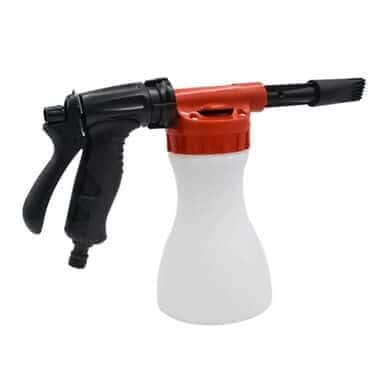 Foamer Gun - Car Wash Garden Hose Attachment SKU: 515-0047 | 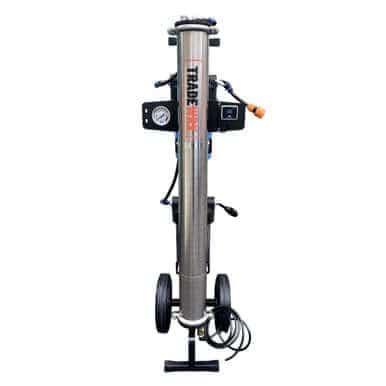 Pure Water RODI Cart SKU: 150-0510 |
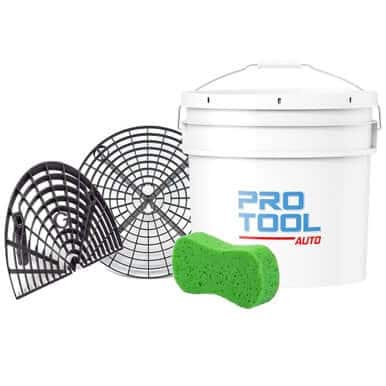 Grit Guard Bucket Kit SKU: 21-810 | 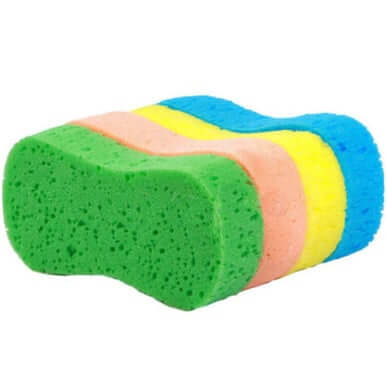 Sponge Washing Extra Large (Random Colors) SKU: 515-106 | 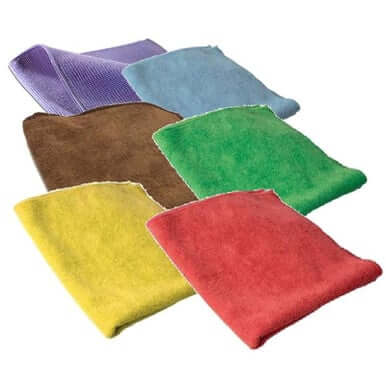 ProTool Microfiber Towel SKU: 24-5M |
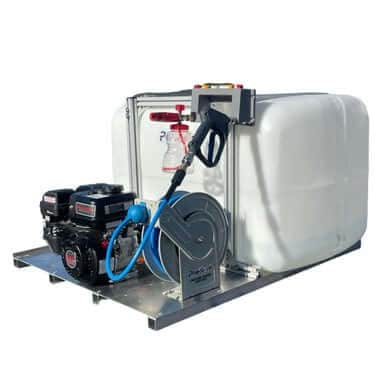 ProTool Auto Detailing Skid SKU: 180-1500 |