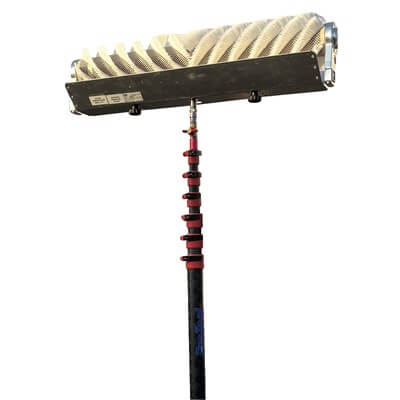

Can you use a Water Fed Pole in Winter?

Table of Contents
Can You Use a Water Fed Pole in Winter?

When temperatures drop, many professional window cleaners wonder: Can you use a water fed pole in winter? The short answer is yes—you can absolutely continue using your water fed pole system during the colder months. However, winter cleaning does come with its own unique challenges. From freezing hoses to icy walkways, it’s important to understand how to adjust your process to ensure safety, efficiency, and high-quality results.
In this guide, we’ll explore the precautions, best practices, and tools that make water fed pole cleaning possible in winter. Whether you’re a professional cleaner or a homeowner managing your own property, these tips will help you stay safe while keeping glass spotless year-round when using a water fed pole in winter.
Why Use a Water Fed Pole in Winter?
Water fed poles (WFPs) have revolutionized window cleaning. They allow professionals to work from the ground, eliminate the need for ladders, and use purified water for streak-free results without chemicals. These advantages remain in place during winter, and in some cases, the benefits of WFPs are even more noticeable:
Safety from heights: Avoid icy ladders or slippery scaffolding.
Speed: Work faster, even in challenging conditions.
Eco-friendly cleaning: No need for detergents that can freeze or leave residue.
Accessibility: Reach high or awkward windows without trudging through snow or ice with heavy equipment.
That said, extra precautions are essential in winter. Let’s break down the key considerations when using a water fed pole in winter.
1. Be Careful of Runoff
One of the biggest risks of winter window cleaning is frozen runoff. As purified water flows down the glass, it can collect on sidewalks, driveways, or steps—and quickly turn into ice. This creates a dangerous slip hazard for both cleaners and pedestrians.
Solutions:
Apply rock salt or de-icer to walkways before and after working.
Use warning signage to alert anyone passing by.
Try to direct water away from high-traffic areas when possible.
Work in smaller sections, minimizing how much water runs off at one time.
Being proactive about runoff keeps both you and your clients safe.
2. Be Careful on the Glass
Winter cleaning often means working with glass that’s significantly colder than in summer. If you’re using a hot water system, this temperature difference can cause thermal shock, leading to cracks or breakage in the glass.
Tips for safe winter use:
Lower your hot water temperature by 10–20 degrees compared to your normal settings.
Warm up the glass gradually—don’t blast it with very hot water all at once.
Monitor older or thinner glass panes, which are more prone to cracking.
The last thing you want is to damage a customer’s window. Adjusting your water temperature keeps both your clients’ property and your equipment safe when using your water fed pole in winter.
3. Be Careful with Your Hose
Frozen hoses are another common frustration when using water fed poles in winter. Small-diameter hoses lying on frozen ground can freeze solid in just a few minutes if water isn’t moving through them.
Prevention tips:
Keep water flowing steadily through the hose when possible.
Avoid letting the hose sit idle on the ground for long periods.
Store hoses indoors or in a heated van when not in use.
Consider investing in insulated hose reels or using a heated water system to prevent freezing.
Taking care of your hose ensures uninterrupted work and prevents costly equipment damage.
4. Be Careful About Wind Chill
Even if the air temperature is technically above freezing, wind chill can make conditions much colder. This often leads to water freezing directly on the windows you’re trying to clean.
As a general rule:
Avoid working when the effective temperature (with wind chill) drops below 25°F (-4°C).
On borderline days, test a small area of glass first to see if water freezes before committing to a full job.
If water starts to freeze on the glass, stop immediately—it will leave streaks, and scraping frozen spots can scratch the glass.
Working with the weather, rather than against it, will save you time and headaches.
5. Be Careful About Getting Too Cold
While much of the focus is on equipment, your own safety and comfort are just as important. Working outdoors in cold conditions increases the risk of frostbite, hypothermia, and loss of dexterity. Cold hands, in particular, make it harder to handle poles safely.
Stay warm with proper gear:
Wear insulated, waterproof gloves designed for winter window cleaning (see our blog: Choosing the Right Window Cleaning Gloves for Winter).
Use thermal socks and waterproof boots to keep feet dry.
Dress in layers, including moisture-wicking base layers and windproof outer layers.
Take regular breaks to warm up indoors or in your vehicle.
Remember: if you’re too cold to work efficiently, you’re also too cold to work safely.
Additional Tips for Using Water Fed Poles in Winter
Beyond the five main precautions, here are a few more strategies professional cleaners use:
Schedule smartly: Book jobs during the warmest part of the day (usually late morning to early afternoon).
Use heated purification systems: These prevent water tanks and filters from freezing.
Check local regulations: Some regions restrict water usage in winter due to ice hazards.
Customer communication: Let clients know about the challenges of winter cleaning so expectations are clear.
Common Questions About Winter WFP Cleaning
Can purified water freeze faster than tap water?
Yes. Purified water lacks minerals, which can slightly lower the freezing point. It’s more prone to freezing quickly, so constant flow is key.
What temperature is too cold for water fed pole use?
Most professionals stop around 25°F (-4°C with wind chill). Beyond that, freezing becomes too likely on both the glass and ground.
Is it worth investing in a hot water WFP system for winter?
Yes. Hot water improves cleaning power, prevents freezing, and speeds up drying—but remember to lower temperatures to protect glass.
Final Thoughts
So, can you use a water fed pole in winter? Yes, absolutely—but with caution. By adjusting your workflow, lowering water temperatures, protecting your hose, watching for ice hazards, and dressing properly, you can safely and effectively clean windows year-round.
Water fed poles already make window cleaning safer and more efficient, and with the right precautions, they remain just as valuable in winter. For professionals, mastering cold-weather cleaning isn’t just about surviving the season—it’s about offering reliable, high-quality service when competitors may shut down.
Stay safe, stay warm, and keep those windows sparkling—no matter the season. Shop Water fed poles and purification systems at www.jracenstein.com/
FAQs
Can I safely use a water fed pole system in freezing temperatures?
Yes, but most professionals recommend stopping around 25°F (-4°C with wind chill). Below that, water can freeze on glass and create slip hazards.
How do I prevent my hoses from freezing in winter?
Keep water flowing steadily, avoid leaving hoses idle on frozen ground, and store them indoors or in a heated van. Insulated hose reels and heated systems also help.
Will purified water freeze faster than regular tap water?
Yes. Since purified water lacks minerals, it has a slightly lower freezing point and is more prone to freezing—making continuous flow especially important in winter.
Do I need hot water for water fed pole cleaning in winter?
Hot water systems are very helpful in winter. They reduce freezing risk, improve cleaning power, and speed up drying. Just lower the temperature to avoid thermal shock on glass.
How can I protect myself while working with a water fed pole in the cold?
Wear insulated gloves, thermal socks, waterproof boots, and layered clothing. Take regular warm-up breaks, and always monitor your comfort and dexterity to ensure safe handling of poles.