
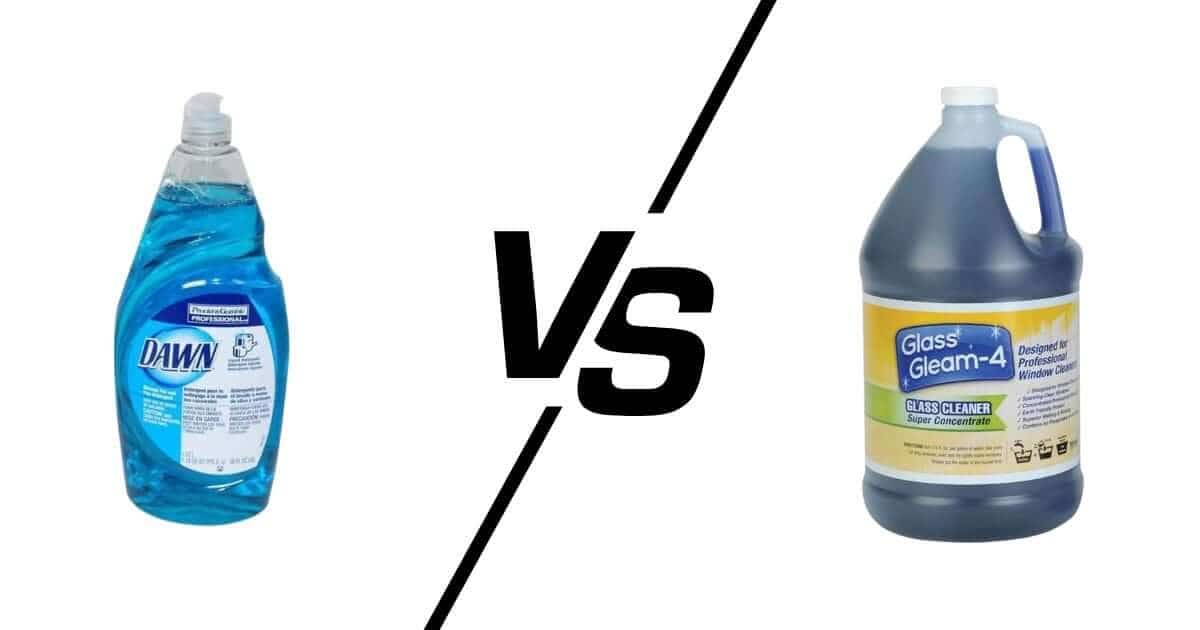
Can You Use Dish Soap for Cleaning Windows?

Table of Contents
- Why Dish Soap Isn’t Ideal for Window Cleaning
- Why Professionals Prefer Glass Gleam 4 (GG-4)
- The Glide Factor: Why Dish Soap Tempted Professionals
- Introducing Glass Gleam Glide
- Glass Gleam 3 vs. Glass Gleam 4
- The Bottom Line on Using Dish Soap for Window Cleaning
- Tips for Professional Window Cleaning
- Why Professionals Love Glass Gleam Products
- FAQs
Can You Use Dish Soap for Window Cleaning? A Professional Perspective
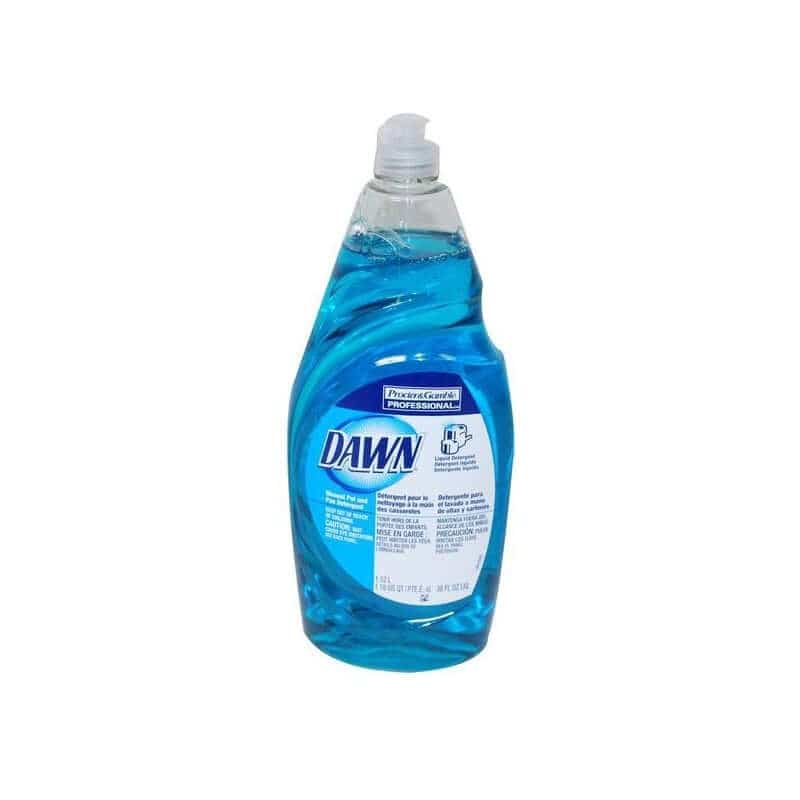
When it comes to window cleaning, many beginners and even seasoned professionals reach for dish soap—brands like Dawn or Joy are often the go-to choice. After all, it helps squeegees glide across glass, making the job feel easier. But is this actually the best approach? The short answer: not really.
In this blog post, we’ll explore why dawn may harm your windows, the science behind glass damage, and why Glass Gleam 4 (GG-4) is the safer, more effective alternative. We’ll also cover the role of professional glide additives like Glass Gleam Glide and how to choose between GG3 and GG4 for your window cleaning needs.
Column 1
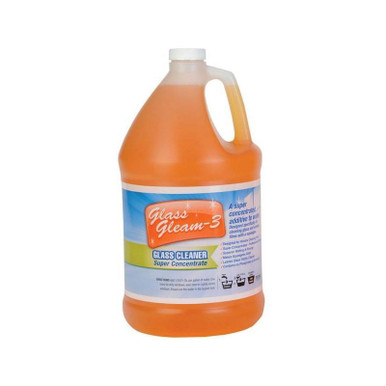
Titan Labs Glass Gleam 3 Window Cleaning Soap
$318.35
Glass Gleam-3 (GG3) – The Ultimate Window Cleaning Solution Glass Gleam-3 (GG3) is a cutting-edge, super-concentrated window cleaner designed specifically for professionals who demand exceptional… read more
Column 2
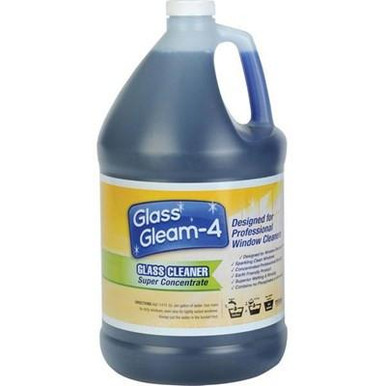
Titan Labs Glass Gleam 4 Window Cleaning Soap
$60.45
Titan Glass Gleam 4 aka GG4 Glass Gleam-4™ Window Cleaning Concentrate is ideal for cleaning windows with a squeegee. Glass Gleam-4™ contains polymeric water softeners… read more
Why Dish Soap Isn’t Ideal for Window Cleaning
Dish soaps are essentially degreasers made up of almost 100% surfactants, which are molecules designed to break down grease and lift dirt. Surfactants have two “heads”: one loves water and the other hates it. As Alan Noah of Titan Laboratories explains, “Surfactants are wonderful little two-headed creatures. One head loves water and the other hates it. So, when you get them wet, they go crazy.”
While surfactants are excellent for cleaning fabrics, they can cause problems on glass.
The Hard Water Problem
The main issue arises when it interacts with hard water, which contains calcium and other minerals. Mixing surfactants with calcium creates soapy scum, often disguised as foam thanks to additives like sodium lauryl sulfate. While the suds may look impressive, what actually forms is a sludge-like goop. This goop collects in the microscopic pores and pits on the glass surface, slowly damaging windows and even filling window tracks.
How Glass is Made Matters
Glass isn’t perfectly smooth on every surface. During manufacturing, molten glass cools down from 2800°F through a process called floating, where the glass “rides on a river of molten tin.” The bottom side is smooth, but the top side contains microscopic pits and pores. This is where dish soap’s residue accumulates, causing long-term haze, scum buildup, and slower cleaning results.
Why Professionals Prefer Glass Gleam 4 (GG-4)
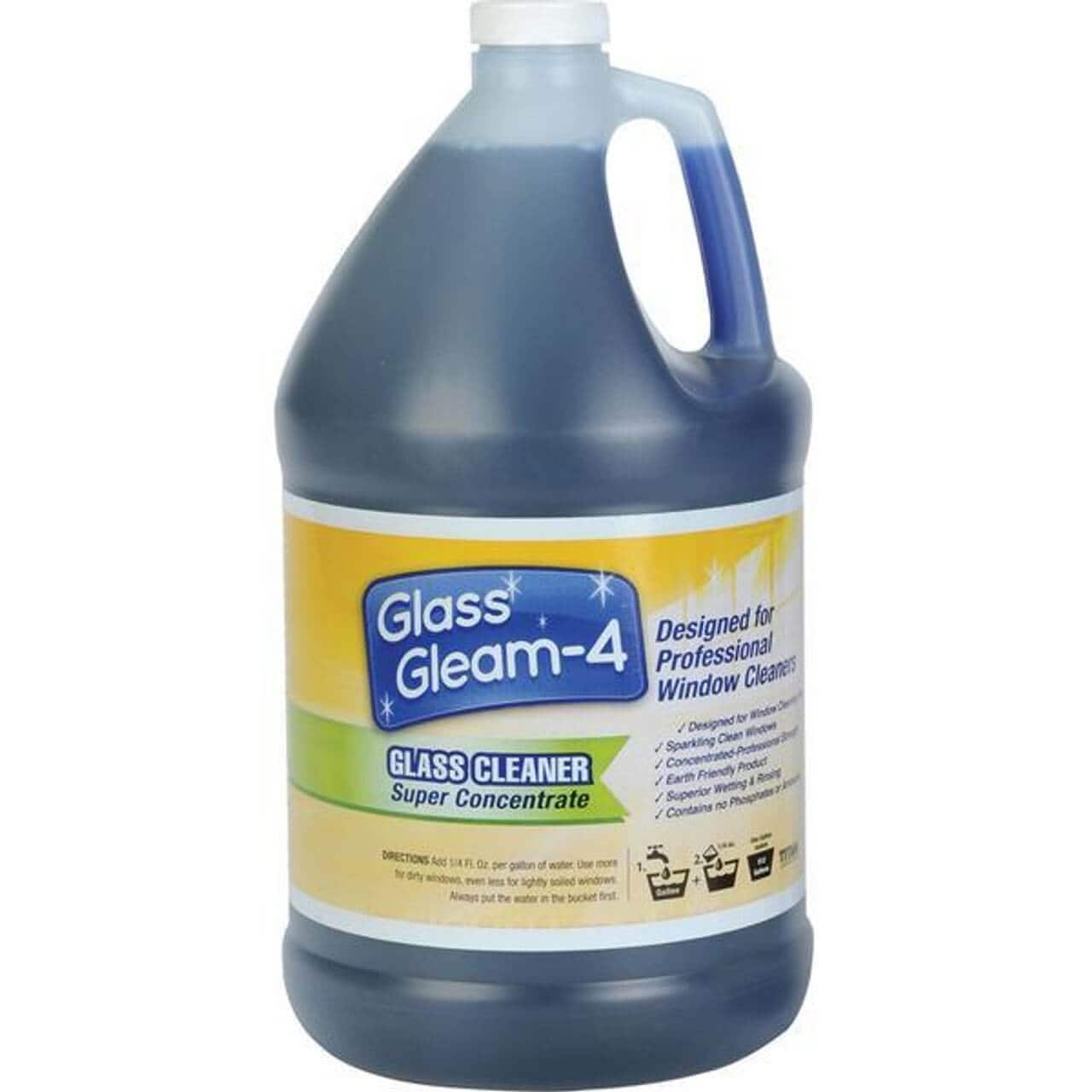
Unlike dish soap, Glass Gleam 4 is specifically formulated to avoid these problems. GG-4:
Removes goop from microscopic pores
Stays wet longer, even on hot or windy days
Works well with hard water
Leaves glass sparkling and free of haze
As Titan Laboratories explains, “The glass now sparkles as it bounces the light freely off the many pits and pores, like a diamond. And since the dew doesn’t cause the window to weep, it stays clean for a very long time.”
Key Advantages of GG-4 Over Dish Soap
| Feature | Dish Soap | GG-4 |
|---|---|---|
| Surfactants | High; creates foam and scum | Balanced; avoids goop formation |
| Hard Water Performance | Poor; forms sludge | Excellent; formulated for hard water |
| Residue | Leaves buildup in pores | Cleans pores and prevents haze |
| Biodegradability | Varies by brand | Biodegradable, phosphate-free |
| Effect on Squeegee | Slick, encourages heavy pressure | Moderate glide, reduces drag and wrist fatigue |
The Glide Factor: Why Dish Soap Tempted Professionals
Many window cleaners start with dish soap because it helps squeegees glide. Beginners are taught to “fan” with a squeegee, using soap to reduce drag. Alan Noah explains:
“This teaches you to grip hard and press hard because the surfactant gives you a ton of glide. However, that’s pretty much all it gives you!”
While this initial slip feels good, the result is buildup and long-term damage. Professionals who switch to GG-4 often struggle with the lack of slickness, leading some to add dish soap back in—unintentionally undoing GG-4’s benefits.
Introducing Glass Gleam Glide
To solve the glide problem without creating residue, Titan Laboratories developed Glass Gleam Glide, a professional glide additive:
Eliminates squeegee drag
Creates a smooth blade cushion
Reduces wrist fatigue and chatter
Reduces cleanup time
Leaves no residue
Biodegradable and kind to hands
Won’t make tools slippery
Usage: Simply add 1/10 oz per gallon to GG3 or GG4, or adjust as needed. This allows professional window cleaners to maintain a smooth glide without the downsides of dish soap.
Glass Gleam 3 vs. Glass Gleam 4
For window cleaners wondering which GG product to use:
Glass Gleam 3 (GG3)
Reduces drag on squeegees
Pleasant fragrance
Leaves no haze, even on polymer-treated surfaces
High-visibility orange color prevents bleed back
Biodegradable, with no phosphates, ammonia, or hazardous chemicals
Best For: Normal water conditions, residential and commercial windows, standard cleaning projects.
Glass Gleam 4 (GG4)
Designed specifically for hard water conditions
Stays wet longer on hot or windy days
No foam buildup
Biodegradable, with no phosphates, ammonia, or hazardous chemicals
Leaves windows sparkling, prevents dew and haze
Best For: Areas with hard water, high mineral content, or professional projects where longevity and appearance are critical.
The Bottom Line on Using Dish Soap for Window Cleaning
While dish soap can give a temporary glide for beginners, its long-term effects on glass surfaces are problematic:
Forms goop in microscopic pores
Creates scum and residue
May damage window tracks over time
Encourages excessive pressure and squeegee wear
For professional results, GG-4 combined with Glass Gleam Glide is the superior choice. It cleans effectively, handles hard water, and provides controlled glide without creating foam or buildup.
Tips for Professional Window Cleaning
Avoid Dish Soap – Stick to professional cleaners like GG-3 or GG-4 to protect glass.
Use Glide Additives Wisely – Glass Gleam Glide allows you to reduce drag without creating residue.
Maintain Tools – Clean squeegees and brushes after each job to prevent buildup.
Monitor Hard Water Areas – Always use GG-4 where mineral deposits are likely to form.
Work Efficiently – Longer wet times from GG-4 allow you to clean larger areas without re-wetting.
Why Professionals Love Glass Gleam Products
The combination of GG-4 and Glass Gleam Glide provides professional window cleaners with:
Sparkling results without residue
Reduced wrist fatigue
Efficient, streak-free cleaning even in tough conditions
Long-lasting protection against hard water damage
Dish soap may be the shortcut, but for those serious about quality and longevity, Glass Gleam 4 is the professional choice. Visit www.jracenstein.com for professional window cleaning soaps.
FAQs
Is it okay to use dish soap for window cleaning?
While dish soap can help squeegees glide, it creates foam and residue, especially when mixed with hard water. Over time, this can fill microscopic pores in the glass and damage window tracks. Professionals recommend using products like Glass Gleam 4 instead.
What is Glass Gleam 4 (GG-4)?
GG-4 is a professional window cleaning solution designed to remove residue and prevent haze, even in hard water conditions. It leaves windows sparkling and clean without leaving foam or buildup.
What is the difference between Glass Gleam 3 and Glass Gleam 4?
GG-3 works well in normal water conditions and provides good glide, fragrance, and visibility. GG-4 is specifically formulated for hard water, staying wet longer, avoiding foam, and cleaning microscopic pores for longer-lasting results.
Can dish soap damage windows?
Yes. Dish soap interacts with calcium in hard water to create a sludge-like residue. Over time, this fills the microscopic pores in glass and can accumulate in window tracks, leading to long-term damage.