Expert Advice

Cerium Oxide for Professional Glass Polishing

Cerium Oxide for Professional Glass Polishing

Jay Racenstein Jay Racenstein
7 minute read

Listen to article
Audio generated by DropInBlog's Blog Voice AI™ may have slight pronunciation nuances. Learn more

Table of Contents

Cerium Oxide for Professional Glass Polishing

cerium oxide

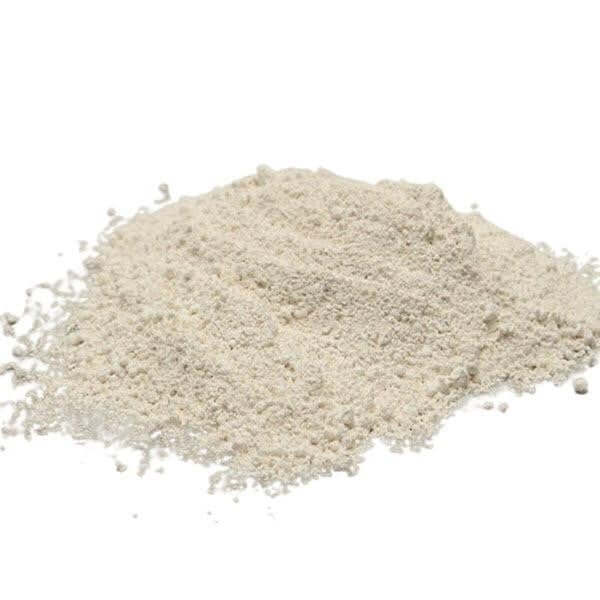
Cerium oxide remains the industry standard for professional glass polishing and scratch restoration because of its unique chemical-mechanical polishing properties. Unlike conventional abrasives that rely exclusively on surface abrasion, cerium oxide interacts chemically with silica-based glass surfaces to remove defects while maintaining optical clarity.

For professional window cleaners, restoration contractors, and automotive glass technicians, mastering cerium oxide polishing techniques can significantly expand service offerings while improving restoration efficiency on scratched, stained, or etched glass surfaces.

This technical guide explains:

  • how cerium oxide polishing works,
  • how to evaluate glass damage correctly,
  • optimal slurry preparation methods,
  • thermal management procedures,
  • polishing equipment selection,
  • and professional restoration best practices.

What Is Cerium Oxide?

Cerium oxide (CeO₂) is a rare-earth polishing compound used extensively in:

  • architectural glass restoration,
  • automotive windshield polishing,
  • optical lens finishing,
  • precision mirror manufacturing,
  • and semiconductor chemical-mechanical planarization (CMP).

Its effectiveness comes from its ability to simultaneously:

  1. chemically react with silica-based surfaces, and
  2. mechanically abrade microscopic surface defects.

This dual-action process allows technicians to restore clarity while minimizing the deep micro-scratching associated with aggressive abrasives like silicon carbide or aluminum oxide.

Professional-grade cerium oxide powders typically feature:

  • 90%+ Total Rare Earth Oxides (TREO),
  • controlled particle sizing,
  • and low contamination levels.

High-purity formulations provide:

  • faster polishing rates,
  • reduced haze formation,
  • improved optical clarity,
  • and more consistent finishing performance.

How Cerium Oxide Polishing Works

Glass polishing with cerium oxide is commonly classified as a chemical-mechanical polishing (CMP) process.

Unlike traditional sanding methods that remove material exclusively through abrasion, cerium oxide creates a temporary chemical interaction with the silica surface of the glass. Under controlled heat and pressure, this reaction softens microscopic surface peaks while the polishing pad mechanically levels the defect.

The result is a smoother, optically transparent surface with significantly reduced distortion.

Chemical Reaction with Silica

When mixed with water, cerium oxide forms a slurry that enables ion exchange between:

  • cerium ions,
  • water molecules,
  • and the silicon dioxide (SiO₂) structure of the glass.

This interaction weakens microscopic surface bonds, allowing controlled material removal without the aggressive cutting associated with dry abrasives.

Because the process depends on both chemistry and frictional heat, slurry consistency and thermal management are critical to achieving distortion-free results.


Evaluating Glass Damage Before Polishing

Professional restoration begins with proper defect evaluation. Not all scratches can be removed safely without compromising optical quality or structural integrity.

The Fingernail Test

The industry-standard scratch evaluation method is the fingernail test.

Level 1: Surface Scuffs and Wiper Marks

  • Fingernail does not catch
  • Ideal for cerium oxide polishing
  • Typically removable with minimal distortion risk

Level 2: Moderate Scratches

  • Fingernail lightly drags across defect
  • Requires extended polishing time
  • Increased risk of optical distortion if improperly polished

Level 3: Deep Gouges

  • Fingernail catches or stops
  • Often too deep for safe polishing
  • May require glass replacement or aggressive pre-grinding

Attempting to fully remove deep scratches can create “lensing,” where excessive material removal causes visible optical distortion resembling a funhouse mirror effect.


Understanding Lensing and Optical Distortion

Lensing occurs when technicians concentrate polishing in a small localized area. As material is removed unevenly, the glass surface becomes slightly concave.

This distortion becomes especially visible:

  • in direct sunlight,
  • across large commercial panes,
  • and on automotive windshields.

To minimize lensing:

  • polish an area significantly larger than the defect,
  • maintain overlapping polishing passes,
  • and avoid excessive downward pressure.

Professional technicians typically feather polishing pressure outward to maintain a uniform glass plane.


Thermal Management During Glass Polishing

Heat control is one of the most important aspects of professional glass restoration.

The polishing reaction requires frictional heat to activate efficiently. However, excessive localized heating can:

  • stress tempered glass,
  • increase breakage risk,
  • accelerate distortion formation,
  • and dry the slurry prematurely.

Best Practices for Heat Control

Professional restoration technicians should:

  • continuously monitor surface temperature,
  • maintain a wet slurry,
  • use overlapping polishing patterns,
  • and avoid dwelling in one area.

The “back-of-hand” touch test is commonly used in the field:

  • if the glass becomes uncomfortable to touch,
  • reduce pressure,
  • add water,
  • or move to another section temporarily.

Thermal shock risk is especially important when restoring:

  • tempered glass,
  • insulated glass units,
  • and coated architectural glass.

Proper Cerium Oxide Slurry Preparation

Slurry consistency directly affects cutting performance and finishing quality.

Light Restoration

For:

  • wiper marks,
  • haze,
  • and light surface scuffs

Use approximately:

  • 2 parts distilled water
  • to 1 part cerium oxide powder

Moderate Scratch Removal

For more aggressive polishing:

  • use a thicker 1:1 ratio
  • to increase cutting efficiency

Distilled or deionized water is strongly recommended because hard water minerals can interfere with polishing consistency and leave residual deposits.

Slurry Maintenance

During polishing:

  • water evaporates from friction heat,
  • causing slurry thickening.

Technicians should periodically mist the surface using distilled water to:

  • maintain suspension,
  • reduce friction spikes,
  • and stabilize surface temperature.

Allowing the slurry to dry completely can create secondary scratching and excessive heat buildup.


Choosing the Right Glass Polishing Equipment

Equipment selection significantly impacts restoration quality and efficiency.

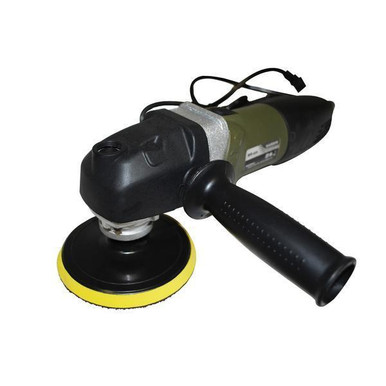
Rotary Polishers

Professional glass restoration is typically performed using high-speed rotary polishers because they:

  • generate consistent frictional heat,
  • provide stable rotational cutting,
  • and maintain pad contact under load.

Most technicians operate within:

  • 1200–2500 RPM,
    depending on:
  • glass type,
  • scratch severity
  • and pad density
  • Wireless Speed Polisher Portable

    Wireless Speed Polisher Portable

    $91.35

    Wireless Speed Polisher Portable TRADEWRX The Wireless Speed Polisher Portable is the ultimate solution for anyone looking for a high-performance, portable, and easy-to-use polishing tool....… read more

Dual-Action Polishers

Dual-action tools may be suitable for:

  • light polishing,
  • haze removal,
  • or beginner applications,but generally produce slower correction rates on deep defects.

Polisher Variable Speed Top Switch

Polisher Variable Speed Top Switch

$204.20

Light weight (5 lbs), durable, and variable speed, this polisher is the next generation tool for hard water removal. It features a NEW "Top-Switch", making...… read more


Polishing Pad Selection

Pad composition is critical in glass restoration.

High-Density Felt Pads

Professional-grade felt pads:

  • generate the necessary friction,
  • resist compression under load,
  • and distribute pressure evenly.

Low-density foam pads often:

  • absorb slurry excessively,
  • reduce cutting efficiency,
  • and fail to generate sufficient polishing energy.

Contaminated pads are also a major source of secondary scratching. Pads should be:

  • cleaned frequently,
  • stored separately,
  • and replaced when hardened or contaminated.

Check out our selection of polishing pads here


Surface Preparation Before Polishing

Glass preparation is essential before introducing any polishing compound.

Professional technicians should remove:

  • dirt
  • sand
  • hard water minerals
  • and embedded contaminants before polishing begins.

Even microscopic debris trapped beneath a polishing pad can create severe rotational scratches.

  1. Thoroughly clean the glass surface
  2. Remove bonded contamination
  3. Rinse with purified water
  4. Dry using lint-free microfiber towels
  5. Inspect using angled LED lighting

Proper inspection lighting helps identify:

  • subsurface scratches,
  • etching,
  • mineral staining,
  • and previous restoration attempts.

Safety Considerations for Glass Polishing

Cerium oxide powder is extremely fine and should be handled using appropriate PPE.

Professional technicians should wear:

  • respirators or dust masks
  • eye protection
  • gloves
  • and fall protection when working at height.

Rotary polishing also creates slurry spray and airborne residue, particularly during extended correction work.


Applications for Glass Restoration

Cerium oxide is commonly used for:

  • windshield scratch removal,
  • hard water stain removal,
  • graffiti damage correction,
  • post-construction glass restoration,
  • mineral etching repair,
  • and commercial window restoration.

It is especially effective on:

  • untreated silica glass,
  • architectural float glass,
  • and automotive glass surfaces.

However, technicians should exercise caution with:

  • aftermarket tint films,
  • coated glass,
  • and low-E surfaces,
    as polishing may permanently damage specialized coatings.

Professional Glass Restoration Supplies from J Racenstein

Successful glass restoration depends on both technique and equipment quality. J Racenstein supplies professional-grade cerium oxide compounds, polishing pads, rotary accessories, and restoration equipment designed specifically for professional window cleaning and exterior surface restoration applications.

Our professional restoration products are selected for:

  • consistent polishing performance,
  • high-purity formulations,
  • commercial durability,
  • and field-tested reliability.

Whether restoring automotive glass, commercial storefronts, or residential windows, using professional-grade cerium oxide and restoration tools helps technicians achieve superior clarity while minimizing distortion risk.


Final Thoughts

Cerium oxide remains the most effective polishing compound for professional glass restoration because of its unique chemical-mechanical polishing characteristics. When used correctly with proper heat management, slurry preparation, and polishing technique, it can safely restore clarity to scratched, etched, and stained glass surfaces.

For professional contractors, adding glass restoration services provides:

  • increased revenue opportunities,
  • expanded service offerings,
  • and higher-value restoration capabilities.

Using professional-grade compounds and equipment is essential to achieving consistent, distortion-free results on modern glass surfaces.

For professional cerium oxide compounds, polishing pads, and glass restoration accessories, explore the full restoration equipment lineup from J Racenstein.


FAQs

What is cerium oxide used for in glass restoration?

Cerium oxide is a professional glass polishing compound used to remove scratches, hard water stains, mineral etching, wiper marks, and surface haze from glass. It works through a chemical-mechanical polishing process that restores clarity while minimizing additional surface damage.

Can cerium oxide remove deep scratches from glass?

Cerium oxide can remove many light to moderate scratches, but extremely deep scratches may require aggressive pre-grinding or full glass replacement. If a scratch catches your fingernail significantly, there is an increased risk of optical distortion or “lensing” during polishing.

Is cerium oxide safe to use on tempered glass?

Yes, cerium oxide can be used on tempered glass when proper heat management and polishing techniques are followed. However, excessive friction or localized heat buildup can increase the risk of thermal stress or breakage, especially on damaged or compromised panes.

What type of polisher should I use with cerium oxide?

Most professional technicians use a high-speed rotary polisher because it generates the consistent friction and heat necessary for effective glass polishing. Dual-action polishers may work for light restoration but generally provide slower correction rates on scratches and etching.

Can cerium oxide remove hard water stains from glass?

Yes, cerium oxide is highly effective for removing Stage 2 hard water stains and mineral etching that standard cleaning chemicals cannot fully eliminate. By polishing the damaged surface layer, it restores clarity and smoothness to the glass.
« Back to Blog

Don't Miss Out