Cleaning Windows in Direct Sunlight: Techniques That Actually Work
Table of Contents
Glass surface temperatures above 120°F change the physics of window cleaning. Your solution evaporates before the squeegee touches the pane, leaving mineral deposits and soap residue baked into the surface. The standard response — work faster — creates its own problems: sloppy cuts, missed edges, callbacks. Cleaning windows in direct sunlight demands different chemistry, different tool configuration, and a routing strategy that treats the sun's position as a variable you plan around, not fight through.
Why Hot Glass Creates Streaks (And Why Speed Alone Won't Fix It)
Solar radiation pushes glass surface temps 20–30°F above ambient air temperature. At 120°F, water flashes off the pane in under five seconds on a low-humidity day with any breeze. As liquid evaporates, it leaves behind dissolved minerals and detergent solids — the hazy "ghosting" that ruins an otherwise clean pull.
Three variables control how fast your solution disappears:
- Humidity. At 20% RH, water vanishes roughly twice as fast as at 60%. Desert-climate crews and anyone working exposed southern elevations in midsummer know this firsthand.
- Wind. A 15 mph breeze across an exposed pane can cut your working window to three seconds — less time than most fan patterns take.
- Glass type. Low-E coatings absorb and re-radiate heat differently than standard float glass. Tempered panels carry higher thermal-shock risk if you hit them with cold water when they're above 110°F.
The real issue isn't just evaporation speed. Heat increases surface tension, causing water to bead instead of sheeting. Your squeegee rubber softens and loses its edge. A blade that tracked perfectly at 7 AM becomes grabby and chattery by noon. These are compounding failures — and throwing more speed at them only compounds the callback rate.
Chemistry: The Additives That Buy You Time
Standard dish soap fails above 100°F because it's designed for sink-temperature water. The surfactants break down, suds dry into a white film, and you're left scrubbing residue off residue. Professional sun-work chemistry solves a different problem: keeping the glass wet long enough for a clean pull.
Gliding Agents
Titan Labs Glass Gleam 4 is the go-to for hot-glass work. It contains evaporation retarders that slow the liquid-to-vapor transition, plus hi-slide components that maintain rubber glide even as the solution thins. On 95°F+ days, increase your GG4 concentration 15–20% above your normal mix. The goal isn't more suds — it's more slip.
Winsol Super Slip serves the same function as a dedicated friction reducer. A few drops per bucket eliminate the chatter that hard rubber develops on scorching glass. If you're running Unger Easy Glide, it works as both a low-suds cleaner and a glide extender — useful for crews that want one product in the bucket instead of two.
Wetting Agents and Water Quality
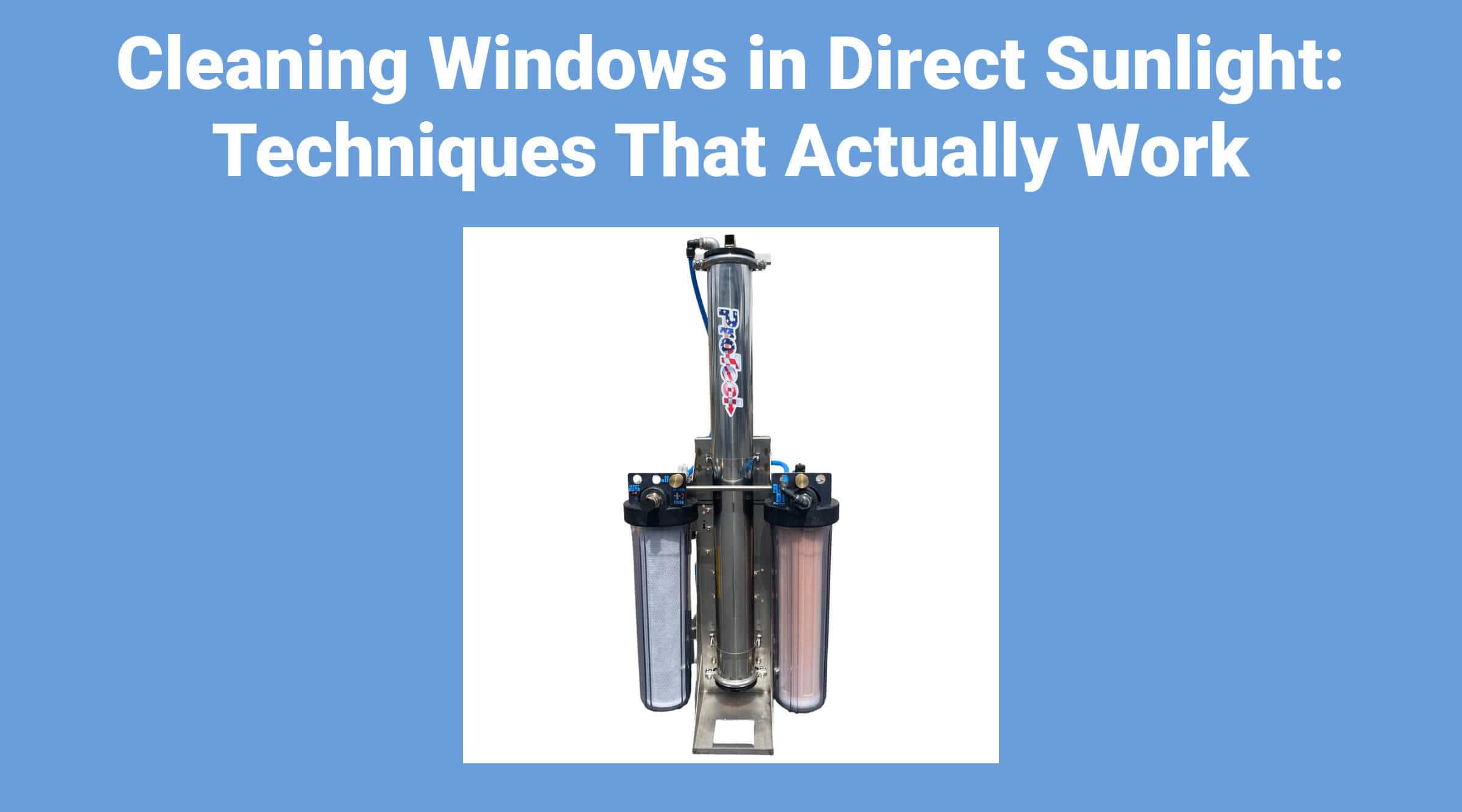
Wetting agents force water to sheet across the surface instead of beading. That sheeting action does double duty: it provides full coverage and pulls thermal energy out of the glass. On hot days, switching your bucket water to deionized water from a ProTool 511 Pure Water Cart reduces spotting dramatically — even if you're squeegeeing traditionally — because there are no dissolved solids left behind when evaporation wins.
One caution: over-soaping is worse than under-soaping in heat. The water evaporates; the surfactant stays. Measure your doses. If you're chasing drag, the answer is a better glide agent, not more detergent.
Pure Water vs. Traditional Squeegee: Which Wins on Hot Glass?
A water fed pole turns the sun from an enemy into a non-issue. The continuous 0.5–1.0 GPM flow from a WFP brush absorbs thermal energy off the glass surface, preventing the flash-dry effect entirely. The water is pure — 0 TDS — so even if some evaporates before you finish rinsing, it leaves nothing behind. No minerals, no streaks, no ghosting.
High-jet-count brushes matter here. A ProTool 4 Pencil-Jet Hybrid Brush or a Gardiner Ultimate brush with dual-trim bristles and jet capsules distributes water across the full scrub path. Two-jet setups can't keep up on 120°F glass — the coverage gaps dry before you make your second pass.
Keep your RO/DI system performing: test TDS output daily during heat waves. Membrane efficiency drops when inlet water temperature climbs above 113°F. If your ProTool Ultra Cart sits in direct sun all day, the water inside the tank heats up and stresses the membranes. Park in shade or insulate the tank.
When You're Squeegeeing in the Heat
Traditional work in direct sun is viable — it just demands the right consumables and a faster cadence.
- Hard rubber only. Professional Squeegees rubber or Ettore Rubber Master hold their edge at 100°F+. Soft compounds go mushy and create uneven pressure. Replace every 4–6 hours in extreme heat — the UV degrades the compound faster than you'd expect.
- High-pile sleeves. A Ettore Mighty sleeve or Unger Monsoon sleeve holds roughly 25% more solution than a standard synthetic. That extra capacity buys you the seconds you need.
- Wide channels. An 18" or 22" channel covers more glass per stroke, reducing total pull count and the time solution sits drying on the pane.
Tactical Techniques for Hot Glass
The Flood-and-Scrub Method
Don't dampen — saturate. Hit the frame and pane with a high-volume applicator and let it soak 10–15 seconds. This pulls thermal energy out of the glass, dropping surface temp 10–15°F before your squeegee touches it. On glass above 95°F, work 2×2-foot sections. A 3×3 section dries too fast for a clean pull.
Speed Fanning
Straight pulls are the wrong move on sun-baked residential glass. Water evaporates at the top of the pane before you reach the bottom, leaving ghosting marks. A continuous fan keeps the solution moving. Cut in at the top with a 1/8" dry line — that small gap prevents water from seeping back onto clean glass and eliminates most detailing.
The Cool-Down Pre-Rinse
A 60-second rinse with a garden hose or WFP drops glass temperature from 110°F to a workable 85°F. This is thermal management, not cleaning — do it before you apply solution. Never scrape dry, hot glass: heat makes the surface more susceptible to tin-side scratches, and blade edges can deform. Detail with ProTool microfiber towels instead of scrim — microfiber handles hot-surface friction better and absorbs more water.
Route Planning: Let the Sun Do the Work for You
The cheapest upgrade to your hot-weather performance is a compass and a schedule.
- East-facing glass: 7:00–10:00 AM. Low thermal load, standard technique works fine.
- North-facing glass: 11:00 AM–2:00 PM. Receives the least direct radiation — roughly 15°F cooler than south-facing surfaces at the same hour.
- South-facing glass: Early morning or late afternoon only. Midday surface temps can exceed 130°F.
- West-facing glass: After 4:00 PM. The glass has absorbed heat all day, but the lower sun angle reduces direct bake on your solution.
When the exterior is getting hammered, move the crew inside. Interior glass acts as a thermal buffer — you get a controlled environment while the exterior cools.
Assign shade tasks during peak hours: screen scrubbing, track detailing, frame wiping. This keeps your crew productive and out of the worst heat. Final inspections change too — view cleaned glass at a 45° angle to catch the micro-haze that ghosting leaves. Head-on viewing misses it.
Hydration isn't optional. Eight ounces of water every 20 minutes when temps exceed 90°F. A dehydrated tech loses the precision that prevents callbacks, and callbacks on sun-damaged cleans are harder to fix than standard re-cleans.
Products Mentioned
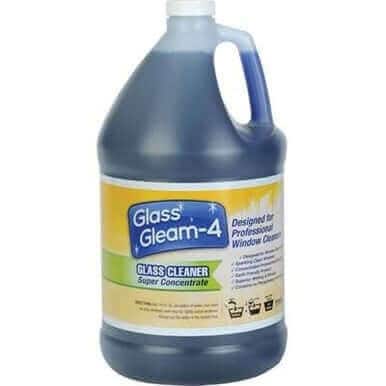 Titan Labs Glass Gleam 4 Window Cleaning Soap SKU: 84-52M | 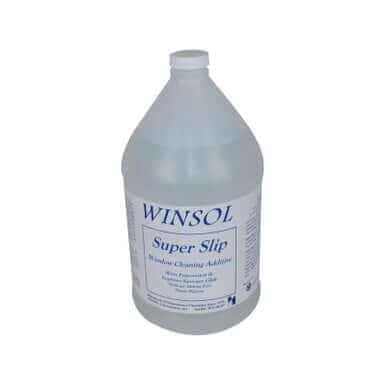 Winsol Super Slip Window Cleaning Soap SKU: 84-62M | 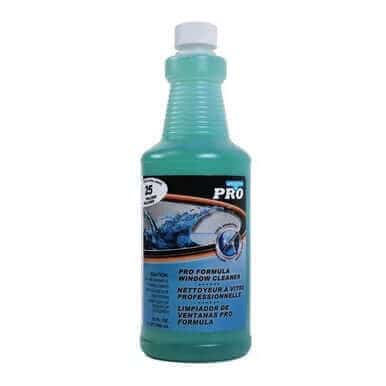 Unger Easy Glide SKU: 84-21M |
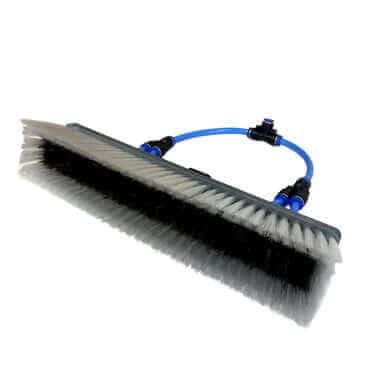 ProTool 4 Pencil-Jet Hybrid Brush 12in SKU: 151-211 | 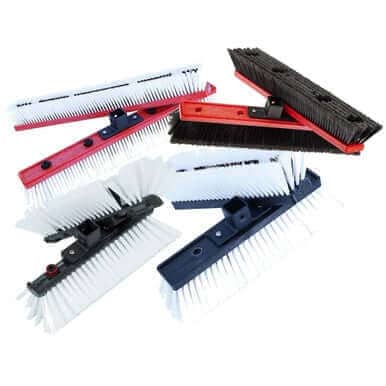 Gardiner Brush Ultimate Series SKU: 158-41M | |
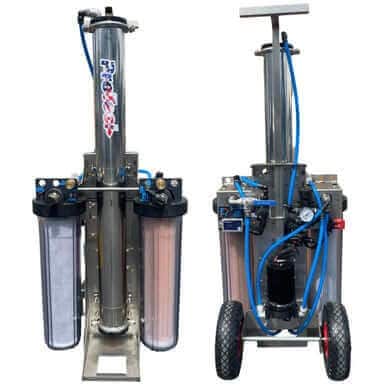 ProTool HiFlo Pure Water Ultra Cart SS 12V or 110V SKU: 150-0522 | 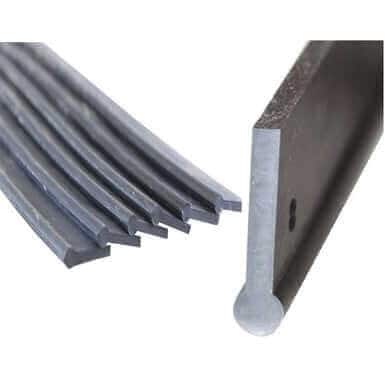 Ettore Rubber Master Replacement SKU: 03-1M | |
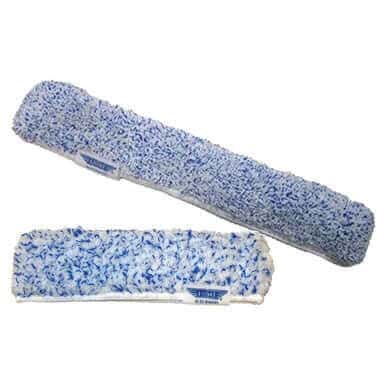 Ettore Sleeve Mighty SKU: 11-15M | 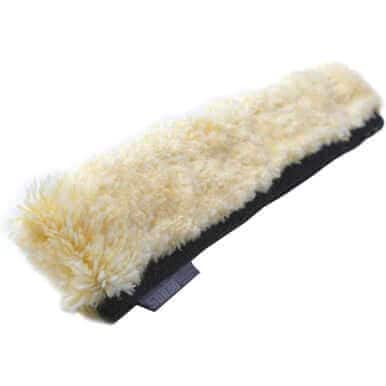 Sorbo Yellow Jacket Sleeve with Brass Snaps SKU: 11-40M | 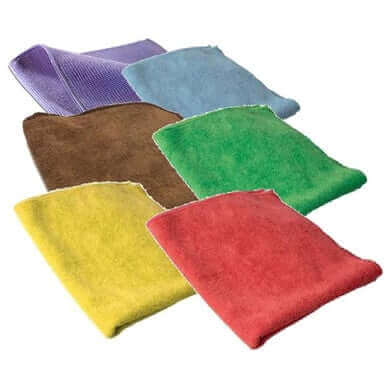 ProTool Microfiber Towel SKU: 24-5M |