How to Clean Exterior Windows Without Streaks: A Pro's Field Guide
Table of Contents
Streaks kill callbacks and credibility faster than almost anything else on a route. Understanding how to clean exterior windows without streaks comes down to three things: solution chemistry, squeegee technique, and equipment quality. Get any one wrong and the sun exposes your work within minutes.
This guide covers the field-tested methods working pros use daily — from proper squeegee mechanics to pure water systems that eliminate the problem at its source.
Why Streaks Happen: Chemistry and Environment
A streak is dissolved material left behind after evaporation. Two sources account for nearly every streak you'll encounter:
- Cleaning solution residue — too much soap, the wrong soap, or soap that doesn't rinse clean.
- Mineral deposits from tap water — calcium, magnesium, and silica dissolved in your water supply. Invisible when wet, obvious when dry.
Total Dissolved Solids (TDS) in standard tap water typically run 100–400 ppm depending on your region. Every drop that dries on glass deposits that mineral load as a visible spot. This is exactly why water fed cleaning systems with RO/DI filtration reduce TDS to zero — the water dries with nothing to leave behind.
Flash Drying: The #1 Field Problem
Your solution evaporates before you squeegee it off. Direct sunlight on glass can push surface temperatures past 140°F. Add wind and you have seconds, not minutes, before residue bakes on.
The fix is simple discipline: work the shaded side of the building first. On fully exposed facades, work early morning, late afternoon, or overcast days. If you must clean in sun, work smaller sections and move fast.
Solution Choice Matters More Than You Think
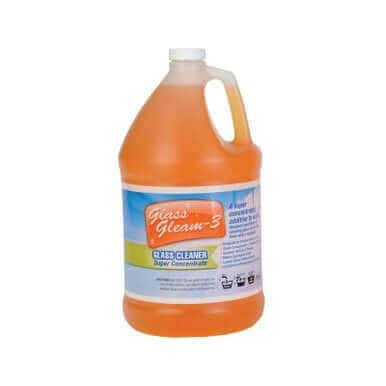
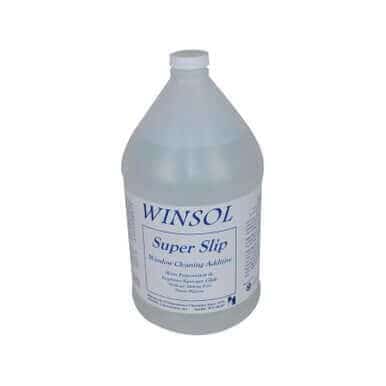
A few drops of a professional glass cleaning soap like Glass Gleam 3 or Winsol Super Slip in clean water outperforms every consumer spray on the market. These concentrates are engineered as surfactants — they lift grime, provide squeegee glide, and rinse clean without filming.
Ammonia-based consumer sprays risk damaging Low-E coatings on modern glass. Skip them entirely.
The Professional Tool Kit
Consumer tools cause the streaks they claim to prevent. Paper towels shed lint. Cheap squeegees flex under pressure. Spray bottles can't wet a full pane evenly. Here's what actually works:
Squeegee
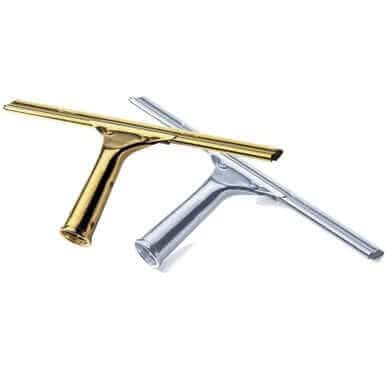
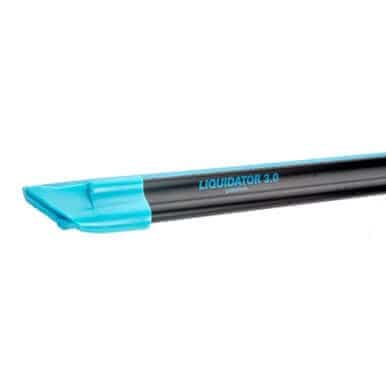
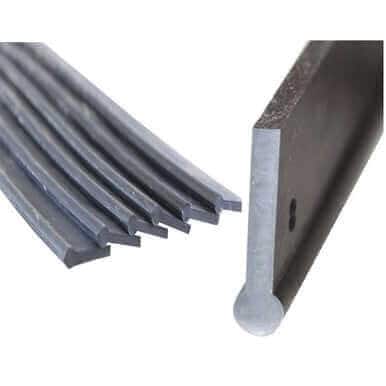
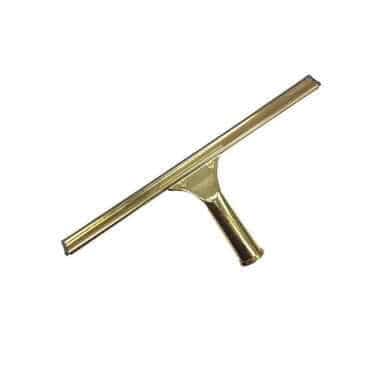
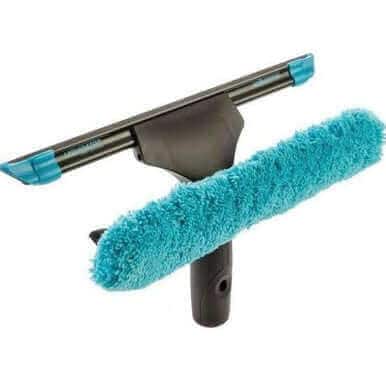
A professional squeegee has a rigid brass or stainless steel channel and a replaceable natural rubber blade. The channel distributes even pressure across the full width — no flex, no missed strips. The Ettore Classic and Moerman Liquidator are industry standards for good reason. A 14" channel handles most residential panes efficiently; carry an 18" and a 6" for large commercial glass and detail work respectively.
Rubber hardness matters. Soft rubber (like Ettore Rubber Master) flexes better in cool weather. Firm rubber holds its edge in heat. Replace at the first nick — a damaged blade drags solution instead of removing it.
T-Bar and Washer Sleeve
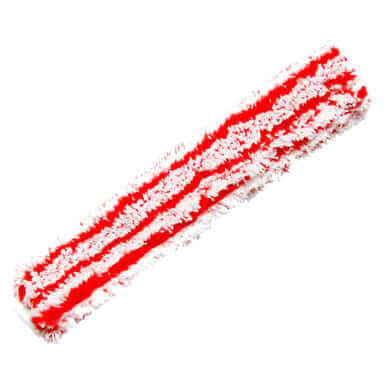
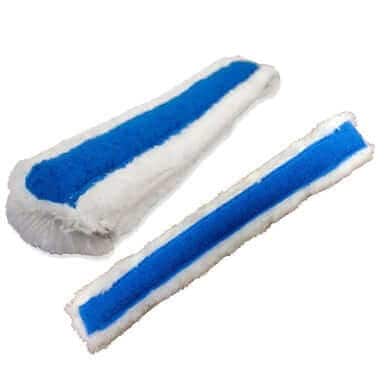
Spraying and wiping is slow and creates dry spots. A T-bar fitted with a quality washer sleeve lets you flood the glass with solution, scrubbing loose every contaminant before you squeegee. The Pulex MicroTiger sleeve handles everyday grime; swap to an abrasive strip sleeve for construction cleanup or neglected glass.
Detailing Cloths
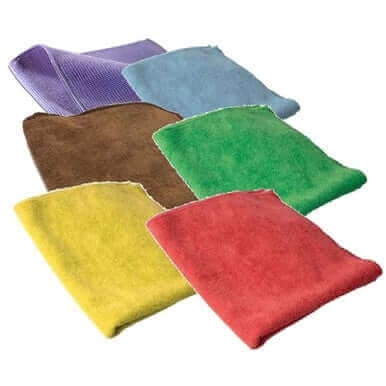
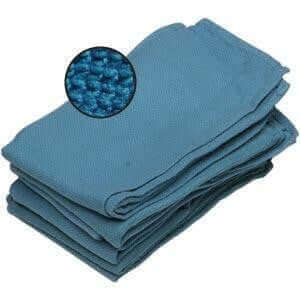
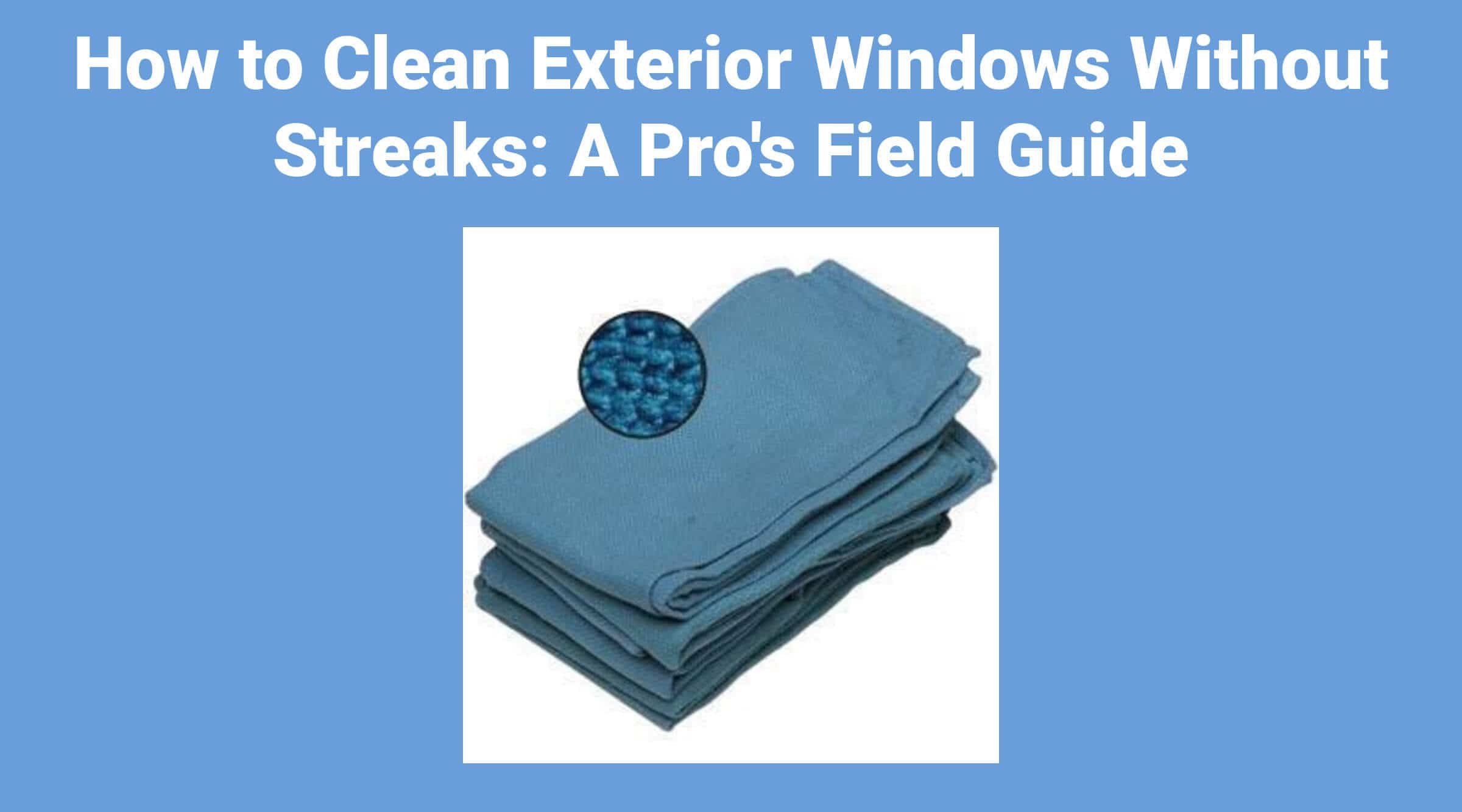
Cotton towels shed lint. Use lint-free microfiber towels or surgical huck towels exclusively for blade wiping and edge detailing. Keep one towel for wiping the blade between passes and a separate dry one for final edge work.
Scrapers and Steel Wool
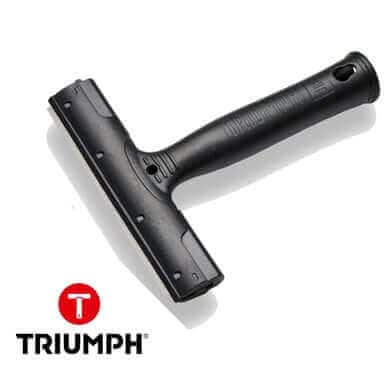
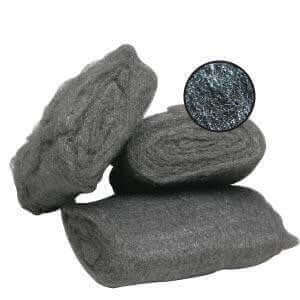
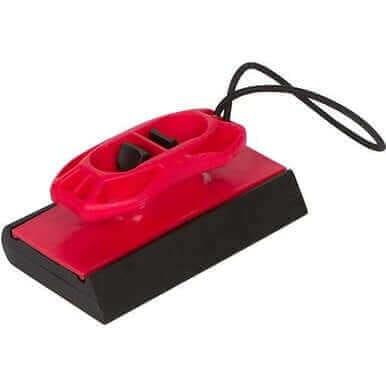
A 6" Triumph scraper removes paint overspray, stickers, and caked debris in seconds. For mineral stains and baked-on grime, 0000-grade steel wool cuts through deposits without scratching glass. Keep both on your belt.
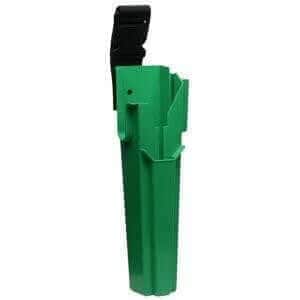
Bucket on a Belt
A bucket on a belt keeps solution at your hip. No bending to a ground bucket, no repositioning on a ladder. It's a small investment that compounds into significant time savings across a full day's route.
Squeegee Technique: The Four-Step Process
Equipment gets you halfway. Technique closes the gap. Here's the process that eliminates streaks consistently:
Step 1: Scrub the Glass
Load your washer sleeve with solution and scrub the entire pane with firm, overlapping strokes. The goal is full lubrication — a dry spot under the squeegee means a streak. Hit the edges and corners where grime concentrates.
Step 2: Cut In
Wipe a dry strip about one inch wide down one side and across the top of the glass with a clean microfiber cloth. This "cut-in" gives your squeegee blade a dry starting point and prevents frame runoff from contaminating your work.
Step 3: Squeegee — Straight Pulls or Fanning
Straight pulls are the place to start. Place the blade in the dry top corner, pull straight across, wipe the blade, move down one inch, repeat. Simple, reliable, and effective on any size pane.
Fanning (S-turns) is faster once you've built the muscle memory. The blade stays on the glass in one continuous serpentine motion, each pass overlapping the last by about an inch. The blade never lifts, so there are no stop marks. Maintain consistent angle and pressure through each turn — that's where the skill lives.
Step 4: Detail the Edges
Use a dry surgical or microfiber towel to wipe the perimeter — gaskets, frame edges, and sill. Water sitting against the frame will wick back onto the glass within minutes. Never touch the center of the freshly squeegeed pane with a cloth; you'll deposit lint and create smears.
Confirm your work by checking from multiple angles. Use the sun as a backlight — it reveals any remaining haze instantly.
Hard Water Stains and Pure Water Technology
Removing Existing Mineral Deposits
When white haze won't come off with soap and a squeegee, you're dealing with mineral scaling bonded to the glass surface. Standard cleaning won't touch it.
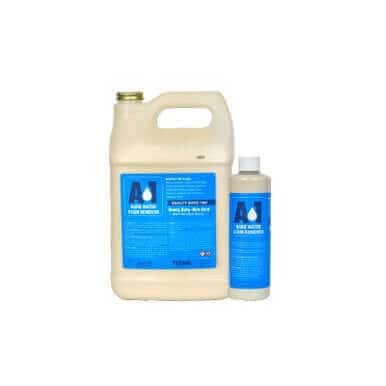
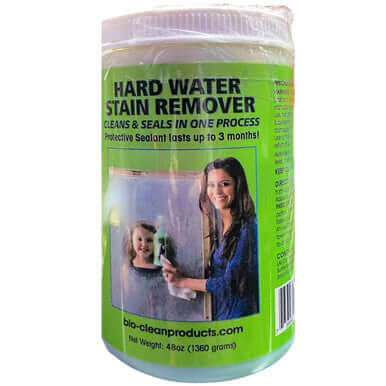
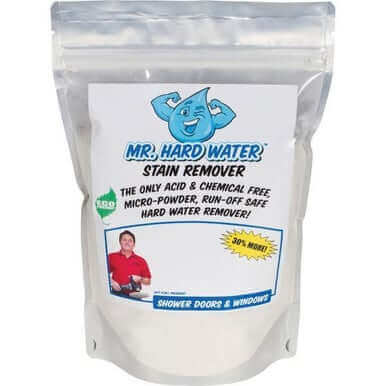
Use a dedicated hard water stain remover — Titan Labs A1, Bio Clean, or Mr. Hard Water powder — applied with a 0000 steel wool pad or a nylon scrub pad on a Knuckler hand tool. Work in small sections with moderate, consistent pressure.
The wet test tells you when you're done: squeegee a section dry. If the haze disappears wet but reappears dry, mineral deposits remain. Keep working. Wear gloves and eye protection with any restoration chemical.
Pure Water Systems: Preventing the Problem
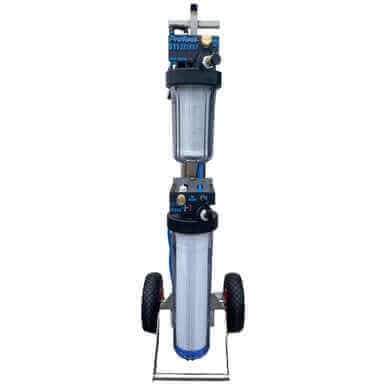
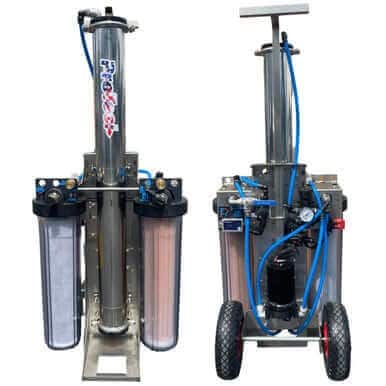
The most efficient answer to how to clean exterior windows without streaks on exterior work — especially multi-story — is purified water delivered through a water fed pole. An RO/DI filtration system strips water to 0 TDS. Zero dissolved solids means zero spots when the water dries.
The workflow changes completely:
- No squeegee needed. Scrub with a pole-mounted brush, rinse with pure water, walk away. The water dries spot-free.
- Frames and sills clean simultaneously. The brush hits everything in one pass — glass, frames, sills — cutting job time significantly.
- Ground-level safety. Clean up to 4–5 stories from the ground. No ladders, no lifts on most residential and low-rise commercial work.
For residential operators, a compact cart like the ProTool 511 is an efficient entry point. High-volume commercial crews benefit from a ProTool HiFlo Ultra Cart with higher GPM output. Both produce 0 TDS water from a standard garden hose connection.
Equipment Maintenance and Selection
Rubber Care
Your squeegee rubber is a consumable, not a permanent part. A single nick creates a streak across every pane you clean until you replace it. Store squeegees with the blade hanging or covered — never resting on the rubber edge. Keep rubber out of direct sun and away from heat sources, which accelerate hardening.
On a full-time route, expect to flip or replace rubber every 1–2 weeks depending on volume. Part-time or residential-only operators get longer life but should still inspect before every job.
Building a Starter Kit
If you're outfitting for the first time, start here:
- 14" squeegee with brass or stainless channel — Ettore Complete or Moerman Combinator
- 14" T-bar and washer sleeve
- Microfiber towels (minimum 4–6)
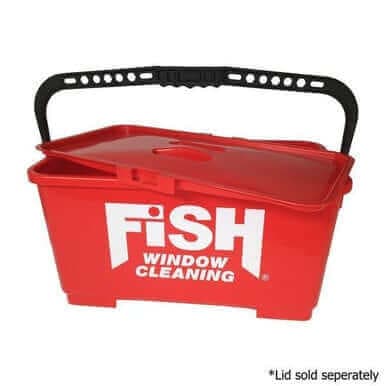
- Rectangular bucket
- Professional soap concentrate — Glass Gleam 3
- 6" scraper
For second-story access, add a telescopic extension pole. Never compromise on ladder safety — a fall costs infinitely more than any piece of cleaning equipment.
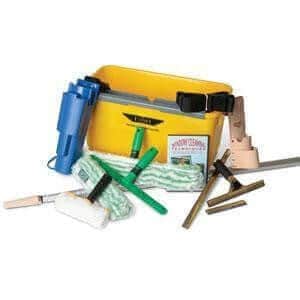
For a curated ready-to-go package, the J.Racenstein Window Cleaning Kit covers the essentials.
When Glass Needs Professional Restoration
A milky or hazy appearance that persists through cleaning indicates Stage 2 mineral corrosion — the deposits have begun etching the glass surface itself. This requires mechanical polishing with specialized compounds and equipment, not stronger chemicals. If you encounter this, it's restoration work, not cleaning, and it demands different tools and pricing.