null

Advice and Learning Center

Cerium Oxide: How to remove stains and polish glass with it

Jay Racenstein Jay Racenstein
6 minute read

Listen to article
Audio generated by DropInBlog's Blog Voice AI™ may have slight pronunciation nuances. Learn more

Table of Contents

Why Glass Polishing Is Essential: A Complete Guide

Glass is everywhere—in windows, doors, mirrors, car windshields, and more. Over time, however, glass can become marred by hard water stains, fine scratches, swirl marks, and other surface damage that traditional cleaning chemicals cannot remove. This is where glass polishing comes in. Polishing restores the clarity, shine, and smoothness of glass, improving both aesthetics and functionality. In this guide, we’ll explore why glass needs polishing, what supplies are required, and step-by-step instructions for achieving professional results.


Why Does Glass Need Polishing?

There are several common reasons glass requires polishing:

1. Hard Water Stains and Surface Damage

Hard water contains minerals like calcium and magnesium, which can leave unsightly spots and stains on glass surfaces. Over time, these minerals can etch into the glass, creating surface imperfections that standard cleaners cannot remove. Polishing physically removes these stains and etches, restoring the glass to a clear and smooth state.

2. Fine Hairline Scratches

Glass can develop hairline scratches from cleaning tools, dust, or daily wear and tear. While these scratches are often minor, they can cause glare, reduce clarity, and make glass look dull. Glass polishing compounds, such as Cerium Oxide, are effective at removing these superficial scratches and restoring a polished finish.

3. Swirl Marks and Polishing Streaks

Sometimes, previous attempts to clean or polish glass leave swirl marks or streaks behind. Using the proper combination of felt and foam polishing pads along with a polishing compound can eliminate these imperfections, producing a crystal-clear, high-shine surface.


Supplies Needed for Glass Polishing

Before starting a glass polishing project, gather the following essential supplies:

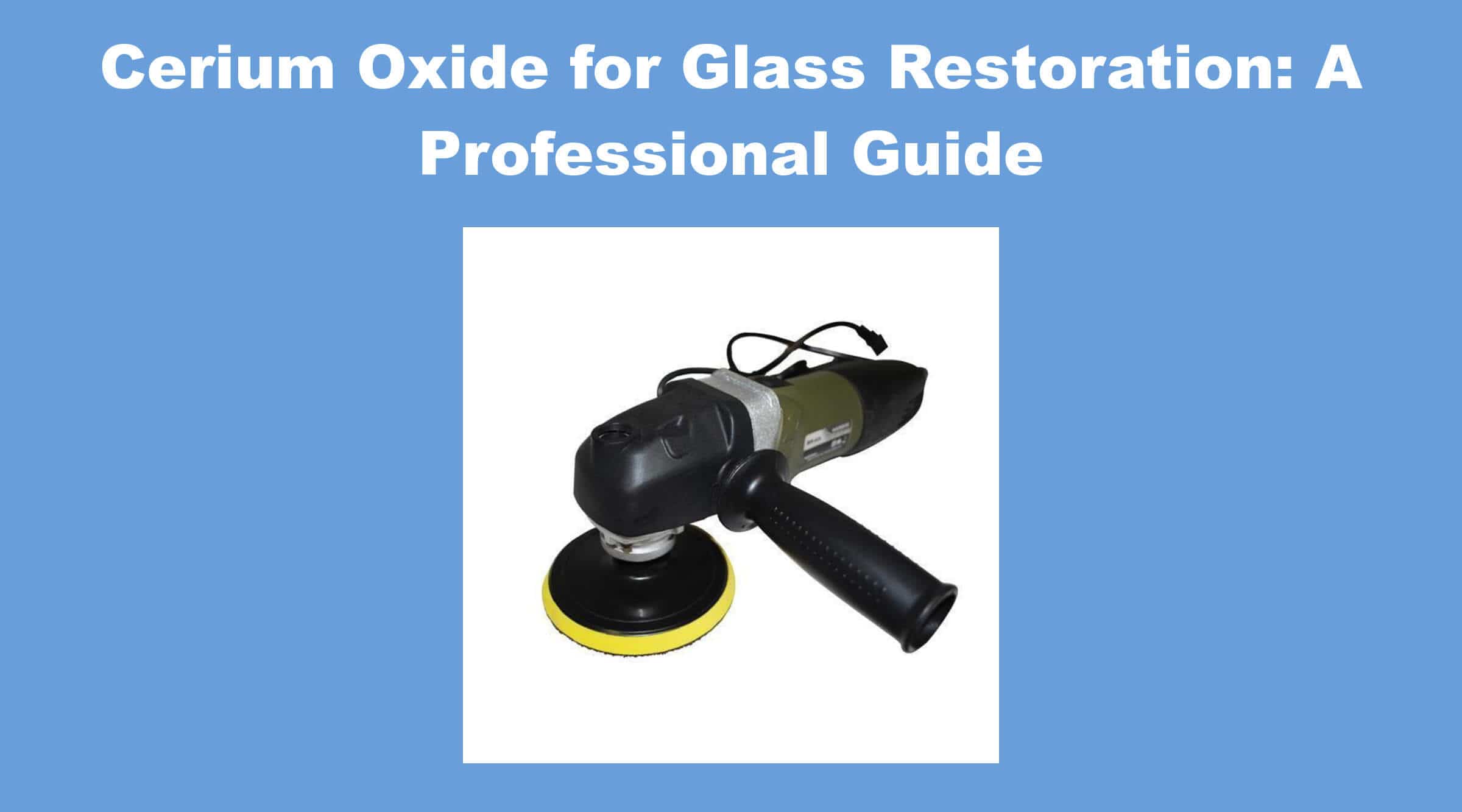
  • Power Drill or Polishing Tool: A drill provides consistent pressure and speed for efficient polishing.

  • Polishing Pads: Choose between 3 or 5-inch felt pads or foam pads with Velcro backing. Felt pads are ideal for removing deep scratches and heavy stains, while foam pads provide a smoother finish and help reduce heat buildup.

  • Cerium Oxide Polishing Compound: The most common polishing compound used to remove stains, light scratches, and hairlines. Mix with water to form a paste for application.

  • Spray Bottle with Water: Keeps the surface wet during polishing to prevent overheating and ensure even compound distribution.

  • Cotton Cloth (for hand polishing): Ideal for smaller or hard-to-reach areas.

  • Optional Polishing Kits: Many kits include various pads, adapters, and polishing compounds designed for glass, auto paint, and natural stone surfaces.

cerium oxide


Understanding Polishing Pads

Different types of polishing pads are used depending on the severity of the surface damage:

Felt Pads

  • Remove fine hairline scratches and heavier stains.

  • Generate less heat than foam pads, allowing for deeper polishing.

  • Ideal for initial polishing stages to restore damaged areas.

Foam Pads

  • Have some flexibility, making them easier to use with a power tool.

  • Remove swirl marks and polishing streaks left by felt pads.

  • Generate heat faster and use less Cerium Oxide, suitable for final polishing and achieving high shine.

  • Flat foam pads restore glass faster than textured or “bumpy” pads, which are better for final detailing.


Step-by-Step Directions for Glass Polishing

Machine-Operated Polishing

  1. Clean the Surface: Remove dirt, debris, or contaminants using ammonia-free glass cleaner, isopropyl alcohol, or distilled water.

  2. Mask Surrounding Areas: Protect adjacent surfaces from water and polishing compound exposure.

  3. Prepare the Cerium Oxide Paste: Pour 1–2 tablespoons of Cerium Oxide powder into a lid and add water until a paste-like consistency forms.

  4. Apply to Pad: Dip the felt or foam polishing pad into the paste.

  5. Polish: Turn on the drill and hold the pad flat against the glass. Move over the damaged area for several minutes, adding water as needed to keep the surface wet.

  6. Reapply Compound: When the polish becomes diluted by water, stop and add more paste to the pad. Repeat until scratches and stains are removed.

  7. Rinse and Clean: Use water or glass cleaner to remove any remaining Cerium Oxide from the surface.

Hand Polishing

  1. Clean the Surface: Use ammonia-free cleaner or distilled water to remove debris.

  2. Prepare Cerium Oxide Paste: Mix 1–2 tablespoons of Cerium Oxide powder with water to create a paste.

  3. Apply to Cloth: Spread a layer of paste on a cotton cloth.

  4. Polish: Spray the glass with water and rub vigorously in a circular motion. Reapply the compound as needed, keeping the glass surface moist.

  5. Finish Cleaning: Remove all residue with water or glass cleaner to reveal a polished surface.


Tips for Effective Glass Polishing

  • Work in Small Sections: Polishing large areas at once can be inefficient. Working in smaller sections ensures consistent results.

  • Keep the Glass Wet: This prevents overheating, reduces friction, and allows the compound to work effectively.

  • Use Appropriate Pressure: Applying too much pressure can damage the glass or pad. Let the polishing compound and pad do the work.

  • Start with Felt, Finish with Foam: Felt pads handle deeper scratches and heavy stains, while foam pads provide a smooth, high-gloss finish.

  • Safety First: Wear gloves, eye protection, and avoid inhaling Cerium Oxide dust.


Advantages of Glass Polishing

  • Restores Clarity: Removes fine scratches and stains, improving visibility and light transmission.

  • Enhances Aesthetics: Polished glass looks cleaner, newer, and more professional.

  • Extends Glass Lifespan: By removing surface damage early, polishing prevents further deterioration.

  • Versatile Use: Effective on windows, mirrors, auto glass, glass tabletops, and headlamps.


When to Consider Glass Polishing

  • After Hard Water Damage: Mineral deposits can etch into the glass surface.

  • After Minor Scratches: Hairline scratches from cleaning or debris can be corrected.

  • For Auto Headlights: Polishing removes cloudiness and improves light output.

  • For Stubborn Stains: Polishing is often the only way to remove damage that chemical cleaners cannot.


  1. Cerium Oxide: The primary polishing compound for glass.

  2. Felt and Foam Polishing Pads: For deep scratches and final finishing.

  3. Polishing Kit: Includes pads, adapters, and Cerium Oxide for glass, painted surfaces, and natural stone.

  4. Spray Bottle with Water: Maintains moisture on the surface to avoid heat damage.


Conclusion

Glass polishing is a crucial process for restoring clarity, shine, and structural integrity to stained, scratched, or damaged glass. Whether using machine-operated or hand polishing techniques, the key is to use Cerium Oxide, proper polishing pads, and consistent water application to protect the glass surface.

By understanding the supplies needed, the types of pads, and proper polishing techniques, you can eliminate hard water stains, hairline scratches, and swirl marks, leaving glass looking pristine. Regular maintenance and occasional polishing also extend the lifespan of your glass surfaces, making this an essential skill for homeowners, window cleaners, and auto detailing professionals.


FAQs

Why does glass need polishing?

Glass can develop hard water stains, hairline scratches, swirl marks, and other surface damage that standard cleaning chemicals cannot remove. Polishing restores clarity, shine, and smoothness.

What supplies do I need to polish glass?

Essential supplies include a power drill or polishing tool, felt and foam polishing pads, Cerium Oxide polishing compound, a spray bottle with water, and a cotton cloth for hand polishing. Polishing kits with pads and adapters are also available.

What is Cerium Oxide, and how does it work?

Cerium Oxide is a polishing compound that removes surface stains and scratches on glass. Mixed with water to form a paste, it is applied with a felt or foam pad. The buffing action removes imperfections and restores shine.

« Back to Blog

Don't Miss Out