How to Safely Clean Stained Glass Windows

Table of Contents
Stained glass is one of the highest-liability surfaces you will touch on a job. The lead came oxidizes, the glazing compound dries out over decades, and individual panes can be loose enough to push out with moderate pressure. Cleaning it safely means understanding what can go wrong before you pick up a towel.
Inspect Before You Touch Anything
Run your fingers lightly along the lead came on both sides. You are checking two things:
- Loose or bowing panes. If any piece shifts under light pressure, liquid will wick into the gaps and drip on the opposite side — or worse, the pane falls out. Flag loose sections for the client and do not clean them.
- Came condition. Heavily oxidized or crumbling lead means the entire panel is fragile. Recommend a glazier before you proceed.
What Not to Use
- Dawn or alkaline dish soaps. Alkaline cleaners react with lead came and leave dark, streaky discoloration that is difficult to reverse.
- Water fed poles. The water pressure and brush contact are enough to pop a weakened pane out of its channel. One push and you own a restoration bill.
- Squeegees with hard channel pressure. Dragging a standard squeegee channel across raised lead lines risks cracking adjacent glass or catching on solder joints.
The Safe Method: Foam Spray and Microfiber
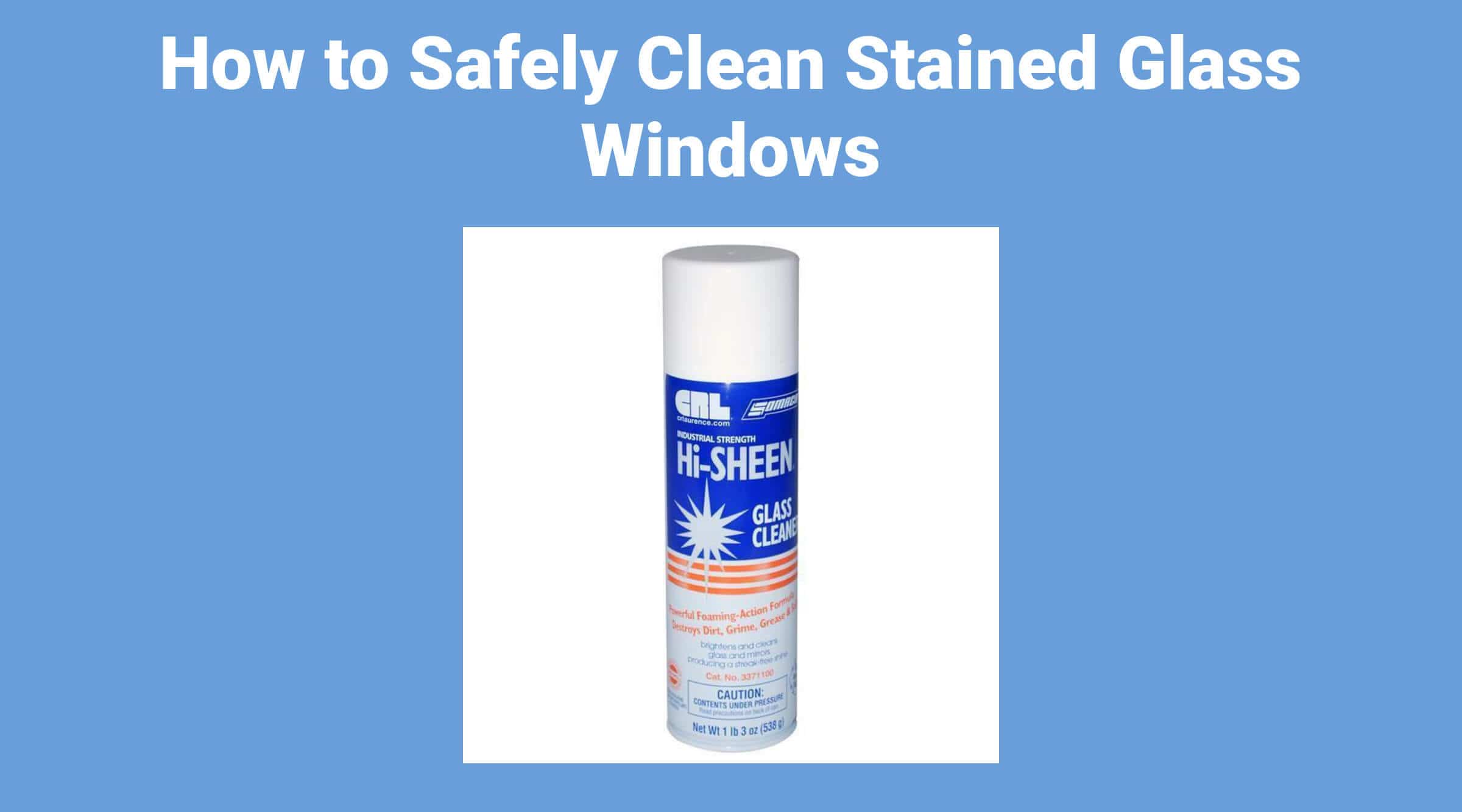
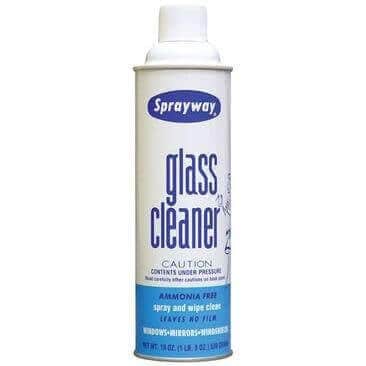
The lowest-risk approach is a foam aerosol glass cleaner and a quality microfiber towel. Foam clings to the surface instead of running into joints, and microfiber lifts residue without abrasion.

Step-by-Step Workflow
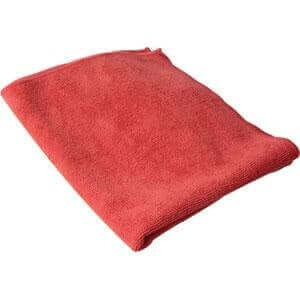
- Dry-dust first. Use a soft, dry ProTool Microfiber Towel or a clean Ettore MicroSwipe towel to remove loose dust and cobwebs. This prevents mud streaks when you add cleaner.
- Spray foam onto the towel, not the glass. Spraying directly onto the pane risks liquid running into lead joints. A light mist on the towel gives you control.
- Wipe in straight, gentle passes. Follow the direction of each pane — do not drag across lead lines. Rotate the towel frequently to a clean face.
- Buff dry immediately. Use a second dry microfiber towel to remove any remaining haze before it can wick into seams.
- Check the opposite side. If any moisture migrated through a gap, dry it immediately to prevent water staining on interior painted glass.
Dealing with Stubborn Grime
Exterior stained glass in churches and older buildings accumulates decades of pollution, bird droppings, and hard water deposits. If foam and microfiber alone do not cut it:
- A pH-neutral glass cleaner like ProTool Hi Sheen Glass Cleaner applied to the towel works well on heavier film.
- For hard water mineral deposits on non-painted glass, ProTool Pro Hard Water Stain Remover can be used sparingly — apply with a soft cloth, never on painted or gilded surfaces.
- Never use abrasive pads, steel wool, or razor scrapers on stained glass. The glass is often thinner and softer than modern float glass.
Pricing and Scope Considerations
Stained glass work is slow, liability-heavy, and requires more care than standard commercial glass. Price accordingly:
- Charge per pane or per panel, not per square foot. A 20-pane rose window takes far longer than 20 square feet of plate glass.
- Document every loose or damaged section in writing before you start. Photograph the panel on both sides. If it breaks during cleaning, you need proof it was pre-existing.
- Some historic panels are protected by exterior storm glazing. Clean the storm glass normally with a squeegee; treat the stained glass behind it with the foam-and-towel method only if access is requested.
Recommended Tools
- ProTool Microfiber Towel — lint-free, soft enough for leaded glass
- Ettore MicroSwipe Microfiber Towel 10 Pack — bulk option for large jobs
- ProTool Hi Sheen Glass Cleaner — pH-neutral spray for heavier cleaning
- ProTool Pro Hard Water Stain Remover — for mineral deposits on non-painted panes
- Microfiber Towels — full selection by brand
Products Mentioned
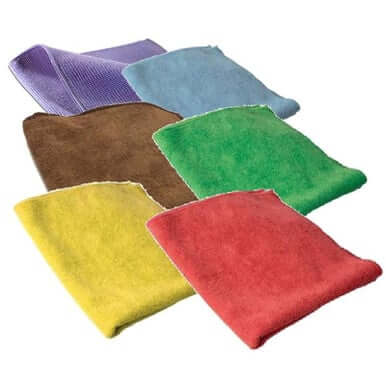 ProTool Microfiber Towel SKU: 24-5M | ProTool Microfiber Towel SKU: 24-5M | 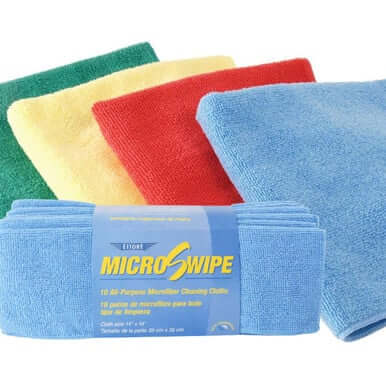 Ettore MicroSwipe Microfiber Towel 10 Pack SKU: 24-1M |
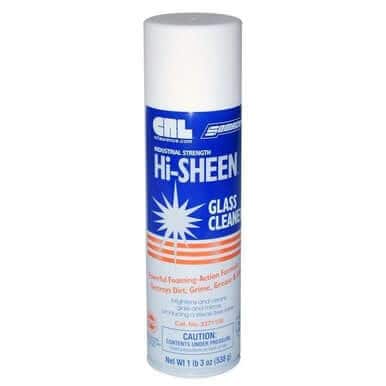 ProTool Glass Cleaner Hi Sheen 20oz Spray SKU: 84-810 | 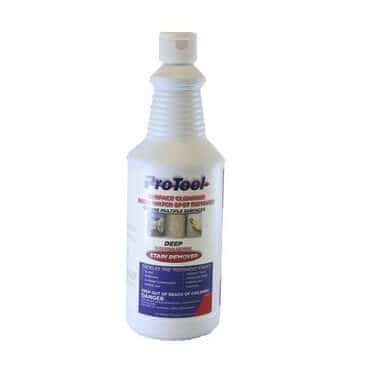 ProTool Pro Hard Water Stain Remover Qt SKU: 85-090 | Ettore MicroSwipe Microfiber Towel 10 Pack SKU: 24-1M |