How to Use Teflon Tape on Pressure Washing Fittings

Table of Contents
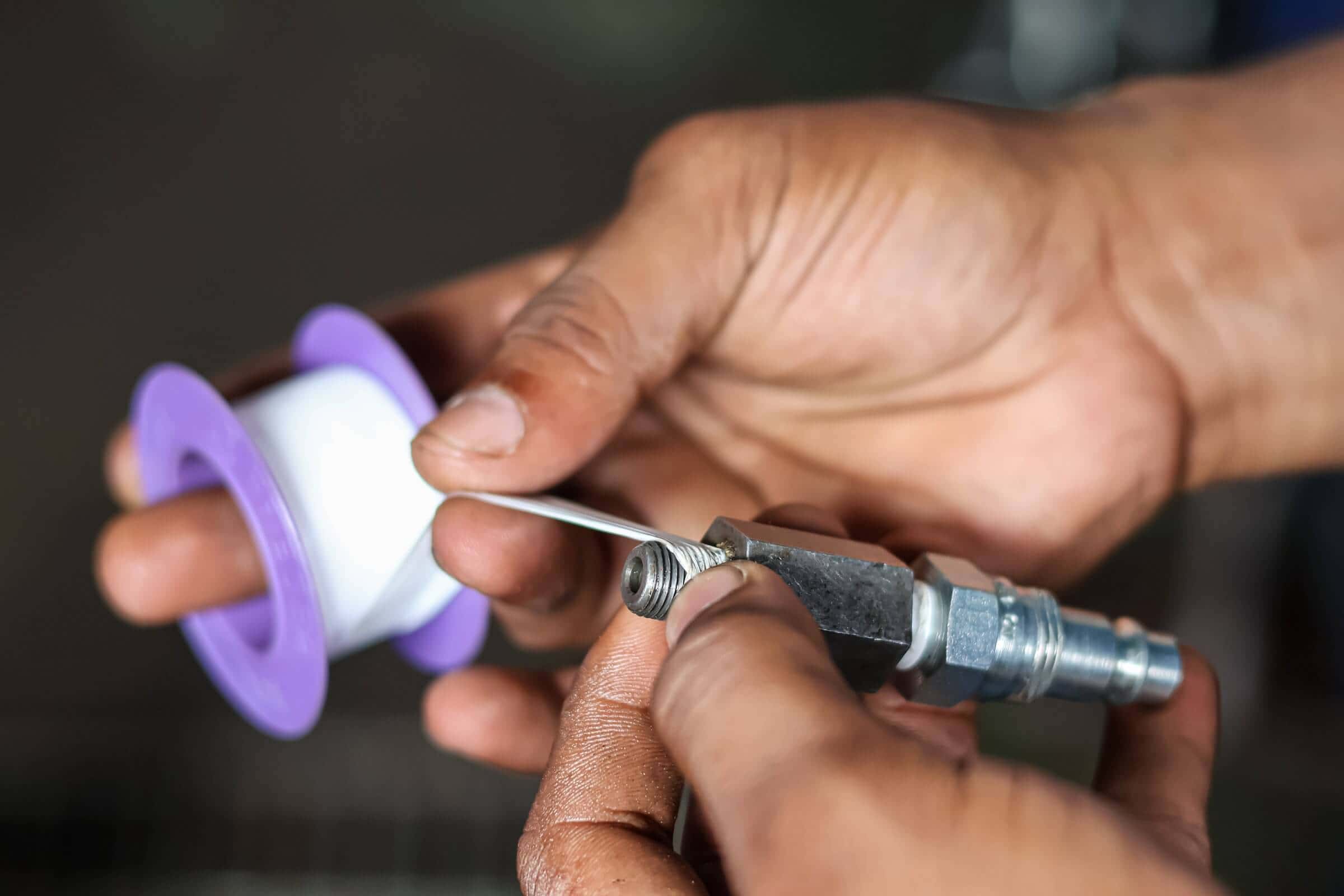
A slow drip from a pressure washer fitting means lost PSI, potential pump damage, and wasted time mid-job. The fix is a $3 roll of teflon tape — but applied wrong, it shreds into your unloader valve or cracks a brass fitting. Most callbacks from "leaking connections" trace back to the wrong tape type, wrong wrap direction, or too many wraps.
This guide covers tape selection for cleaning equipment, the correct wrapping method, and the mistakes that cause persistent leaks on NPT fittings.
What Teflon Tape Actually Does on Threaded Fittings
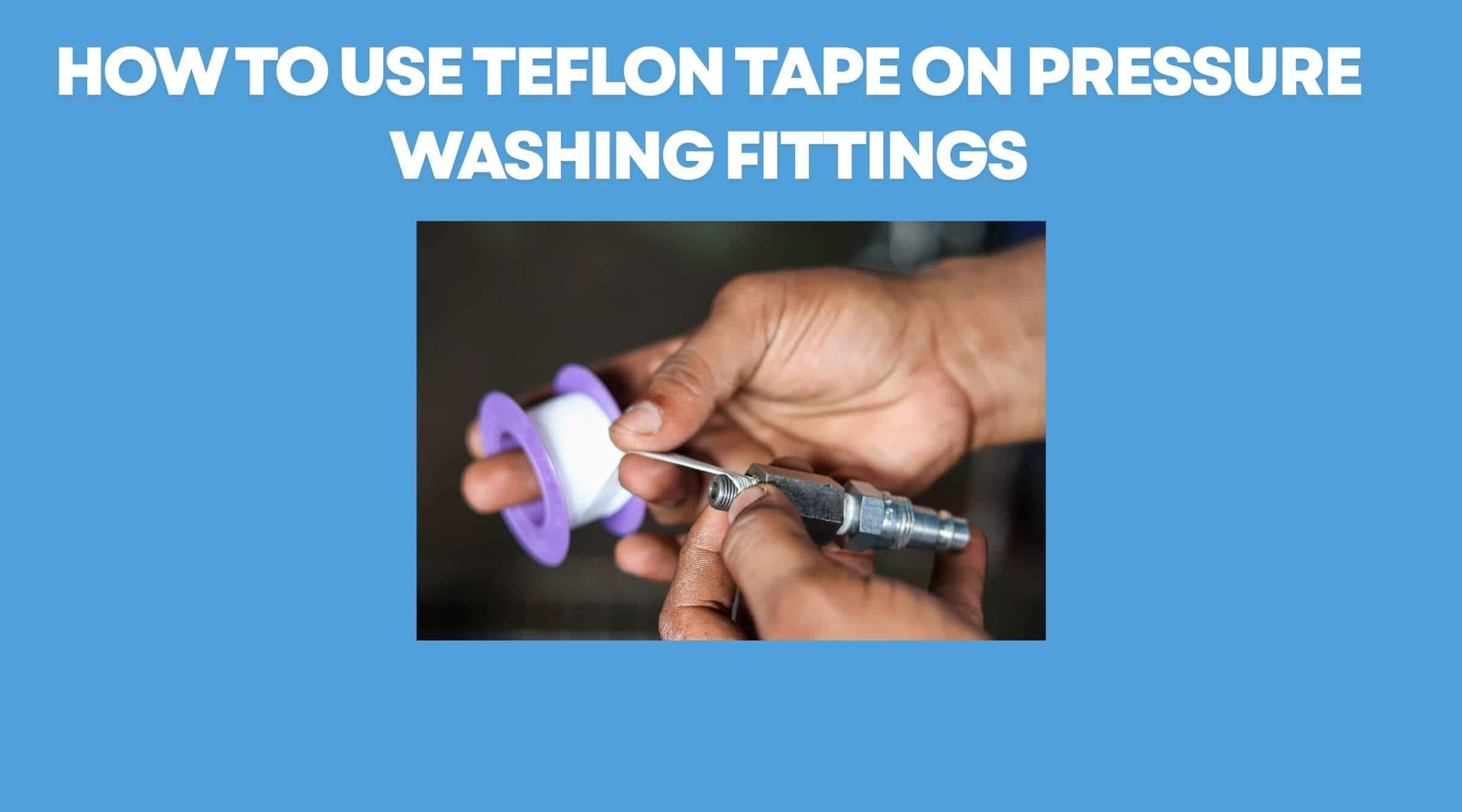
Teflon tape isn't adhesive tape. It's a thin film of PTFE (polytetrafluoroethylene) that does two things simultaneously: fills the microscopic voids between male and female NPT threads to block water, and lubricates those threads so the fitting seats without galling or cross-threading.
That lubrication matters more than most contractors realize. Stainless steel fittings — common on pressure washing guns and lances — are notorious for galling. Without PTFE between the threads, a stainless fitting that goes on fine will seize so badly you'll destroy it on removal. The tape prevents that.
On the sealing side, the soft PTFE deforms under compression as you tighten the joint. It fills gaps that machined threads alone can't close, creating a barrier that holds under both low-pressure water-fed systems and 4,000+ PSI pressure washing rigs.
Choosing the Right Tape Type for the Job
Tape color isn't cosmetic — it tells you the density, thickness, and intended service. Using the wrong type is a direct path to a failed seal or a cracked fitting.
White (Standard Density)
General-purpose, thin, low-density. Fine for garden hose bibs and non-critical low-pressure water connections. Not rated for the pressures or chemical exposure in professional cleaning work. If it's the only tape in your truck, you're underequipped.
Pink (Heavy Density, Water Service)
Thicker and denser than white. This is the correct choice for NPT threads on pressure washer pumps, spray guns, and quick-connect fittings. It seals reliably at pressures well above what standard white can handle, and fewer wraps are needed.
Gray/Silver (Anti-Seize, Stainless Steel)
Contains nickel pigment that prevents galling on stainless-to-stainless connections. Essential for stainless steel lances and reel swivels — any fitting where you'll need to disassemble for maintenance without destroying threads.
Yellow (Gas Lines Only)
Higher density, rated for natural gas, propane, and fuel connections. Use it on gas-powered engine fittings — and only there. It's unnecessary and more expensive for water service.
Step-by-Step Application Technique
The difference between a seal that holds and one that leaks at 3,000 PSI comes down to three variables: direction, tension, and wrap count.
Step 1: Clean the Threads
Strip all old tape, pipe dope, rust, and debris from the male threads. A wire brush clears bulk material; a dental pick or small flathead gets the shreds lodged in thread roots. Wipe dry. Any residue left behind compromises the new seal.
Step 2: Wrap Clockwise (With the Threads)
Hold the fitting so the threaded end faces you. Wrap the teflon tape clockwise — the same direction the fitting turns when you tighten it. This is the single most common point of failure: wrapping counter-clockwise causes the tape to bunch and shred as you thread the fitting in, defeating the seal entirely.
Memory aid: the tape wraps the same way you turn a wrench to tighten.
Step 3: Tension, Overlap, and Count
- Tension: Pull the tape taut against the threads as you wrap. Loose tape traps air and won't conform to the thread profile.
- Overlap: Each pass covers roughly half the width of the previous wrap, building consistent thickness.
- Wrap count: 3–5 wraps for standard water and air fittings. More isn't better — excess tape prevents the fitting from seating and can crack female brass or plastic fittings.
- Start point: Begin on the second thread from the end. Starting at the very tip risks shearing tape into the system during assembly — those fragments end up in your chemical injectors, nozzle tips, or unloader valves.
Common Mistakes That Cause Leaks
Wrong Direction
Counter-clockwise wrapping is the number-one cause of tape failure. The fitting unwinds the tape as it threads in, leaving you with bunched PTFE and zero seal. Always clockwise.
Tape on the Wrong Fitting Type
Teflon tape is for tapered NPT threads only. Using it on compression fittings, flared fittings, or garden hose threads (which seal with a rubber washer) actually prevents those connections from sealing properly. If the fitting has an O-ring or gasket, the tape goes nowhere near it.
Quick-connect fittings are a frequent offender here. A leaking QC fitting almost always means a worn O-ring — tape on the outside does nothing because the seal is internal.
Over-Wrapping
More than 5 wraps on a standard fitting creates excess bulk that prevents full thread engagement. On brass or plastic fittings, the resulting hoop stress can crack the female side. Worse, excess tape shreds during assembly and sends fragments downstream into filters, check valves, and spray tips — the kind of clog that's invisible until performance drops.
Under-Wrapping
One or two wraps on a thin white tape won't fill thread voids. The result is a slow weep that shows up an hour into the job. Use the right density tape (pink for pressure work) and apply 3–5 wraps.
Teflon Tape vs. Pipe Dope: When to Use Each
Both belong in a contractor's maintenance kit. They solve different problems.
Use Teflon Tape When:
- Speed matters. No cure time — the connection is ready to pressurize immediately. Ideal for field repairs.
- You'll disassemble later. Tape lubricates on removal. Use it on spray guns, wand assemblies, and any fitting you service regularly.
- Fittings are plastic or PVC. Tape lubricates without the solvents found in some pipe dopes, which can chemically attack PVC and cause stress cracking over time. Common on chemical injection systems.
Use Pipe Dope When:
- Vibration is constant. Fittings near a pump or engine benefit from dope's heavier, more tenacious seal. Tape can work loose under sustained vibration; dope stays put.
- Threads are worn or damaged. Dope's paste consistency fills larger voids and thread imperfections that tape bridges over rather than sealing.
- The connection is semi-permanent. Hardening-type dopes lock fittings in place, trading easy disassembly for a seal that won't back out under pressure cycling.
The trade-off: dope is messier, often requires cure time, and makes future disassembly harder. For most field connections on cleaning equipment, tape is faster and sufficient. For pump manifolds and engine-side plumbing, dope earns its place.
Putting It Together
A proper teflon tape application takes 30 seconds and prevents hours of troubleshooting. Pick the right density for your pressure range, wrap clockwise with tension, stay at 3–5 wraps, and keep tape off fittings that don't need it. That's the entire skill.
For pressure washing fittings, replacement O-rings, quick connects, and the rest of what keeps your rig sealed and running, J.Racenstein stocks the parts contractors actually need — with the technical support to match.
Products Mentioned
 ProTool Lance Stainless Steel Uninsulated SKU: 74-58M |