Pressure Washing Mistakes That Cost Contractors Money

Table of Contents
Pressure washing mistakes are expensive in ways that go beyond property damage. A cracked pump manifold kills a day's revenue. A striped driveway costs you a Google review. An injection injury costs you a crew member. Most of these failures trace back to the same handful of errors — wrong nozzle, bad prep, or a pump left in bypass too long. Here's how to eliminate them.
Site Prep Failures That Create Liability
The walkthrough isn't optional. Before you pull the trigger, you're documenting cracked siding, loose window seals, oxidized paint — anything a homeowner might "discover" after you leave. If you don't photograph pre-existing damage, you own it.
Water intrusion is the invisible killer. A professional-grade machine pushes water into every gap in the building envelope: keyholes, doorbell cameras, GFCI outlets, failed caulking. Tape electrical penetrations with heavy-duty professional tape before starting pumps. Check every window seal. Water behind failed caulking leads to interior remediation costs that dwarf the cleaning invoice.
Pre-wet all landscaping before chemical application. Detergents strip organic matter indiscriminately — algae and prize roses look the same to sodium hypochlorite. Maintain a rinse cycle during and after application to dilute overspray.
PPE Is Not a Suggestion
High-pressure injection injuries — where water and surfactants are forced under the skin — are medical emergencies that can lead to amputation. Standard footwear fails on wet, soapy concrete; professional-grade boots with slip resistance are baseline. When downstreaming bleach or harsh degreasers, respiratory protection prevents cumulative lung damage. Your health is your most expensive piece of equipment.
Nozzle, PSI, and GPM Errors
The belief that higher pressure equals better cleaning is the single most common mistake in this trade. It leads to surface damage, premature pump failure, and slower work.
GPM drives cleaning speed, not PSI. An 8 GPM machine at 3,000 PSI cleans a driveway faster than a 4 GPM machine at 4,000 PSI because it carries more debris away and supports wider surface cleaners. Low flow rates cause "striping" — uneven cleaning paths that leave visible lines. Increasing flow lets you run wider fan patterns with fewer passes.
Nozzle orifice size directly controls pump health. A tip that's too small creates excessive backpressure, overheating the pump and blowing seals. Too large drops PSI below effective cleaning thresholds. Match your nozzle tips to your machine's rated GPM and PSI using a nozzle chart — this is a technical requirement, not a suggestion.
Hose diameter matters too. A 1/4-inch hose might work on a small electric unit, but a professional 8 GPM machine needs 3/8-inch or 1/2-inch pressure hose to minimize friction loss.
Turbo Nozzles vs. Zero-Degree Tips
The red 0-degree tip has almost no place on residential substrates — it acts like a laser, cutting through wood and vinyl. For heavy-duty concrete, a turbo nozzle delivers the impact of a 0-degree stream in a rotating pattern, covering more area safely and efficiently.
Substrate Damage: When Pressure Is the Wrong Tool
High PSI on wood causes "furring" — the water rips fibers apart, leaving a fuzzy, splintered surface that's difficult to sand and seal. It's permanent structural damage. Wood requires chemical cleaning, not mechanical force.
Never pressure wash asphalt shingles. The stream strips protective granules that provide UV resistance and fire protection. Once gone, shingles fail prematurely. Similarly, spraying upward or into weep holes on vinyl or Hardie board forces water behind siding, soaking house wrap and insulation. Hidden mold remediation costs far exceed the cleaning job.
Even concrete isn't bulletproof. "Green" concrete (less than a year old) and decorative stamped finishes etch under excessive PSI, leaving permanent wand marks or exposing aggregate. That usually means full resurfacing.
Soft Washing for Sensitive Substrates
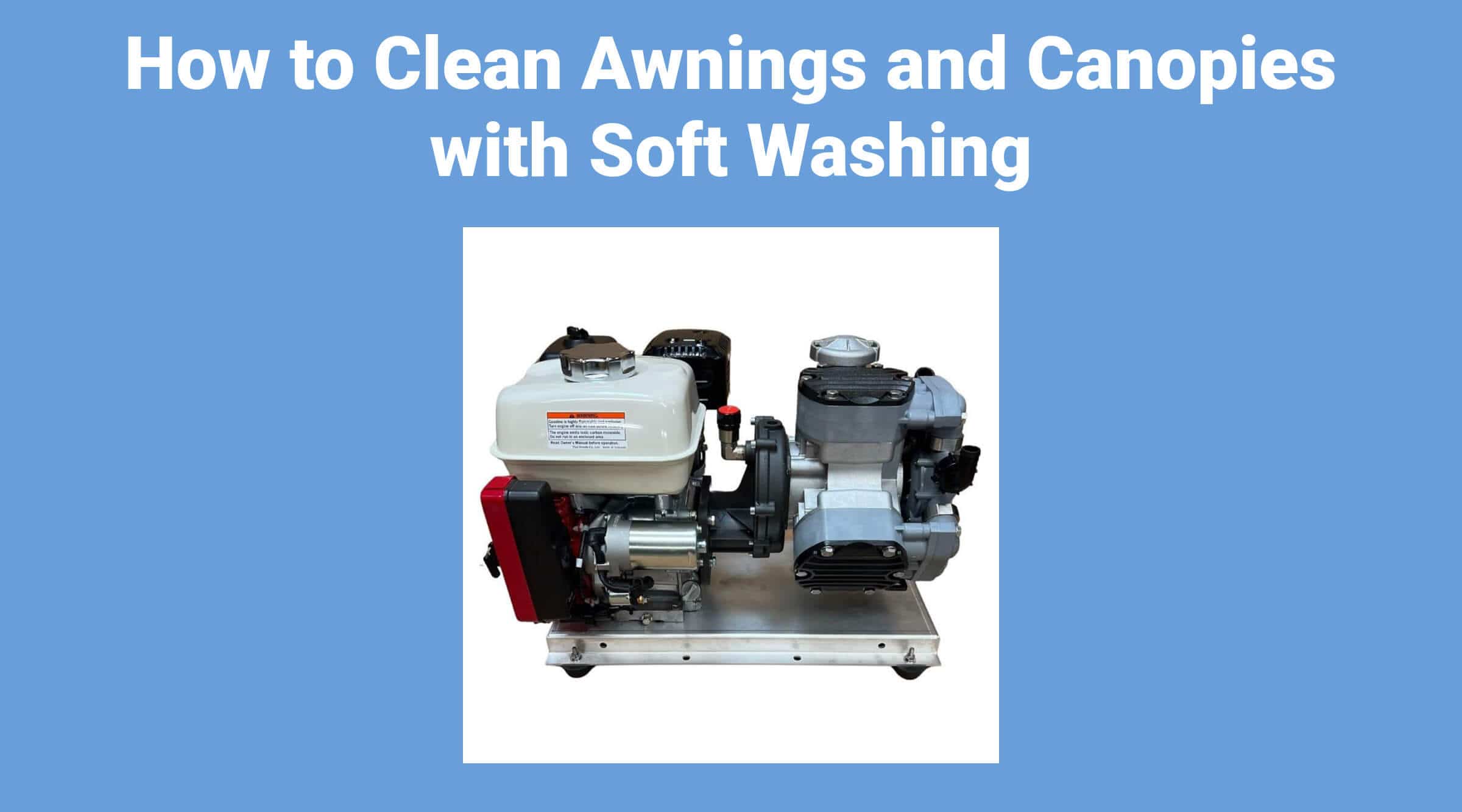
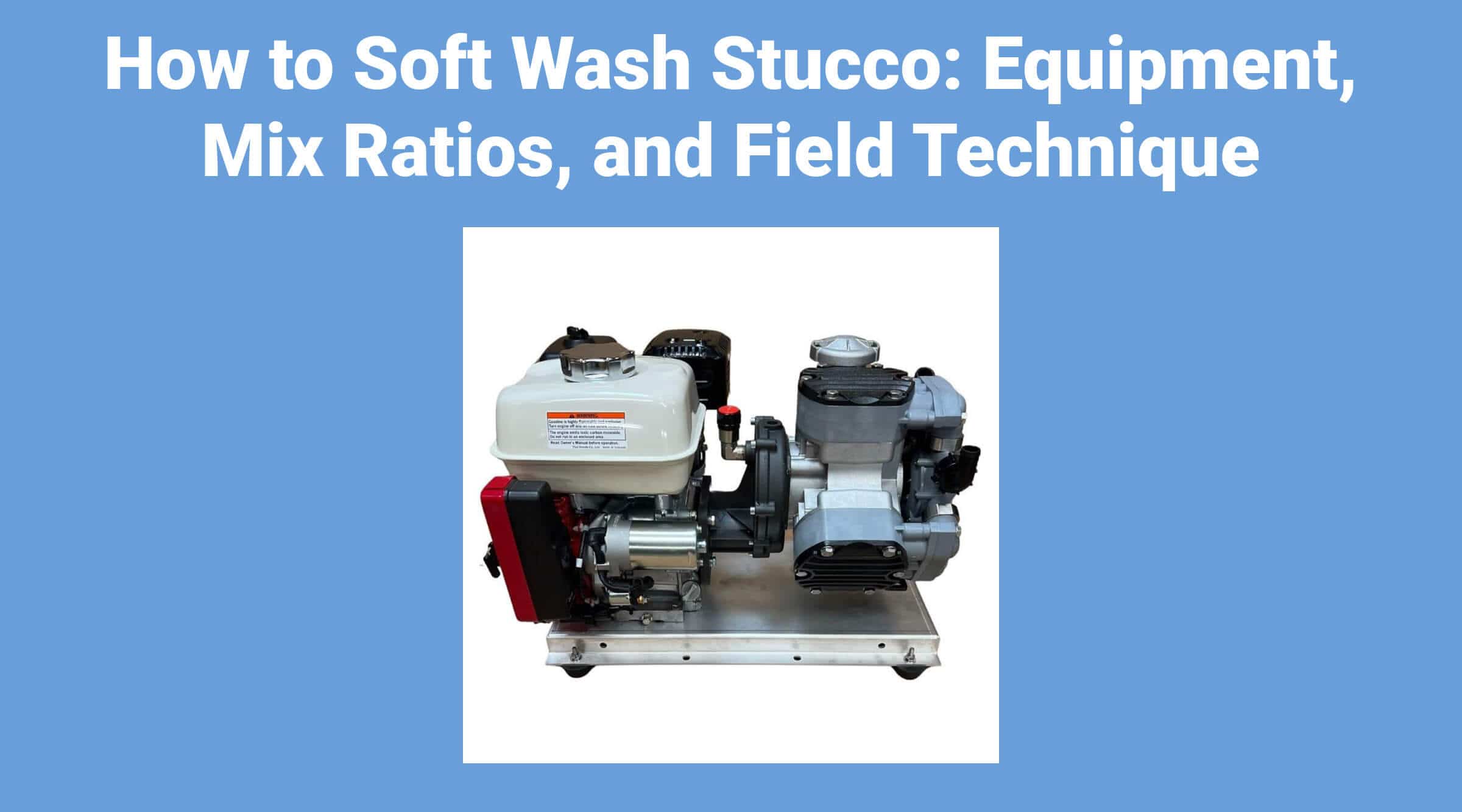
For stucco, Dryvit, roofs, and painted surfaces, soft wash equipment applies sodium hypochlorite and surfactants at garden-hose pressure. The chemicals kill organic growth; the water just rinses. No mechanical damage risk. Dedicated soft wash pumps like the Comet BPX25 handle corrosive SH without degrading internals the way a standard triplex pump would.
Surface Cleaner Technique
Never stop moving while the spray bar is spinning — a stationary surface cleaner etches a permanent circle into concrete in seconds. Check nozzle alignment on the spray bar before every job. An off-center nozzle causes wobble, uneven cleaning, and premature swivel wear.
Pump Maintenance Mistakes
Your pump is the heart of your rig, and most pump deaths are preventable.
Cavitation is the big one. Air leaks in the intake line create tiny bubbles that implode under pressure, pitting metal plungers and destroying the internal manifold. If your pump sounds like it's grinding gravel, stop immediately and check fittings for air intrusion.
The two-minute rule: never leave a machine idling in bypass for more than two minutes without pulling the trigger. Recirculating water gains heat with every pass through the pump head — enough to warp ceramic plungers and melt rubber seals. Thermal relief valves vent hot water as a backup, but they're not a substitute for pulling the trigger.
Winterization: water left inside a pump during freezing temperatures expands and cracks the brass manifold. Even in warm climates, stagnant water corrodes check valves and builds mineral deposits. A pump protector lubricates seals and prevents internal seizure during storage.
Unloader Valve Management
The unloader valve diverts flow when you release the trigger. Set too tight, the pressure spike can damage the pump head or blow a hose. Watch for erratic gauge readings or water leaking from the valve body — both signal a failing unloader. Replacing one is a minor expense compared to a full pump rebuild.
Equipment That Reduces Operator Error
Consumer-grade machines from big-box stores use axial pumps that can't be rebuilt and aren't rated for daily commercial use. The transition to professional equipment — triplex pumps with ceramic plungers, heavy-duty manifolds, properly sized hoses and fittings — directly reduces the margin for error on every job.
A few specific upgrades that pay for themselves quickly:
- Triplex pumps — rebuildable rather than disposable. The ProTool 4.0g 4000psi Direct Drive with a Comet ZWD 4040 pump is a strong starting point for crews doing daily residential and commercial work.
- Swivel guns — a freely rotating gun connection prevents hose kinking, reduces operator fatigue, and eliminates accidental surface contact. Browse trigger guns and wands rated for your flow and pressure.
- Non-marking hoses — ProTool and PressurePro hoses in 3/8-inch and 1/2-inch diameters, properly matched to your GPM.
- Custom skids — a ProTool custom skid build organizes your pressure washing and soft wash equipment on a single frame, cutting setup time on every site.
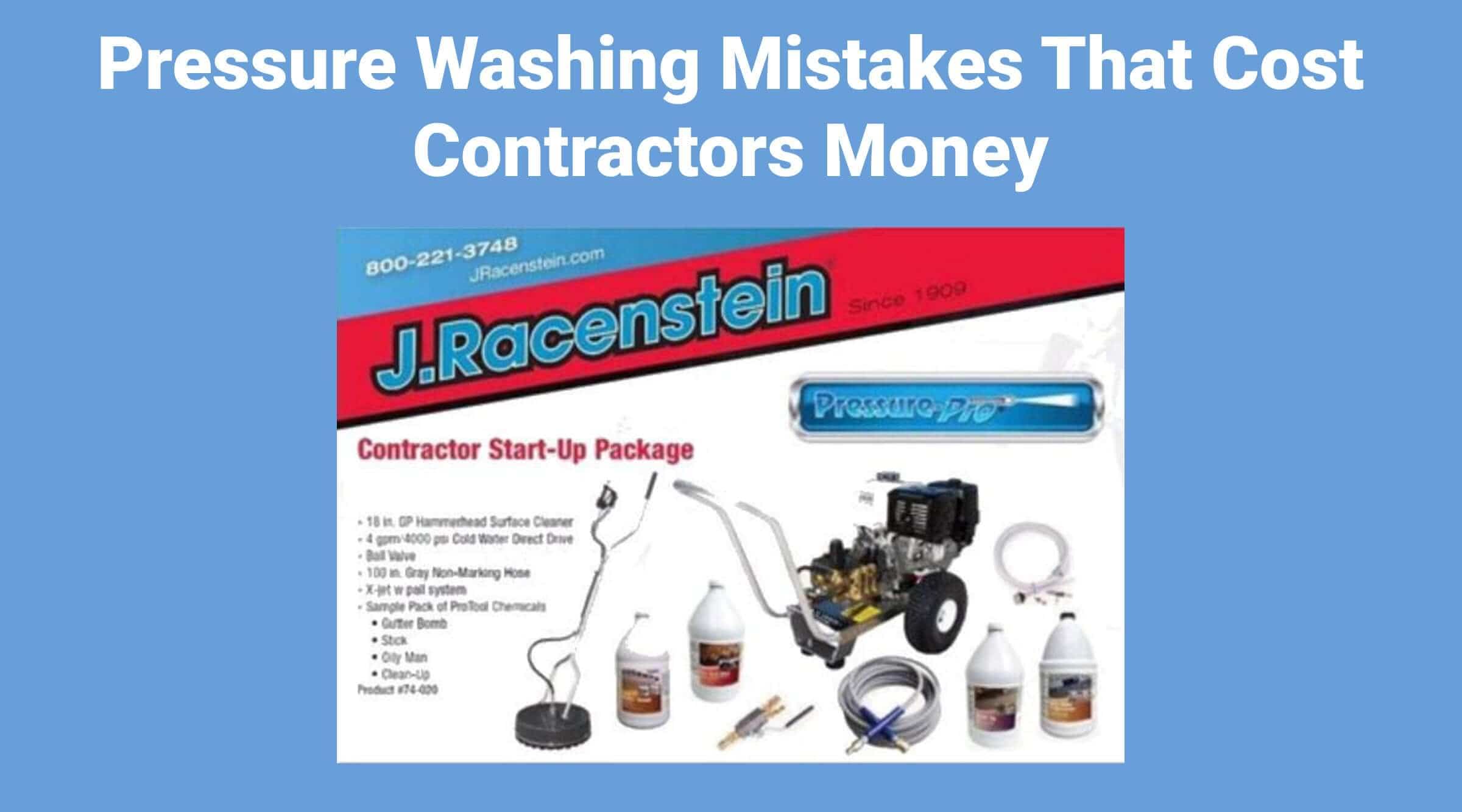
The Pressure Washing Contractor Kit bundles a 4,000 PSI direct-drive washer, hose, surface cleaner, X-Jet, gutter cleaning kit, and chemicals into one package — a solid foundation for a crew that wants matched components out of the box.
For a walkthrough of common rig builds and equipment matching, check the J.Racenstein YouTube channel: J.Racenstein on YouTube.
Products Mentioned
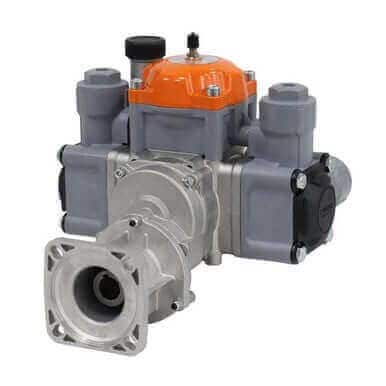 Comet BPX25 GR pump SKU: 150-0432 | 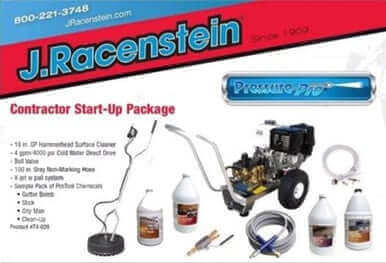 Pressure Washing Contractor Kit SKU: 74-020 |