ProTool Pure Water Systems: Carts, HydroPanels, Skids, and Trailers

Table of Contents
ProTool pure water systems span pocket-sized DI-only setups to trailer-mounted RODI plants feeding four operators simultaneously. The lineup is broad enough that choosing wrong is easy — and the penalty is either a system that can't keep up with your brush, or one that's overbuilt for the work you actually do.
This guide breaks down how ProTool's carts, HydroPanels, skids, and trailers differ in production capacity, delivery flow, and real-world fit. It also covers the distinction between RO production rate and cleaning flow — a difference that trips up even experienced operators when sizing a system.
RO Production vs. Cleaning Flow: Why the Numbers Don't Match
The most common sizing mistake is treating a system's RO production rate as the flow available at the brush. They're different measurements serving different purposes.
RO production rate — measured in gallons per day (GPD) — describes how fast the membranes convert tap water into purified water under ideal conditions (typically 77°F, 60 PSI feed pressure). A system rated at 1,500 GPD produces roughly 1 GPM continuously. That's not 1 GPM at the pole.
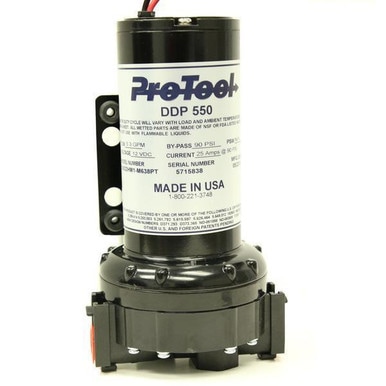
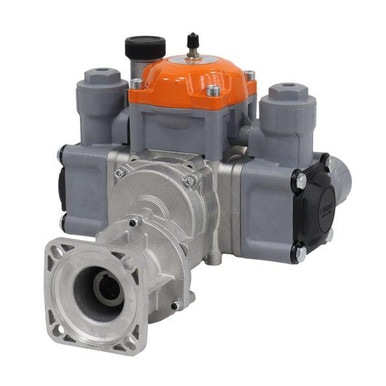
Cleaning flow — the GPM your water-fed pole or brush actually consumes — comes from stored pure water pushed by a delivery pump. A ProTool 90 PSI 5.0 GPM delivery pump moves water from tank to tool at rates the RO membranes alone can't sustain in real time.
Storage bridges the gap. A system producing 1 GPM continuously fills a tank overnight or between jobs; the delivery pump then draws from that reserve at 3–5 GPM during active cleaning. This is why tank sizing matters as much as membrane count.
Diagnosing Flow vs. Quality Problems
When something goes wrong at the pole, the instinct is to blame the RO. But delivery and production failures look different:
- Low flow at the brush with full tanks: Delivery-side issue — check pump pressure, hose diameter, hose length, and kinks.
- Low flow at the brush with empty tanks: Production can't keep up — check feed pressure (target 40–80 PSI), water temperature, and pre-filter condition.
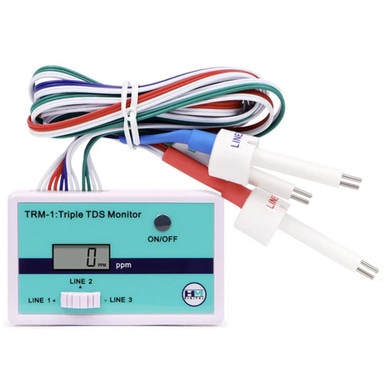
- Spotting on glass: Water quality issue — measure TDS at the outlet. If above 10 PPM, inspect RO membranes and DI resin. Use a ProTool inline TDS meter for continuous monitoring.
ProTool Pure Water Carts
Carts are the entry point for most operators and the right choice for residential window cleaning crews running one or two poles.
ProTool 511 Pure Water Cart
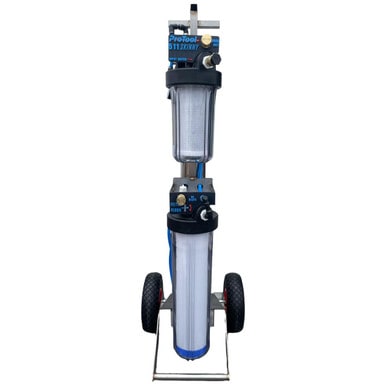
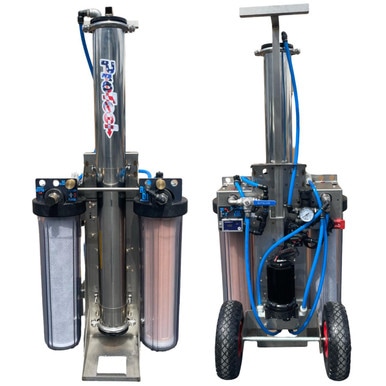
The ProTool 511 Cart is a four-stage system (sediment, carbon, RO, DI) on a narrow stainless steel frame designed to fit through standard doors. It connects to a garden hose, produces spot-free water on demand, and stores enough to keep a single operator working without interruption on residential jobs.
Best for: Solo operators and small crews doing residential work with one pole running at a time.
ProTool HiFlo Pure Water Cart
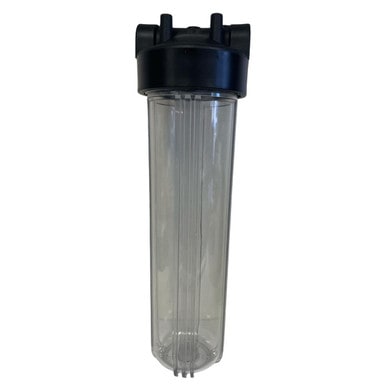
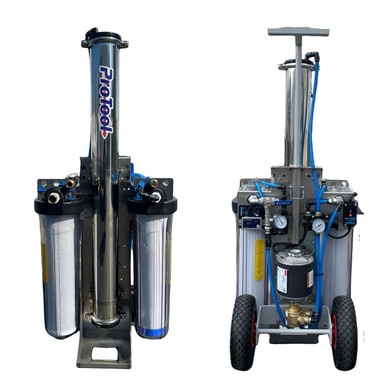
The ProTool HiFlo Cart adds a higher-flow RO membrane and larger filter housings. It produces more GPD than the 511 and supports longer continuous runs. The stainless steel frame holds 4.5" x 20" filter housings with clear sumps for visual inspection.
Best for: Owner-operators cleaning 15–30 residential homes per week or running two poles from a single cart.
ProTool HiFlo Ultra Cart
The ProTool HiFlo Ultra Cart adds a 12V or 110V boost pump, dual RO membranes, and expanded DI capacity. It's built for crews that need to fill tanks faster and maintain higher sustained production throughout the day.
Best for: Two-person crews doing mixed residential and light commercial, or operators who fill an onboard tank and drive to the job.
ProTool HiFlo MAX Cart
The ProTool HiFlo MAX Cart is the top of the cart line — 110V powered with the highest RO production rate in the cart range. It's positioned between carts and wall mounts for operators who want maximum cart-portable output.
Best for: High-volume residential crews or operators transitioning toward commercial work who aren't ready for a wall mount or skid.
ProTool HydroPanels: Wall and Truck Mounts
When a cart's production can't keep up — or you want to fill tanks at the shop and drive to the job — a ProTool HydroPanel wall mount is the next step. HydroPanels bolt to a garage wall or the interior of a van/truck and connect to a permanent water supply.
HydroPanel Standard and Dual RO
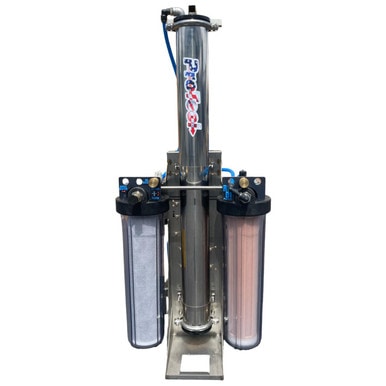
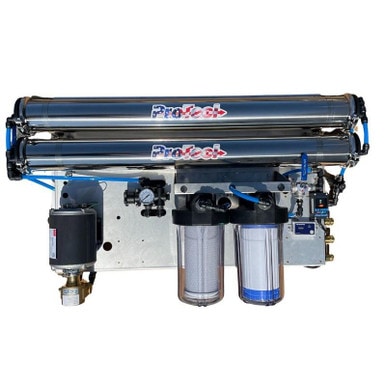
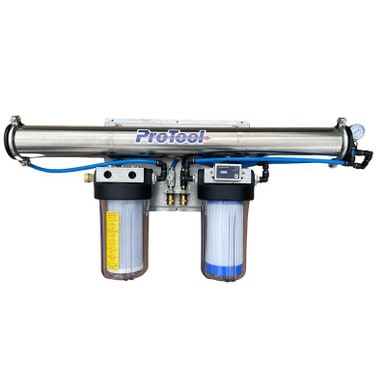
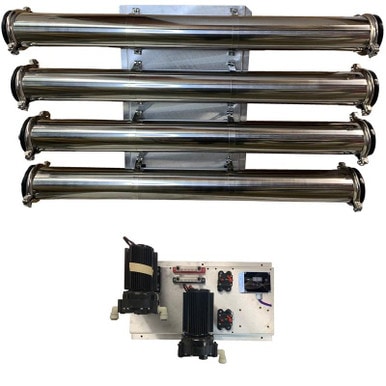
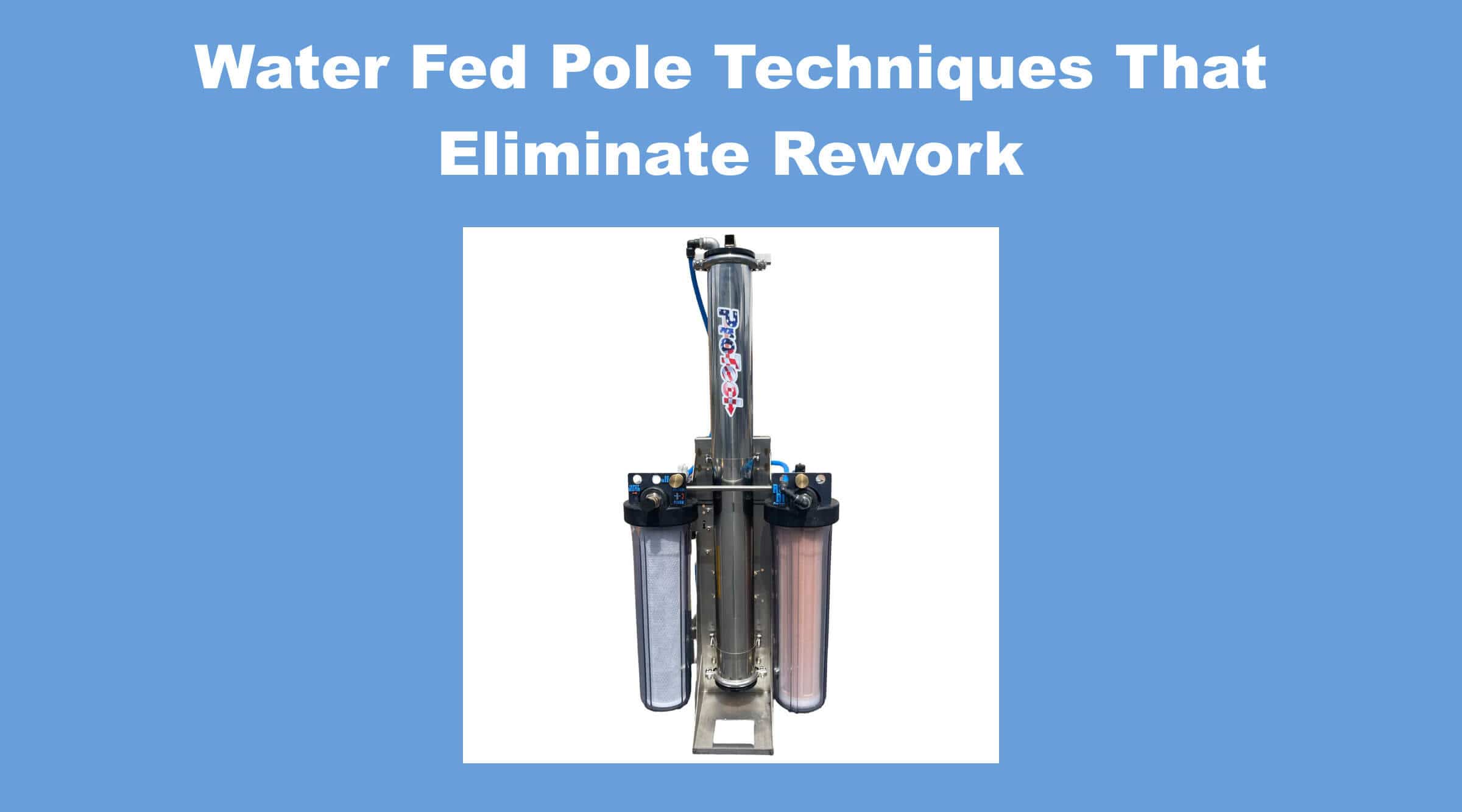
The standard HydroPanel and Dual RO "Nandolorian" configurations step up production with one or two 4040 RO membranes. The Dual RO version roughly doubles production rate over a single-membrane setup, which matters when you're filling 100+ gallon tanks daily.
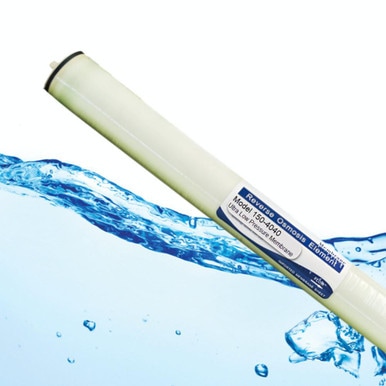
Use a ProTool 4040 Ultra Low Pressure RO membrane for the best rejection rates at typical municipal feed pressures.
Truck-Mounted HydroPanels
The same HydroPanel configurations mount inside a van or truck bed. Combined with an onboard tank and delivery pump, this turns a vehicle into a mobile pure water plant. The operator fills the tank from any garden hose connection, the HydroPanel purifies en route or on site, and the delivery pump feeds the poles.
ProTool Pure Water Skids
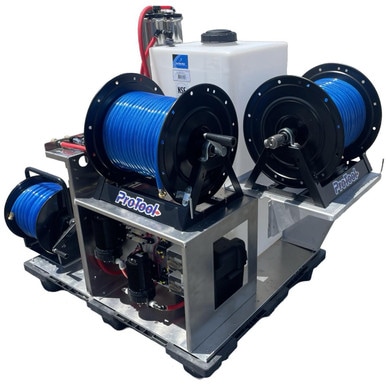
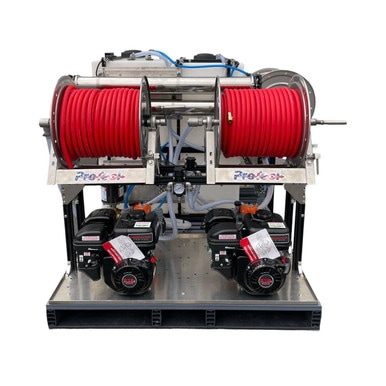
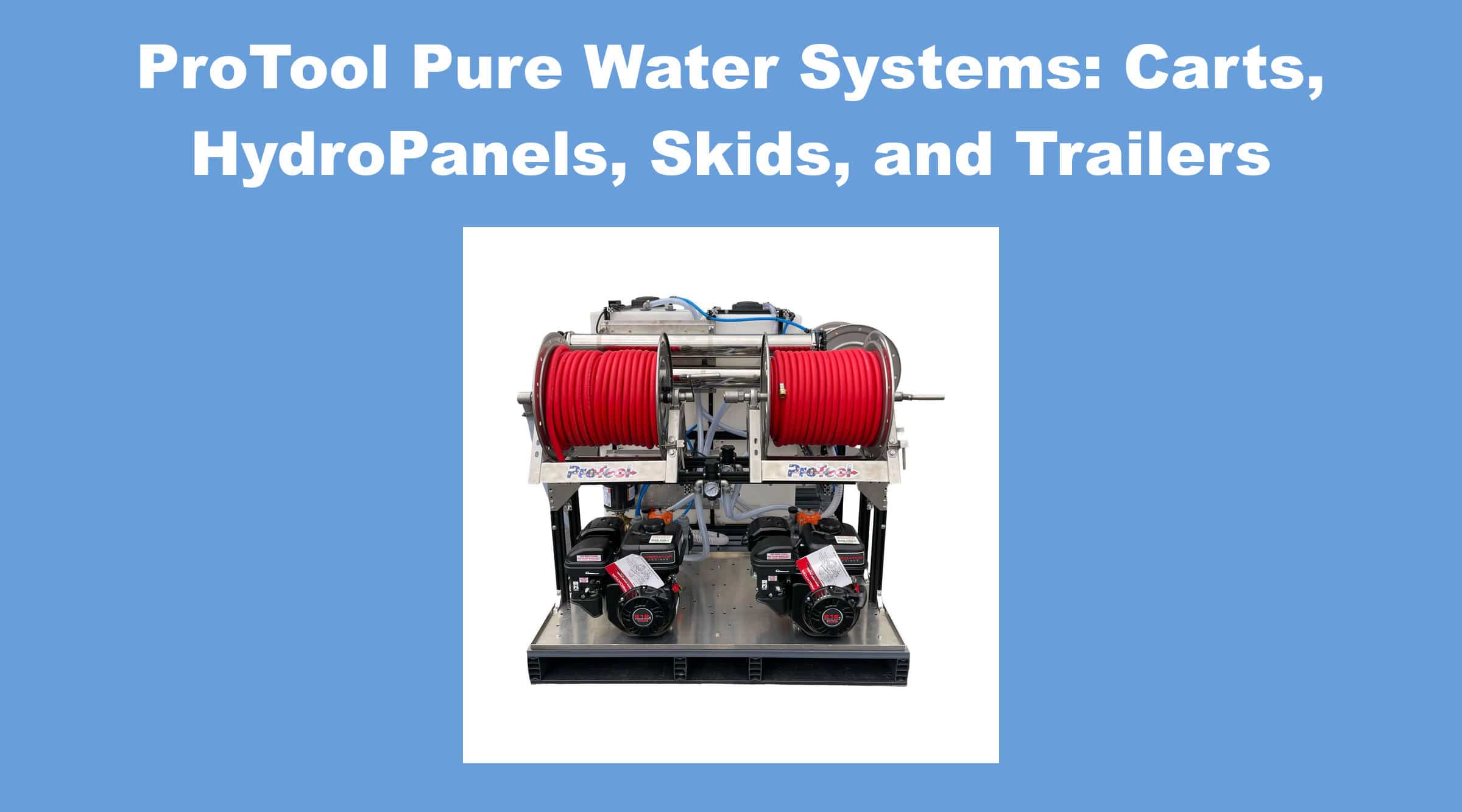
Skids group treatment, storage, delivery pumps, and hose reels onto a single welded frame. They're designed for crews running multiple operators simultaneously or combining pure water with soft wash capability.
Single-User Skids
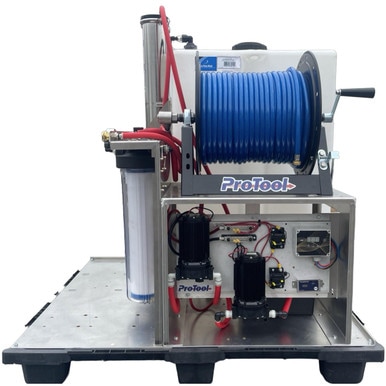
The ProTool Single-User Skid with 1 Reel integrates RODI production, a 50-gallon low-profile tank, delivery pump, and a hose reel on one frame. Drop it in a truck bed, connect a garden hose, and you're producing and delivering pure water from a single platform.
Dual-User Skids
The ProTool 2-User HiFlow Skid adds a second (or third) reel and higher-capacity RODI to support two operators cleaning simultaneously. This is where the distinction between RO production and cleaning flow matters most — two brushes at 0.5 GPM each consume 1 GPM, but the delivery pump draws from the tank at whatever rate the poles demand.
Combo Skids: Pure Water + Soft Wash
ProTool builds skids that combine pure water delivery with soft wash capability on one frame. The BPX-25 Dual-User Soft Wash + Pure Water Skid runs a Comet BPX25 pump for chemical application alongside the RODI system. One truck, two services.
Sizing a System to Your Operation
Forget the headline GPM number. Size by working backward from your actual demand:
- Count simultaneous outlets. How many poles or brushes run at the same time? Each water-fed pole typically draws 0.3–0.7 GPM; a solar brush draws 2–5 GPM.
- Calculate daily consumption. Multiply per-outlet flow by active cleaning hours. A single WFP operator cleaning 6 hours at 0.5 GPM consumes ~180 gallons/day.
- Match production to consumption. The RODI system needs to produce at least your daily consumption — ideally with margin. A system producing 1,500 GPD (about 1 GPM) can sustain one WFP operator with comfortable headroom.
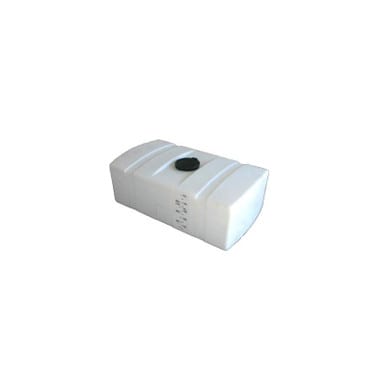
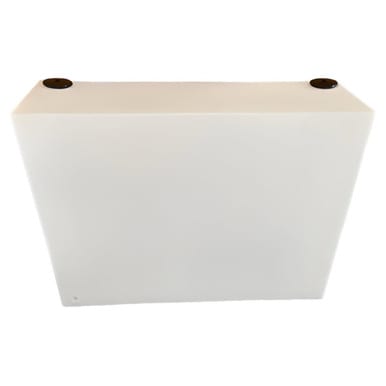
- Size the tank. Tanks buffer the difference between production rate and peak demand. Bigger tanks let you pre-fill and clean without waiting. A 100-gallon slim tank suits most single-user truck setups.
- Choose the delivery pump. The pump must deliver your peak cleaning flow from the tank to the poles. A ProTool 5.0 GPM regulated pump handles two WFP operators or one solar brush.
Transport and Installation
The best system is useless if it doesn't fit your vehicle or takes 45 minutes to set up at each job.
Carts roll in and out of vans. The 511's narrow frame fits through 30" doors. No permanent installation required.
HydroPanels bolt to a wall or vehicle interior. Plan for water supply access, drain routing for RO reject water, and electrical (110V for boost pumps). A garage install is straightforward; a van install needs careful measurement of wall space and door clearance.
Skids drop into truck beds or onto trailers. Measure the bed dimensions against the skid footprint before ordering. Account for tank weight when full — a 100-gallon tank adds 834 lbs. Secure the skid with ratchet straps or bolt-through mounting. Keep hose reels accessible from the tailgate or trailer sides.
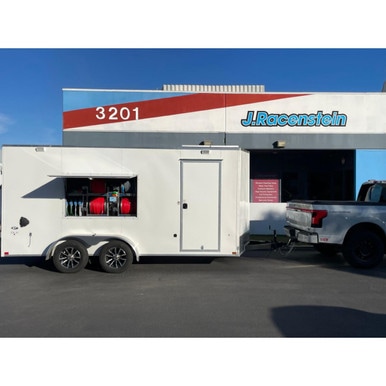
Trailers dedicated to pure water or combo cleaning give you the most space but add towing requirements and parking considerations. ProTool builds enclosed trailers that protect equipment from weather and theft.
Maintenance That Affects Output
Pure water system maintenance isn't optional — it directly affects water quality and production rate.
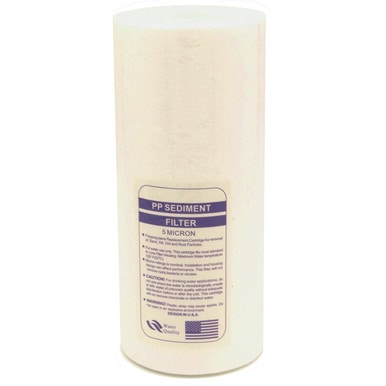
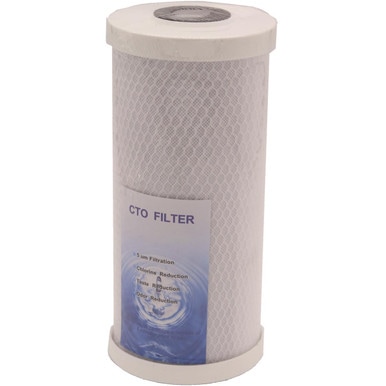
- Pre-filters (sediment + carbon): Replace every 3–6 months depending on feed water quality. Clogged pre-filters drop feed pressure and reduce RO production. Use ProTool sediment filters and ProTool carbon filters matched to your housing size.
- RO membranes: Last 2–4 years with proper pre-filtration. Monitor TDS rejection ratio — when product TDS climbs above 10 PPM with fresh DI resin, the membrane needs attention.
- DI resin: Exhausts based on feed TDS after the RO. ProTool virgin DI resin in refillable cartridges is the most economical approach for high-volume operators.
- TDS monitoring: Check TDS before and after each stage. An inline meter between RO and DI shows membrane health; a meter after DI shows resin life. The ProTool triple-probe inline TDS meter monitors all three points simultaneously.