
TDS Meters for Window Cleaning: How to Monitor Pure Water Quality

Table of Contents
A technician in New Jersey recently burned through a $150 bag of DI resin in four hours because he never checked his source water. TDS meters for window cleaning exist to prevent exactly that — they measure Total Dissolved Solids in parts per million (ppm), giving you the data you need to manage filtration costs and guarantee spot-free results before you extend a water-fed pole.
If you're running an RO/DI system without monitoring TDS at both the inlet and outlet, you're guessing. And guessing costs money — in wasted resin, in callbacks, and in lost accounts. This guide covers the thresholds that matter, how to read your numbers correctly, and how to pick the right meter for your rig.
What TDS Meters Actually Measure (and What They Don't)
A TDS meter measures electrical conductivity between two electrodes and converts the result to parts per million. Pure water conducts almost no electricity — it's the dissolved calcium, magnesium, salts, and nitrates that carry the current. Higher ppm means more minerals. For window cleaners, those minerals are what crystallize into white spots when water evaporates on glass.
Standard U.S. tap water runs between 50 and 400 ppm. Your job is to get that number to zero before the water touches the glass.
One common confusion: TDS is not the same as water hardness. Hardness measures only calcium and magnesium ions. A TDS meter picks up everything conductive — salts, nitrates, organic compounds — all of which cause spotting. You need the total count, not just the hardness number.
Why 000 ppm Is the Standard
Water at 000 ppm is an aggressive solvent. It actively attracts and holds dirt, dust, and bird droppings because it "wants" to become impure again. That's the entire principle behind water-fed pole cleaning: pure water does the scrubbing, then dries perfectly clear with no wiping.
Anything above 010 ppm risks visible deposits, especially on hydrophobic glass where water beads concentrate minerals into dense spots. On a $1,500 monthly commercial contract, one spotted pane triggers a callback — or worse, a lost account.
Regional Water and What It Costs You
Your source water TDS dictates your filtration overhead. In soft-water areas (0–50 ppm), a standalone ProTool DI Tank can run all day. In hard-water zones above 250 ppm, DI-only setups exhaust resin in hours. That's where multi-stage RO/DI systems pay for themselves — the RO membrane strips 95–98% of solids before the DI resin handles the remainder.
If your tap reads 400 ppm, your resin depletes four times faster than a tech working with 100 ppm water. Without a TDS meter tracking that trend, you can't predict resin life, you can't budget accurately, and you'll get caught mid-job with spent media.
How to Test: A Five-Step Field Process
- Sample the source. Fill a clean container from the customer's spigot. This is your baseline "In" number. Knowing whether you're starting at 50 ppm or 450 ppm sets your expectation for filter lifespan that day.
- Rinse the meter cap. Cross-contamination is the leading cause of false readings. Rinse the cap or vial with the water you're about to measure.
- Flush, then measure the output. Run your system for at least 60 seconds to clear TDS creep before testing. Dip the meter into the purified flow. Target: 000 ppm.
- Log both numbers. Track In and Out readings over 30–60 days. This data lets you predict filter failure before it happens — no more mid-job surprises.
- Store correctly. Replace the cap after every use. Keeping electrodes dry and dust-free prevents corrosion and extends meter life.
Test at the Brush, Not Just the Tank
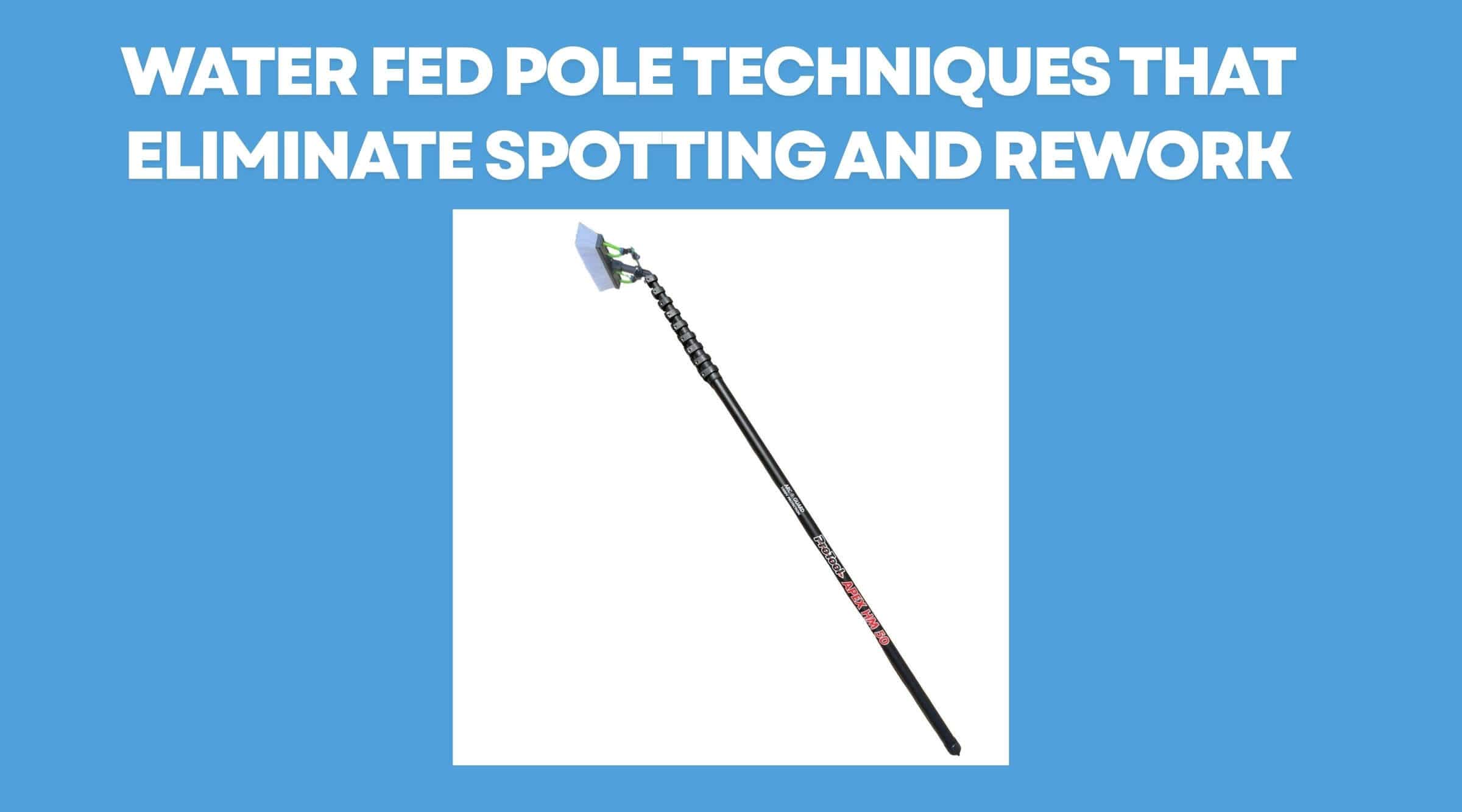
"Ghosting" — where 000 ppm water hits a dirty frame and pulls old soap or debris onto clean glass — is a real problem. If your tank reads 000 but the brush head reads 007, your pole hose is contaminated. Always verify purity at the point of delivery. High-quality water-fed poles with clean internal tubing, like the ProTool Apex Carbon Fiber Pole, minimize this risk.
Calculating RO Rejection Rate
Use your In and Out numbers to calculate membrane health. A healthy RO membrane removes 95–98% of contaminants. If your tap reads 300 ppm and your post-RO water reads 50 ppm, that's only 83% rejection — the membrane is fouled and needs replacement. When rejection drops, your DI resin absorbs the difference, and your per-gallon operating cost climbs fast.
When to Change Your Filters: The Rule of 010
Most pros swap DI resin once the output meter hits 010 ppm. On high-end residential glass or in direct sunlight where spots are more visible, some swap at 005 ppm.
Don't push it to the limit. "Resin dump" happens when ion-exchange sites are fully saturated — the media suddenly releases a concentrated burst of minerals, spiking TDS from 005 to 50+ in a single job. Constant monitoring is the only way to avoid it.
Track your readings to predict replacement timing accurately. DI resin cartridges and refills are available in multiple sizes depending on your system — keeping a spare on the truck eliminates downtime during the busy season.
Handheld vs. Inline Meters: Which Setup Do You Need?
Handheld meters are essential for spot-checking at the tap and at the brush head. They're your diagnostic tool — verifying that the water actually hitting the glass is pure, not just the water leaving the tank.
Inline meters mount directly on your RO/DI cart or truck system. They provide continuous monitoring while the pump runs, so you can watch rejection rates and DI performance in real time without stopping work.
Most experienced operators carry both. The inline monitors system health; the handheld verifies delivery. A ProTool Inline TDS Meter with push-fit tee gives you constant post-RO and post-DI readings. For field verification, a TRADEWRX Handheld TDS-3 covers quick spot checks at the brush.
What to Look For in a Meter
- Auto-Temperature Compensation (ATC): Water conductivity shifts roughly 2% per degree Celsius. Without ATC, a cold morning and a hot afternoon give you different readings from the same water.
- Data hold function: Locks the reading on screen for easy logging.
- Waterproof rating: IP67 or better. Non-waterproof meters fail within months in a wet work environment.
Calibration
Calibrate every 90 days using a 342 ppm NaCl solution. If readings fluctuate wildly, replace the batteries first — a voltage drop of 0.1V can compromise sensor accuracy. Clean electrodes monthly with isopropyl alcohol to remove salt buildup and skin oils.
Matching Your Meter to Your System
Your TDS meter is only as useful as the filtration system it monitors. If you're building or upgrading a pure water setup, the meter choice should match your system's complexity:
- DI-only portable setups (soft water areas): A single handheld meter is sufficient. Check output before each job.
- Single-membrane RO/DI carts like the ProTool 511 Pure Water Cart: Add one inline meter post-DI and carry a handheld for source and brush-head checks.
- Dual-membrane high-flow systems like the ProTool HiFlo Ultra Cart: Use a triple-probe inline TDS meter to monitor post-RO, post-DI, and source water simultaneously.
For a walkthrough of how these systems compare, see the guide to choosing a pure water system.
Products Mentioned
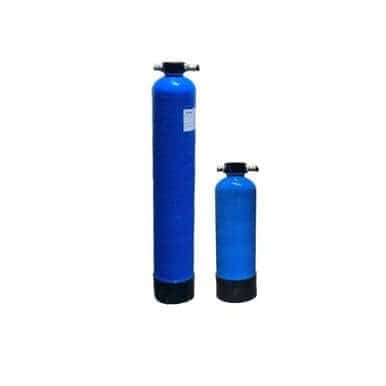 ProTool DI Tank with Virgin Resin SKU: 150-011M | 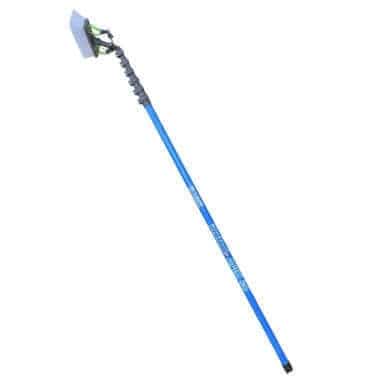 ProTool Apex Carbon Fiber Water Fed Pole SKU: 151-32M | 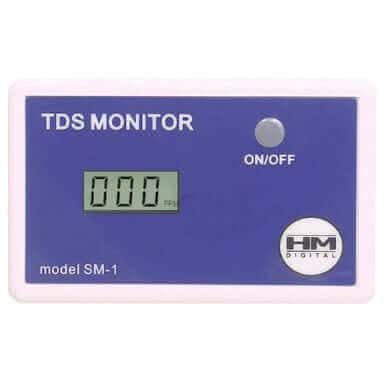 TDS Inline Meter - includes a 1/4 Tee SKU: 150-019 |
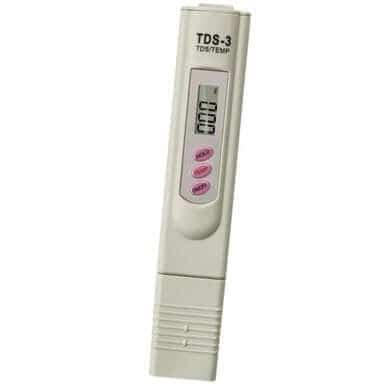 TDS Meter Handheld TDS-3 SKU: 150-0199 | 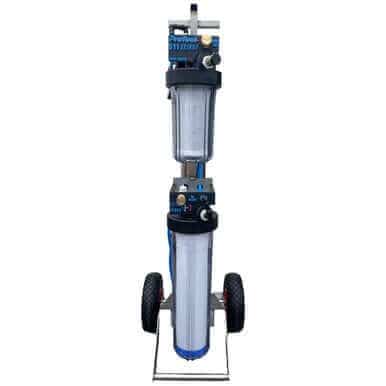 ProTool 511 Pure Water Cart SKU: 150-0515 | 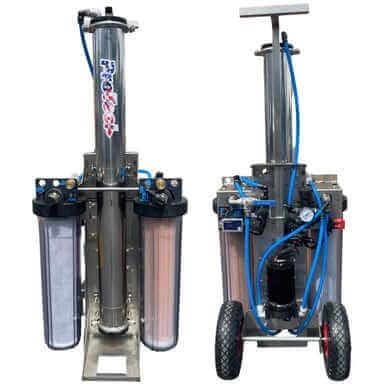 ProTool HiFlo Pure Water Ultra Cart SS 12V or 110V SKU: 150-0522 |
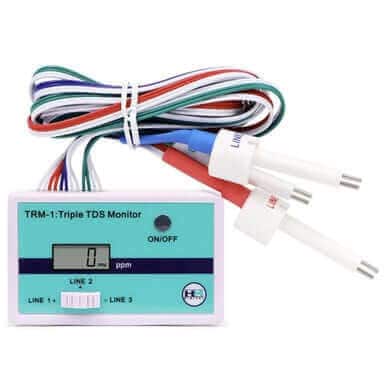 TDS Inline MeterTriple 1/4in Probes SKU: 150-017 |