Triumph Scraper: Effective Scraping Tips

A Triumph scraper is the difference between a clean pane and a callback. Paint overspray, adhesive residue, mineral splatter, tree sap — none of it yields to soap and a squeegee alone. But scraping technique separates the pros who leave perfect glass from the ones writing checks for replacements.
This guide covers blade selection, angle discipline, tempered-glass risk, and the mistakes that cost crews real money.
Why Scraping Belongs in Every Kit
Squeegees handle water and soap film. Scrapers handle everything else:
- Paint overspray — construction and renovation cleanup.
- Adhesive residue — decals, stickers, security film remnants.
- Mineral deposits and hard-water splatter — sprinkler overspray on storefronts.
- Tree sap and insect residue — residential exteriors.
- Window film removal — when the film itself is the target.
If you're running post-construction cleanups or route work with older commercial glass, a quality scraper earns its cost on the first pane.
Scraping Technique: The Non-Negotiables
Wet Glass Only
Dry scraping is the fastest path to a scratch claim. Flood the glass with your cleaning solution first. The liquid creates a lubricating film between blade and surface. Re-wet as you go — if the glass dries under the blade mid-stroke, you've created a scratch risk.
One Direction, Parallel Strokes
Push the blade in one direction only. Lift, return to start, push again. Every stroke should be parallel to the last. This discipline does two things: it minimizes glass contact per pass, and it creates a forensic record. If a customer later claims you scratched the glass and the marks are circular or random, your parallel stroke pattern proves they were pre-existing.
30–45° Blade Angle
Angle matters more than pressure. At 30–45°, the leading edge lifts contaminants off the surface. Go too flat and the blade skips over debris. Go too steep and the edge digs in. Most scratch complaints trace back to angle, not blade condition.
Inspect Blades Before Every Use
A chipped, bent, or corroded blade will score glass no matter how good your technique is. Inspect every blade before it touches glass. Any nick or roll in the edge means it's done. Blades are pennies; a glass replacement is hundreds. The Triumph Stainless Steel 6in Blades (25 pack) run a fraction of what one callback costs — keep fresh packs in your kit.
Lighten Up Near Edges
Most frame damage happens here. Mastic, gaskets, and rubber seals cut easily. Reduce pressure and slow your stroke as you approach the frame edge. On storefront systems with structural silicone glazing, scraping into the sealant can compromise the weather seal — a liability issue, not just cosmetic damage.
Window Film: Remove or Protect — Pick One
A scraper with ammonia is the fastest way to strip old window film. But if the film stays, the scraper doesn't touch the glass. There is no middle ground. Verify with the customer before you start whether film is present and whether it's staying.
Choosing the Right Triumph Scraper
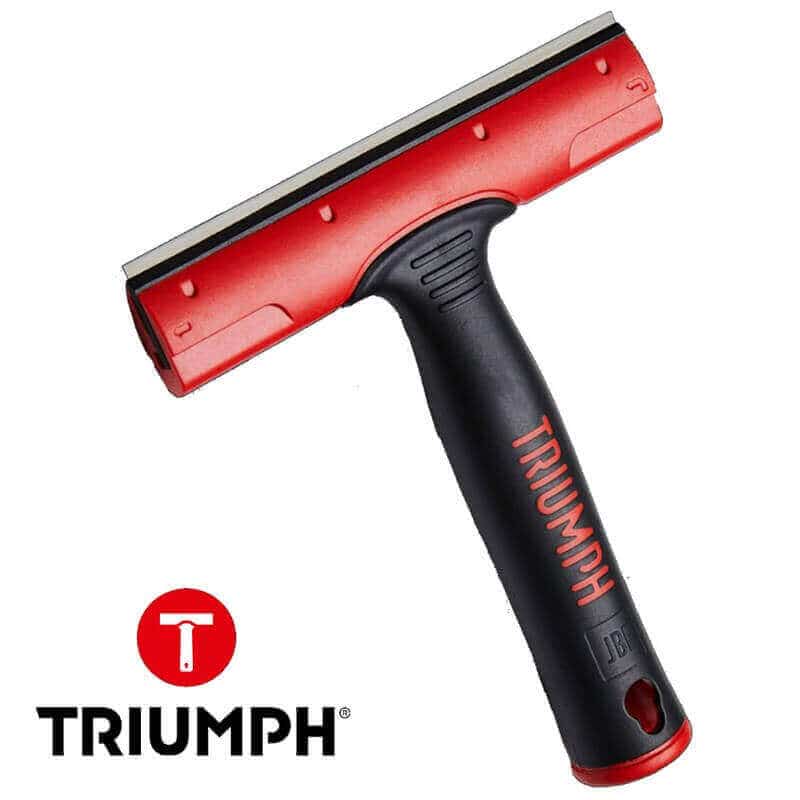
Triumph scrapers are built for professional use — ergonomic handles, positive blade retention, and steel quality that holds an edge through a full day of post-construction work. The lineup covers every scenario:
Straight 6-Inch Scrapers
The Triumph MK3 Straight 6in is the workhorse. Six inches of blade covers large panes fast, and the handle geometry keeps your wrist neutral during extended use. For the same frame in an angled configuration, the Triumph MK3 Angled 6in reaches into corners and along sills where a straight scraper can't lay flat.
Heavy-Duty 6-Inch
The Triumph Heavy Duty 6in is for cured paint, thick adhesive layers, and post-construction glass that hasn't been touched in months. The heavier frame transmits more controlled force to the blade edge without requiring you to white-knuckle the handle.
Retractable Cover (Z40)
The Triumph Z40 6in retracts the blade into a safety cover. For crews working from holsters or moving between panes on a ladder, a covered blade eliminates accidental cuts and keeps the edge protected from dings inside a tool pouch.
3-Inch Handheld (JBF Handy)
The Handy 3in Scraper handles detail work — sticker removal on entry doors, adhesive on display case glass, small residential panes. Compact enough for a pocket, with replacement carbon steel blades available in 10-packs.
Blades: Stainless vs. Carbon
Stainless blades (0.15mm or 0.20mm) resist corrosion and flex more — better for routine maintenance and tempered glass. Carbon blades (0.20mm carbon) hold a sharper edge longer and cut through cured contaminants faster, but they rust if stored wet. Match the blade to the job, not the scraper.
The Tempered Glass Problem
Fabricating debris — microscopic particles of tin, roller wave distortion, and surface defects baked into tempered glass during manufacturing — can make even perfect scraping technique produce visible scratches. The defects are invisible until a blade drags across them. This isn't user error; it's a known manufacturing artifact.
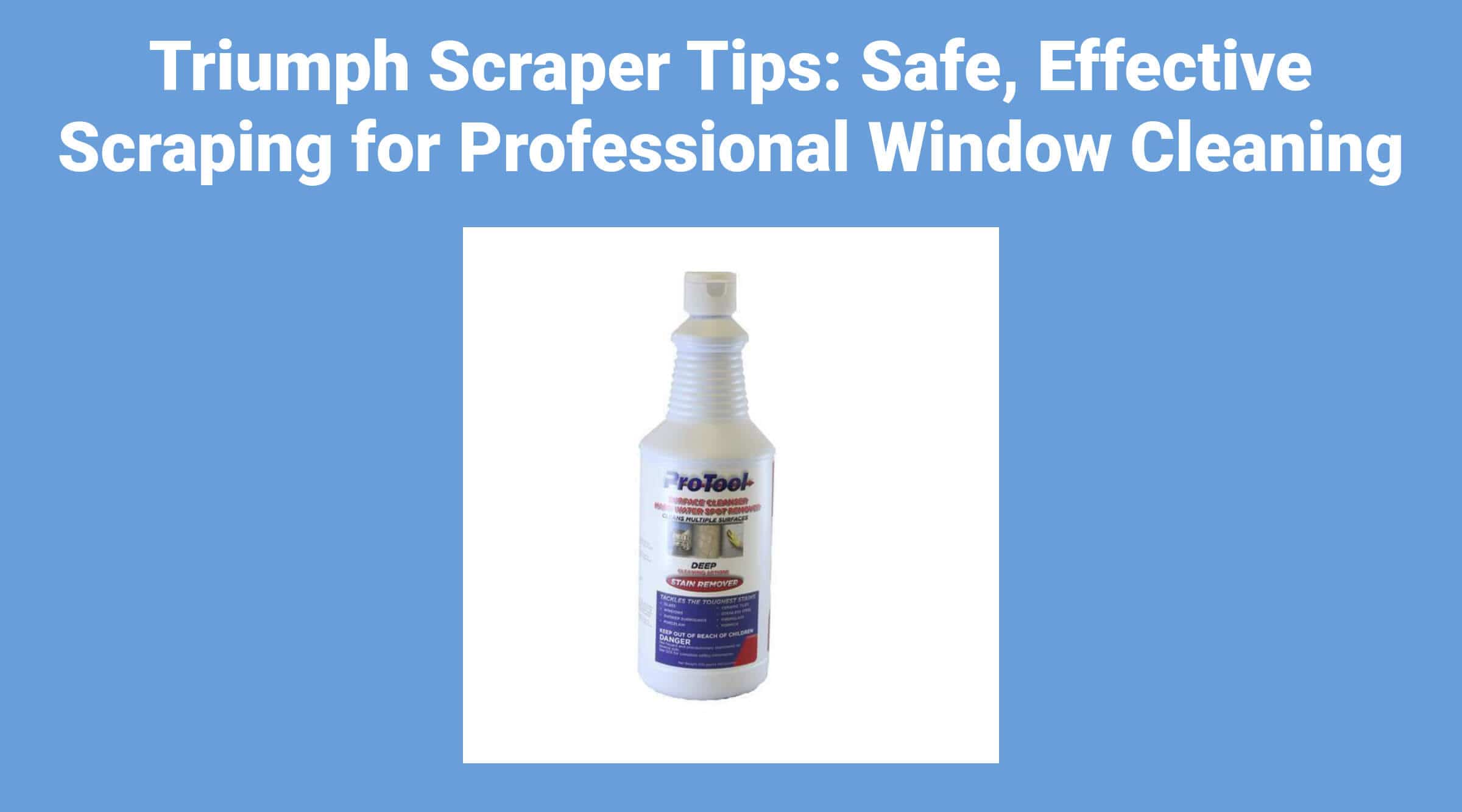
Practical response: on tempered glass (look for the corner etch mark), test-scrape a small area first. If fine scratches appear immediately, stop scraping and switch to a chemical approach — ProTool Pro Hard Water Stain Remover or a white scrub pad with cleaning solution. Document the test area before proceeding. This protects your liability.
Common Mistakes That Cost Money
- Scraping dry glass — the single largest source of scratch claims.
- Reusing dull blades — a rolled edge drags rather than cuts, scoring the surface.
- Wrong angle — too steep digs in; too flat skips contaminants and forces you to add pressure.
- Excessive pressure — a sharp blade at the right angle needs almost no force. If you're pushing hard, the blade is dull or the angle is wrong.
- Skipping the pre-wash — grit on the glass surface gets dragged under the blade. Wash the pane first, then scrape, then final-clean.
Safety
Scraper injuries are common and preventable:
- Wear nitrile gloves or cut-resistant gloves when swapping blades.
- Store used blades in a rigid disposal container — never loose in a trash bag or tool pouch.
- Use scrapers with blade covers (like the Triumph Z40) when working from a belt.
- Keep scrapers away from untrained crew members. A fresh blade will cut to the bone.
When Not to Scrape
Knowing when to put the scraper down is as important as knowing how to use it:
- Tinted or filmed windows — unless you're removing the film, a blade will destroy it on contact.
- Tempered glass with visible fabricating debris — switch to pads and chemistry.
- Coated low-E glass (surface 1) — some low-E coatings sit on the exterior surface. Scraping removes the coating. Check with the building manager or glazier first.
- Acrylic or polycarbonate — not glass. A metal blade will gouge it instantly.
Why Triumph
Triumph scrapers have been the default in professional window cleaning for decades because they do three things well: the handles don't fatigue your hand over a full day, the blade clamps hold without play, and the steel quality is consistent pack to pack. The full Triumph Scrapers & Blades line — from the 3-inch Handy to the Heavy Duty 6-inch — covers every scraping scenario a contractor encounters.
Pair them with a reliable blade supply. Running out of fresh blades mid-job and "making do" with a dull one is how scratch claims start.
Products Mentioned
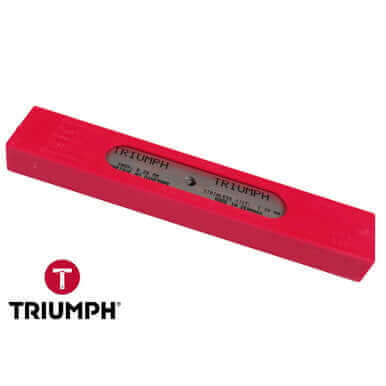 Blades Triumph Stainless Steel 06in 0.20 mm Thick (25 Pack) SKU: 36-331 | 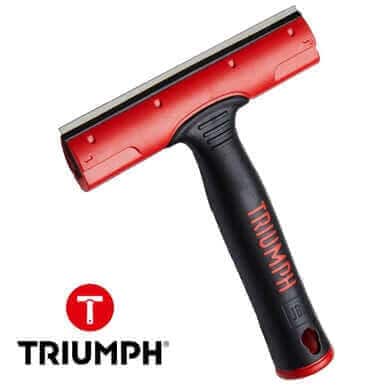 Scraper Straight Triumph MK3 6in SKU: 35-36 | 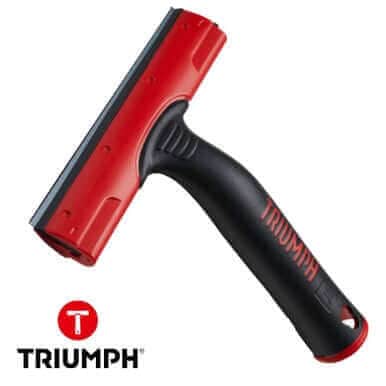 Scraper Angled Triumph MK3 6in SKU: 35-37 |
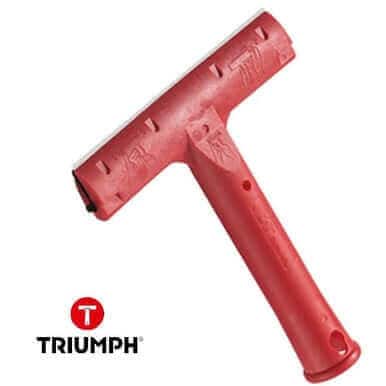 Scraper Heavy Duty Triumph 6in SKU: 35-33 | 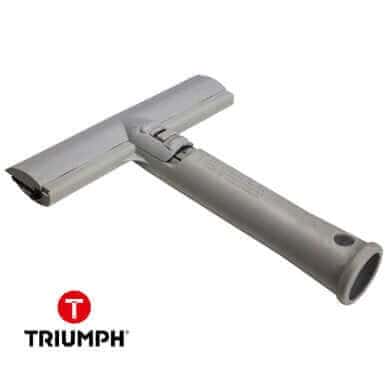 Scraper Retract Cover Triumph Z40 6in SKU: 35-34 | 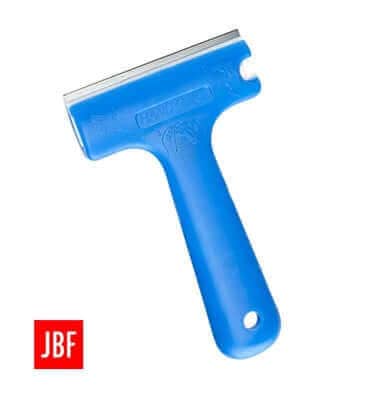 Scraper Handy 03in SKU: 35-35 |
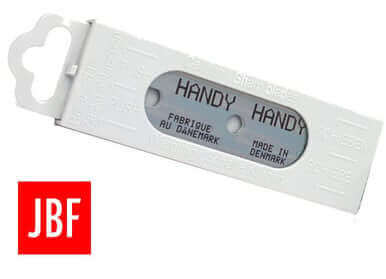 Blades Handy Replacement Carbon Steel 03in (10 pack) SKU: 36-35 | 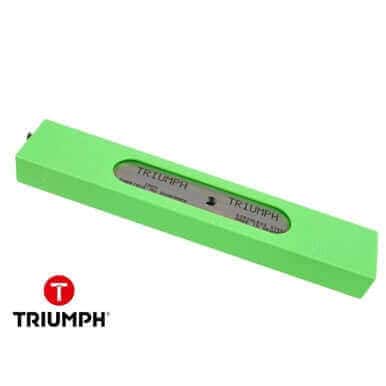 Blades Triumph Stainless Steel 06 inch 0.15 mm Thick (10 Pack) SKU: 36-32 | Blades Triumph Stainless Steel 06in 0.20 mm Thick (25 Pack) SKU: 36-331 |
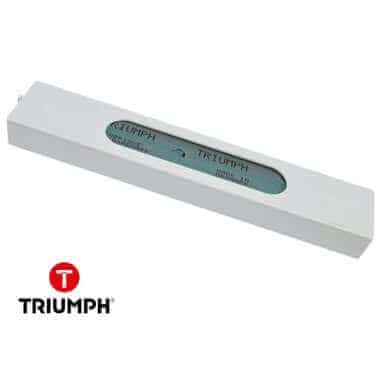 Blades Triumph Carbon 06 inch 0.20mm Thick (25 Pack) SKU: 36-31 | 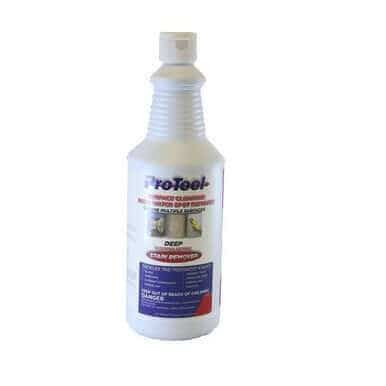 ProTool Pro Hard Water Stain Remover Qt SKU: 85-090 | 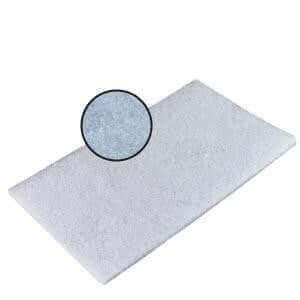 ProTool Pad Scrub White 6x9 (1) SKU: 26-10 |
Scraper Retract Cover Triumph Z40 6in SKU: 35-34 |