
Is the RO Still Working?

Every RO membrane degrades over time, and a failing one burns through DI resin fast. The question isn't whether yours will lose rejection — it's whether you're catching it before it costs you. Here's how to test if your RO is still working and what to do when the numbers look off.
How to Isolate RO Output for Testing
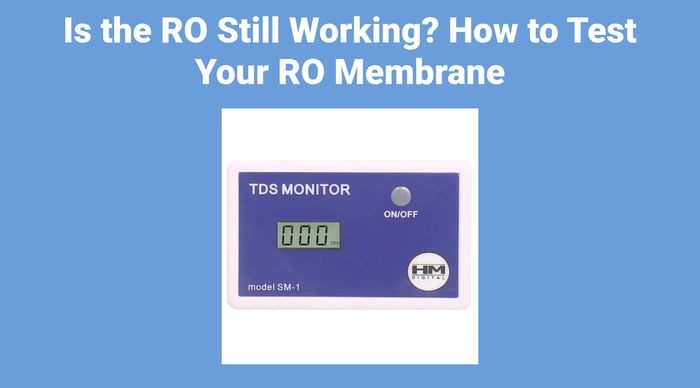
On a system like the H2Pro, testing is straightforward — divert the RO water to the RO output port and read it directly with a TDS inline meter.
Most cart-based systems plumb RO water straight into the DI cartridge with no separate output. To isolate the RO on these systems, open the DI vessel, pull the DI cartridge, and reassemble the empty vessel. Now every drop coming out is RO-only water — no DI polishing to mask a weak membrane.
This is also a useful trick for solar panel cleaning on a closed system. Remove the DI cartridge, cap the vessel, and run RO water only. You save resin and still get water clean enough for panels.
Reading the Numbers: What RO Rejection Rate Tells You
Measure input TDS and output TDS. A healthy membrane rejects 90% or more of dissolved solids. If your tap reads 400 ppm and the RO output reads 40 ppm or less, the membrane still has life. Once rejection drops below 90% — say, 400 in and 50+ out — the membrane is either fouled, damaged, or the housing has a bypass leak.
Don't confuse a worn membrane with a seal problem. A membrane that tests at 85% rejection may just need a seal fix, not a replacement.
Fix the Seals Before You Replace the Membrane
Poor rejection is often a housing seal leak, not a dead membrane. Water bypasses the membrane entirely through a worn brine seal or a dry o-ring, and the TDS reading climbs.
To check and fix:
- Pull the membrane and inspect the brine seal. If it's cracked, flattened, or stiff, replace it.
- Lubricate the brine seal and the cap o-ring with Magic Lube.
- Reassemble, run the system, and re-test. A proper seal often drops rejection back into the 5–10% pass-through range — exactly where it should be.
If the numbers don't improve after resealing, the membrane itself is spent. A ProTool 4040 Ultra Low Pressure RO membrane is the standard replacement for most ProTool and comparable carts.
When to Replace vs. When to Reseal
Reseal first, replace second. Membranes aren't cheap, and most early rejection drops are seal issues. If you've resealed, relubed, and the rejection is still below 85%, swap the membrane. Track your TDS readings monthly — a slow upward trend gives you lead time to order before you're burning resin on every job.
Products Mentioned
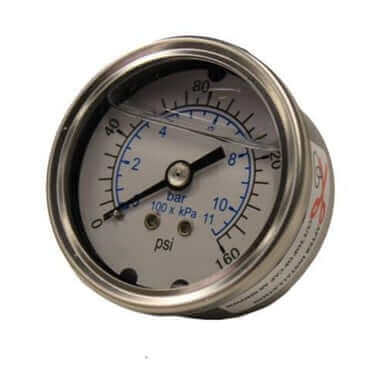 H2Pro Pressure Gauge SKU: 150-0391 | 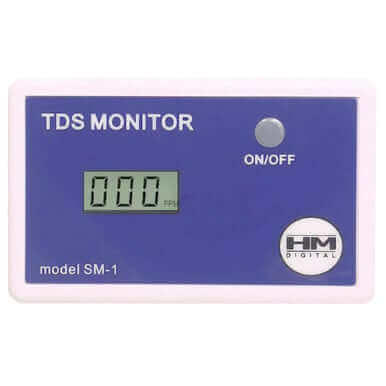 TDS Inline Meter - includes a 1/4 Tee SKU: 150-019 | 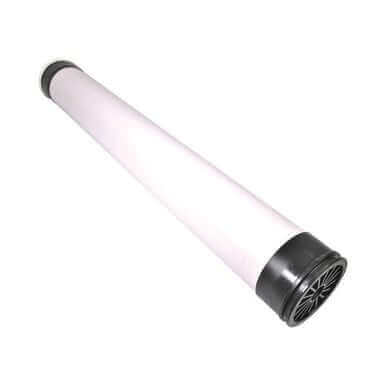 DI Filter insert SKU: 150-01M |
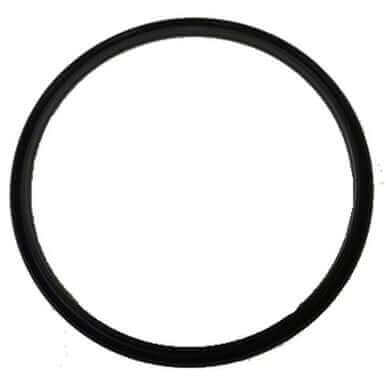 ProTool Brine Seal for 4in Filter Inserts and RO Membranes SKU: 150-4048 | 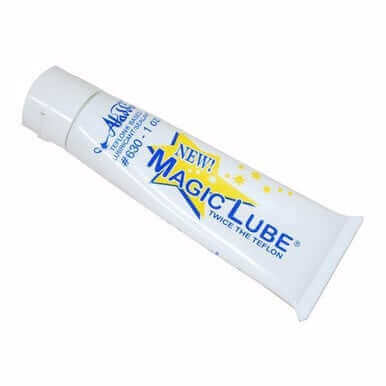 Magic Lube O-Ring Lubricant SKU: 145-106 | 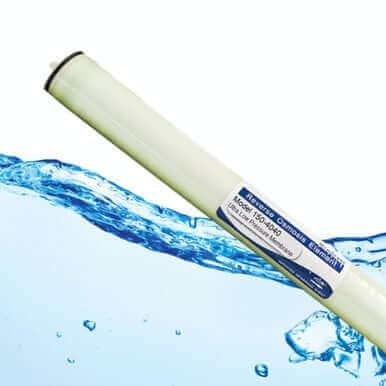 ProTool RO Membrane 4040 Ultra Low Pressure SKU: 150-4040 |