ProTool Restore All Before and After Cleaning Performance

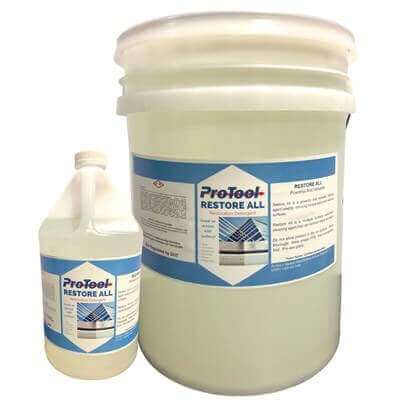
ProTool Restore All is a mild acid-based restoration cleaner that removes hard water stains, metal oxide runoff, oxidation, and environmental pollutants from glass, concrete, brick, stucco, stone, metal, and painted surfaces. For contractors handling post-construction cleanup, storefront restoration, or recurring commercial maintenance, it solves the most common before-and-after cleaning performance gap: staining that standard window soap and pressure alone cannot touch.

What Restore All Actually Does
The formula blends mild acids, detergents, and surfactants. It penetrates mineral deposits and oxidation that build up on building envelopes — sprinkler runoff on glass, copper or aluminum oxide streaks on stucco, efflorescence on masonry. It works on multiple substrate types in a single project, which matters when a storefront has glass, painted metal framing, and concrete sidewalks all showing the same hard water damage.
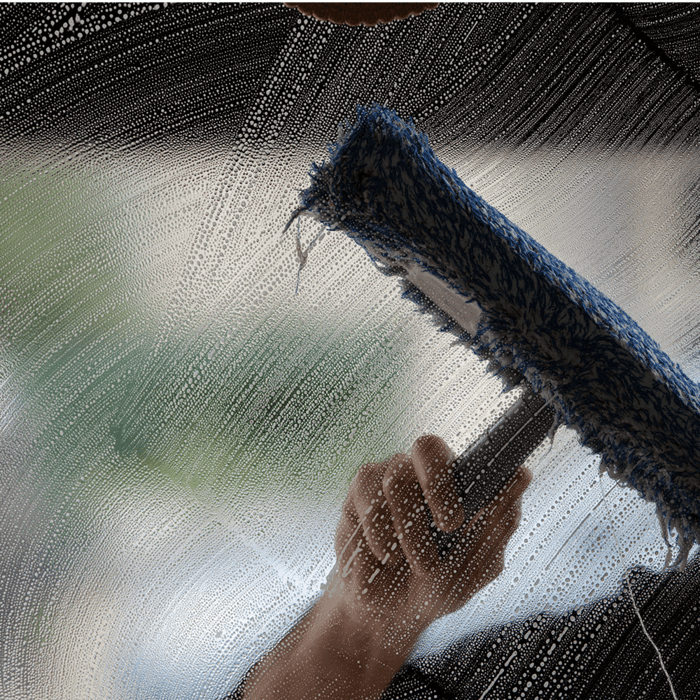
Application Method 1: Strip Washer and Bucket
Pour Restore All into a bucket at working strength. Dip a 10- or 14-inch strip washer, wring lightly, and scrub onto the surface in manageable sections.
- Always test a small area first. Confirm compatibility and gauge dwell time on that specific substrate.
- Dwell 4–6 minutes. The chemistry needs contact time. Agitation with a white scrub pad or coconut scrub pad during dwell speeds the reaction noticeably.
- Never let Restore All dry on the surface. Dried product leaves swirl marks and drip lines that are harder to remove than the original stains. Keep the section wet — re-apply solution as needed.
- Rinse the strip washer in clean water periodically, wring, then re-soak in the Restore All solution before continuing.
On glass in moderate conditions (shade, low wind), you can keep roughly 6–10 panes wet at once, sized up to about 4 ft × 6 ft each. In sun or wind, cut that area in half.
Application Method 2: Spray and Agitate
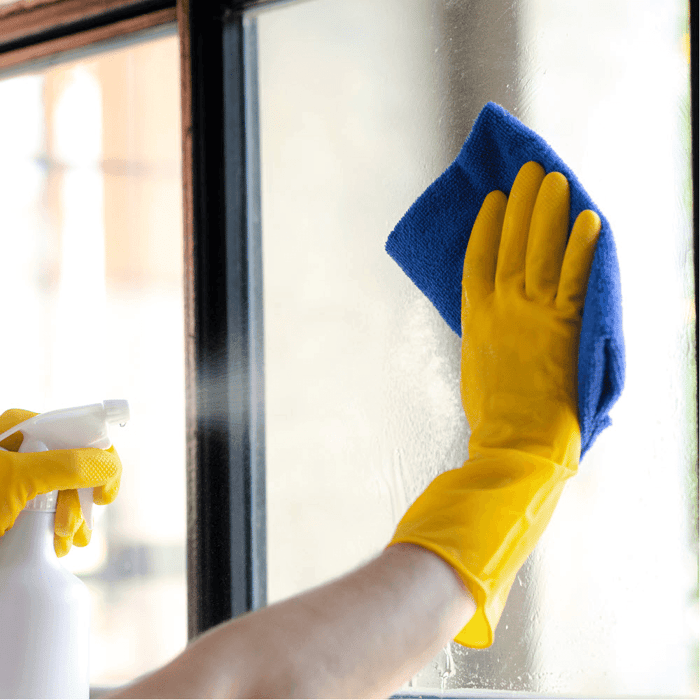
Apply with a low-pressure applicator — trigger sprayer, pump-up sprayer, or T-bar and mop. Work from the bottom up to avoid uncontrolled drip lines on untreated surface below.
- Spread evenly with a microfiber towel or sponge.
- Continue agitating during the 4–6 minute dwell to enhance cleaning power. A white pad or coconut pad works well.
- Rinse thoroughly with clean water before the solution dries.
- Water-rinse the surface before squeegeeing or towel-drying — dried Restore All residue under a squeegee pass creates streaks.
Watch the rundown. Solution dripping off the work area onto the wall below will create a visible clean stripe against the surrounding dirty surface. Evaluate this during your test area. On many projects, cleaning the adjacent wall and framing around each glass panel is the only way to avoid a patchwork appearance.
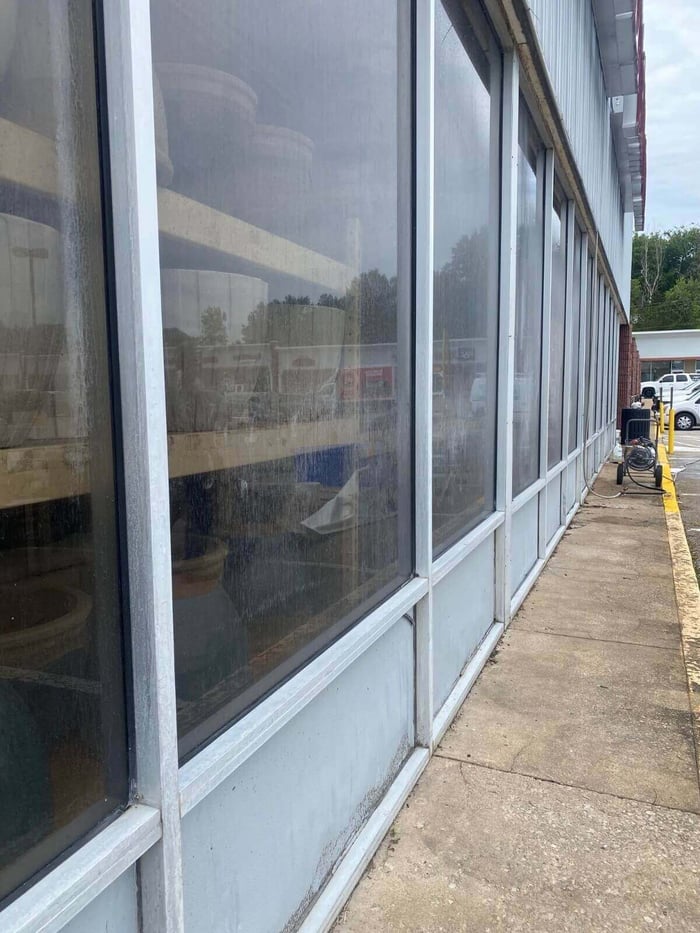
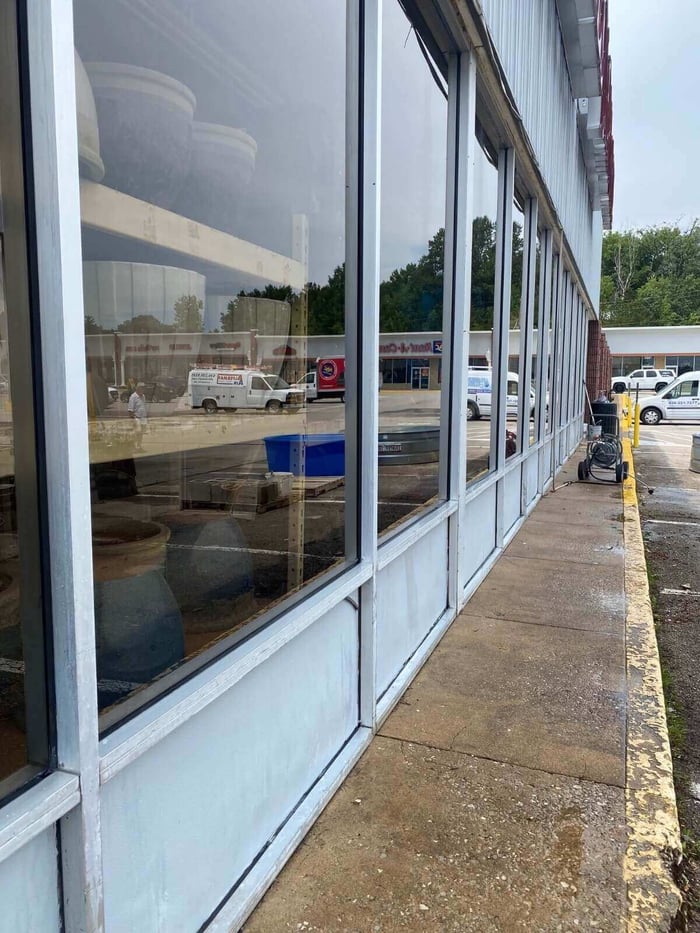
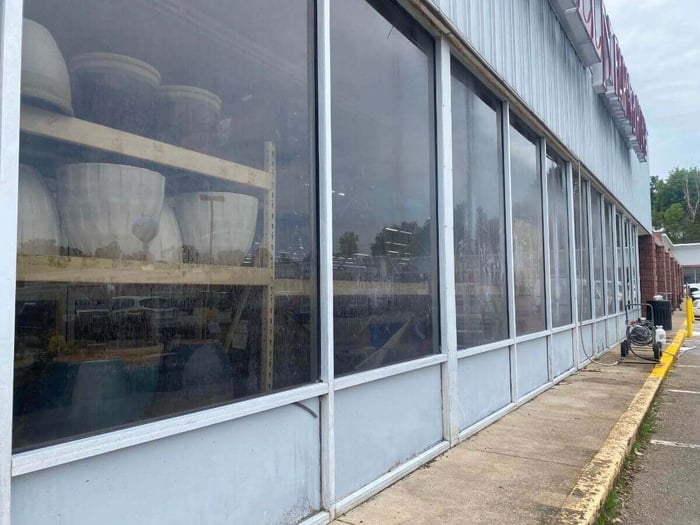
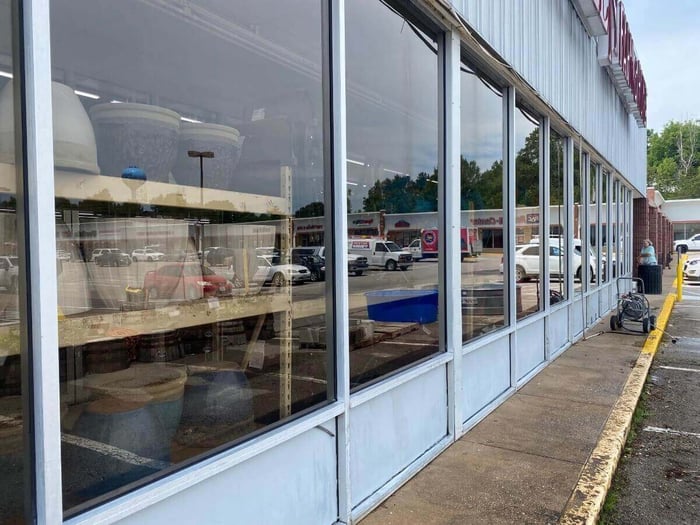
Glass Restoration: Before and After
Glass Restoration Mix Ratio
Start at 1:1 (one part Restore All to one part water). If staining is light, that ratio may be all you need. For heavy mineral buildup or years of sprinkler damage, work up to full-strength application. Do not apply to hot surfaces or glass in direct sunlight — the solution will flash-dry and leave marks.
Working in Sun and Heat
If shade is not available, pre-wet the glass with clean water for at least 15 seconds to bring the surface temperature down, then apply Restore All and work in significantly smaller sections. The goal is simple: the surface stays wet for the entire 4–6 minute dwell.
Tinted and Coated Glass — Proceed Carefully
Two risks with tinted or coated glass:
- Precipitation runoff stains on a surface coating can become permanent — the mineral deposits bond to the coating differently than to bare glass.
- Restore All can strip certain tints and coatings. Always test on an inconspicuous area and inspect closely before committing to the full panel.
Final Rinse
For glass, polished granite, or metal surfaces, rinse with pure water (RO/DI) to prevent hard water spotting from your rinse water undoing the restoration work you just completed.
Safety Precautions
- Gloves are mandatory. Restore All is a mild acid. Prolonged skin contact causes irritation.
- Respiratory protection when spraying. If you are misting the product onto glass or a building facade, wear a respirator or appropriate half-mask with acid-gas cartridges.
- Eye protection. Splashback during agitation is common on vertical surfaces.
- Test every substrate. While Restore All is safe on most building materials, coated metals, specialty stone, and aftermarket glass tints can react unpredictably. A two-minute test patch saves a callback.
Recommended Products for Restore All Projects
A typical Restore All job pairs the cleaner with a few supporting items:
- ProTool Restore All Restoration Cleaner — the cleaner itself, available in quart and gallon.
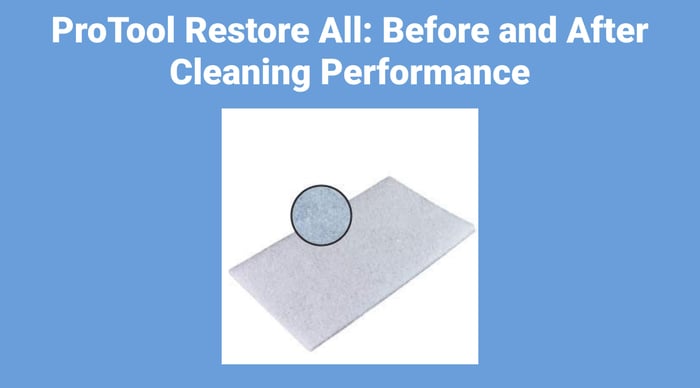
- ProTool Coconut Shell Scrub Pad 6×9 — aggressive enough for heavy mineral staining without scratching glass.
- ProTool White Scrub Pad 6×9 — lighter agitation for maintenance-level staining or sensitive surfaces.
- Hard Water Stain Removers — the full category if you need to compare Restore All against other options for a specific stain type.
- Water Fed Filters & Housings — for producing the pure rinse water that prevents re-spotting.
- Solo 2-Gallon Chemical-Resistant Pump Sprayer — acid-rated sprayer for safe application.
Products Mentioned
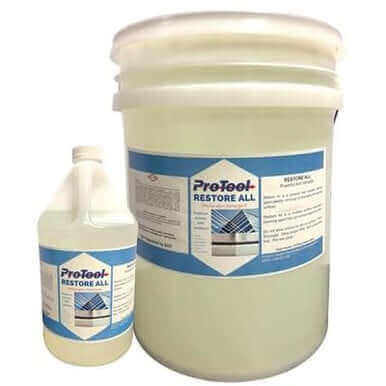 Protool Restore All Restoration Cleaner SKU: 86-63M | 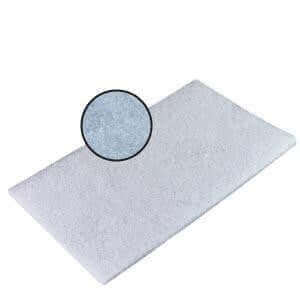 ProTool Pad Scrub White 6x9 (1) SKU: 26-10 | 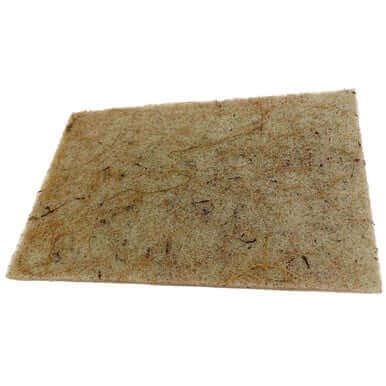 ProTool Coconut Shell Natural Fiber Scrub Pad 6in x 9in SKU: 26-090 |
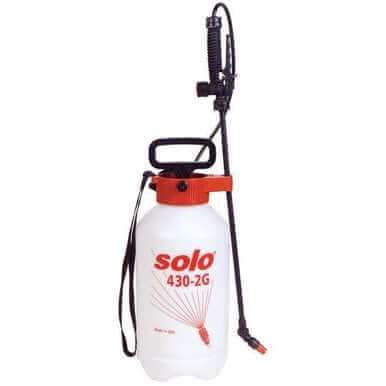 Pump Sprayer 2 Gal Chem Resistant Solo SKU: 515-040 | Pump Sprayer 2 Gal Chem Resistant Solo SKU: 515-040 |