Understanding Water Flow Rates in Window Cleaning Systems

Water flow rates in window cleaning systems determine how fast you work, how clean the glass gets, and how much pure water you waste. Most operators size their RODI system and pump correctly but lose performance somewhere between the cart and the brush — usually in hose selection, jet configuration, or rinse bar setup. This guide breaks down the actual flow numbers so you can match every component in the delivery path.
Why Flow Rate Matters More Than Pressure
Pressure pushes water through the system. Flow rate determines how much water actually reaches the glass per minute. A system pumping 1.5 GPM through a 5/16" OD pole hose delivers a very different cleaning experience than the same pump feeding a 1/4" ID high-flow hose — even at identical pressure. The restriction point in any water fed system is almost always the hose or the jet, not the pump.
Undersized hose or too-small jets starve the brush, leaving streaks and forcing second passes. Oversized hose wastes DI water and adds unnecessary weight to the pole. The goal is matching every component so flow is consistent from reel to rinse.
Hose Flow Rates by ID
5/16" OD Pole Hose
3/8" ID Ultra Light Hose
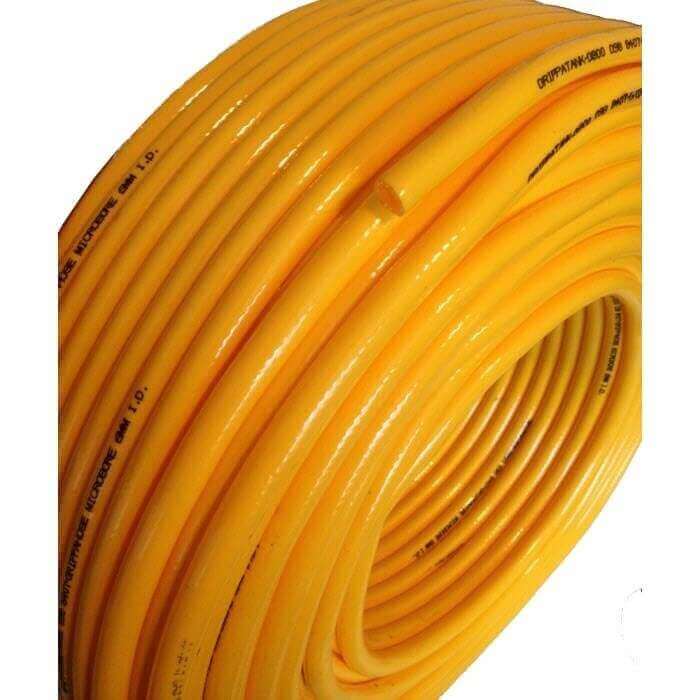
1/4" ID High Flow Pole Hose
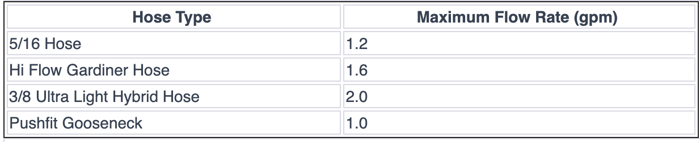
Hose internal diameter (ID) is the single biggest variable in your delivery path. Here is how common hose sizes compare at typical WFP operating pressures:
- 3/16" ID (5 mm microbore): ~0.3–0.5 GPM. Fine for residential resi-poles under 25 ft with 2-jet brushes. Starvation risk on anything larger.
- 1/4" ID (6 mm): ~0.5–0.8 GPM. The standard high-flow pole hose — good for most residential and light commercial up to 40 ft. The Hi-Flow 1/4" ID Hose is the most popular choice here.
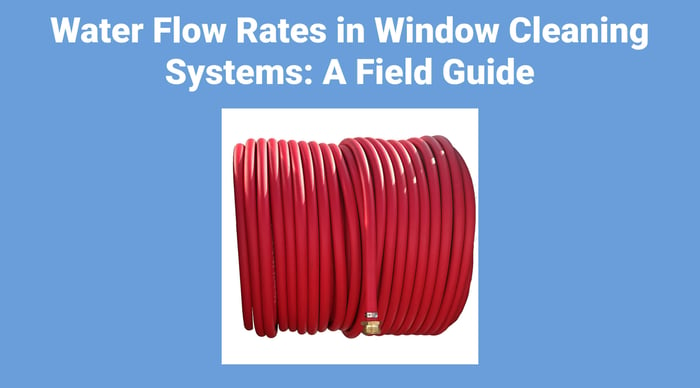
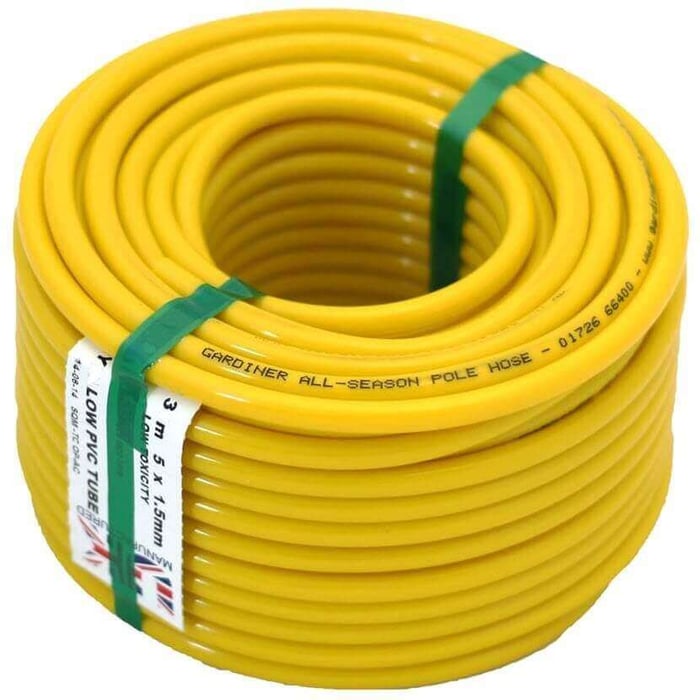
- 5/16" OD (~3/16" ID): ~0.3–0.5 GPM at normal pressures. Common Euro-standard microbore. Works well for single-operator residential systems. The Gardiner Yellow All Season Pole Hose is the go-to option.
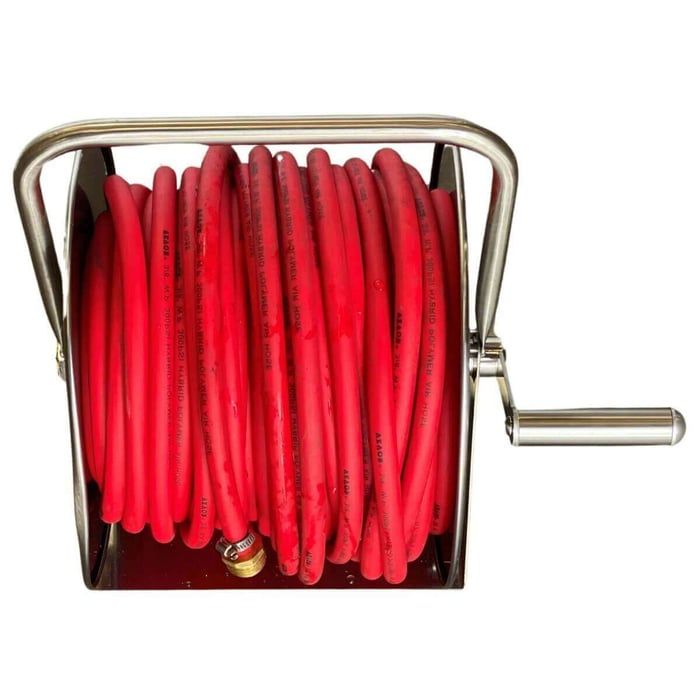
- 3/8" ID (10 mm): ~1.0–1.5 GPM. This is your delivery/reel hose, not your pole hose. The ProTool 3/8" Red Hybrid Hose handles long runs from cart to pole base with minimal pressure drop.
- 1/2" ID: ~1.5–2.5 GPM. Main supply line from tank or RODI system to the reel. Overkill as pole hose but essential for dual-operator setups feeding two reels.
The practical takeaway: a 100 ft run of 5/16" OD hose at 60 PSI delivers roughly half the flow of the same run in 1/4" ID. If you are fighting slow rinse times at height, the hose — not the pump — is usually the bottleneck.
Brush Jet Configuration and Flow
The jets in your brush head are the final restriction point. Each jet is essentially a small orifice, and the number of jets multiplied by orifice size determines how much water the brush can deliver at a given pressure.
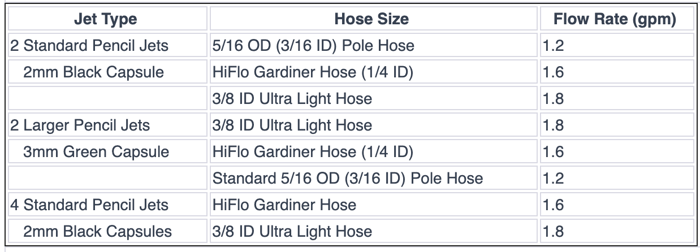
Gardiner Capsule Jets come in pencil-jet and fan-jet configurations. Pencil jets concentrate flow for agitation and are preferred for heavy soiling. Fan jets spread water across more glass area for faster rinsing. Key points:
- 2-jet brush (pencil): ~0.25–0.4 GPM total. Residential standard. Adequate for most single-story and two-story work where dwell time is short.
- 4-jet brush (pencil or fan): ~0.5–0.8 GPM total. Better for commercial frames, heavily soiled glass, or brushes wider than 14". The Gardiner TaperTec Ultimate Brush with fan jets is a strong pick for this range.
- Rinse bar add-on: Adds 2–4 additional jets below the brush for a dedicated rinse pass. This increases total demand by 0.2–0.5 GPM depending on nozzle size.
If your hose can deliver 0.6 GPM but your brush has 4 jets demanding 0.8 GPM, you get weak streams and slow rinse. Match jet count to hose capacity — or upgrade the hose.
Rinse Bar Flow Rates
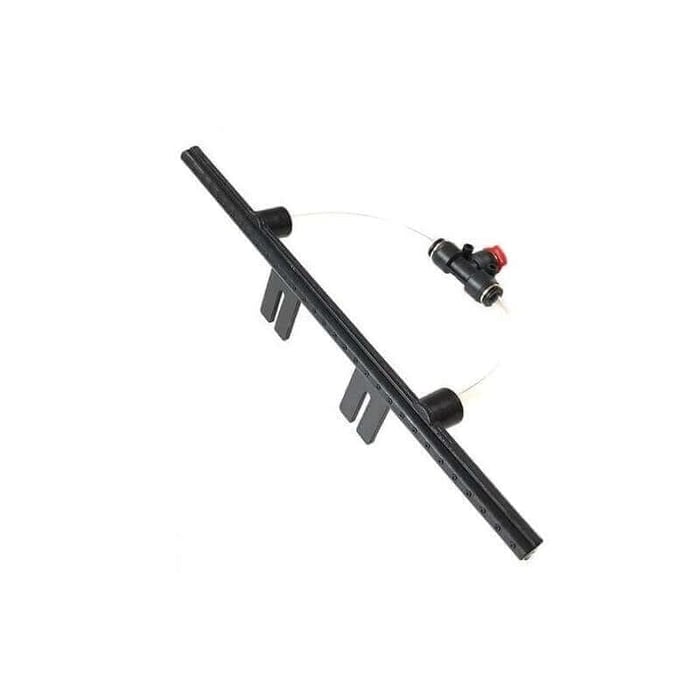
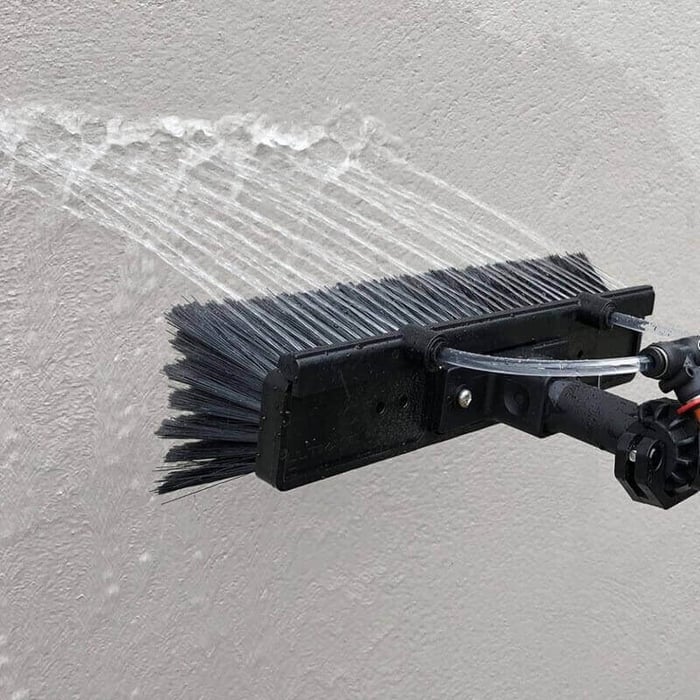

Rinse bars mount below the brush and deliver a curtain of pure water for a streak-free final pass. The Gardiner Micro Jet Rinse Bar 10" and the 14" Low Pressure Rinse Bar are the two most common setups. Flow rates vary by nozzle count and pressure:
- 10" bar, 4 micro jets: ~0.3–0.5 GPM. Pairs well with microbore pole hose on residential systems.
- 14" bar, 6 micro jets: ~0.5–0.8 GPM. Needs at least 1/4" ID pole hose or a dedicated delivery pump to avoid starving the brush jets.
Running a rinse bar and a 4-jet brush simultaneously can push total demand past 1.0 GPM. That exceeds what most microbore hose can supply over a long run. If you add a rinse bar, you likely need to step up to 1/4" ID pole hose and ensure your booster pump can maintain 60+ PSI at that flow.
Matching the System: Cart to Glass
The right combination depends on your operation. Here are three common profiles:
Residential Solo Operator
A ProTool 511 Pure Water Cart feeding a 5/16" OD pole hose through a 2-jet brush. Total demand under 0.5 GPM. Simple, lightweight, no pump needed if municipal pressure is above 40 PSI.
Residential/Light Commercial with Rinse Bar
A ProTool HiFlo Cart with a 12V delivery pump, 1/4" ID pole hose, 4-jet brush plus 10" rinse bar. Total demand 0.6–0.9 GPM. The pump compensates for friction loss over 100+ ft hose runs.
Commercial Multi-Story
A ProTool HiFlo Ultra Cart with 3/8" delivery hose to the reel, transitioning to 1/4" ID pole hose, running a large brush with 4+ jets and a 14" rinse bar. Total demand 1.0–1.5 GPM. This setup needs a regulated pump and careful attention to hose transitions.
Common Flow Problems and Fixes
- Weak jets at height: Friction loss increases with hose length and decreases with hose ID. Switch from microbore to 1/4" ID, or shorten the total hose run.
- Pulsing flow: Usually a pump cycling on and off because demand exceeds supply. Add an accumulator tank to smooth the delivery.
- Excessive water use: Too many jets or too-large jet orifices for the job. Switch to pencil jets for agitation and use the rinse bar only for the final pass.
- Inconsistent TDS: High flow rates push water through DI resin too fast, reducing contact time. If your TDS meter reads higher at full flow, slow the pump or add resin capacity.
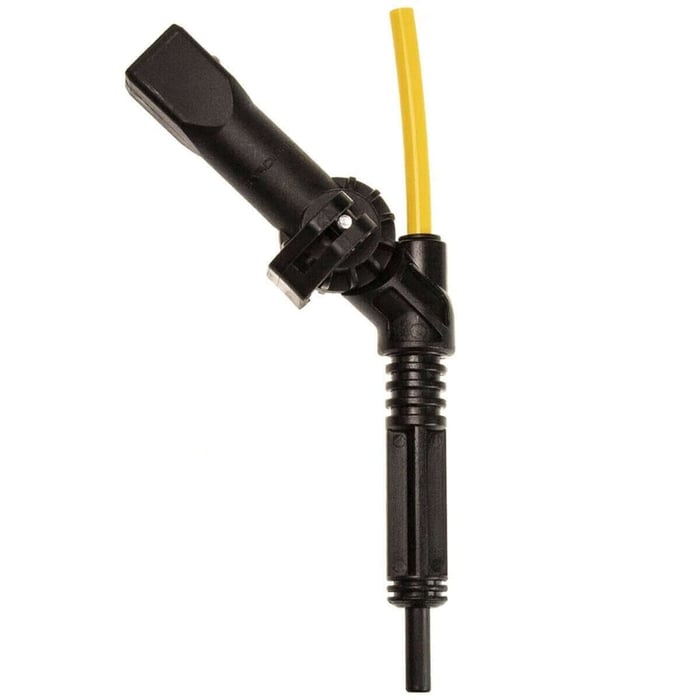
Products Mentioned
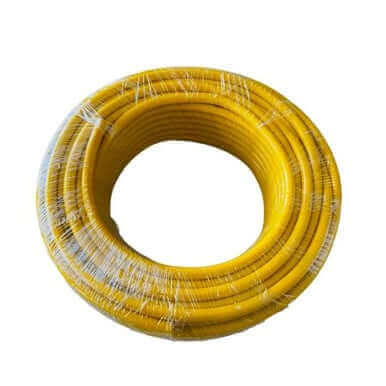 Hose Hi-Flow 1/4in ID SKU: 152-13M | 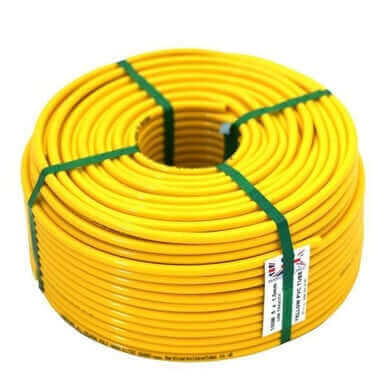 Gardiner Hose Yellow All Season Pole Hose SKU: 152-1M | 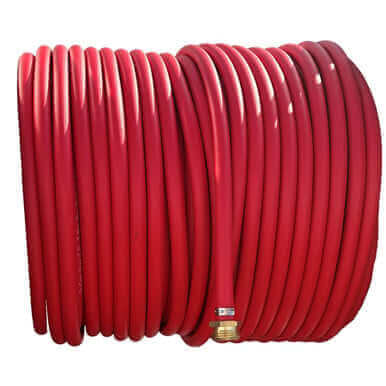 3/8in ID Water Hose Per Foot (No Hose Ends) ProTool Hybrid Red Ultra Light SKU: 150-0327 |
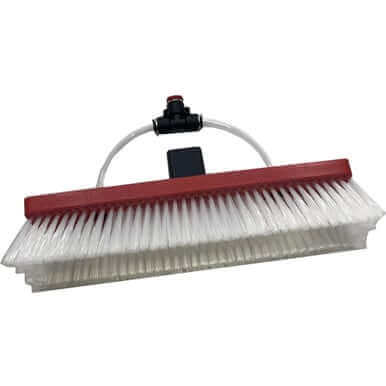 TaperTec 10in Ultimate Brush 2 Jets Gardiner SKU: 158-4178 | 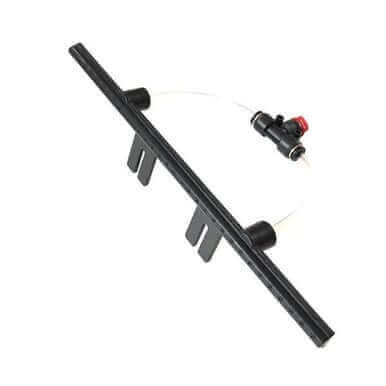 Gardiner Micro Jet Rinse Bar 10in SKU: 157-40471 | 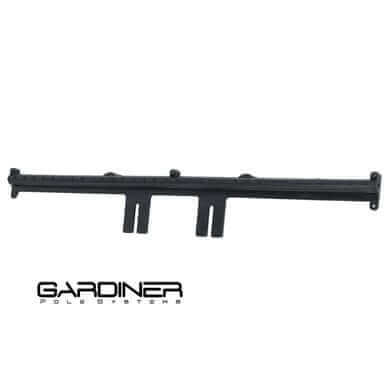 Gardiner Micro Jet Rinse Bar Low Pressure 14in SKU: 157-40473 |
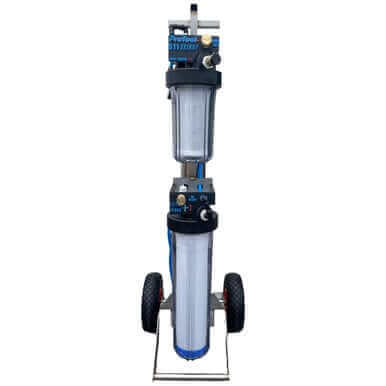 ProTool 511 Pure Water Cart SKU: 150-0515 | 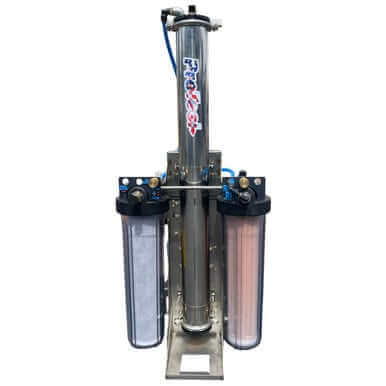 ProTool HiFlo Pure Water Cart Stainless Steel SKU: 150-0521 | 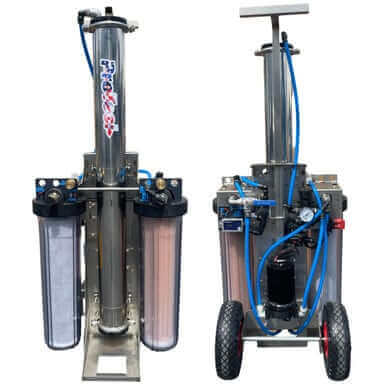 ProTool HiFlo Pure Water Ultra Cart SS 12V or 110V SKU: 150-0522 |
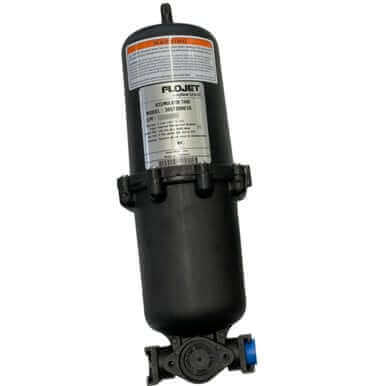 Accumulator Tank FloJet 33oz Capacity SKU: 150-5462 |