
Commercial Window Cleaning Equipment: 2026 Selection Guide
Table of Contents
Commercial window cleaning equipment fails crews in predictable ways: mineral spots from undertreated water, arm fatigue from poorly balanced poles, safety setups cobbled together from incompatible components. The difference between a productive day and a costly one usually comes down to how well your inventory matches the buildings you actually clean.
This guide covers equipment selection for professional commercial operations — hand tools, water-fed poles, RODI filtration, and fall protection — with the specifics that matter on the job.
What Makes Equipment "Commercial Grade"
Commercial window cleaning equipment isn't just residential gear used more often. It's equipment that holds up under daily route work, accepts field-replaceable parts, and performs consistently across varied glass conditions. The test isn't how a tool works on day one — it's whether you can maintain it at day 300 without hunting for proprietary parts or sending it back to the manufacturer.
Plan your inventory around building types, not product categories. A storefront route with interior glass demands different tools than a 6-story office exterior. Most commercial operations run both hand tools and pure water systems, deploying each where it works best.
Hand Tools: Channels, Handles, and Sleeves
Squeegee Channel and Handle Selection
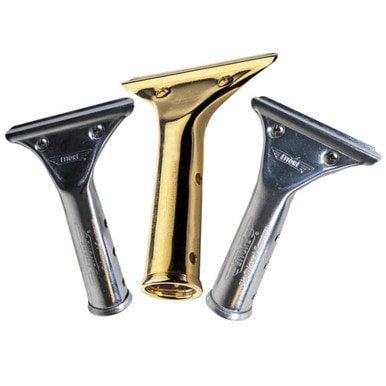
Channel material affects weight, rigidity, and longevity differently than most operators expect. Brass channels resist corrosion but add weight. Stainless steel balances durability with reasonable heft. Aluminum saves weight but dents more easily in a loaded bucket.
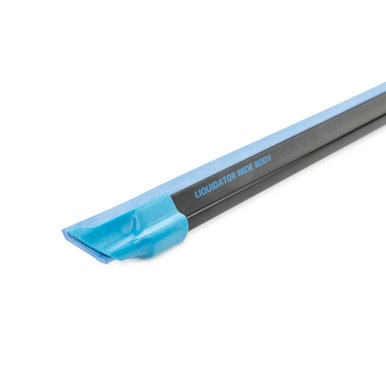
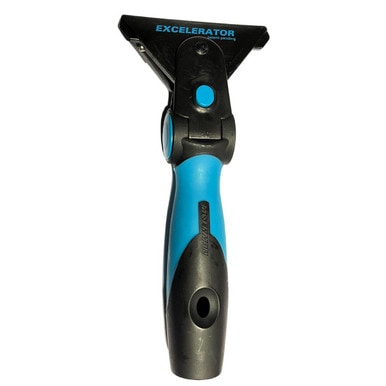
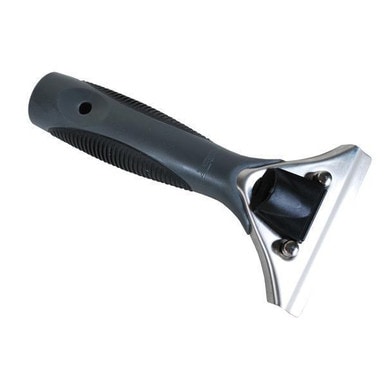
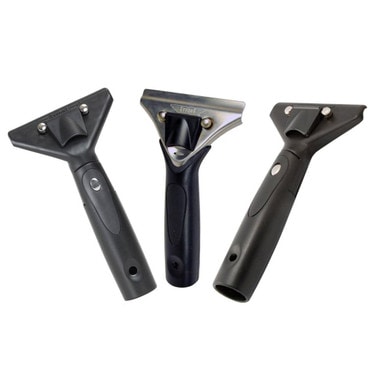
Wide-body channels like the Moerman Liquidator Wide Body Channel cover more glass per stroke on large commercial panes. For divided lights and tight edges, a standard-width channel with a swivel handle gives better control. The Moerman Excelerator Swivel Handle handles awkward angles well on route work, while fixed handles like the Ettore Handle Master Classic provide direct feedback on straightforward pulls.
Quick-release designs — the Ettore ProGrip Quick Release or the Ettore Pro+ Super System — cut rubber-change time on site. On a 40-pane storefront route, saving 30 seconds per change adds up fast.
Replacement Rubber
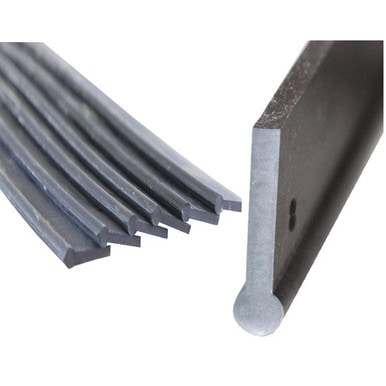
Replace squeegee rubber when it nicks, hardens, or begins leaving streaks — not on a calendar schedule. Wear rate depends on glass condition, solution chemistry, storage, and technique. The Professsional Squeegees Rubber runs well in most conditions. Ettore Master Replacement Rubber is another good solid alternative. Keep compatible rubber in your vehicle — streaks and repeat passes cost more in labor than rubber ever costs in materials.
Scrubber Sleeves
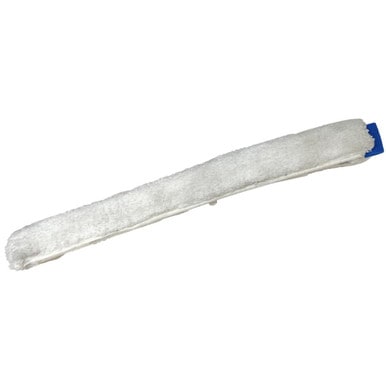
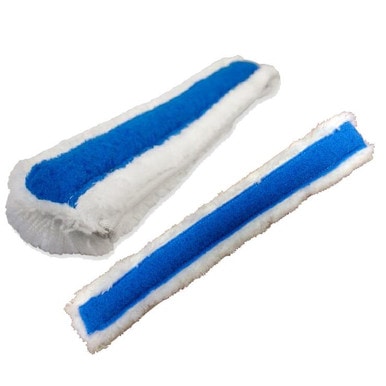
Match the sleeve to the soil level. Microfiber sleeves like the ProTool Sleeve White Pro hold solution well for routine maintenance cleans. For heavier soil or construction residue, an abrasive-strip sleeve such as the Pulex Abrasive Strip cuts through buildup without a second pass — provided the glass type permits it.
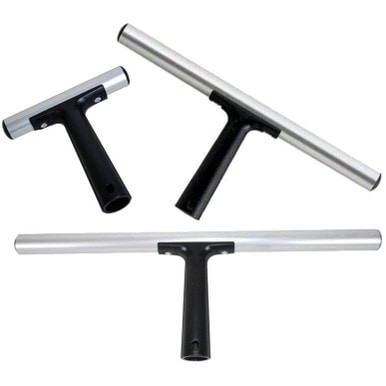
T-bar fit matters. A sleeve that shifts on the bar wastes motion and leaves dry spots. The ProTool T-Bar and Pulex T-Bar Aluminum both provide secure sleeve retention.
Scrapers and Blades
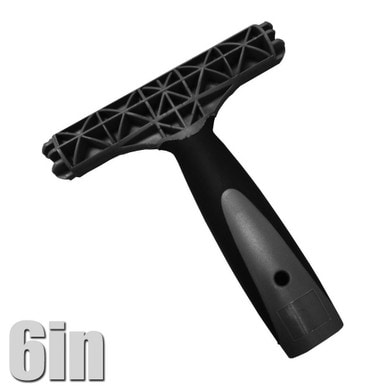
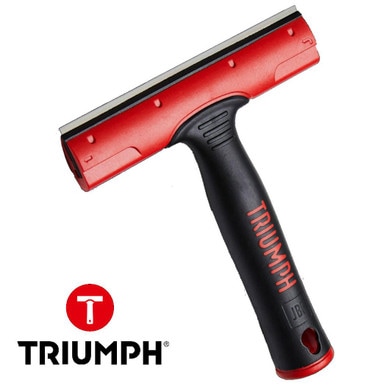
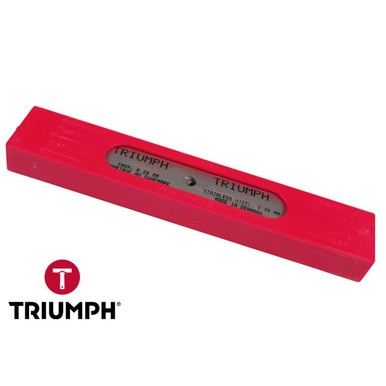
Identify the glazing before you scrape. Fabricating-debris scratches on tempered glass are a liability nightmare. When the glass type permits scraping, keep blades clean and sharp — a dull blade drags contaminants instead of lifting them. The Triumph MK3 6in Scraper gives good control, and Triumph SS Blades hold an edge longer than carbon alternatives in wet conditions.
Water-Fed Pole Systems and RODI Filtration
A water-fed system is only as good as its weakest link. The pole, brush, hose, pump, and filtration must work together. Over-investing in pole reach while under-sizing filtration — or vice versa — creates a bottleneck that costs time on every job.
Pole Selection
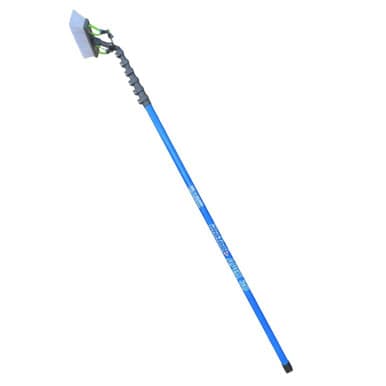
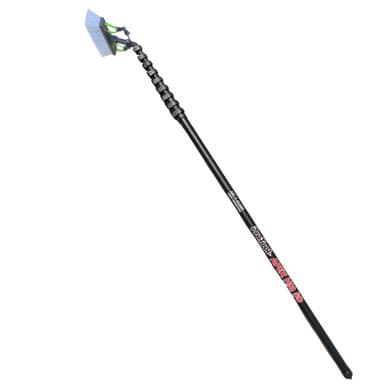
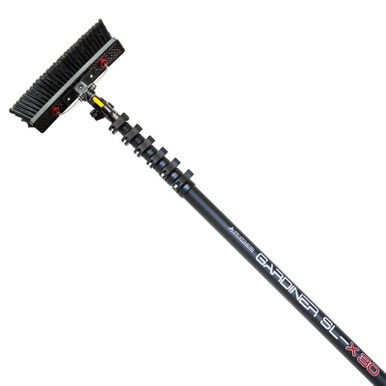
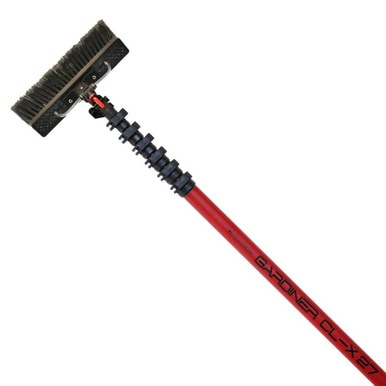
Carbon fiber poles dominate commercial work for good reason: they're lighter and stiffer than aluminum at equivalent lengths, which matters enormously above 30 feet. The ProTool Apex Carbon Fiber Pole delivers strong rigidity-to-weight performance. For high-mod applications at extreme reach, the ProTool Apex Hi-Mod reduces flex at full extension. Gardiner SLX and Gardiner CLX poles offer proven sectional and telescopic options respectively.
Sectional poles pack smaller for transport but take longer to assemble. Telescopic poles deploy faster but occupy more vehicle space collapsed. Neither is universally better — choose based on your van layout, typical reach requirements, and how often pole length changes during a job.
Brushes
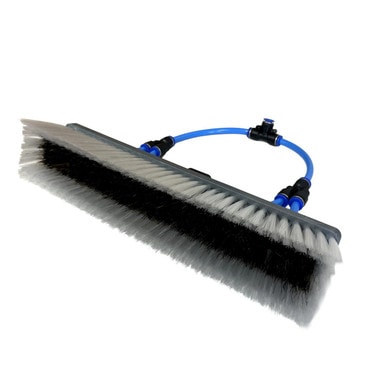
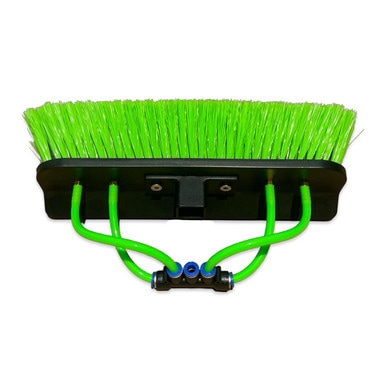
Nylon bristles handle routine exterior maintenance. Boar's hair provides a firmer scrub for oxidized frames or heavier soil. Hybrid brushes split the difference. The ProTool 4 Pencil-Jet Hybrid Brush delivers good agitation with efficient rinse-jet placement. For sill work, the ProTool Sill Brush reaches into tracks that flat-face brushes miss.
RODI Filtration: Sizing It Right
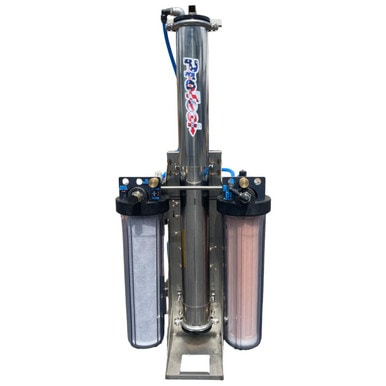
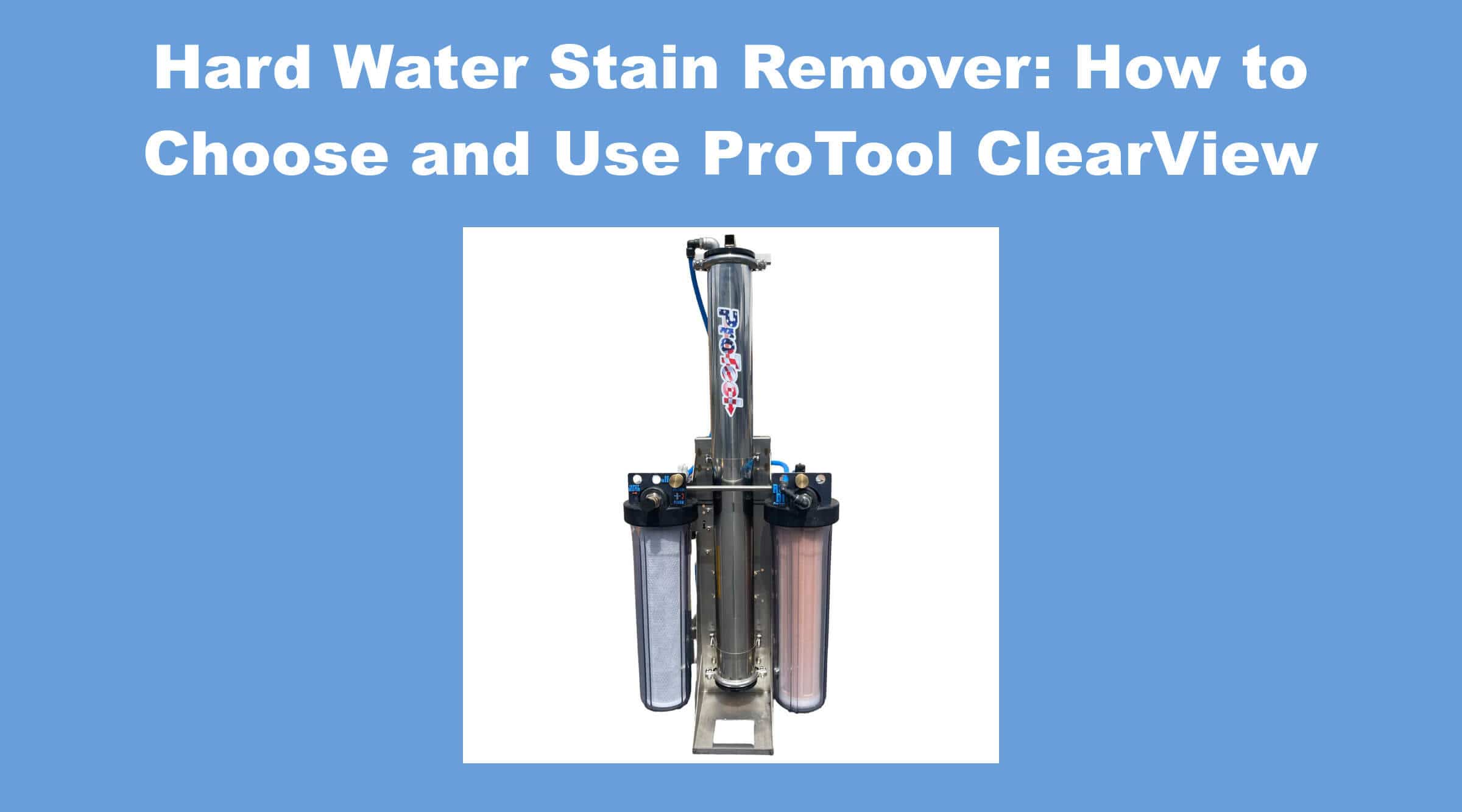
Reverse osmosis (RO) strips dissolved solids through a membrane. Deionization (DI) polishes what RO leaves behind using ion-exchange resin. For low-TDS source water, a DI-only setup works — it's portable and simple. For most municipal water (150+ TDS), an RO/DI combination conserves resin dramatically and keeps per-gallon costs down.
Stage count is marketing shorthand that obscures what matters: what each stage actually does and whether it matches your source water. A well-configured 3-stage system can outperform a poorly matched 4-stage unit. Compare membrane rejection rates, resin capacity, and pre-filter micron ratings instead.
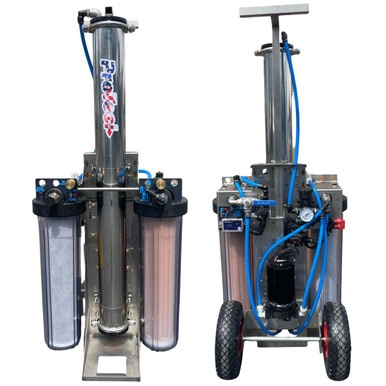
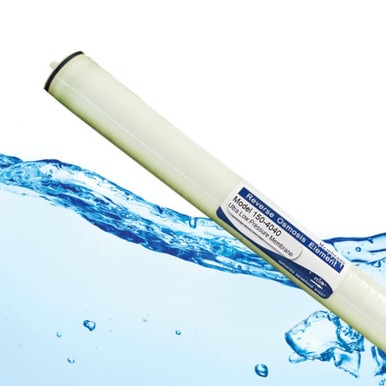
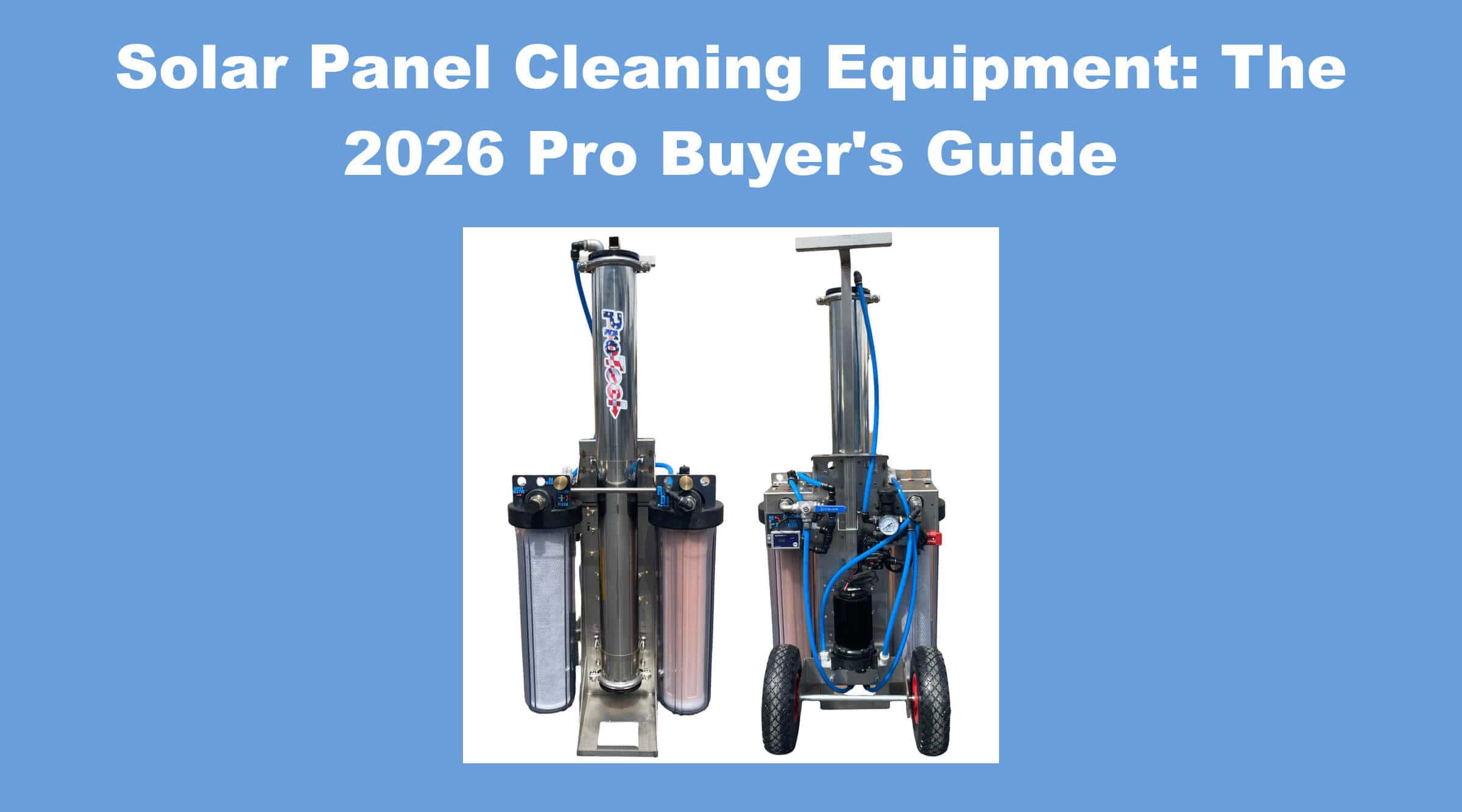
The ProTool HiFlo Pure Water Cart handles single-operator commercial work. For multi-operator crews, the ProTool HiFlo Ultra Cart adds capacity and pump options. Both use the ProTool 4040 Ultra Low Pressure RO Membrane.
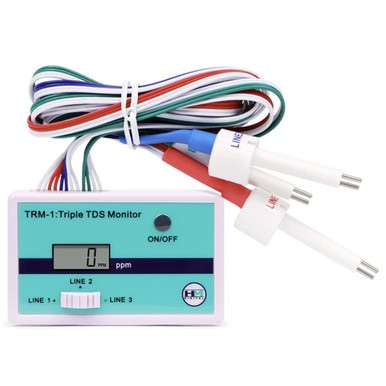
Monitor output with a TDS Inline Meter — at the point of use, not just the cart outlet. Zero TDS is the target. If readings climb, check resin exhaustion first, then membrane condition. Routine monitoring catches problems before they show up as spots on glass.
Safety and Access Equipment
Fall Protection for Rope Descent
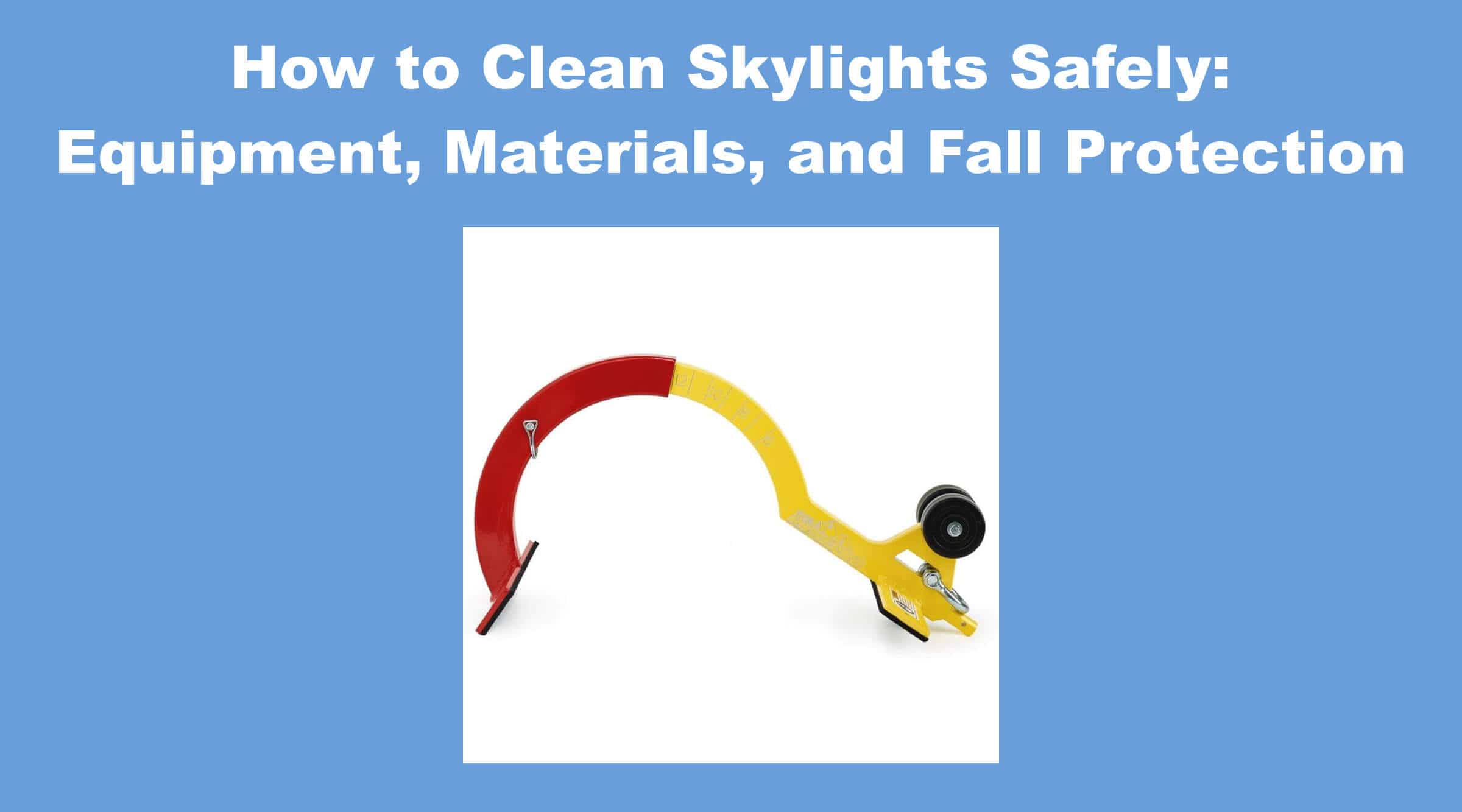
OSHA 29 CFR 1910.27 requires each rope descent anchorage to support 5,000 pounds per attached worker, with written building-owner certification before work begins. Every RDS worker needs a separate, independent personal fall-arrest system.
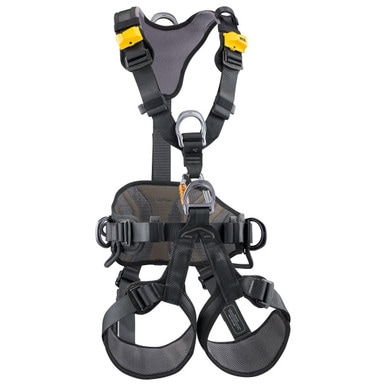
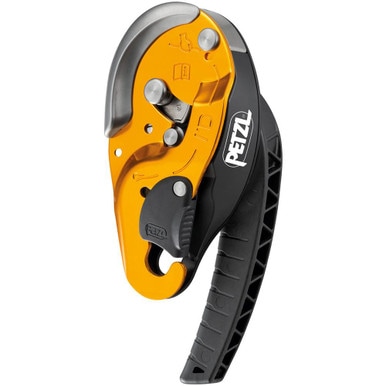
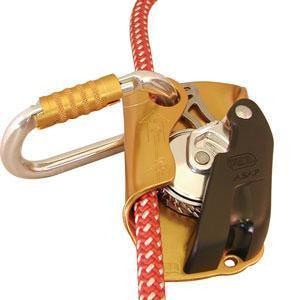
The Petzl Avao Bod Harness is built for extended suspension work. Pair it with a Petzl ID Descender for controlled descent with anti-panic braking. For rope grabs, the Petzl ASAP provides mobile fall arrest on the backup line.
Inspect every component before each shift — harnesses, lanyards, connectors, and descent devices. Follow manufacturer retirement schedules. Equipment that passes visual inspection can still be retired by age or exposure. A checklist supports consistency, but it does not replace qualified-person training.
Mid-Rise Access
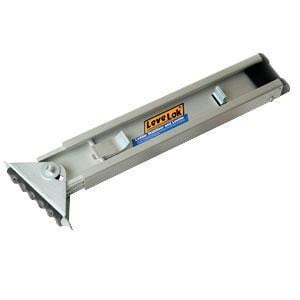
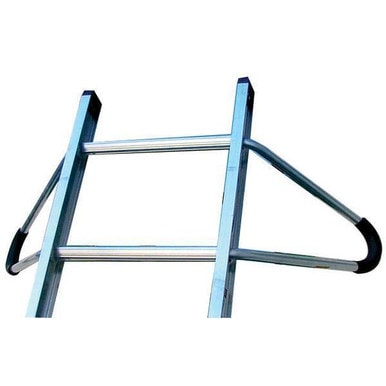
For mid-rise work reached by ladder and pole, LeveLok Ladder Levelers handle uneven terrain, and Ladder Stand Out Stabilizers keep the ladder clear of window frames. Always check for overhead power lines before raising ladders or poles.
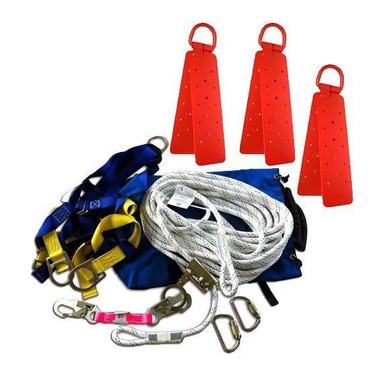
Rope descent, bosun chairs, and descender systems require matched components and trained operators. A chair or descender is never a standalone solution — it's part of a system that includes anchors, backup lines, and fall arrest. The Roof Work Fall Protection Kit bundles the essentials for roof-access setups.
Building Your Commercial Inventory
Evaluate equipment by total cost of ownership: purchase price, replacement parts, resin and filter consumption, and the labor cost of maintaining it. A cheaper pole that flexes at 25 feet costs you in rework and fatigue. A cart that burns through DI resin because it lacks adequate RO pretreatment costs you in consumables every week.
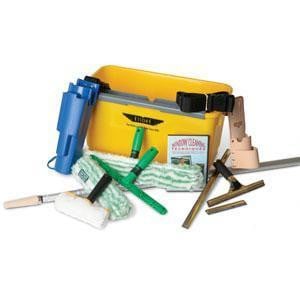
Start with a working kit matched to your current route: squeegees, sleeves, rubber, a pole system, and filtration sized to your source water. The JRC Window Cleaning Kit covers hand-tool basics. As contracts grow to larger buildings, add reach, filtration capacity, and safety equipment — don't just buy more of the same tools.
Build a replacement-parts plan for consumables: rubber, DI resin, RO membranes, sediment and carbon filters. Keeping these organized and stocked avoids the $200 emergency overnight-shipping problem that every operator has experienced exactly once.