

Window Cleaning Starter Kit: What to Buy and What to Skip

Table of Contents
Most window cleaning starter kits sold outside the trade are built around plastic handles and rubber that lasts half a shift. The difference between a working kit and a profitable one is component quality — and knowing which pieces matter most on day one versus which can wait.
This guide covers the core equipment for a new window cleaning operation, how residential and commercial setups diverge, and the maintenance and safety items beginners skip until they cost real money.
What Makes a Starter Kit Professional-Grade
A professional kit is a system, not a shopping list. Every component — handle, channel, rubber, sleeve, T-bar — has to be mechanically compatible. Mismatched parts create drag, wobble, or poor rubber contact that shows up as streaks on the glass and wasted time on the job.
Pre-configured kits like the JRC Window Cleaning Kit or the Ettore Professional Window Cleaning Kit solve the compatibility problem outright. Everything seats, clips, and fits because it was selected as a unit. For a new operator, that eliminates the most common first-purchase mistake: buying a channel that won't lock into a handle, or a sleeve that's too wide for the T-bar.
The economic argument is simple. Trade-grade stainless steel channels, brass clips, and aluminum handles are modular — you replace the worn rubber or frayed sleeve, not the whole tool. A consumer squeegee from a hardware store is a single-use item shaped like a professional one.
Core Components: What Goes in the Kit
Squeegee System
The squeegee is the tool that touches the glass last, so it determines the final result. Three decisions matter here: handle type, channel material, and rubber durometer.
Handles. Fixed handles suit straightforward residential panes. Swivel handles — like the Ettore Master Classic or the Pulex Swivel Handle — are necessary for deep-set frames and angled pulls. Beginners usually start fixed and add a swivel within a month.
Channels. Brass channels (e.g., Ettore Channel Classic) give weight that helps the rubber stay flat against glass — many veterans prefer the heft. Stainless steel and aluminum channels like the Pulex Alumax cut fatigue on long commercial days. Neither is wrong; it's a weight-vs-comfort trade-off.
Rubber. Softer rubber stays flexible in cold weather. Harder rubber resists deformation in heat. If you're cleaning in the summer sun, soft rubber turns pliable and streaks. In winter, hard rubber stiffens and skips. Stock both. The Ettore Master Replacement Rubber is the standard if you're running Ettore channels.
Scrubbers and Sleeves
The scrubber applies solution and loosens dirt. Sleeve choice depends on the work:
- Microfiber sleeves — high water retention, good for routine residential maintenance. The Pulex Microfiber Sleeve is a solid starter.
- Abrasive-strip sleeves — a scrubbing edge built into the sleeve for storefronts with heavy environmental buildup. The Pulex Abrasive Strip handles bird droppings and bug residue without a separate pad.
- Steel wool sleeves — for mineral deposits and paint overspray that microfiber can't touch. The ProTool Steel Wool Sleeve uses 0000-grade steel wool fine enough for glass.
Pair sleeves with a T-bar that matches your channel width. The Pulex Aluminum T-Bar covers most residential and light commercial work.
Buckets and Belt Holsters
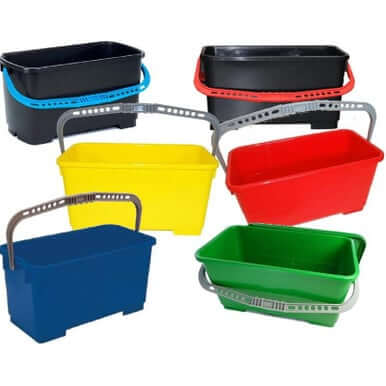
Your bucket needs to be wide enough to dunk an 18-inch sleeve without folding it. The Pulex Rectangular Bucket is the trade standard — chemical-resistant, right width, drainable.
A Bucket on a Belt (BOAB) keeps your squeegee and washer at your hip so your hands stay free on a ladder and solution doesn't drip on a client's hardwood. The ProTool Bucket on Belt clips to any work belt and holds both tools securely.
Residential vs. Commercial: How Kits Diverge
Residential Work
Interior residential cleaning is detail work. You need non-marking shoe covers, drop cloths, and a track brush to clear sill debris before you wet the glass — otherwise you're making mud. High-GSM microfiber detail towels handle edge water and corner detailing that squeegees can't reach.
Homeowners notice everything. Lint on the glass, water on the sill, a drip on the floor. The towel and the track brush aren't accessories; they're the difference between a callback and a recurring client.
Commercial and Storefront Route Work
Commercial speed comes from rigid channels, fast-release handles, and extension poles. Storefronts with second-story glass need a pole, not a ladder — it's faster and safer. The Ettore Interlock Telescopic Pole gives reliable locking and tapered-tip compatibility with standard squeegees and washers.
As volume grows, water fed pole systems become the logical next step for anything above ground level. A ProTool 511 Pure Water Cart paired with a ProTool Apex Carbon Fiber Pole lets you clean upper-story glass from the ground without ladders. That's not a day-one purchase — but it's the upgrade path worth planning for.
Safety and Maintenance: The Items Beginners Skip
Ladder Safety
Ladder stand-offs keep the rails off gutters and siding, protecting the client's property and giving you a wider, more stable base. The ProTool Ladder StandOff is a pair-and-forget item — inexpensive, and it prevents the kind of gutter-crush damage that loses you a client permanently.
Chemical Selection
Standard dish soap leaves a hydrophobic film that attracts dust and makes windows dirty faster. Trade-specific detergents are pH-neutral and formulated for squeegee lubricity — the blade glides without chatter, and the glass stays clean longer. Glass Gleam 3 and Winsol Super Slip are the two most-used soaps in the trade for good reason.
Rubber and Sleeve Maintenance
Squeegee rubber is a consumable. Replace it after 4–8 hours of active use, or the moment you see nicks or rounding. Running a damaged edge forces double-stroking, which halves your effective hourly rate.
Microfiber towels and sleeves need separate washing — no fabric softener, which deposits a hydrophobic coating that kills absorbency. Hang-dry or tumble on low.
If you're running a pure water system, a handheld TDS meter is the only way to know your resin is still pulling minerals. Once TDS creeps up, you're leaving spots — and spots on a pure-water job look worse than spots on a traditional job because the client is paying for spotless.
Building Your Kit: A Practical Checklist
| Category | Day-One Essentials | Scale-Up Additions |
|---|---|---|
| Squeegee | Handle, 14" channel, rubber | Swivel handle, 18" and 22" channels |
| Scrubber | T-bar, microfiber sleeve | Abrasive-strip sleeve, steel wool sleeve |
| Organization | Rectangular bucket, BOAB | Holster belt, second bucket |
| Detail | Track brush, microfiber towels | Scraper with SS blades, shoe covers |
| Safety | Ladder stand-offs | Extension pole, fall protection (for height work) |
| Chemical | pH-neutral window soap | Hard water stain remover, glass sealer |
| Pure Water | — | RODI cart, carbon fiber WFP, TDS meter |
Products Mentioned
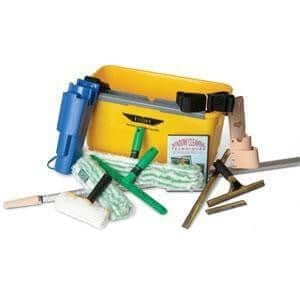 Window Cleaning Kit JRC SKU: 12-0101a | 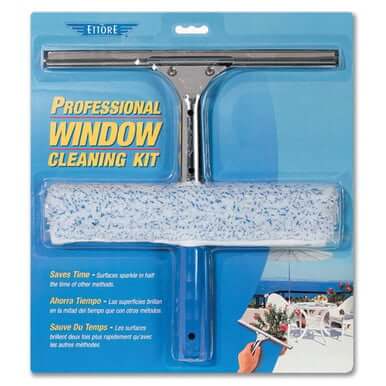 Professional Window Cleaning Kit Ettore SKU: E04991 |  Ettore Handle Master Classic SKU: 01-11M |
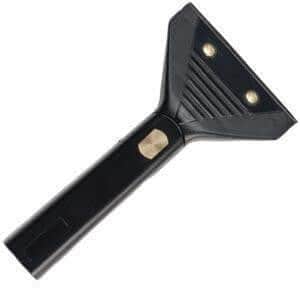 Pulex Handle Swivel SKU: 01-33M | 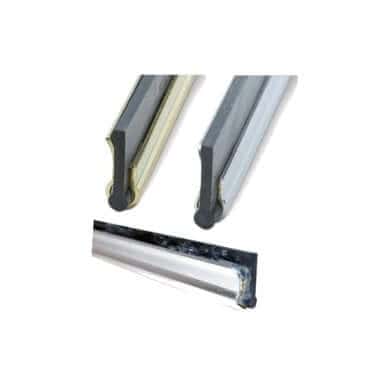 Ettore Channel Classic SKU: 02-1M | 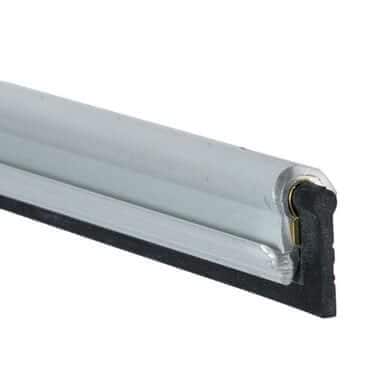 Pulex Channel Alumax SKU: 02-31M |
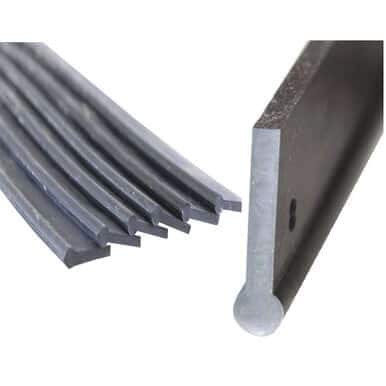 Ettore Rubber Master Replacement SKU: 03-1M | 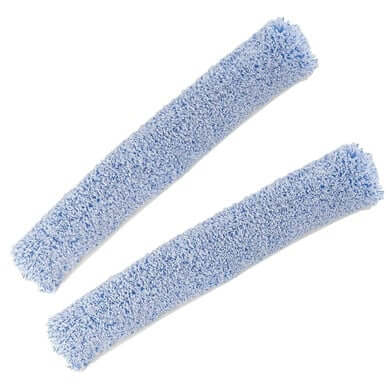 Pulex Sleeve Microfiber SKU: 11-32M | |
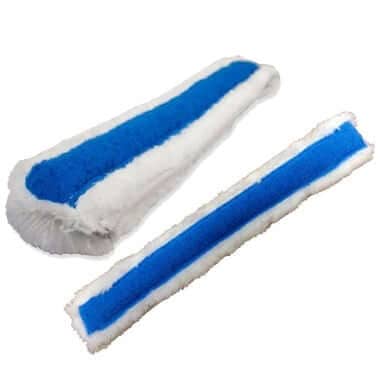 Pulex Sleeve Abrasive Strip SKU: 11-31M | 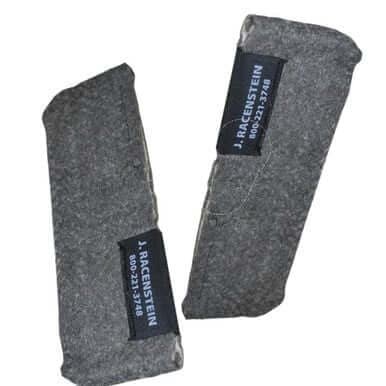 Pro Sleeve Steel Wool SKU: 11-07M | 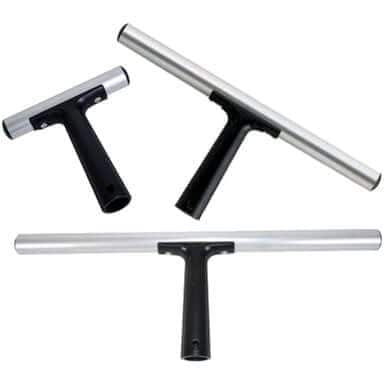 Pulex T-Bar Aluminum SKU: 10-31M |
 Pulex Bucket Rectangular SKU: 20-3M | 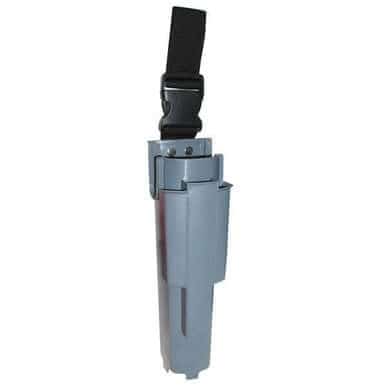 Holster Bucket on Belt Pro Gray SKU: 48-03 |  ProTool Brush for Window Track SKU: 25-502 |
 Ettore Interlock Telescopic Pole SKU: 60-16M |  ProTool 511 Pure Water Cart SKU: 150-0515 |  ProTool Apex Carbon Fiber Water Fed Pole SKU: 151-32M |
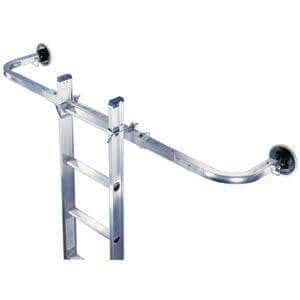 ProTool Ladder StandOff SKU: 73-101 | 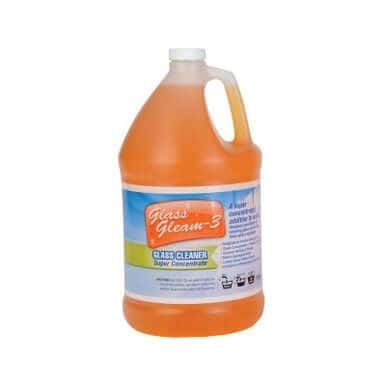 Titan Labs Glass Gleam 3 Window Cleaning Soap SKU: 84-51M | 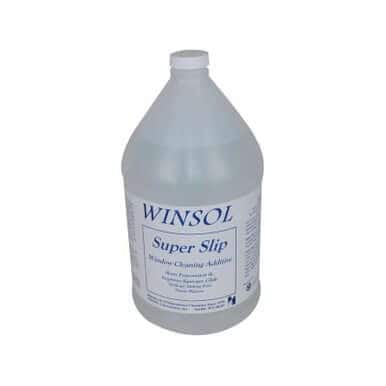 Winsol Super Slip Window Cleaning Soap SKU: 84-62M |
 TDS Meter Handheld TDS-3 SKU: 150-0199 |