Antifreeze for Winterizing Cleaning Equipment: What Pros Need to Know

Table of Contents
Choosing the wrong antifreeze for winterizing cleaning equipment is one of those mistakes that costs you in the spring — failed pump seals, cracked fittings, or a system that reeks of solvent the first week back. The fix is simple, but the details matter.
Skip Windshield Wiper Fluid
Windshield washer fluid is methanol-based. It will lower the freeze point, but methanol attacks rubber gaskets, O-rings, and plastic check valves — exactly the components soft wash pumps, pressure washer unloaders, and pure water carts rely on. It also evaporates fast, so protection disappears before the coldest months hit. Not worth the savings.
Ethanol-Based RV Antifreeze: Cheap but Risky
The budget tier of RV antifreeze uses ethanol (grain alcohol) as the active ingredient. It works as a freeze depressant, but it dries out rubber seals over a full winter of contact. It is also flammable — a real concern if you store equipment in an enclosed trailer — and leaves a lingering chemical smell that takes multiple flush cycles to clear in the spring. Ethanol/propylene glycol blends carry the same downsides: combustible, harsh on seals, and slow to purge.
Propylene Glycol: The Right Choice
Propylene glycol RV antifreeze is what you want for winterizing cleaning equipment. It is non-toxic, non-flammable, and acts as a lubricant rather than a solvent. That lubrication protects pump internals, diaphragm valves, and O-rings while the system sits idle. Come spring, equipment is ready to run after a brief flush — no swollen seals, no chemical residue on glass or surfaces.
One detail worth knowing: some propylene glycol antifreeze is made from recycled feedstock, which can carry trace contaminants. For cleaning equipment this is rarely a practical issue (you are flushing before use, and the water is not potable), but if you run a pure water system or RODI cart where resin and membrane longevity matters, look for "virgin" propylene glycol antifreeze. Dow's Dowfrost is the name-brand version, but many house brands use virgin glycol as well — check the label.
How to Winterize: Quick Checklist
- Drain all water from tanks, filter housings, pumps, hoses, and reels before adding antifreeze.
- Run propylene glycol antifreeze through every line until it exits each outlet — spray tips, brush jets, delivery hose ends.
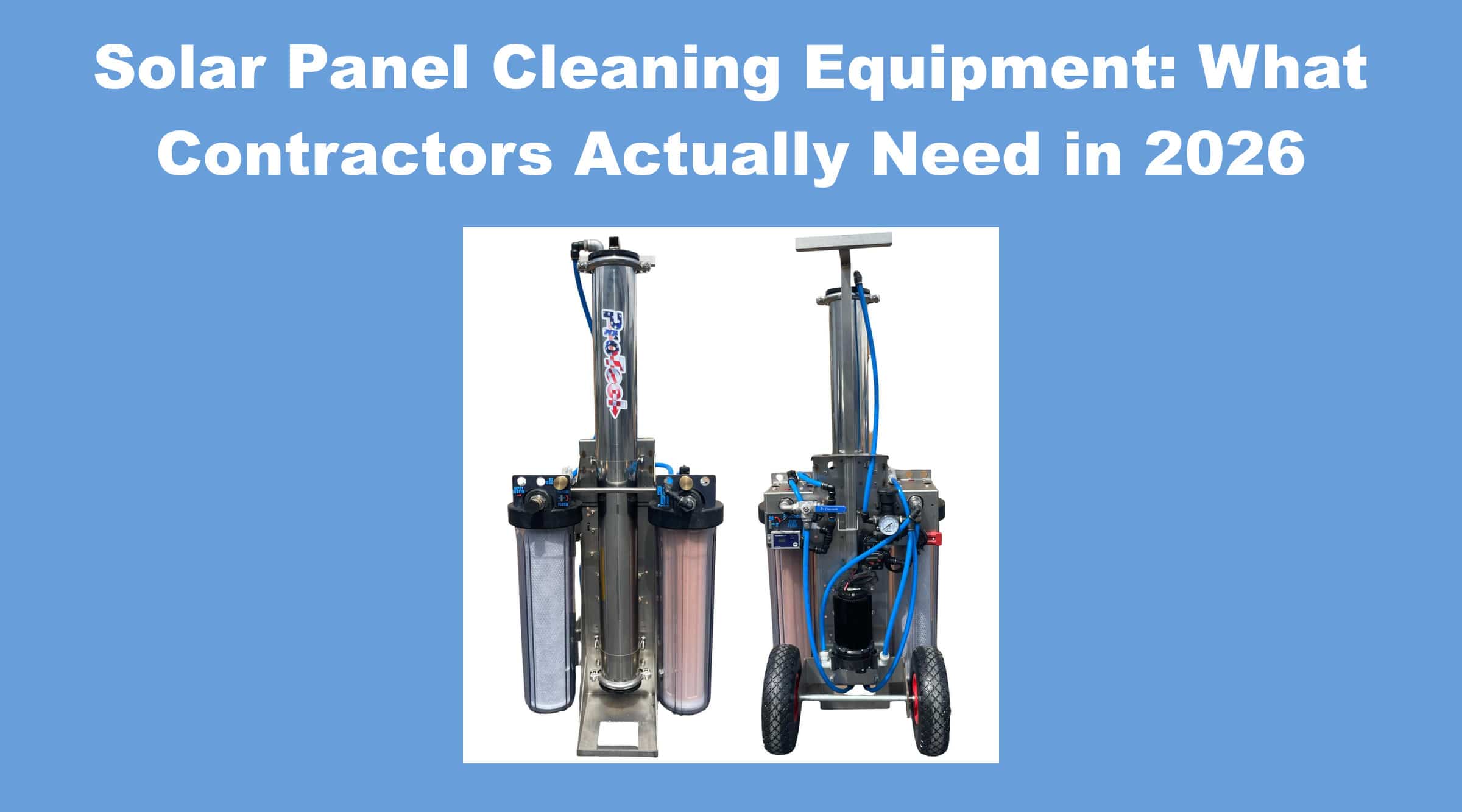
- Don't forget the RO membrane. If you run a ProTool RODI cart, pull the membrane and store it in a sealed bag with a small amount of clean water to prevent drying. Antifreeze can damage thin-film membranes.
- Protect soft wash pumps. Run antifreeze through the diaphragm pump and leave it in the head. Comet and BPX pump diaphragms crack easily when ice forms inside.
- Bypass or remove filters. Carbon and sediment filter cartridges should be pulled. Freezing water inside a housing will split it.
- Disconnect and drain hose reels. Residual water in a hose reel swivel joint will freeze and crack the seal.
- Label everything. Tag each system "winterized — flush before use" so you or a crew member does not accidentally run antifreeze through a job.
Spring De-Winterizing
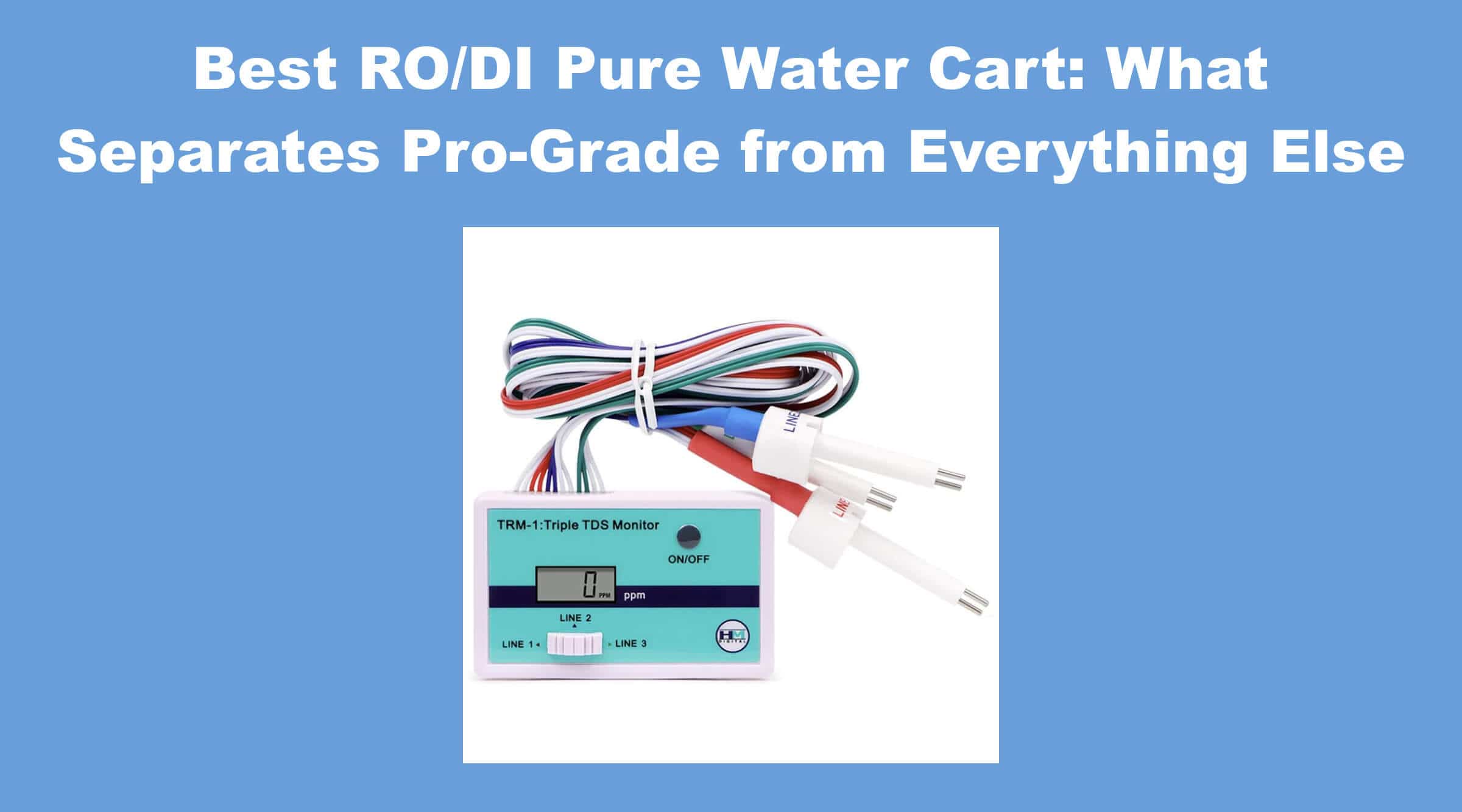
Flush every line with clean water until no antifreeze taste or color remains. Reinstall filters and the RO membrane, run a TDS check on your TDS meter, and confirm pump pressure is back to spec before loading out for the first job. A 15-minute flush in the shop beats a callback.