Best RO/DI Pure Water Cart: What Separates Pro-Grade from Everything Else

Table of Contents
The best RO/DI pure water cart is the one that holds 0 TDS under real-world conditions — variable inlet pressure, hard water, daily transport over curbs and gravel — without constant babysitting. Most carts can hit zero on a bench test. The question is whether yours still does after six months of daily use in a 300+ ppm service area. That distinction drives every spec decision below.
Why RO/DI Instead of DI-Only
DI-only tanks are simple and cheap to start. They're also ruinously expensive to run anywhere the tap water exceeds about 100 ppm TDS. A bag of virgin resin processes a finite number of grains of hardness. The harder the water, the faster it exhausts — and resin isn't cheap.
An RO membrane strips roughly 98% of dissolved solids before the water ever touches the DI stage. That means your resin handles only the residual 2%, extending its life by a factor of ten or more. For any crew cleaning daily in a moderate-to-hard water area, the payback on a full RO/DI cart versus DI-only is measured in weeks, not months.
If your local tap runs under 50 ppm, a ProTool DI Tank with Virgin Resin may be all you need. Above that threshold, the economics tilt hard toward a full RO/DI setup like the ProTool HiFlo Pure Water Cart.
The 4-Stage Filtration Chain
Every stage in a professional RO/DI cart exists to protect the stage after it. Skip or undersize one, and the downstream components pay the price.
- Stage 1 — Sediment. A spun-poly pre-filter catches rust, silt, and particulates. It's mechanical protection for the carbon block and RO membrane. A ProTool Sediment Filter 4.5" x 10" is the standard size for most ProTool carts.
- Stage 2 — Carbon. Activated carbon neutralizes chlorine and chloramines — the chemicals that destroy TFC membranes on contact. The ProTool Carbon Filter 4.5" x 10" is sized to ensure complete chlorine removal at rated flow.
- Stage 3 — RO Membrane. The workhorse. High pressure forces water through a semi-permeable membrane, rejecting up to 98% of dissolved solids. The ProTool RO Membrane 4040 is the standard for cart-based systems; the High Flow 4040 serves higher-demand setups.
- Stage 4 — DI Resin. Ion-exchange resin polishes the RO permeate to absolute zero TDS. Because it's only handling the residual 2%, a single ProTool DI Filter 20" RTU cartridge lasts far longer than it would in a DI-only configuration.
Chlorine is the fastest way to kill an RO membrane. If your carbon block reaches breakthrough and passes chlorine, the membrane suffers irreversible chemical damage. Test downstream of the carbon stage periodically with chlorine strips — it's a two-dollar check that prevents a two-hundred-dollar membrane replacement.
Filter Sizing: Why Oversized Matters
Standard 2.5"-diameter filter cartridges work, but they saturate fast under heavy use. A 4.5" x 10" cartridge has nearly triple the media volume, which means longer intervals between swaps and lower pressure drop across the system. Lower pressure drop keeps the RO membrane operating at peak rejection — the membrane needs consistent inlet pressure to do its job.
ProTool carts standardize on the 4.5" x 10" and 4.5" x 20" housings. The ProTool Filter Housing with Clear Sump lets you visually confirm sediment load without disassembling anything — a small detail that saves time on every service check.
Monitoring: TDS Meters and Pressure Gauges
You cannot manage what you cannot measure. Two instruments are non-negotiable on a professional cart:
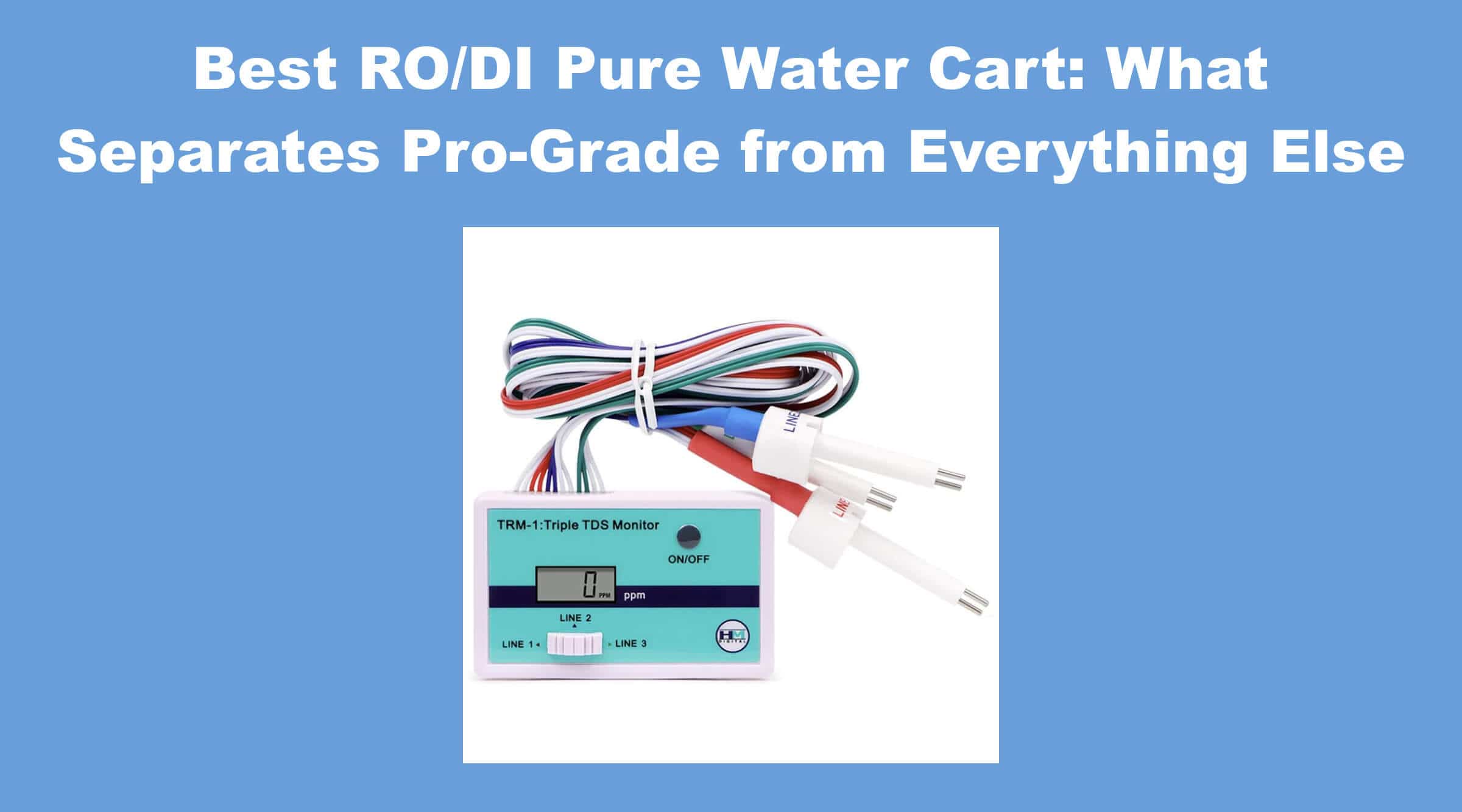
- Inline TDS meter. The TDS Inline Meter with Triple Probes reads inlet, post-RO, and outlet TDS simultaneously. When your outlet reading climbs consistently above 10 ppm, the DI resin is spent. No guessing.
- Pressure gauge. A drop in system pressure usually means a clogged sediment filter. A spike can indicate membrane fouling. The ProTool 100psi Pressure Gauge is a simple, reliable indicator.
Booster Pumps: When Tap Pressure Isn't Enough
RO membranes need roughly 50 PSI inlet pressure to achieve rated rejection. Many commercial sites — and plenty of residential ones — fall short. If you're regularly working sites with low municipal pressure, a booster pump isn't optional.
The 110V Boost Pump adds approximately 40 PSI to your inlet, which is enough to restore rated flow on most low-pressure taps. For 12V setups, the ProTool 90psi 5.0gpm Regulated Pump handles both RO boost and delivery duties.
Maintenance Protocols That Extend Equipment Life
Daily: Flush the RO Membrane
Flush for several minutes before the first job and after the last. Flushing purges concentrated minerals from the membrane surface and prevents scaling — the primary cause of premature membrane failure. In high-TDS areas (300+ ppm), add a mid-day flush.
Every 2–3 Months: Swap Pre-Filters
Sediment and carbon cartridges are sacrificial. Replace them on a regular cycle — roughly every 5,000 gallons or every 2–3 months, whichever comes first. A spent carbon block passes chlorine, and a spent sediment filter starves the membrane of pressure. Both failures are silent until the damage is done.
Seasonal: Winterization
Water expands roughly 9% when it freezes — enough to crack steel pressure vessels and shatter plastic housings. Before the first freeze, drain every housing, line, and fitting. If the cart lives in an unheated space, pump non-toxic RV antifreeze through the entire system. Store the membrane in a sealed bag with preservative solution if it will sit more than two weeks.
Ongoing: Check O-Rings and Fittings
Transport vibration loosens quick-connect fittings and dries out O-rings. Inspect housing seals and connection points regularly. Keep spares on the cart — a leaking housing O-ring is a five-minute fix if you have the part and an hour of downtime if you don't.
Choosing a ProTool Pure Water Cart
ProTool builds every cart tier on the same principle: oversized filtration, stainless steel frames, integrated monitoring, and field-serviceability. The differences come down to flow capacity and power options.
ProTool 511 — The Residential Workhorse
The ProTool 511 Pure Water Cart is the entry point for a full RO/DI system on a stainless steel frame. Compact enough for one-person residential crews, with the same oversized filter housings and inline TDS metering as the larger carts.
ProTool HiFlo — Commercial Volume
The ProTool HiFlo Cart steps up flow capacity for multi-pole commercial work. When you need to feed two or three poles simultaneously without pressure drop, this is the configuration.
ProTool HiFlo Ultra — Maximum Output
The ProTool HiFlo Ultra Cart adds powered pump options (12V or 110V) for sites where tap pressure is unreliable. It's the top of the line for crews running high-volume commercial or solar cleaning operations.
Complete Kits
If you're building a system from scratch, the Complete ProTool Pure Water Kits bundle a cart with a Gardiner water fed pole, hose, and fittings — everything matched for compatibility. No guessing which hose diameter or connector fits your GPM output.
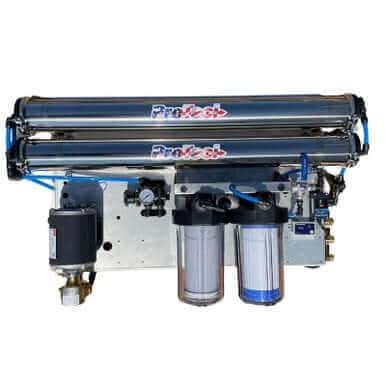
For wall-mount and truck-mount configurations, the ProTool HydroPanel RODI Wall Mount puts the same filtration chain in a fixed installation for shops or fleet vehicles.
Products Mentioned
 ProTool DI Tank with Virgin Resin SKU: 150-011M | 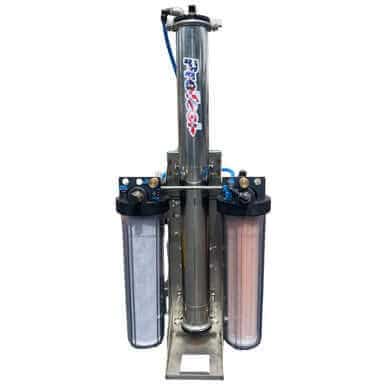 ProTool HiFlo Pure Water Cart Stainless Steel SKU: 150-0521 | 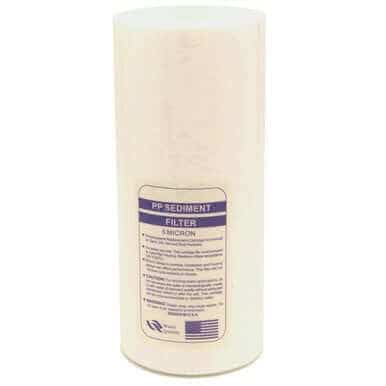 ProTool Sediment Filter 4.5in x 10in SKU: 150-005 |
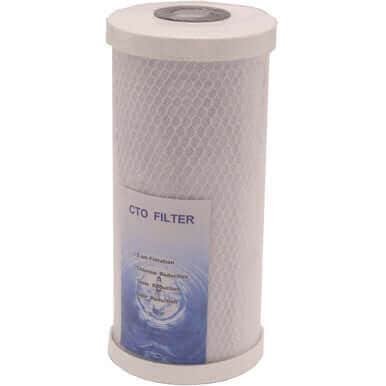 ProTool Carbon 4.5 inch x 10 inch Water Filter Cartridge SKU: 150-006 | 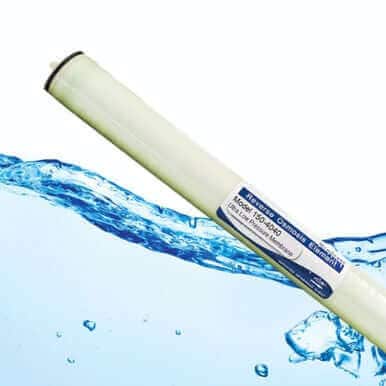 ProTool RO Membrane 4040 Ultra Low Pressure SKU: 150-4040 | 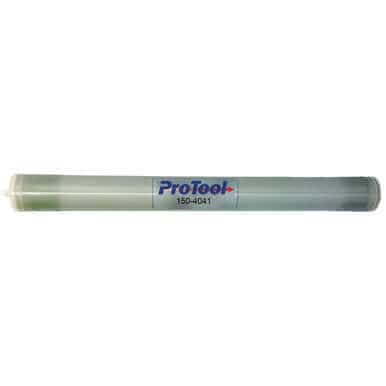 RO Membrane High Flow 4040 SKU: 150-4041 |
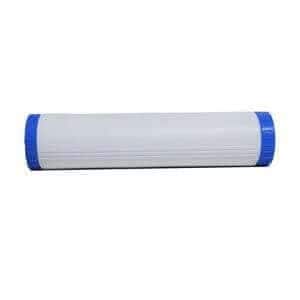 ProTool DI Filter 20in Blue/White RTU SKU: 150-012 | 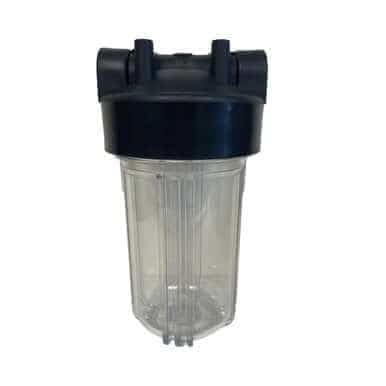 ProTool Filter Housing for 4.5 x 10 Filters with Clear Sump SKU: 150-03710 | 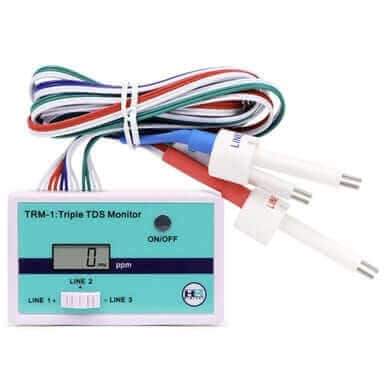 TDS Inline MeterTriple 1/4in Probes SKU: 150-017 |
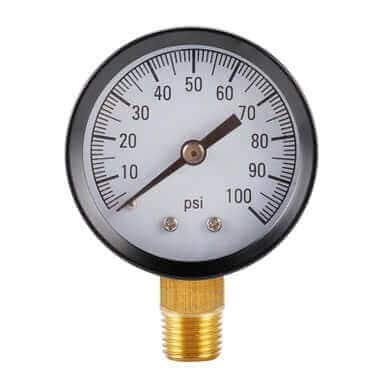 ProTool Pressure Gauge 100psi Max 1/4in SKU: 150-0392 | 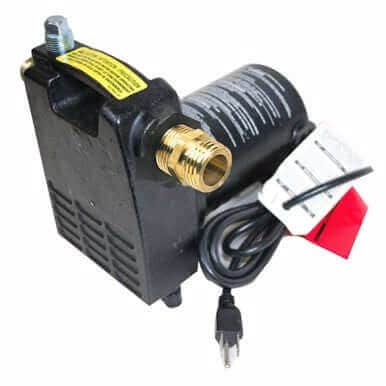 Pump 110v Boost Water Pressure add 40psi SKU: 150-0602 | 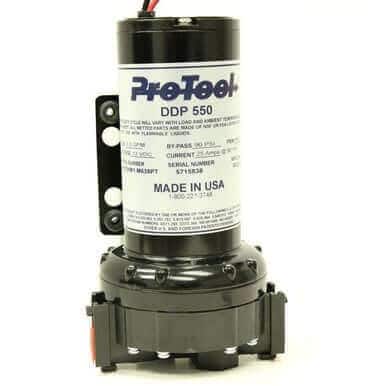 ProTool Pump 90psi 5.0gpm Pump Regulated SKU: 150-0856 |
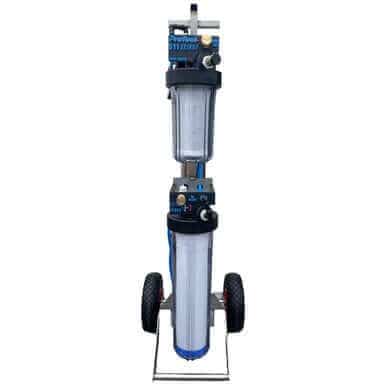 ProTool 511 Pure Water Cart SKU: 150-0515 | ProTool HiFlo Pure Water Cart Stainless Steel SKU: 150-0521 | 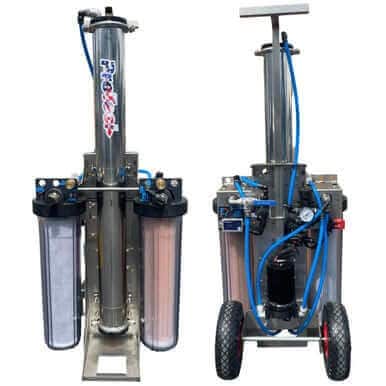 ProTool HiFlo Pure Water Ultra Cart SS 12V or 110V SKU: 150-0522 |
 ProTool HydroPanel RODI Wall Mount SKU: 150-05346M |