Drone Building Cleaning: Efficient and Effective

Drone building cleaning changes the math on high-rise exterior work. A spray drone delivering 8 GPM of pure water covers facade square footage that would take a rope access crew an entire day — but only if the water system behind it can keep pace. The real engineering problem isn't the drone. It's building a filtration and storage system that produces and buffers enough RO pure water to sustain 8 GPM spraying through a full workday.
Why Pure Water Matters for Drone Cleaning
Drones can't squeegee. Every drop they spray stays on the glass until it evaporates. Use tap water and you leave mineral deposits on every pane. RO-purified water dries spot-free with no follow-up, which is the only reason drone cleaning works commercially. The secondary benefit: you eliminate chemical runoff concerns on high-rise jobs where containment is impractical.
System Components: What the Trailer Needs
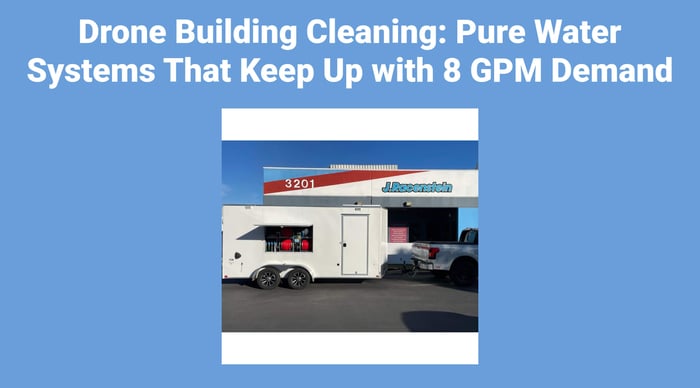
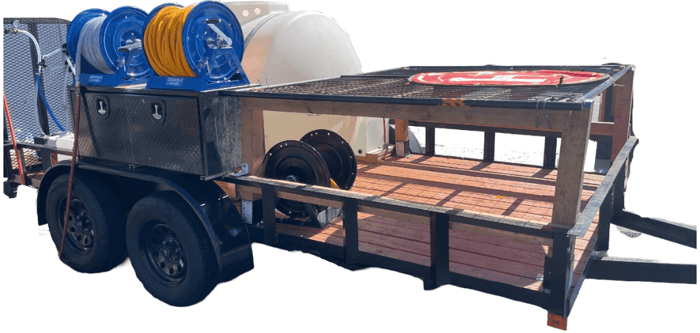
A drone cleaning trailer is a mobile water factory. Here's what the ProTool Enclosed Drone Trailer platform includes and why each component matters:
- 400-Gallon Buffer Tank — The drone draws 8 GPM, but the RO system only produces about 5 GPM. The buffer absorbs the deficit during spraying cycles and refills during battery swaps. A properly sized tank is the difference between continuous operation and waiting for water.
- 100-Gallon Tap Water Inlet Tank — Feeds the RO system at a controlled rate. Without an inlet buffer, pressure fluctuations from the tap source cause membrane fouling and inconsistent TDS.
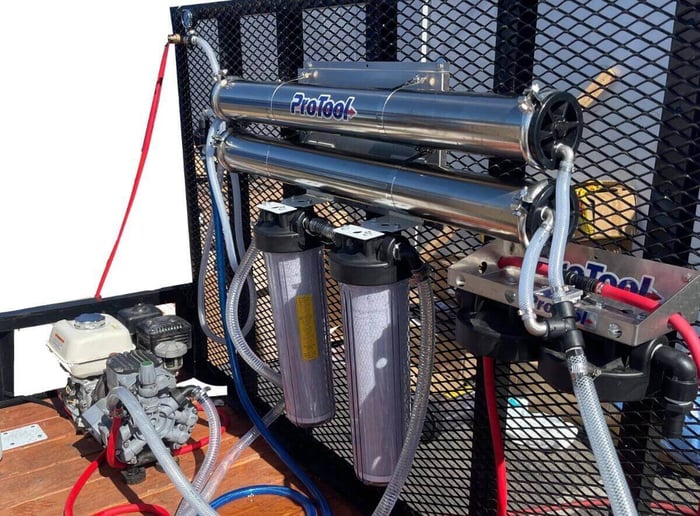
- On-Demand RO Filtration at 5 GPM — Dual high-flow ProTool 4040 RO Membranes running through stainless steel housings produce 5 GPM continuously. Pre-filtration with sediment and carbon filters protects the membranes and extends their life.
- 300 ft of 800 PSI Hose — The tether between trailer and drone. It needs to handle the flow rate at altitude without excessive pressure drop.
- Landing Zone — Dedicated area on the trailer for battery exchanges, pre-flight checks, and operator breaks.
-0t98g2-efqte-zmslu.jpg)
-ighrx4-9rmam-a8wu5.jpg)
The Water Budget: How 5 GPM Production Supports 8 GPM Demand
On paper, producing 5 GPM while spraying 8 GPM looks like a deficit. In practice, battery swaps and repositioning create enough downtime for the buffer to recover. Here's how the math works across a full day:
Setup (30 Minutes)
Connect to a tap water source and let the RO system fill the buffer tank. At 5 GPM, you bank 150 gallons before the drone lifts off.
First Session — 4 Hours
| Activity | Duration | Water Used / Produced |
|---|---|---|
| Spraying (8 x 20-min flights) | 160 min | 1,280 gal used |
| Battery swaps (8 x 5 min) | 40 min | — |
| Repositioning (8 x 5 min) | 40 min | — |
| RO production (continuous 240 min) | 240 min | 1,200 gal produced |
Net buffer after session 1: 150 (initial) + 1,200 (produced) − 1,280 (used) = 70 gallons remaining.
Lunch Break — 60 Minutes
RO keeps running. Buffer climbs back to 370 gallons — nearly full.
Second Session — 4 Hours
Same cycle. The buffer starts at 370 gallons, so you end the day with roughly 290 gallons still in the tank. The system never runs dry.
Full-Day Totals (8 Hours of Cleaning)
- Pure water consumed: ~2,560 gallons
- Pure water produced: ~2,850 gallons
- Surplus: ~290 gallons remaining in the buffer
The key insight: battery limitations create natural pauses that let production catch consumption. A bigger drone battery would actually require a bigger RO system or a larger buffer — the current balance is deliberate.
-zg0at5-ggp5u-lcj6r.jpg)
-qammu1-nvo3c-cncm6.jpg)
Scaling Up: When 5 GPM Isn't Enough
Some operations need more water — larger drones, longer flight times, or multi-drone setups. ProTool builds custom RODI skids that can push production to 8+ GPM by adding a third RO membrane and a larger booster pump. The ProTool 90 PSI 5.0 GPM regulated pump handles the boost for standard dual-membrane setups; scaling beyond that typically moves to a 110V brass rotary vane pump.
Monitor your TDS throughout the day with an inline TDS meter. If readings climb above 10 ppm by mid-afternoon, your membranes are due for replacement or your inlet water quality has changed — both are fixable before they affect cleaning quality.
Practical Considerations Most Operators Miss
- Inlet water temperature matters. RO membranes produce significantly less in cold weather. A 5 GPM system at 77°F might only make 3.5 GPM at 50°F. Plan for seasonal output drops or add a water warming skid to maintain production.
- Hose pressure drop at altitude. 300 feet of vertical hose creates back-pressure. Your pump needs to overcome both the head pressure and the drone's nozzle requirement — spec accordingly.
- Pre-filter changes. A drone trailer processes 2,500+ gallons per day. Sediment and carbon filters foul faster than on a typical WFP cart. Budget for daily or every-other-day cartridge swaps on heavy-use days.
- Buffer tank material. Use a food-grade poly tank with UV inhibitors. Translucent tanks grow algae fast in summer sun, which clogs your lines and contaminates your pure water.
Who Should Consider Drone Building Cleaning
Drone cleaning makes economic sense for buildings above 4–5 stories where rope access or swing stage mobilization costs are high. It's strongest on curtain-wall glass facades with repetitive geometry — exactly where a drone's consistent spray pattern outperforms manual techniques. It's weakest on buildings with deep setbacks, heavy ornamentation, or surfaces that need agitation rather than rinsing.
If you're evaluating drone cleaning as a service line, start with the water system. The drone itself is commodity hardware; the pure water production and delivery infrastructure is what determines whether you can actually sustain commercial-scale output.
Products Mentioned
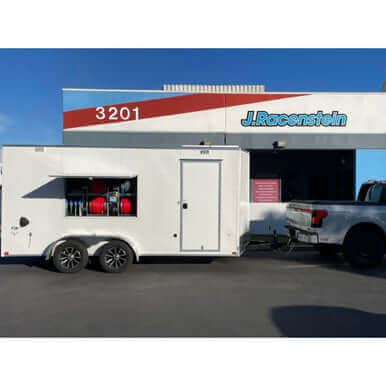 Enclosed Pressure and Soft Washing Drone Trailer SKU: 180-4700 | 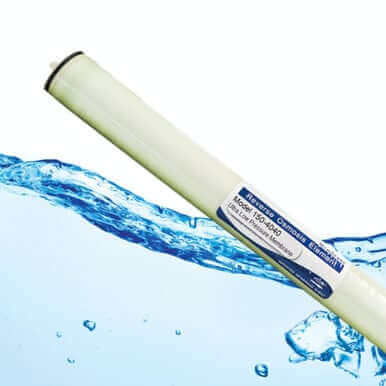 ProTool RO Membrane 4040 Ultra Low Pressure SKU: 150-4040 | 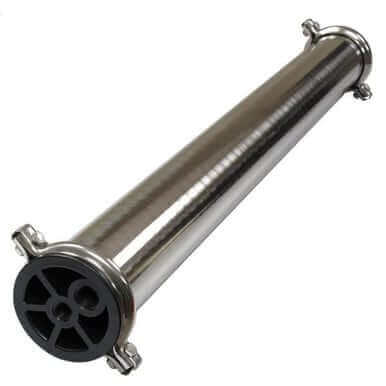 ProTool Housing SS 40in 1/2in in 1/2 out 300psi SKU: 150-4042 |
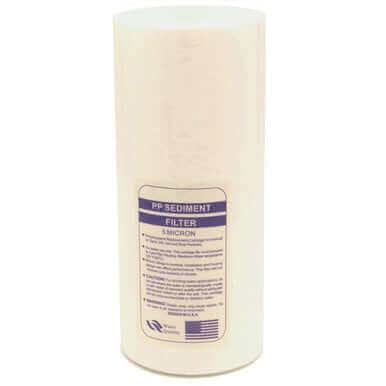 ProTool Sediment Filter 4.5in x 10in SKU: 150-005 | 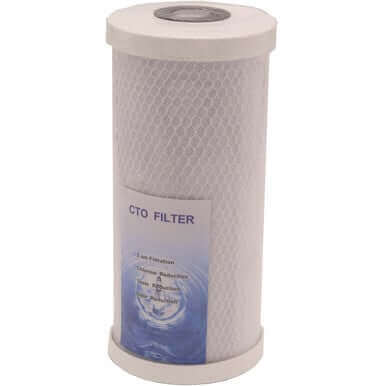 ProTool Carbon 4.5 inch x 10 inch Water Filter Cartridge SKU: 150-006 | 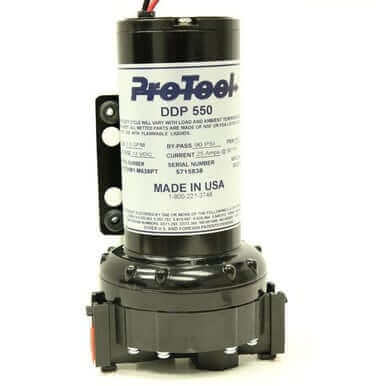 ProTool Pump 90psi 5.0gpm Pump Regulated SKU: 150-0856 |
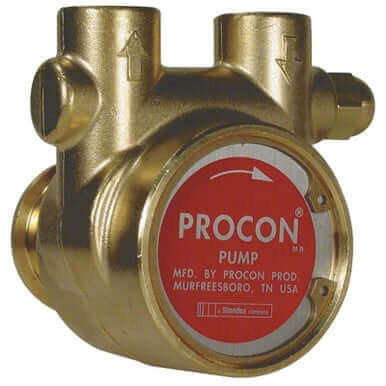 ProTool Pump 110v Brass rotary vane SKU: 150-548 | 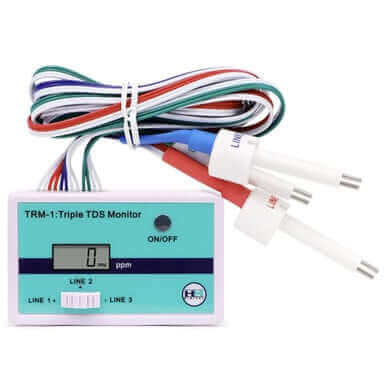 TDS Inline MeterTriple 1/4in Probes SKU: 150-017 | 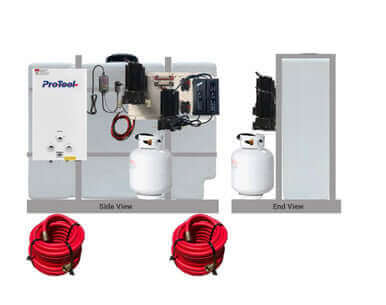 Warm Water Skid for RO production and Cleaning Systems SKU: 150-073 |