
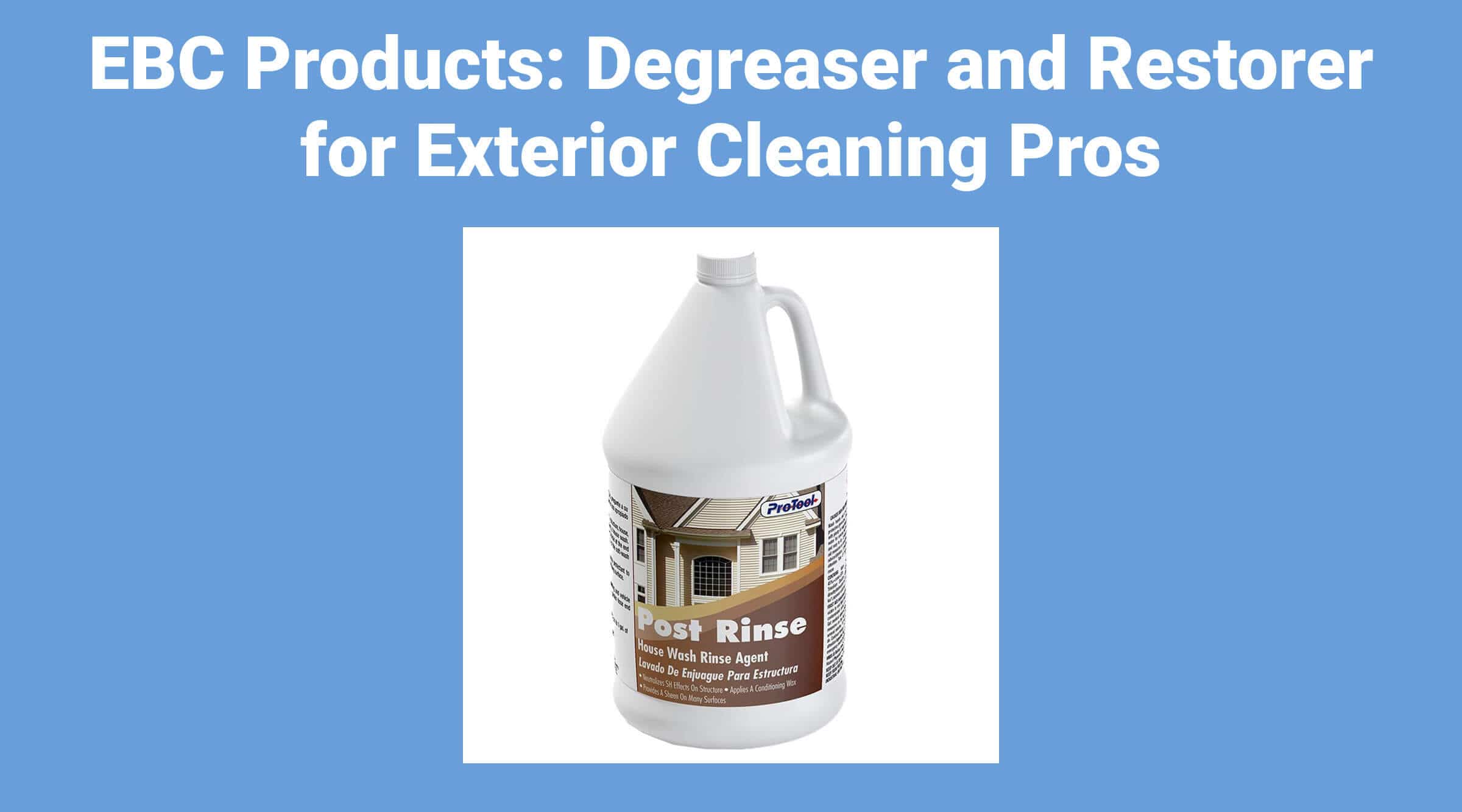
EBC Products

Two chemicals sit in almost every pressure washing trailer, and most contractors eventually grab both: EBC Cleaner/Degreaser and EBC Restorer. They share a brand and a bottle shape, but they solve different problems. Picking the wrong one costs you a re-wash — or worse, etches a surface you were hired to clean.
EBC Cleaner/Degreaser — The Organic-Soil Workhorse
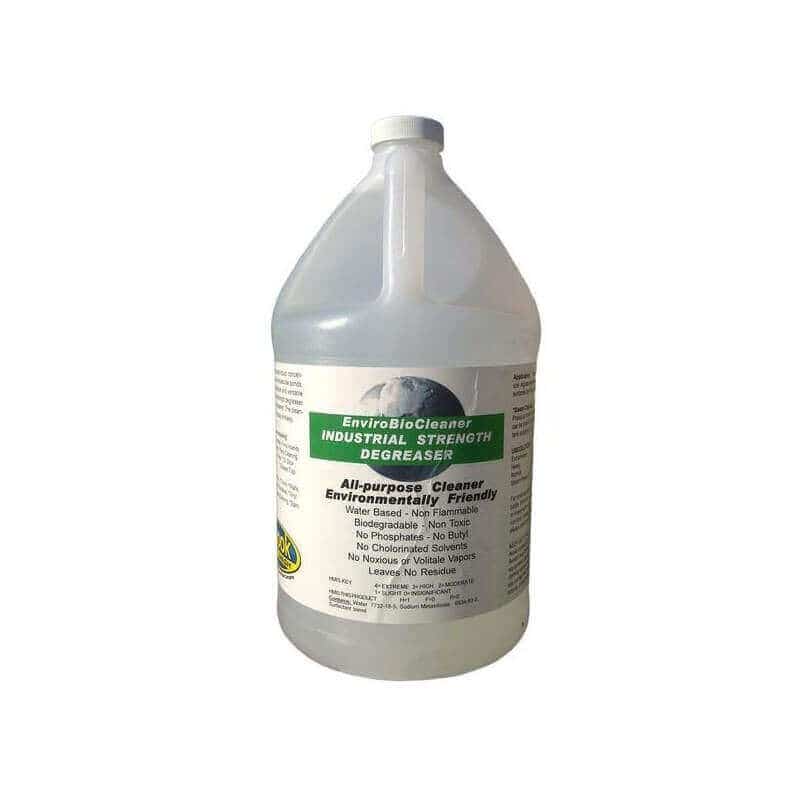
EBC Cleaner/Degreaser is a water-based, non-toxic, biodegradable multi-purpose cleaner built for organic contamination — grease, oil, carbon buildup, food residue, and general grime. It is the product you reach for on:
- Dumpster pads and drive-through lanes caked with cooking grease
- Engine bays, pumps, and machinery
- Concrete loading docks with hydraulic-fluid stains
- Vinyl and aluminum siding with atmospheric soiling
Because it is alkaline rather than acidic, it will not etch concrete, discolor metal, or damage painted surfaces at normal dilutions. Downstream it through an injector or batch-mix it in your soft wash skid — it plays well with standard soft wash plumbing.
EBC Restorer — The Mineral-Stain Specialist
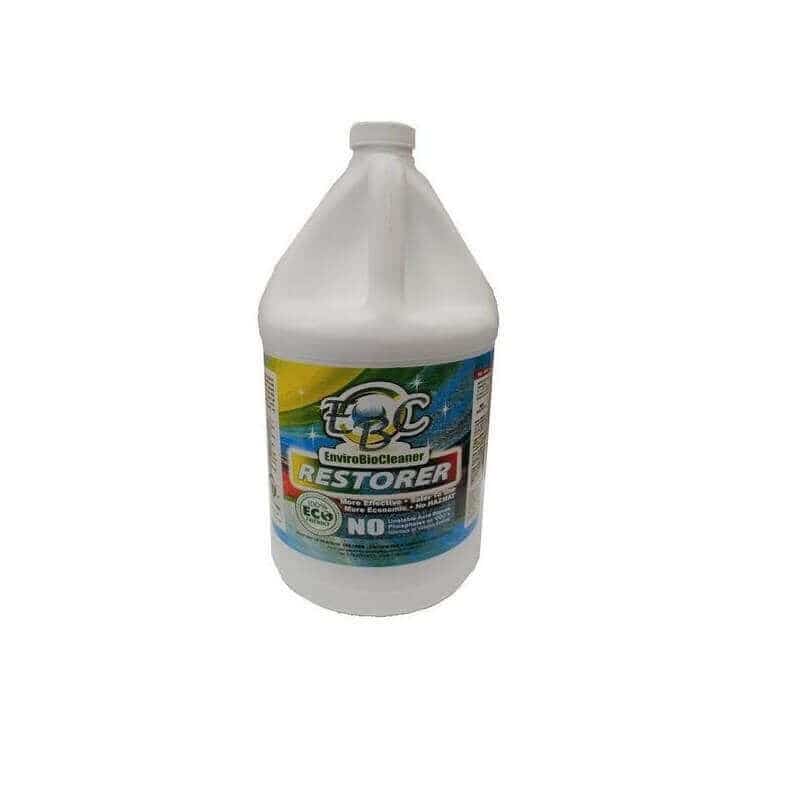
EBC Restorer is an acid-side cleaner designed for mineral deposits, surface rust, efflorescence, tire marks, and calcium buildup. It replaces hydrochloric, phosphoric, nitric, glycolic, and citrus acids without the DOT hazmat classification — which means simpler storage, cheaper shipping, and fewer headaches on the job site.
Reach for it when:
- Concrete has white efflorescence streaks after a masonry project
- Parking decks show tire-mark ghosting that alkaline cleaners won't touch
- Irrigation rust is staining sidewalks or stucco
- You need to brighten aged concrete without a full acid wash
Dilution Ratios — EBC Restorer
| Condition | Ratio (Product : Water) |
|---|---|
| Light cleaning / restoration | 1 : 20 |
| Moderate cleaning / restoration | 1 : 10 |
| Heavy cleaning / restoration | 1 : 5 |
Always test on an inconspicuous area first. On polished or decorative concrete, start at 1:20 and step up only if needed — acid-side products can dull sealed surfaces if left too long.
Degreaser vs. Restorer — Quick Decision Guide
| Stain Type | Use This |
|---|---|
| Grease, oil, food residue, carbon | EBC Cleaner/Degreaser |
| Rust, efflorescence, mineral deposits | EBC Restorer |
| Tire marks on concrete | EBC Restorer |
| General atmospheric dirt on siding | EBC Cleaner/Degreaser |
| Post-construction masonry haze | EBC Restorer |
On many flatwork jobs the best approach is a two-step: hit the surface with Restorer first to dissolve mineral staining, rinse, then follow with Degreaser on any remaining organic soil. Two passes, two chemistries, and nothing gets left behind.
Application Tips
- Pre-wet the surface. Both products perform better on a damp substrate — it slows drying and gives the chemistry more dwell time.
- Downstream the Degreaser. Its alkaline pH is safe for standard brass injector internals. For the Restorer, use an acid-capable injector or apply with a chemical-resistant pump sprayer.
- Neutralize after Restorer. A downstream rinse with ProTool Post Rinse helps neutralize the acid and prevents residue from re-depositing as it dries.
- Protect landscaping. Pre-wet plants and apply Plant Wash before using either product near vegetation.
Both EBC products are biodegradable, non-toxic at working dilutions, and compatible with the soft wash and pressure washing equipment most contractors already own. Browse the full Degreasers & Oil Removers and Efflorescence & Calcium Removers categories at J.Racenstein to compare them against the rest of the lineup.
Products Mentioned
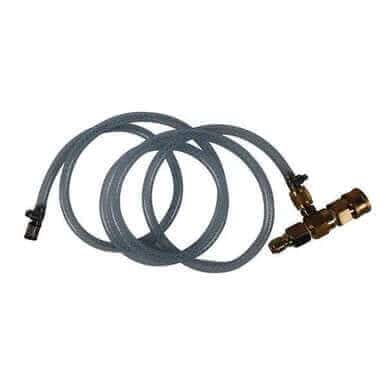 Chemical Injector Acid Capable SKU: 74-5AM | 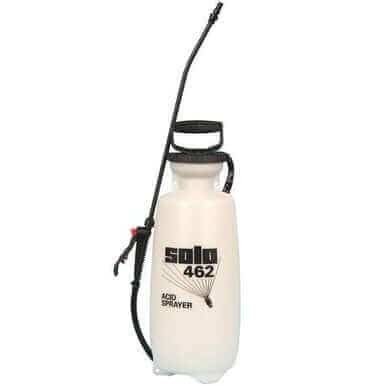 Pump Sprayer 2 Gal Acid Resistant Solo SKU: 515-045 | 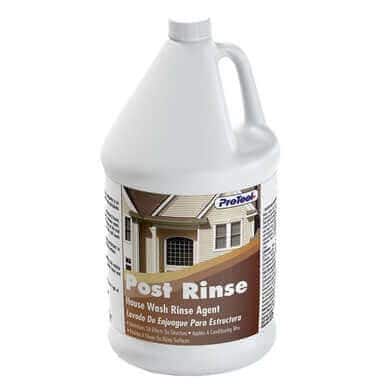 ProTool Post Rinse SKU: 83-03M |
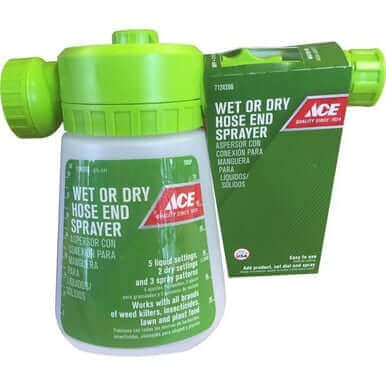 Hose End Sprayer Plant Wash SKU: 150-0761 |