

How to Clean Windows with a Water Fed Pole (Best Practices Guide)

Table of Contents
How to Clean Windows with a Water Fed Pole (Best Practices Guide)
Using a water fed pole (WFP) offers major advantages over traditional window cleaning methods like washer sleeves and squeegees. Pure water cleaning reduces ladder use, improves safety, and delivers consistent, spot-free results—especially on higher windows.
That said, cleaning efficiently with a water fed pole takes practice. There are several effective WFP techniques, and as you gain experience, you’ll naturally refine your approach. The method below is one of the most commonly used and reliable processes for professional results.
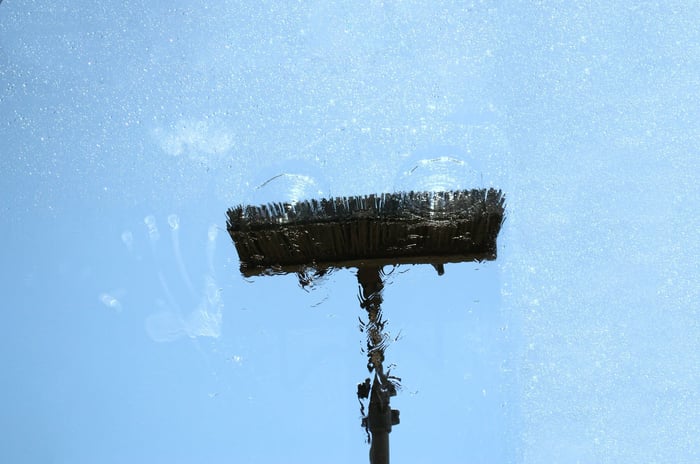
Step-by-Step: How to Wash Windows Using a Water Fed Pole
1. Start at the Top of the Glass
With purified water flowing from your water fed system, begin by scrubbing the top portion of the window. Dirt and airborne contaminants tend to collect here the most.
Scrub back and forth along the top edge several times
Let the water begin dripping down naturally
Important:
If you plan to clean the window sills or frames, do it now. Cleaning them later will cause dirty runoff to drip back onto freshly cleaned glass.
2. Scrub the Rest of the Glass
Next, scrub the remaining glass while leaving the top 2–3 inches untouched.
Start from the bottom and work upward
This allows water from the top section to continue flowing downward
Use steady pressure to spread the brush bristles and reach edges and seals
This method helps prevent dragging dirt from the top back across already-cleaned glass.
3. Proper Rinsing Is the Key to Spot-Free Results
Rinsing is where most water fed pole mistakes happen.
Your goal is simple:
Make sure purified water—not the brush—is the last thing to touch the glass.
How to Rinse Correctly
Create a “curtain” of water at the top of the window
Follow the water down with your rinse jets
Rinse in vertical or horizontal passes
Work in 2-foot-wide sections at a time for control and consistency
A slow, controlled rinse prevents spotting and streaking.
Rinsing: On the Glass or Off the Glass?
Nylon or Hybrid Brushes
When rinsing:
Reduce pressure on the pole
Lightly rest the brush on the glass
This allows water to collect in the brush and reduces splatter, which helps prevent micro-dots from forming on the glass.
Boar’s Hair Brushes
If you’re using a 100% boar’s hair brush, rinsing must be done off the glass.
Why?
Natural bristles hold dirt and pollutants
Leaving them on the glass during rinsing can contaminate the final rinse
Spray from a short distance away so only purified water contacts the glass.
Best practice:
Limit 100% boar’s hair brushes to windows three stories or lower, where pole control is easier.
Cleaning Window Frames: Decide Before You Start
Whether or not you clean window frames is optional—but you must decide before you begin.
If You Clean the Frames
Clean them thoroughly
Expect the first cleaning to take longer
Subsequent cleanings will be much easier
If You Don’t Clean the Frames
Leave them completely alone
Partial frame cleaning will cause dirty runoff onto clean glass
Consistency is critical either way.
Handling Difficult-to-Remove Contaminants
Some stains and debris cannot be removed with a water fed pole alone, especially on:
New construction jobs
Windows with fresh paint, plaster, or concrete
Hard water stains (often on lower windows near sprinklers)
Stickers, bird droppings, snail trails, or caterpillar residue
These issues may require:
Scrapers
Specialty tools
Chemical treatments
Advanced restoration techniques
If you don’t have the proper tools or experience, it’s best to:
Set clear expectations with the customer
Or decline the job entirely
Final Thoughts: Mastery Comes with Practice
Water fed pole cleaning is one of the most efficient and professional window cleaning methods available—but technique matters. Proper scrubbing order, controlled rinsing, brush selection, and decision-making around frames all play a role in delivering spot-free results.
As you gain experience, you’ll refine your process—but following these best practices will put you on the fast track to consistent, high-quality window cleaning with a water fed pole.
FAQs
What is a water fed pole (WFP)?
A water fed pole is a telescoping pole that delivers purified water to a brush, allowing you to clean windows from the ground without ladders while achieving spot-free results.
Why use a water fed pole instead of traditional tools?
Water fed poles improve safety, reduce ladder use, increase efficiency, and deliver consistent, streak-free results—especially on upper-level windows.
How do I avoid spots when cleaning windows with a water fed pole?
Proper rinsing is key. Always ensure purified water—not the brush—is the last thing to touch the glass, and rinse in controlled 2-foot sections from top to bottom.
Should I rinse with the brush on or off the glass?
For nylon or hybrid brushes, lightly resting the brush on the glass helps reduce splatter. For 100% boar’s hair brushes, rinse off the glass to prevent contamination.
Do I need to clean window frames every time?
No, but you must decide before you start. If you clean frames, do it thoroughly. If not, leave them completely alone to avoid dirty runoff onto clean glass.
Why start scrubbing at the top of the window?
Dirt and contaminants collect at the top edge. Cleaning there first allows runoff to flow downward naturally and prevents recontaminating clean glass.
Can water fed poles remove hard water stains?
Not always. Hard water stains typically require specialized restoration techniques or chemicals beyond standard WFP cleaning.
What brush is best for water fed pole cleaning?
Nylon or hybrid brushes are best for most jobs. Boar’s hair brushes provide strong agitation but require off-the-glass rinsing and are better suited for lower heights.
Is a water fed pole good for new construction cleaning?
Water fed poles can handle general cleaning, but new construction debris like paint or concrete often requires scrapers or specialty tools.
How long does it take to get good with a water fed pole?
Most cleaners become comfortable within a few weeks. Efficiency and consistency improve quickly with practice and proper technique.