How to Remove Oxidation: Complete Guide
Table of Contents
- What Causes Oxidation?
- Signs Your Surface Needs Oxidation Removal
- Best Aluminum Oxidation Removers
- Application Techniques for Aluminum
- Heavy Oxidation Removal for Painted Exterior Surfaces
- Protection After Oxidation Removal
- Polishing and Protection After Removal
- Glass Surface Restoration
- Stainless Steel Oxidation Treatment
- Not Sure Which Product to Use?
- FAQs
Understanding Oxidation on Different Surfaces
Oxidation is one of the most common—and most misunderstood—causes of surface deterioration on homes, vehicles, and commercial buildings. While it often shows up as chalking, fading, or discoloration, oxidation behaves differently depending on the surface material. Aluminum, painted surfaces, glass, and stainless steel all oxidize in unique ways and require different cleaning approaches to remove oxidation.
Choosing the wrong product or method can permanently damage a surface. That’s why it’s critical to understand what oxidation is, how to identify it, and when to use the correct solution—such as ProTool Restore All or ProTool Cleanse All—for the job.
What Causes Oxidation?
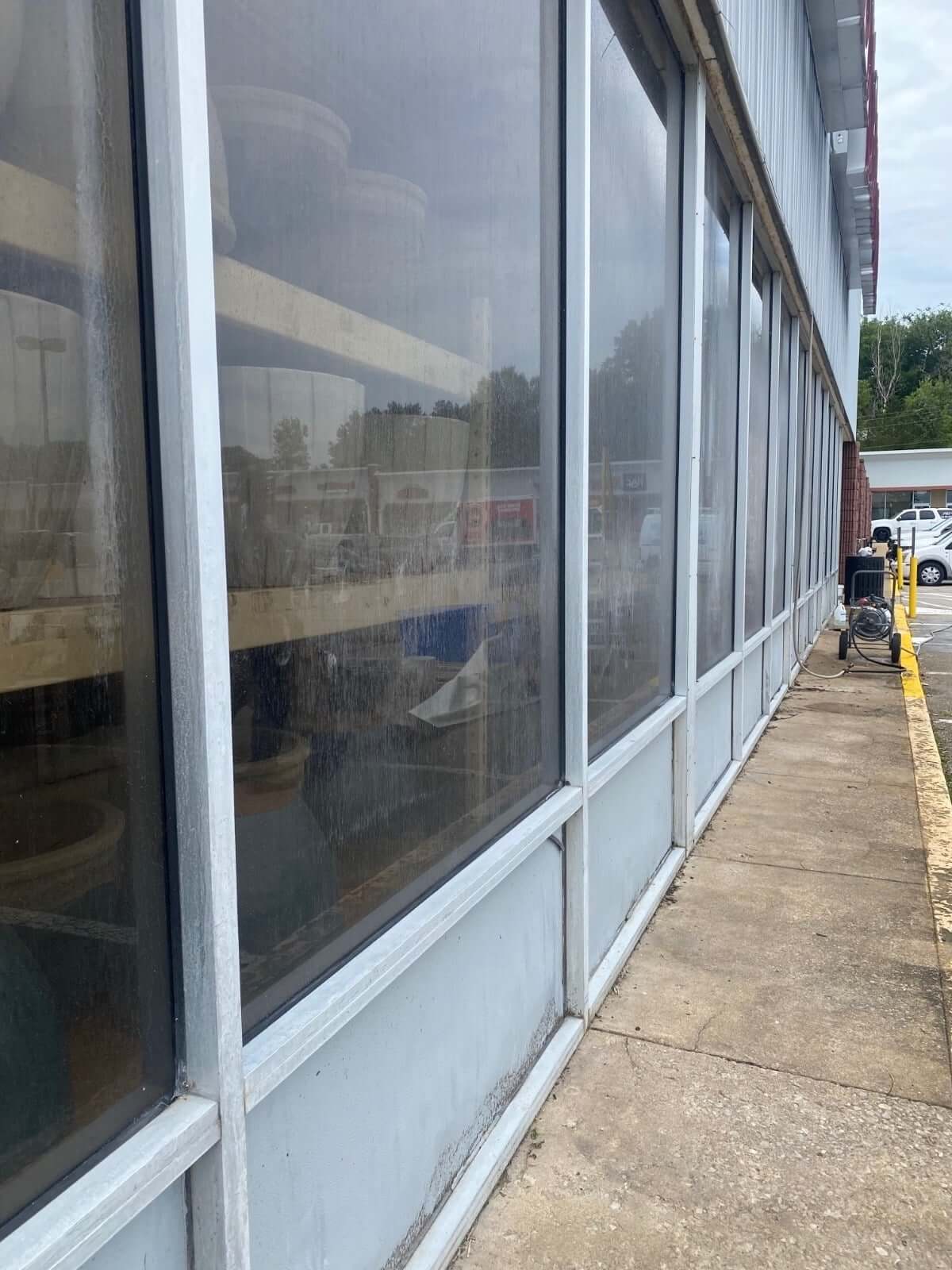
Oxidation occurs when a surface reacts with oxygen and environmental contaminants over time. Several external factors accelerate this process:
UV exposure breaks down protective coatings and paint resins
Moisture and humidity promote chemical reactions
Salt air (especially in coastal regions) aggressively attacks metals
Air pollutants and industrial fallout embed into surfaces
Neglected maintenance allows oxidation to progress unchecked
Over time, these elements degrade surfaces at a molecular level—resulting in fading, chalking, and loss of structural or aesthetic integrity.
Signs Your Surface Needs Oxidation Removal
Oxidation isn’t always obvious at first, but it leaves clear warning signs when it takes hold:
White or chalky residue on aluminum or painted surfaces
Dull, faded, or blotchy appearance
Color transfer when rubbed by hand
Streaking or uneven discoloration
Surface roughness or loss of gloss
Once these symptoms appear, routine washing alone is no longer enough—you need a restoration-grade solution to remove oxidation.
Oxidation Removal for Aluminum Surfaces
Aluminum is especially vulnerable to oxidation because it naturally reacts with oxygen to form a chalky oxide layer. This commonly affects:
Aluminum siding
Window frames
Trim and soffits
Commercial building facades
If left untreated, aluminum oxidation not only looks bad—it permanently alters the surface finish, its crucial to remove oxidation.
Best Aluminum Oxidation Removers
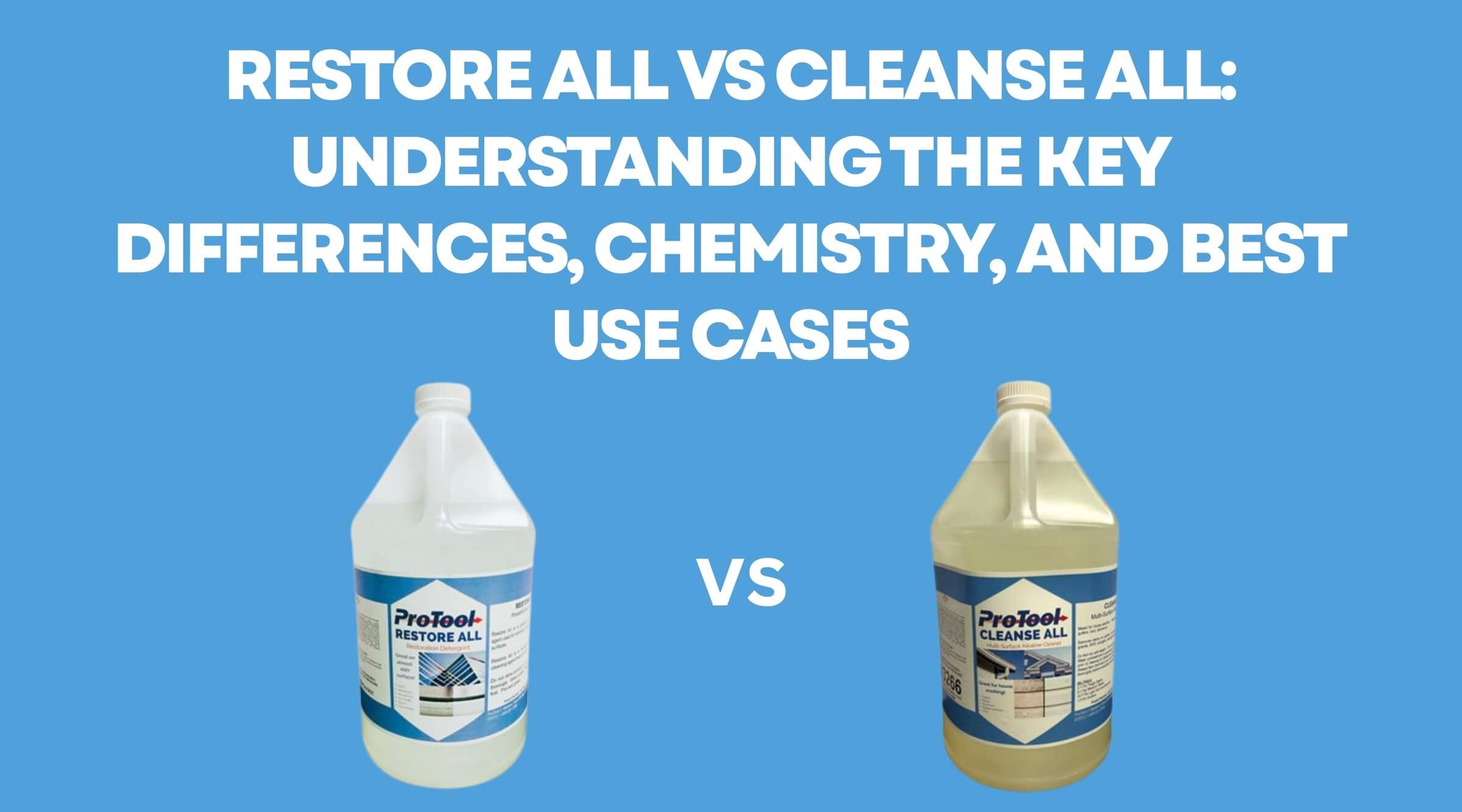
For heavy oxidation, standard house wash products are not sufficient. This is where ProTool Restore All excels.
ProTool Restore All is a professional-grade restoration cleaner designed to break down and remove:
Heavy oxidation
Chalky residue
Embedded environmental contamination
It works at the surface level to lift oxidation without aggressive mechanical abrasion when used correctly.
For lighter oxidation or routine exterior cleaning, ProTool Cleanse All is often the better choice, delivering effective cleaning without over-aggressiveness when looking to remove oxidation.
Application Techniques for Aluminum
Proper technique is critical when working with aluminum:
Always test in an inconspicuous area
Apply diluted solution according to oxidation severity
Allow controlled dwell time—never let product dry
Use gentle agitation when required
Rinse thoroughly with low to moderate pressure
Restore All is best reserved for restoration work, while Cleanse All is ideal for maintenance cleaning and light oxidation control. Both remove oxidation, but one attacks while the other bonds and removes.
Heavy Oxidation Removal for Painted Exterior Surfaces
Severely oxidized painted surfaces—such as stucco, wood siding, fiber cement, or painted metal—often require more than a standard wash. Heavy oxidation removal typically involves:
Chemical decontamination to break down chalking and oxidation
Controlled agitation using soft brushes or pads
Multi-step restoration for heavily faded or neglected surfaces
In these cases, understanding the severity of oxidation is critical. While products like Restore All are designed for heavy oxidation removal on appropriate substrates, professionals must recognize when chemical cleaning has reached its limit and additional mechanical restoration may be required.
Protection After Oxidation Removal
Once you remove oxidation from painted exterior surfaces, applying protection is essential to preserve results:
Sealants or protective coatings help slow UV degradation
Paint conditioners can restore color depth and uniformity
Regular maintenance cleaning prevents oxidation from returning
Without proper protection, oxidation can reappear quickly—often more aggressively—leading to recurring chalking, fading, and surface breakdown.
Polishing and Protection After Removal
Once oxidation is removed from paint, protection is mandatory:
Polishing restores clarity and gloss
Wax or sealants protect against future UV damage
Ceramic coatings offer extended longevity
Without protection, oxidation will quickly return—often worse than before.
Glass and Stainless Steel Oxidation Removal
Glass and stainless steel don’t oxidize like aluminum, but they suffer from mineral staining, corrosion, and environmental damage that can mimic oxidation.
Glass Surface Restoration
Glass restoration typically involves:
Acid-based cleaners to dissolve mineral deposits
Mechanical polishing for etched or damaged glass
Thorough rinsing to prevent streaking or haze
Cleanse All is effective for removing grime and buildup prior to specialized glass restoration steps. Its a very good detergent that will also remove oxidation with ease.
Stainless Steel Oxidation Treatment
Stainless steel can develop:
Rust spotting
Discoloration
Surface oxidation
Treatment usually involves:
Targeted chemical cleaners
Non-abrasive agitation
Protective coatings to prevent recurrence
Using overly aggressive acids on stainless steel can permanently damage the finish—product selection matters.
Restore All vs Cleanse All: Choosing the Right Tool
Understanding the difference between ProTool Restore All and ProTool Cleanse All is key to professional results:
Use ProTool Restore All When:
Heavy oxidation is present
Aluminum surfaces are chalky or faded
Restoration—not maintenance—is required
ProTool Restore All is the best oxidation remover for heavy-duty restoration work, attacking severe oxidation and chalking fast to deliver rapid, dramatic results on heavily degraded surfaces.
Use ProTool Cleanse All When:
Cleaning siding, gutters, or exteriors
Dealing with light oxidation or organic buildup
Performing routine maintenance washes
Using the correct product protects surfaces, improves results, and saves time.
Professional Equipment and Safety Considerations
Oxidation removal is not a casual task—it requires professional discipline.
Recommended Safety Practices
Wear gloves, eye protection, and protective clothing
Avoid application in direct sunlight
Never allow chemical cleaners to dry on surfaces
Follow dilution guidelines precisely
Rinse thoroughly and evenly
Proper technique ensures effective cleaning without surface damage.
Final Thoughts: Restoration vs Maintenance Matters
Oxidation is unavoidable—but permanent damage isn’t.
By understanding oxidation behavior and selecting the correct product:
Restore All for heavy oxidation and restoration
Cleanse All for routine cleaning and light oxidation
Professionals can safely restore aluminum, clean siding and gutters, and maintain exterior surfaces without unnecessary risk.
Using the right tool for the job isn’t just smarter—it’s what separates true restoration work from basic cleaning.
Not Sure Which Product to Use?
Choosing between ProTool Restore All and ProTool Cleanse All comes down to the level of oxidation and the surface you’re cleaning. Using the wrong product can lead to poor results—or unnecessary surface damage.
👉 Learn the difference between Restore All and Cleanse All here:
Restore All vs Cleanse All: What’s the Difference?
https://jracenstein.com/expert-advice-learning/restore-all-vs-cleanse-all-whats-the-difference
This guide breaks down when to use each product, recommended applications, and best practices to help you get professional results every time.
FAQs
What is ProTool Restore All best used for?
ProTool Restore All is best for heavy-duty restoration, rapidly attacking severe oxidation, chalking, and embedded contamination on heavily degraded surfaces.
What is ProTool Cleanse All best used for?
ProTool Cleanse All is best for safer, controlled cleaning, bonding to stains and organic buildup without harming the surface. It’s ideal for routine exterior cleaning and maintenance.
Which product works faster on heavy oxidation?
Restore All acts faster and more aggressively, making it the preferred choice for severe oxidation and restoration projects where speed and strength are required.
Which product is safer for delicate or painted surfaces?
Cleanse All is the safer option for painted siding, stucco, and other sensitive surfaces because it bonds to stains instead of aggressively attacking the surface.
Can Cleanse All be applied with a power sprayer or drone?
Yes. Cleanse All is well-suited for application with a ProTool power sprayer or drone, allowing for even coverage and controlled dwell time without surface damage.
Should Restore All be used for routine house washing?
No. Restore All is designed for restoration-level cleaning. For routine house washing or light oxidation, Cleanse All is the better and safer choice.
Do I need special safety precautions when using Restore All?
Yes. Because Restore All is more aggressive, proper PPE, controlled dwell times, and thorough rinsing are essential. Always follow application guidelines.
Can these products be used together on the same project?
Yes. Many professionals use Restore All for initial heavy oxidation removal, then follow with Cleanse All for ongoing maintenance cleaning.
Will oxidation return after cleaning?
Oxidation can return if surfaces are left unprotected. Applying sealants or maintaining surfaces with regular Cleanse All treatments helps slow future oxidation.
How do I know which product to choose?
If the surface is heavily chalked or oxidized, choose Restore All. If the surface needs safer cleaning or maintenance, choose Cleanse All.