How to Start a Window Cleaning Business

Table of Contents
- Why Start a Window Cleaning Business? Market & Profit Potential
- The Essential Toolkit: Gearing Up for Professional Results
- Mastering the Craft: Core Techniques for a Streak-Free Finish
- Building Your Business: From Legal Structure to Your First Client
- Safety First: Professional Standards and Essential Gear
- Your Clear Path to a Successful Window Cleaning Business
-
- FAQs
The ambition to learn how to start a window cleaning business and build a profitable professional operation is strong, but it’s often met with critical questions that can stop you in your tracks. What equipment is truly professional-grade, and what’s the real initial investment? How do you transition from an idea to landing that first paying client? The uncertainty around proper techniques, insurance, and legal requirements can feel overwhelming, leaving you stuck before you even begin.
This guide is your comprehensive solution for anyone searching for how to start a window cleaning business the right way. We've created a direct, pro-level roadmap to navigate every stage of building your operation from the ground up. Inside, you will find a definitive list of essential tools, actionable strategies for acquiring customers, and a clear breakdown of the business fundamentals required for legitimate, profitable work. Forget the guesswork and gain the confidence to build a durable, high-performance business with this essential blueprint for success.
Why Start a Window Cleaning Business? Market & Profit Potential
Entering the world of professional window cleaning offers a direct path to building a profitable service business. Unlike many skilled trades that require extensive apprenticeships and high-cost equipment, window cleaning has a remarkably low barrier to entry. The demand is consistent, the profit margins are high, and the business model is highly scalable, allowing a solo operator to grow into a multi-crew operation.
To better understand the fundamental techniques for high-efficiency work, watch this video from industry experts to learn how to start a window cleaning business:
Understanding the Market Demand
The market for clean windows is vast and diverse. Key client segments include:
- Residential Homeowners: This is the foundation of most new businesses. Homeowners consistently require cleaning services for aesthetics and home maintenance, often creating opportunities for recurring quarterly or bi-annual schedules.
- Commercial Clients: Storefronts, restaurants, and low-rise office buildings need regular cleanings to maintain a professional appearance. These contracts provide reliable, recurring revenue that stabilizes cash flow.
While demand often peaks in spring and fall, savvy operators build a year-round schedule by offering interior window cleaning and add-on services like gutter cleaning or pressure washing during slower months.
Calculating Your Earning Potential
Your income is directly tied to your efficiency. While the basic tools have a long history of window cleaning, modern equipment dramatically increases your hourly rate. Experienced professionals often earn between $50 to $75+ per hour. For example, a standard residential job with 25 panes might take a skilled cleaner two hours, billing at $150-$200. Investing in professional-grade tools like a pure water system and a water-fed pole allows you to complete jobs faster and safer, directly boosting your hourly earnings.
The scalability of this business is a key advantage. You can start as a solo operator focusing on residential jobs and expand by hiring technicians to service larger commercial contracts. This model, combined with recurring maintenance plans, creates a stable and predictable revenue stream for your professional window cleaning business.
The Essential Toolkit: Gearing Up for Professional Results
To deliver superior results, you need professional-grade tools. The difference between a DIY setup from a hardware store and a professional toolkit is night and day in terms of efficiency, durability, and the final finish your clients expect. Investing in high-performance equipment from the start directly impacts your speed, profitability, and reputation. The professional window cleaning industry relies on two primary methods: the time-tested traditional approach and modern Water-Fed Pole (WFP) systems. Mastering the right tools for the job is fundamental to your success.
Traditional Window Cleaning Tools
This hands-on method is the foundation of the trade and essential for ground-level and interior work. Your core traditional kit must include:
- Squeegees: A set of professional channels (e.g., 12", 18") with ergonomic, interchangeable handles. The quality of the rubber blade is critical for a streak-free finish.
- Applicators/Washers: A T-bar paired with an absorbent microfiber or abrasive sleeve to apply cleaning solution and scrub away dirt effectively.
- Work Gear: A sturdy rectangular bucket, a tool belt, and holsters to keep your squeegee and washer accessible for maximum on-the-job efficiency.
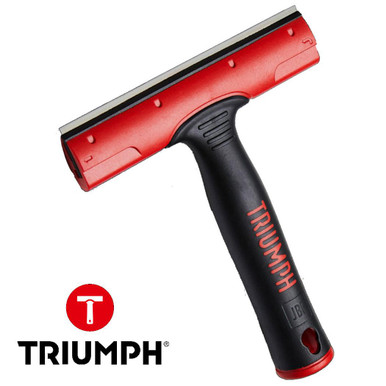
- Scrapers:A dedicated window scraper with sharp replacement blades is non-negotiable for safely removing paint, stickers, and stubborn debris without damaging glass.
Scraper Straight Triumph MK3 6in
$19.90
Triumph Straight Scraper MK3 06in 150mm with Double Edged 0.20mm Carbon Steel Blade Discover Precision Scraping with the Triumph MK3 6-Inch Scraper Welcome to the… read more
Modern Water-Fed Pole (WFP) Systems
A WFP system is a game-changer for safety and efficiency, especially on multi-story buildings. It uses a long, lightweight, extendable pole with a specialized brush head to scrub windows from the ground. The key to its effectiveness is the pure water—produced by a Reverse Osmosis/Deionization (RO/DI) filtration system—which aggressively absorbs minerals and dirt, then dries completely spot-free. This eliminates the need for ladders and squeegees on high-reach exteriors, making it the ultimate solution for commercial properties and solar panels.
Starter Kits vs. Building Your Own
For new entrepreneurs, a pre-made professional starter kit offers a cost-effective, convenient way to acquire all the essentials at once, removing the guesswork. However, building your own kit allows you to hand-pick specific brands and tools tailored to your target market. As you make these initial investments, it's wise to consult a comprehensive a guide to starting a business to ensure your equipment purchases align with your overall financial plan. Ready to gear up with durable, high-performance tools? Shop our complete Professional Window Cleaning Kits to find the perfect setup and learn how to start a window cleaning business.
Mastering the Craft: Core Techniques for a Streak-Free Finish
Professional-grade equipment is only half the equation to start a window cleaning business. True mastery in professional window cleaning comes from efficient, repeatable techniques that deliver flawless results on every pane. This section details the core methods that separate seasoned tradesmen from amateurs, ensuring you can tackle any job with confidence and skill.
The Professional Process: Step-by-Step
A systematic approach guarantees quality and efficiency. Follow these fundamental steps for a perfect finish on standard residential or commercial windows.
- Prep and Inspect: Place drop cloths to protect flooring and furniture. Before applying any solution, inspect the glass for damage like scratches or failed seals. A thorough site assessment is also critical for identifying potential hazards; always adhere to current window cleaning safety standards for fall protection and equipment use. Use a brush or vacuum to clear loose debris from tracks and sills first.
- Apply the Cleaning Solution: Submerge your washer or mop in your cleaning solution and wring out excess water. Apply the solution to the glass with broad, overlapping strokes, ensuring complete coverage from edge to edge. This step lifts and suspends dirt for easy removal.
- Squeegee the Glass: Using a professional squeegee with a sharp, high-quality rubber blade, remove the solution. The goal is a single, decisive pass with the correct technique, which we detail below.
- Detail the Finish: Use a clean, lint-free microfiber or huck towel to wipe away any remaining water along the edges of the pane. A final wipe of the sill leaves the entire window frame looking pristine.
Key Squeegee Techniques
Your squeegee is your primary tool for a streak-free result. Mastering its use is non-negotiable.
- The Straight Pull: Ideal for smaller panes or divided-light windows. Place the squeegee at the top of the glass, angled slightly, and pull straight down in one smooth motion. Overlap each pull by about an inch.
- Fanning or 'Swivel' Method: The go-to technique for larger panes. This advanced method involves keeping the squeegee in constant contact with the glass, swiveling your wrist to change direction in a fluid, 'S'-shaped pattern. It is significantly faster and more efficient once mastered.
For both techniques, maintain a consistent angle of approximately 30 degrees between the blade and the glass, applying just enough pressure to create a clean edge without blade chatter.
Troubleshooting Common Problems
Even pros encounter challenges. Here’s how to handle them:
- Streaks and Smears: Often caused by a worn or nicked rubber blade, insufficient cleaning solution, or incorrect squeegee angle. Always start with a fresh blade and ample solution.
- Hard Water Stains: These mineral deposits require more than soap. Use a specialized hard water stain remover and a non-abrasive pad or ultra-fine #0000 steel wool. Always test on a small, inconspicuous area first.
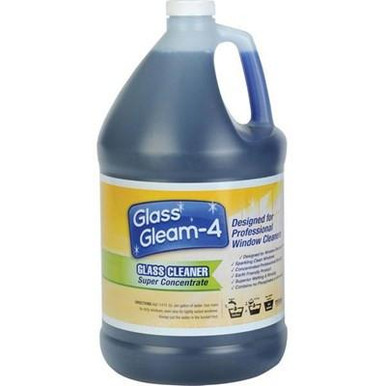
- Working in Direct Sunlight: Heat and sun cause rapid evaporation, leading to streaks. Work in smaller, manageable sections, move quickly, and consider adding a soap with more slip to your solution to slow drying time such as Glass Gleam 4.
Titan Labs Glass Gleam 4 Window Cleaning Soap
$60.45
Titan Glass Gleam 4 aka GG4 Glass Gleam-4™ Window Cleaning Concentrate is ideal for cleaning windows with a squeegee. Glass Gleam-4™ contains polymeric water softeners… read more
Building Your Business: From Legal Structure to Your First Client
Professional-grade equipment is the foundation of your service, but a solid business framework is what ensures long-term success and profitability. Transitioning from a skilled technician to a business owner requires a pragmatic approach to legal, marketing, and financial operations. This section provides the essential steps to formalize your business and secure your first paying clients.
Setting Up Your Business Legally
First, choose a business structure. A Sole Proprietorship is simple to start, but an LLC (Limited Liability Company) provides a crucial layer of protection for your personal assets. Once you select a name, register it with the appropriate state and local authorities. Most importantly, secure General Liability Insurance. This is non-negotiable; it protects you from the significant financial risk of accidental property damage and is a clear indicator of a trustworthy professional window cleaning service.
Marketing and Finding Your First Customers
With your business formalized, you need to generate revenue. Focus on proven, high-impact strategies to build initial momentum. Effective marketing for a local service business does not need to be complex or expensive. Start with these core tactics:
- Local Marketing: Use professional flyers, door hangers, and business cards in targeted residential neighborhoods or commercial districts.
- Digital Presence: Set up a free Google Business Profile. This is the most critical step for appearing in local search results when potential customers look for window cleaners near them.
- Professional Networking: Build relationships with realtors, property managers, roofers, and pressure washers. They are excellent sources for high-quality referrals.
Pricing, Quoting, and Getting Paid
Developing a consistent pricing strategy is vital for profitability. Common models include charging per pane, per window, or by the hour. Your method should account for window accessibility, condition (e.g., hard water stains), and type (e.g., French panes). Always provide a clear, written estimate to the client before work begins. This document should detail the scope of work and the total cost, preventing any miscommunication. Learn how to price window cleaning jobs for a detailed breakdown. After completing the job, issue a professional invoice with clear payment terms to ensure prompt payment.
Safety First: Professional Standards and Essential Gear
In the world of professional window cleaning, your reputation is built on two things: pristine results and an unwavering commitment to safety. A true professional understands that cutting corners on safety protocols not only endangers themselves and others but also signals a lack of expertise. Prioritizing safety demonstrates reliability and competence to your clients, setting your business apart. This commitment extends from proper ladder usage on a two-story home to the correct handling of professional-grade cleaning solutions—always read Safety Data Sheets (SDS) and follow dilution instructions.
Ladder and Height Safety
For most residential and low-rise commercial work, ladders are an essential tool. Using them correctly is non-negotiable. Always select the right ladder for the task, whether it's a sturdy step ladder for ground-floor windows or a high-performance extension ladder for reaching upper levels. For maximum stability on uneven ground, professional-grade leg levelers are a must-have, while stand-offs protect gutters and provide a more stable working angle against the building.
- Choose the Right Tool: Use an extension ladder for height and a step ladder for lower-level, stable jobs. Never over-reach.
- Proper Placement: Set your extension ladder at a 75-degree angle (a 4:1 height-to-base ratio) on firm, level ground.
- The 3 Points of Contact Rule: Always maintain three points of contact when climbing or descending—two feet and one hand, or two hands and one foot.
Personal Protective Equipment (PPE)
Your personal safety gear is the last line of defense against job site hazards. Equipping yourself with durable, high-quality PPE is fundamental to any professional window cleaning operation. For high-rise and advanced commercial jobs, this goes beyond basic gear to include comprehensive fall arrest systems, which are mandated by OSHA for work at significant heights. Investing in the right equipment is an investment in your career and well-being.
- Everyday Essentials: Non-slip, waterproof boots are critical for maintaining footing. Wear high-quality gloves to protect your hands from solutions and repetitive motion, and always use eye protection to guard against splashes.
- Fall Protection: For commercial work at height, a full fall arrest system—including a harness, lanyard, and anchor points—is required. Ensure all components are regularly inspected and certified.
Having the right safety equipment is not an option; it's a requirement for professional-grade work to start a window cleaning business. Browse our full range of professional safety equipment to find the durable solutions you need to stay safe on the job.
Your Clear Path to a Successful Window Cleaning Business
You now have the complete blueprint for launching your venture. This guide has covered the critical pillars: mastering core techniques for a streak-free finish, understanding the business fundamentals from licensing to marketing, and prioritizing on-the-job safety. The foundation of a top-tier professional window cleaning service is built on reliability and consistently flawless results, which is impossible without the right equipment in your hands.
Achieving that level of performance demands professional-grade tools. As the trusted supplier to thousands of cleaning professionals, J. Racenstein provides the solutions you need to get started and scale your business. Shop the industry's largest selection of professional window cleaning supplies, featuring a massive inventory from top brands like Ettore, Unger, ProTool and Gardiner. Our expert staff and fast, reliable shipping mean you get the right gear, right when you need it.
You have the knowledge to start a window cleaning business. Equip yourself for excellence and build the successful business you have envisioned.
FAQs
How much does it cost to start a professional window cleaning business?
Initial startup costs typically range from $1,500 to $3,000 for a solo operator. This investment covers essential professional-grade equipment like squeegees, applicators, buckets, and ladders. It also accounts for business registration, initial marketing materials, and the first insurance payment. Purchasing a comprehensive starter kit can streamline this process and ensure you have all the necessary high-performance tools from day one, providing a solid foundation for your operations without unnecessary expenditure.
Do I really need insurance to clean windows professionally?
Yes, general liability insurance is non-negotiable. Operating without it exposes your business and personal assets to significant risk from accidental property damage or injury. Professional clients, especially in the commercial sector, will require proof of insurance before awarding a contract. Securing proper coverage is a fundamental step that establishes your credibility, protects your financial future, and is a key differentiator for any serious professional window cleaning service provider.
Should I start with residential or commercial window cleaning?
Most new professionals find success starting with residential clients. Residential jobs typically offer higher profit margins per job, faster payment cycles, and allow you to build a strong local reputation quickly. Commercial work often involves larger, recurring contracts but comes with lower margins and longer net-30 or net-60 payment terms. Master the residential market first to build cash flow and operational efficiency before pursuing larger commercial accounts.
Is a water-fed pole system worth the investment for a beginner?
While a significant upfront cost, a water-fed pole (WFP) system delivers a powerful return on investment. It dramatically increases safety by minimizing ladder use and boosts efficiency, allowing you to complete multi-story jobs faster. For any technician serious about scaling their professional window cleaning business beyond single-story homes, a WFP system is not a luxury—it is an essential tool for achieving higher productivity, accessing more job types, and ensuring superior, spot-free results.