How to Clean Awnings and Canopies with Soft Washing
Table of Contents
Learning how to clean awnings and canopies separates the exterior cleaning generalist from the specialist who commands premium pricing. Crank up the PSI on a fabric canopy and you'll strip UV coatings, blow out seams, and hand the property owner a five-figure replacement bill. The work is chemical, not mechanical — and the margin lives in understanding that difference.
This guide covers substrate identification, chemical selection, the step-by-step soft wash process, post-cleaning protection, and how to bid these jobs profitably.
Identifying Awning Substrates Before You Spray
Every awning job starts with a material assessment. Treating acrylic the same as vinyl is how you damage property. The two broad categories — porous woven fabrics and non-porous vinyl — react to chemistry in fundamentally different ways.
The water bead test: Mist a small dry section. If water beads and rolls, the factory fluorocarbon finish is intact. If it soaks in, the fabric is unprotected and will need a post-cleaning sealant application. Before you mix a drop of SH, also check for UV degradation (brittle fabric) and thread rot in the seams. A structurally compromised awning can fail under the weight of your cleaning solution.
Woven Acrylic and Canvas
Solution-dyed acrylics like Sunbrella are breathable and colorfast, but they rely on a tight weave — not a solid coating — for water resistance. Aggressive scrubbing or high-pressure tips cause pilling: fibers fray, clump, and the damage is permanent. Chemical dwell time is the only professional path for killing mold in porous weaves.
Vinyl and Plasticized Canopies
Vinyl is common on commercial storefronts. Determine whether the vinyl has a protective top-coat lacquer or is bare substrate. Harsh solvents or wrong-pH cleaners trigger plasticizer migration — the material turns sticky or yellows over time. Oily soot from kitchen exhaust typically requires a high-alkaline degreaser to cut through surface tension without attacking the plasticized structure.
Equipment and Chemical Selection for Awning Cleaning
Downstream injectors are a poor fit here. They deliver inconsistent ratios and dump too much water too fast, saturating delicate fabric before chemistry has time to work. A dedicated soft wash system with precise chemical metering gives you the control these jobs demand.
Soft Wash Pumps and Tips
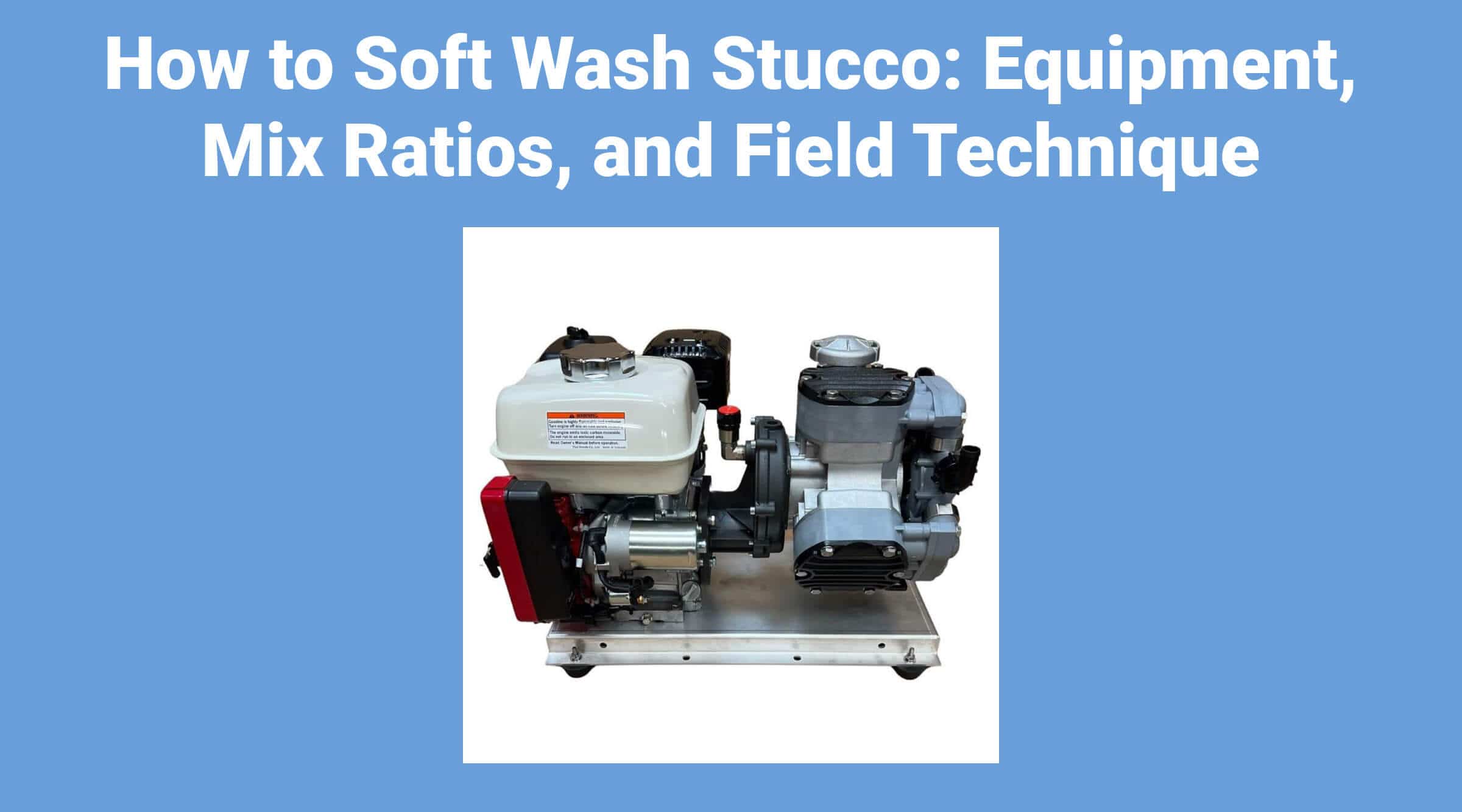
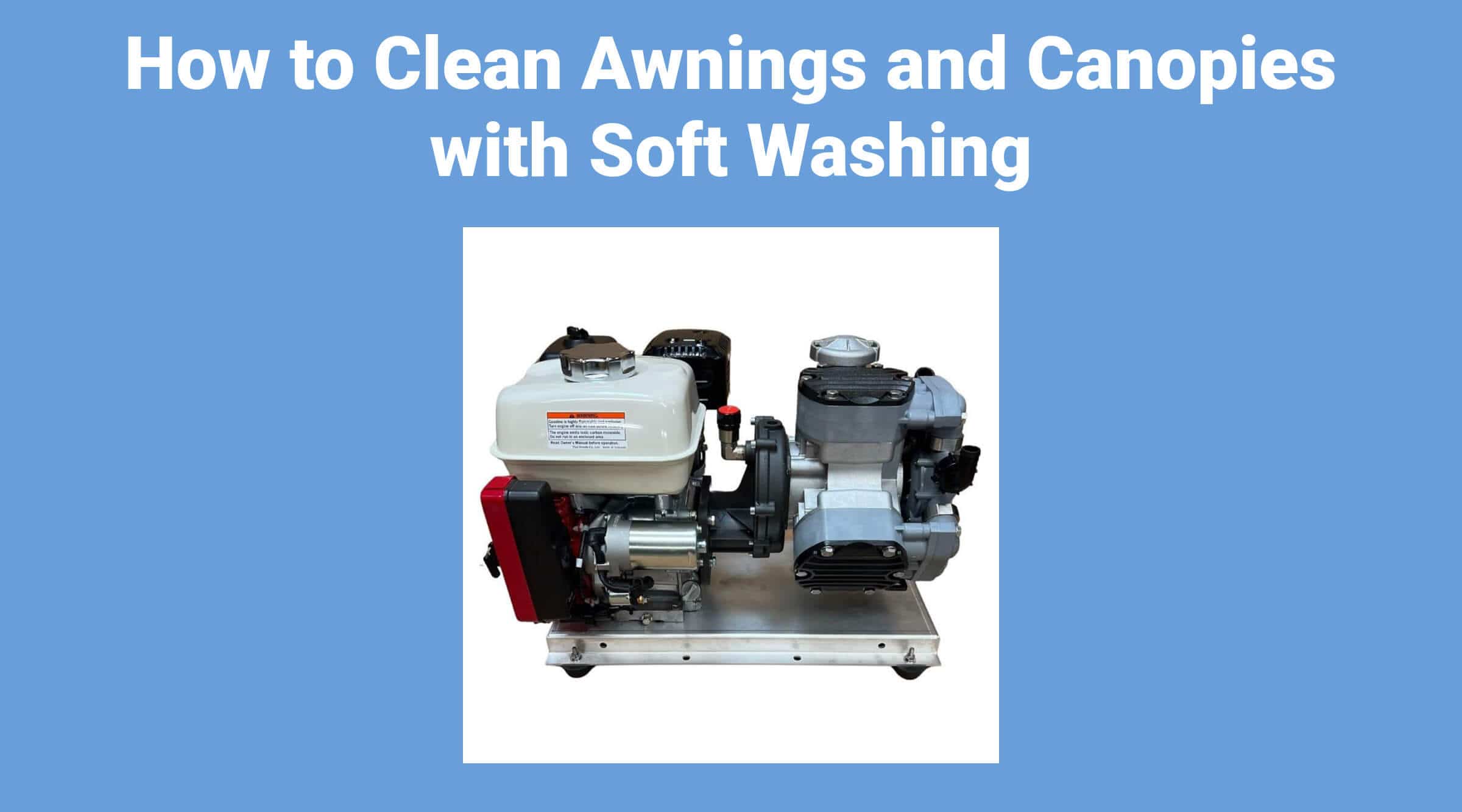
12V diaphragm pumps are the standard for awning work. They handle corrosive chemistry at the low flow rates (2–5 GPM) delicate fabrics require. The Comet BPX25 pump and Comet P40 both handle SH without degrading internals. Pair them with 40-degree fan tips — wide enough for even coverage, gentle enough to avoid mechanical damage. For a complete pump-and-reel configuration, the ProTool BPX25–P40 Soft Wash Skid ships ready to mount on a truck or trailer.
Chemicals: SH, Surfactants, and Protectants
Sodium hypochlorite is the workhorse for mold on vinyl and colorfast acrylics. For delicate or non-colorfast polyester, oxygen-based cleaners like ProTool Brighten are the safer move — hydrogen peroxide chemistry instead of chlorine. The choice depends entirely on the substrate you identified during assessment.
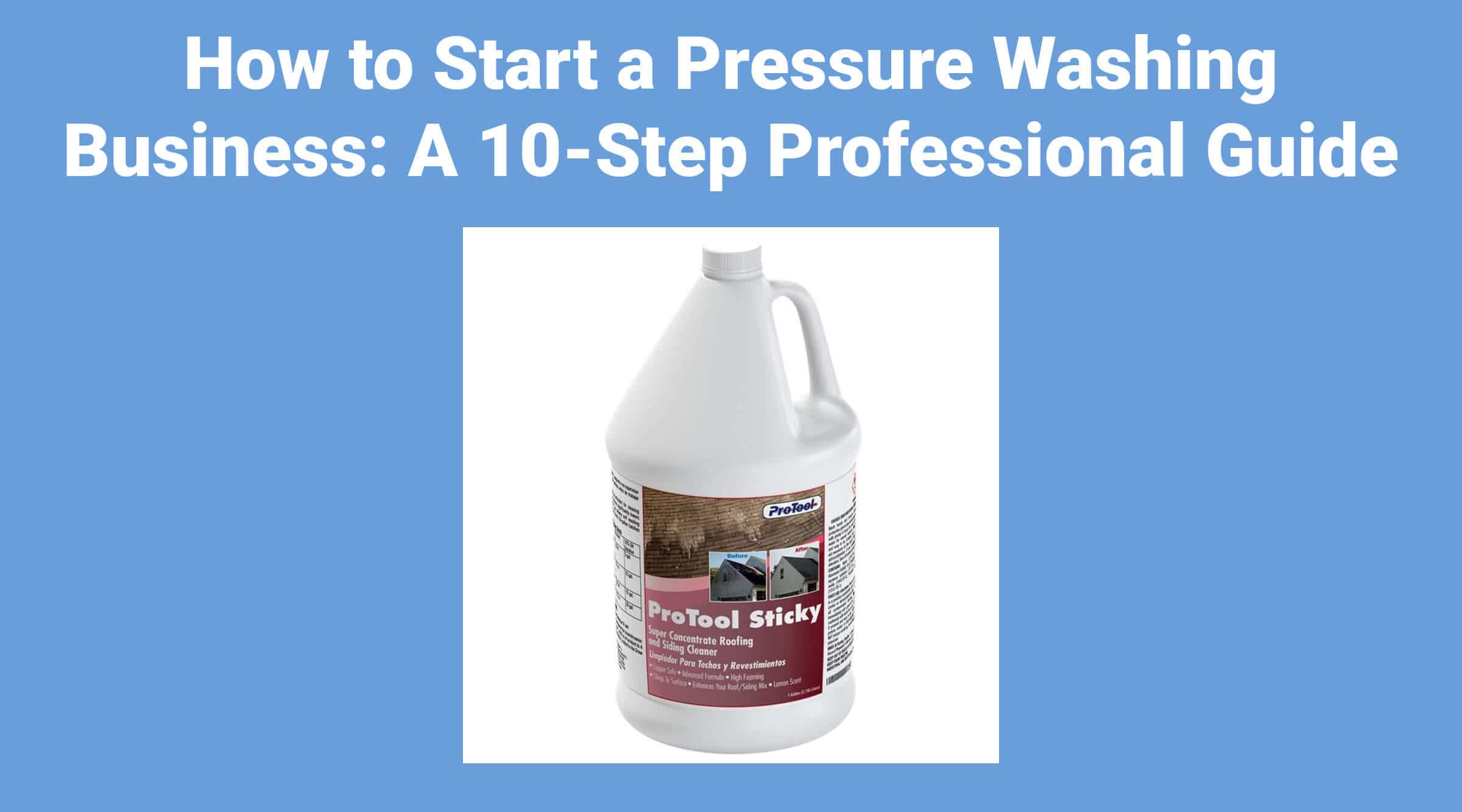
Surfactant selection matters as much as your primary chemistry. A good surfactant — ProTool Sticky for heavy dwell, ProTool Stick for standard applications — reduces surface tension so the mix penetrates woven fibers instead of sheeting off. On vertical awning surfaces where gravity fights you constantly, surfactant quality is the difference between a 10-minute dwell and a 30-second runoff.
After cleaning strips the factory water-repellent finish, Winsol Awning Armor restores hydrophobic properties and UV resistance on vinyl, while Winsol Clean & Protect handles lighter maintenance applications.
The 5-Step Soft Washing Process
Step 1: Site Preparation
Pre-wet all surrounding vegetation. Cover sensitive plantings with breathable tarps. If you're running high SH concentrations, apply ProTool Post Rinse to the soil as a neutralizer. This is non-negotiable — one dead boxwood hedge costs more than your entire chemical budget for the job.
Step 2: Dry Soil Removal
Sweep the fabric with a soft-bristled brush to remove loose dirt, cobwebs, and bird droppings before any liquid touches it. Skip this and you create a mudding effect — fine particulates get pushed deeper into porous fibers, making the stain worse.
Step 3: Pre-Wet
Saturate the awning with clean water. This fills the fabric's pores, preventing cleaning chemicals from absorbing too deeply into fiber cores. It also makes your rinse dramatically more effective.
Step 4: Apply Soft Wash Mix
Apply from the bottom up to prevent clean streaks running through dirty areas above. For most awning mold, 1%–3% SH concentration is sufficient. Higher concentrations rarely help and increase color-loss risk. Monitor ambient conditions: high humidity slows evaporation and extends dwell time; direct sun and wind accelerate drying and kill chemical effectiveness. If the solution starts drying on the fabric, mist it to keep chemistry active.
Step 5: Rinse and Inspect
Rinse top-down with a high-volume, low-pressure flood pattern. Flush woven fabrics until no soap bubbles appear in the runoff. If organic stains persist, a second light application beats aggressive pressure every time. Let the chemistry work.
Stain Removal and Post-Cleaning Protection
Standard soft washing handles organic growth. The harder problems — rust from metal frames, tannin stains from fallen leaves, grease from restaurant exhaust — require targeted spot treatments.
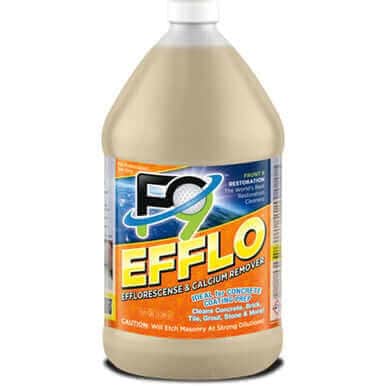
- Rust: Oxalic acid breaks the iron-oxide bond without compromising acrylic or vinyl. F9 EFFLO works as a spot treatment on rust ghosting.
- Grease: High-pH degreaser for kitchen exhaust residue. EBC Degreaser emulsifies oily deposits on vinyl without attacking the plasticized structure.
- Tannins: A light SH re-application after the primary wash usually handles leaf staining on lighter fabrics.
After cleaning strips the factory fluorocarbon finish, every woven acrylic awning needs re-treatment. Apply a protectant with a dedicated pump sprayer or low-pressure HVLP system for uniform coverage. Allow a full 24-hour cure without moisture exposure — if rain hits before the protectant bonds, the treatment fails and can cause surface clouding.
Bidding and Scaling Awning Cleaning
Awning cleaning carries higher margins than ground-level flatwork because it demands substrate knowledge and chemical precision that most pressure washing contractors avoid. That risk premium is yours if you do the technical work correctly.
Measurement: Standard storefront awnings — bid by linear footage. Large commercial entrance canopies or residential patio covers — bid by square footage. Add a complexity multiplier for height access, boom lift requirements, heavy soiling on porous fabrics, and proximity to pedestrian traffic.
Insurance: Confirm your policy includes "care, custody, and control" (CCC) coverage. Standard general liability often covers the building but excludes damage to the specific item you're cleaning. Given the replacement cost of custom-branded vinyl, CCC coverage is not optional. Document pre-existing UV degradation and thread rot with timestamped photos before you start.
Maintenance contracts: Semi-annual cleaning prevents environmental fallout from etching into fabric. High-traffic commercial sites — restaurants near industrial roads — often need quarterly service. Recurring contracts stabilize revenue and keep substrates manageable instead of letting them deteriorate into specialty-treatment territory.
Rig configuration: A dedicated awning kit includes chemical-resistant hoses, multiple fan tips for different reach requirements, soft-bristled brushes, and a ProTool Metering Block for adjusting SH concentrations on the fly between a heavily molded vinyl canopy and a lightly soiled acrylic awning. That flexibility reduces chemical waste and protects substrates from over-exposure.
For fall protection on high-access commercial canopy work, a Petzl Newton harness paired with appropriate anchor points keeps you OSHA-compliant and alive. Budget the safety gear into your bid — it's not overhead, it's the cost of doing the work.
Browse soft wash equipment, awning cleaning chemicals, and fall protection gear to build out your awning cleaning capability.
Products Mentioned
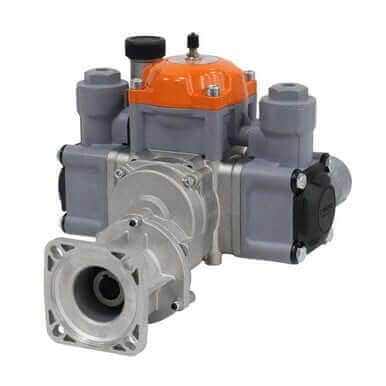 Comet BPX25 GR pump SKU: 150-0432 | 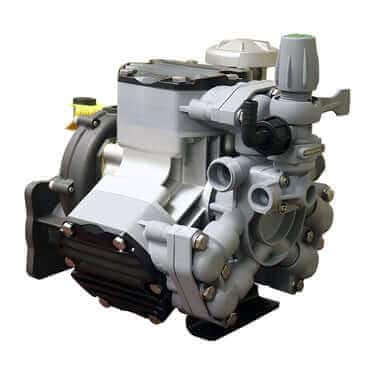 Comet P40 Diaphragm Pump SKU: 150-0428 | 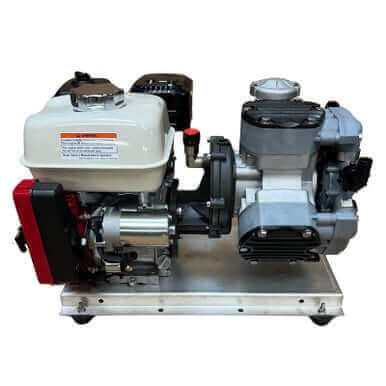 BPX25 - P40 Soft Wash Sprayer Skid SKU: 150-0432M |
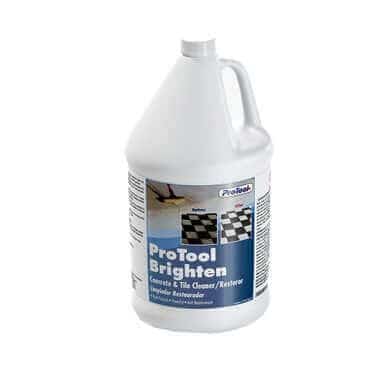 ProTool Brighten SKU: 83-01M | 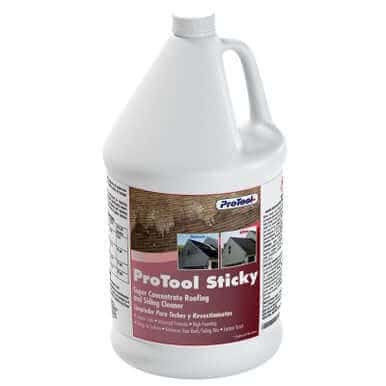 ProTool Sticky SKU: 83-07M | 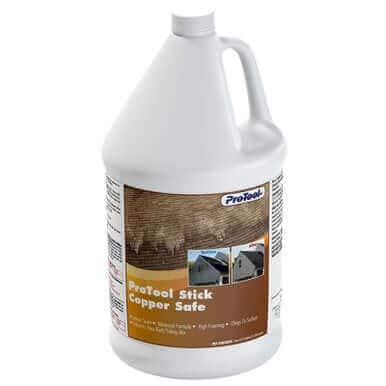 ProTool Stick SKU: 83-06M |
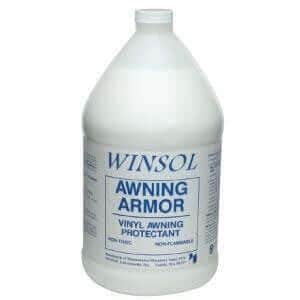 Winsol Awning Armor Vinyl SKU: 88-63M | 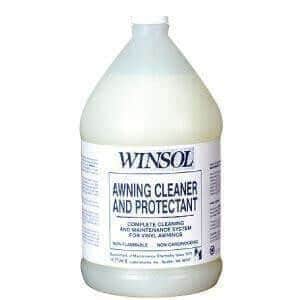 Winsol Awning Clean & Protect Vinyl SKU: 88-61M | 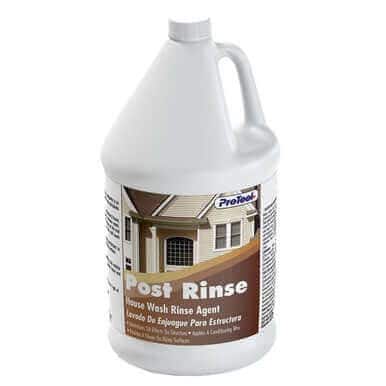 ProTool Post Rinse SKU: 83-03M |
 F9 Efflorescence/Calcium Remover Front9 Restoration SKU: 320-62M | 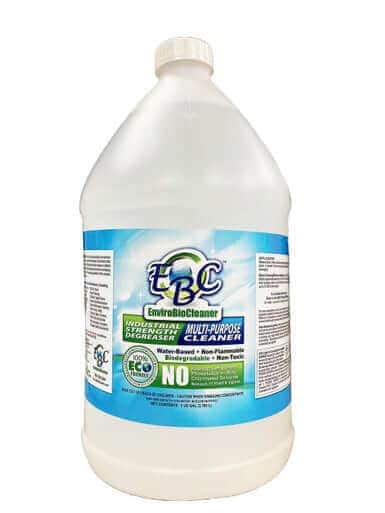 EBC Degreaser, Detergent SKU: 83-81M | 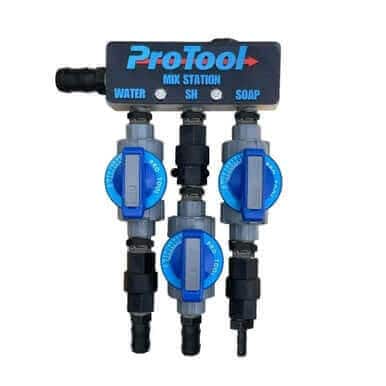 Soft Wash Metering Block SKU: 150-0454M |
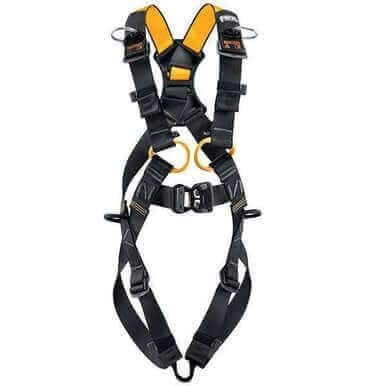 Petzl Newton ANSI/CSA Body Harness SKU: 96-42M |