How to Start a Pressure Washing Business: A 10-Step Professional Guide
Table of Contents
The gap between owning a pressure washer and running a profitable pressure washing business is wider than most people expect. Learning how to start a pressure washing business means answering hard questions about GPM vs. PSI, legal structure, insurance minimums, chemical ratios, and job pricing — before your first truck roll.
This guide is a direct, 10-step roadmap for contractors who want to build a real operation. We cover equipment selection, business formation, proven pricing models, and a marketing plan to land your first contracts.
Steps 1–3: Building Your Business Foundation
A profitable operation starts with paperwork, not equipment. The administrative groundwork you lay now determines whether you're running a business or a hobby that happens to own a pressure washer.
Craft a Simple Business Plan and Define Your Niche
Your plan doesn't need to be long — it needs to be honest. Answer three questions: Who are you selling to? What separates you from the five other guys in your market? What does breakeven look like in month six?
If you're starting solo, residential driveways and house washes are the fastest path to cash flow. Commercial contracts pay more per job but come with longer sales cycles and net-30 terms that strain a new operation. Pick a lane first. You can diversify later.
Handle Legal, Licensing, and Insurance
Form an LLC. A sole proprietorship is simpler on paper, but the first property damage claim will make you wish you'd spent the extra $200. Register your business name, get an EIN, and open a dedicated business bank account the same week.
General liability insurance is non-negotiable — $1M/$2M is standard. Clients will ask for your certificate of insurance before you unload the trailer. Check your city or county for water runoff regulations; some jurisdictions require a specific discharge permit for pressure washing.
Plan Your Startup Budget
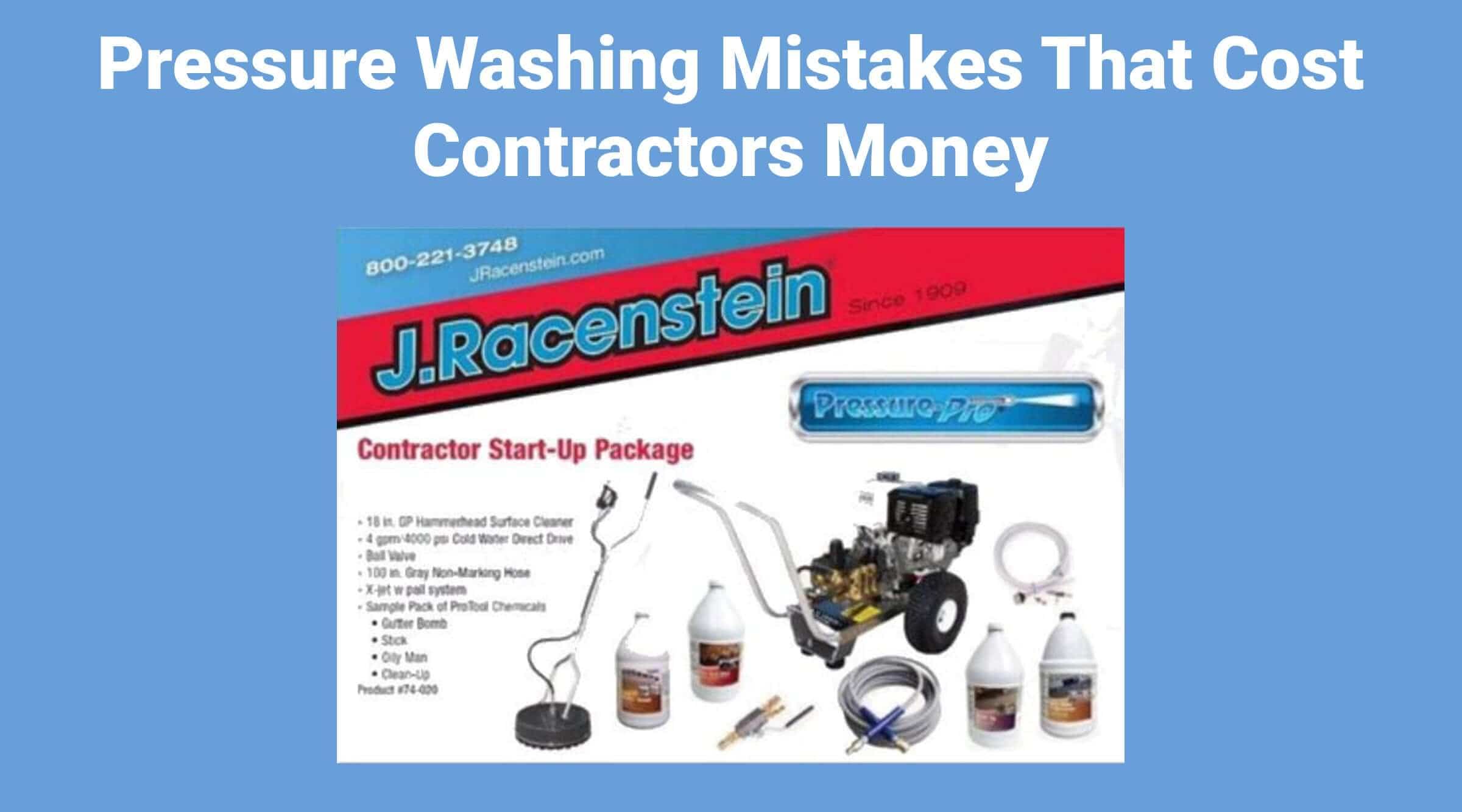
A realistic professional startup runs $5,000–$10,000. That covers a professional-grade pressure washer, hoses, a surface cleaner, initial chemical stock, insurance, and basic marketing. Consumer-grade machines from big-box stores are not built for daily commercial use — their direct-drive pumps fail fast under sustained load, and the low GPM makes every job take twice as long.
Budget for the unglamorous line items too: fuel, chemical restocking, vehicle maintenance, and the marketing spend it takes to fill your first month's calendar.
Steps 4–5: Assembling Your Professional Equipment
Your equipment directly determines how fast you work, how good the results look, and how often you're sidelined for repairs. Buy once, buy right.
Choosing Your Pressure Washer
Focus on GPM over PSI. GPM — gallons per minute — controls your cleaning speed. PSI gets the marketing headlines, but a 4,000 PSI machine at 2.5 GPM will lose to a 3,000 PSI machine at 4 GPM on every residential job. More water volume means faster rinsing, less time on site, and more jobs per day.
For professional residential work, start at 4 GPM minimum. A belt-drive pump runs cooler and lasts significantly longer than direct-drive — it's worth the upfront cost difference. Cold water handles 90% of residential work; hot water units earn their keep on commercial grease jobs later.
The 4.0 GPM cold water pressure washers are the workhorse category for new operations. When you're ready to step up, the 8.0 GPM cold water units cut cleaning time roughly in half.
Essential Accessories
The machine is only the starting point. A professional rig needs:
- Pressure hoses: 100–150 feet of non-marking pressure hose. Marking up a client's concrete with black scuffs is an amateur move.
- Gun and wand: An ergonomic trigger gun and lance rated for your machine's PSI and GPM. Fatigue compounds over an 8-hour day.
- Nozzle set: A standard five-piece set (0°, 15°, 25°, 40°, and soap) covers nearly every residential scenario. Stock replacement tips — they wear.
- Downstream injector: Essential for applying cleaning chemicals at low pressure without running them through your pump.
Efficiency Tools That Pay for Themselves
A surface cleaner is not optional for flatwork. Trying to clean a 1,000 sq ft driveway with a wand alone is slow, inconsistent, and leaves stripes. Match the surface cleaner's diameter to your GPM — undersized units leave uneven results.
An extension wand lets you reach second-story siding and eaves from the ground. Ladders add risk, setup time, and liability. Work from the ground whenever possible.
Steps 6–7: Mastering Operations and Safety
Equipment gets you on the job site. Chemical knowledge and safe procedures keep you there.
Understanding Cleaning Chemicals
High pressure alone damages surfaces. The chemical does the cleaning; the water does the rinsing. Your core chemical toolkit:
- Sodium Hypochlorite (SH): The foundation of house washing and soft washing. A standard house wash mix targets 1–2% final SH concentration. Using 12.5% SH, that's roughly 0.4 gallons of SH to 4.6 gallons of water in a 5-gallon batch, plus surfactant.
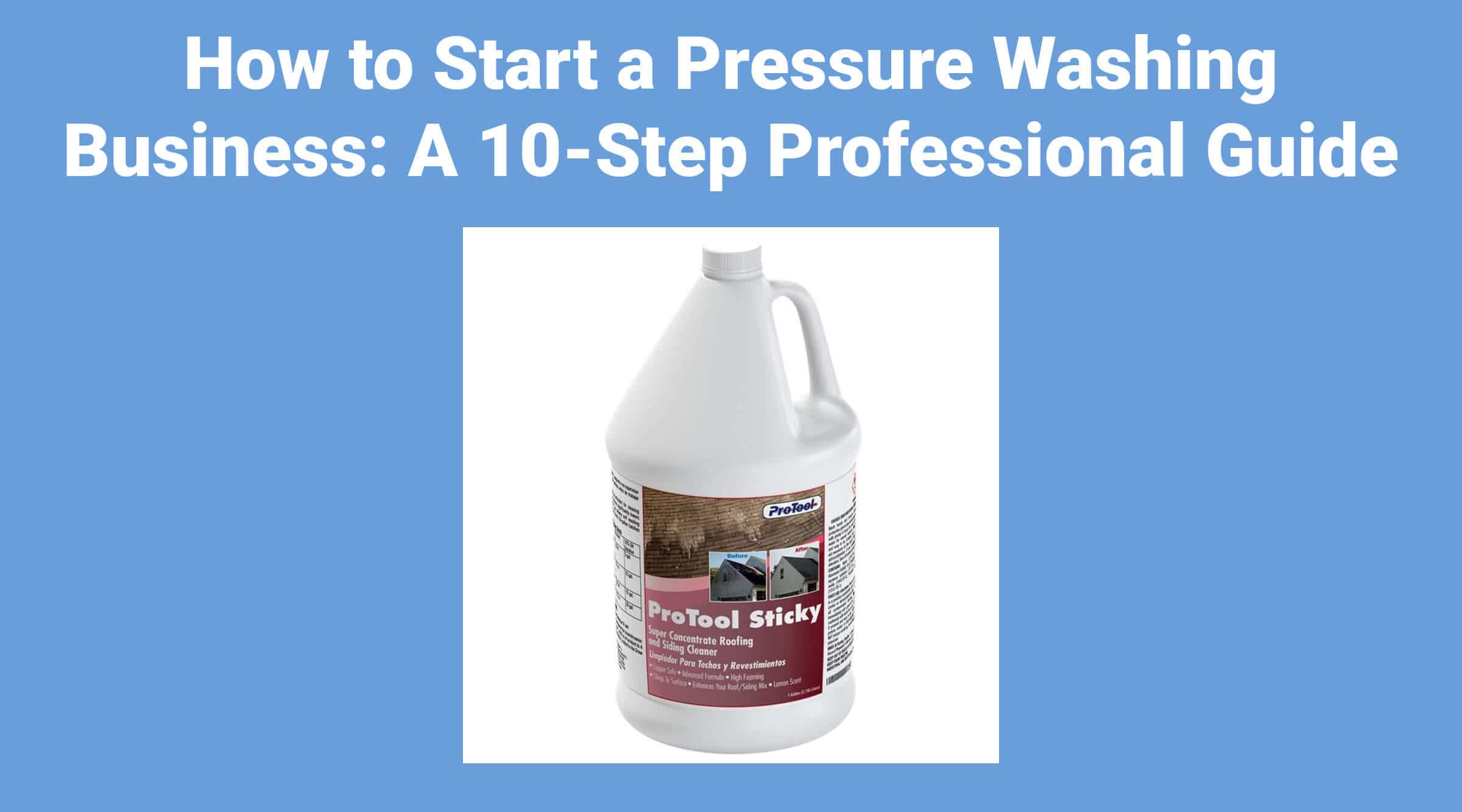
- Surfactants: Products like ProTool Sticky help your mix cling to vertical surfaces, extending dwell time and improving results.
- Degreasers: Heavy-duty alkaline degreasers handle oil and grease on concrete. EBC Degreaser is a versatile option for commercial dumpster pads and parking areas.
- Acids and efflorescence removers: Efflorescence and calcium removers like F9 EFFLO treat mineral deposits and rust stains on masonry without muriatic acid.
Always follow manufacturer dilution rates. More chemical does not mean better results — it means surface damage and liability.
Define Your Core Services
Start with four high-demand services:
- House washing (soft wash — low-pressure chemical application)
- Driveway and sidewalk cleaning (high-pressure surface cleaner work)
- Patio and paver cleaning
- Fence and deck cleaning
Understand the difference between pressure washing and soft washing before you touch a client's vinyl siding. High pressure on soft substrates — vinyl, stucco, painted wood — causes damage. Soft washing uses chemical strength at low pressure. It's a different technique, not a lesser one.
As you gain experience, add roof cleaning (a high-margin soft wash service), commercial storefronts, fleet washing, and dumpster pad cleaning.
On-the-Job Safety Protocols
Every job starts with a site walkthrough. Tape exterior electrical outlets. Cover security cameras and doorbells. Pre-soak plants and landscaping with water before any chemical application, and rinse them again after.
Wear safety glasses, hearing protection, and chemical-resistant gloves — every time, not just when it's convenient. Stay aware of overhead power lines. Never point a pressure washer wand at a person. A 4,000 PSI stream causes lacerations and injection injuries that require emergency care.
For chemical handling, keep PPE on the truck and use it. SH splashback ruins clothing and burns skin. A professional safety routine protects you from liability and signals to clients that you take the work seriously.
Steps 8–9: Marketing and Pricing for Profit
You have the equipment, the chemicals, and the technique. Now you need customers willing to pay what the work is worth.
Marketing Strategies That Actually Work
Skip the expensive ad campaigns. For a new pressure washing operation, these four moves generate the most leads per dollar:
- Google Business Profile: Free, and it puts you in front of homeowners actively searching for pressure washing in your area. Optimize it with photos, services, and your service area.
- Before-and-after photos: Capture every job. These photos are your strongest sales tool — they prove capability better than any ad copy.
- Door hangers and yard signs: Old school, still effective. Drop door hangers in neighborhoods where you just finished a job. Neighbors notice clean driveways.
- Referral network: Build relationships with real estate agents, property managers, painters, and roofers. A single property manager can fill your calendar for a month.
How to Price Pressure Washing Jobs
Your price must cover chemicals, fuel, equipment wear, insurance, marketing overhead, and your time — then leave a profit margin on top. Pricing below cost to "win" jobs is the fastest way to close a business.
- Flatwork (driveways, sidewalks): Price per square foot. Know your cost per square foot and mark up from there.
- House washes: Flat rate based on square footage, story count, and condition. A 2,000 sq ft single-story in average condition is a different job than a 2,000 sq ft two-story covered in algae.
- Set a minimum charge: Even a small patio involves drive time, setup, chemical mixing, and teardown. If you don't have a minimum, small jobs eat your margins.
- Written quotes only: Never start work without a signed quote. It prevents scope creep and payment disputes.
Pricing becomes intuitive with experience, but start structured. Track your actual time and chemical usage on every job for the first three months — the data will sharpen your estimates fast.
Step 10: Scaling for Long-Term Success
Year one is survival. Year two is where you decide whether you're building a business or staying a one-truck operation. Both are valid — but scaling requires deliberate reinvestment.
Build a Reputation That Sells for You
Ask every satisfied client for a Google review. A business with 50 five-star reviews closes leads that a business with zero reviews never even sees. Branded shirts, a clean truck, and consistent communication compound into a reputation that generates referrals without ad spend.
Equipment Upgrades That Move the Needle
Three upgrades that directly increase revenue per hour:
- Higher GPM machine: Moving from 4 GPM to 8 GPM cuts cleaning time roughly in half on flatwork.
- Hot water unit: A hot water pressure washer or hot box add-on opens commercial grease removal — restaurants, gas stations, loading docks.
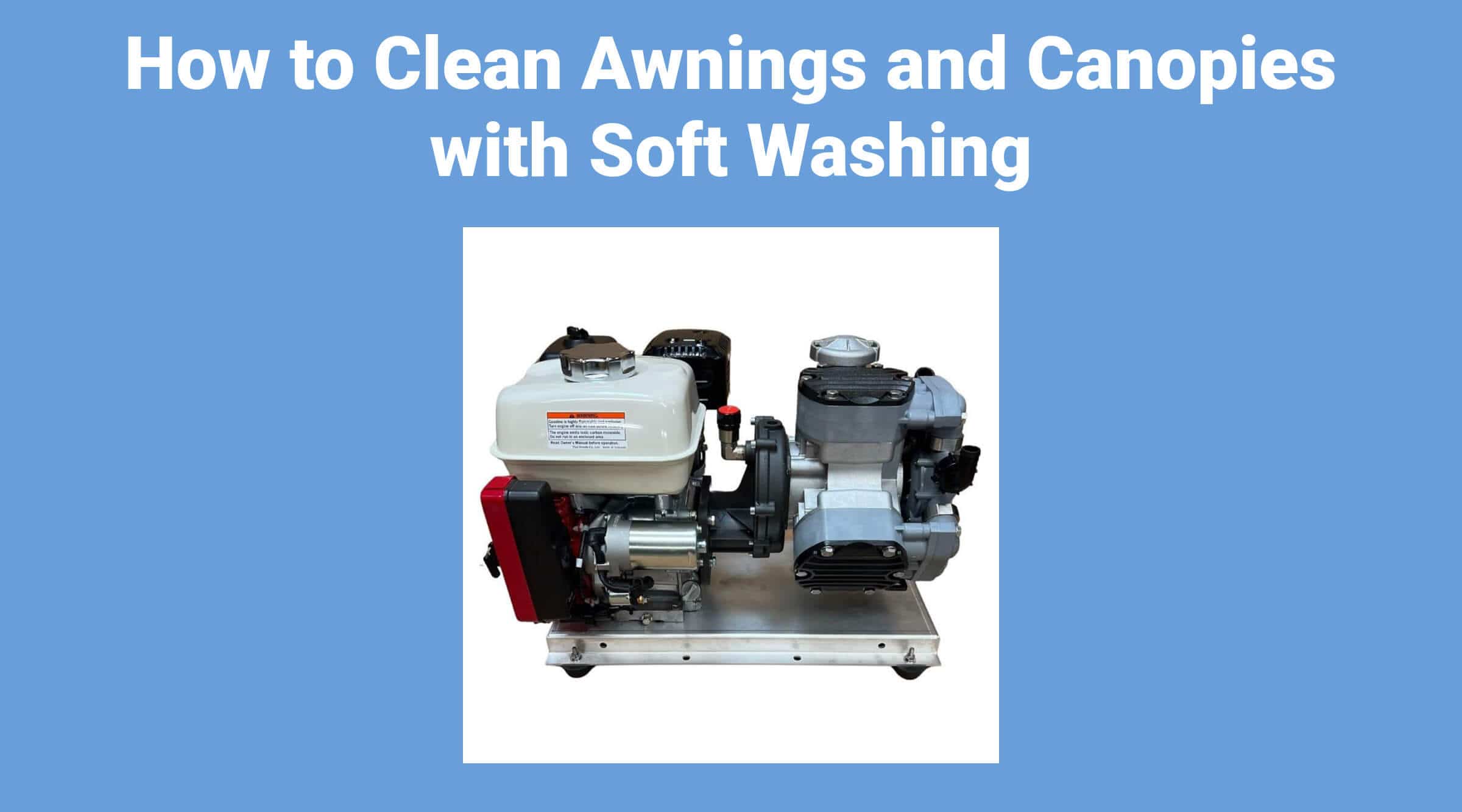
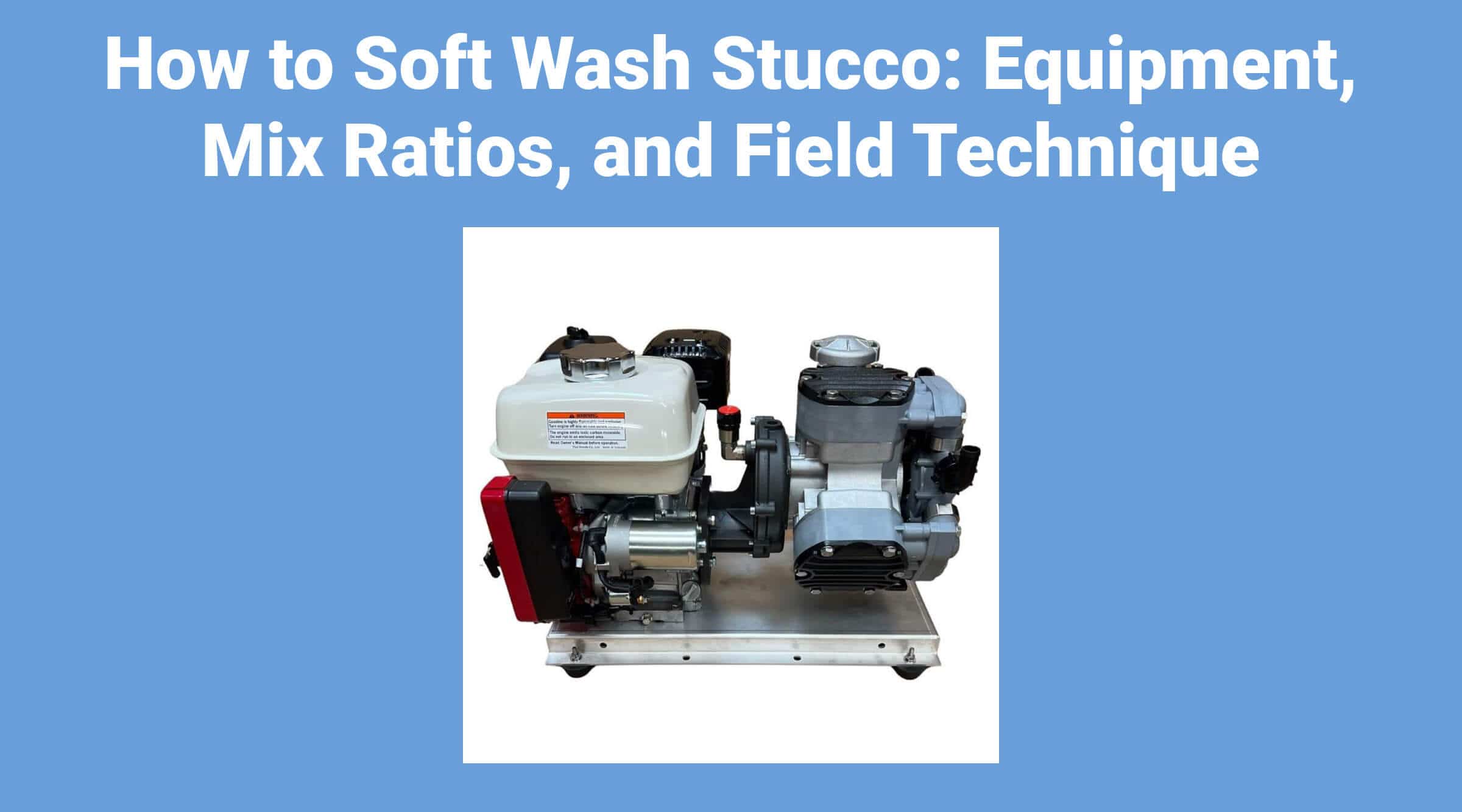
- Dedicated soft wash system: A soft wash skid or metering system lets you handle roof cleaning and large house washes efficiently. The ProTool BPX25–P40 Soft Wash Sprayer Skid is a proven setup for contractors scaling into soft washing.
For a walkthrough of what a complete professional pressure washing setup looks like, watch: Start a Pressure Washing Business — Beginner Setup (YouTube)
Expand Your Service Menu
Every new service you add increases revenue per client visit. The highest-ROI additions for a pressure washing contractor:
- Roof cleaning: High-ticket soft wash service with strong demand and limited competition in most markets.
- Window cleaning: Natural upsell on every house wash. The window cleaning equipment startup cost is low relative to the margin.
- Gutter cleaning: Both interior debris removal and exterior oxidation cleaning. Gutter cleaning chemicals like ProTool Gutter Bomb handle the black streaks that homeowners hate.
Products Mentioned
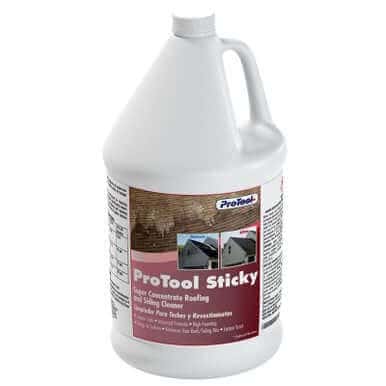 ProTool Sticky SKU: 83-07M | 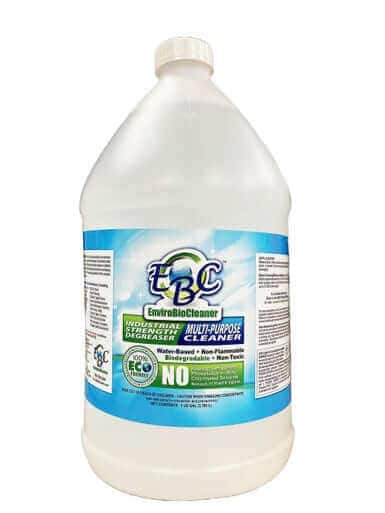 EBC Degreaser, Detergent SKU: 83-81M | 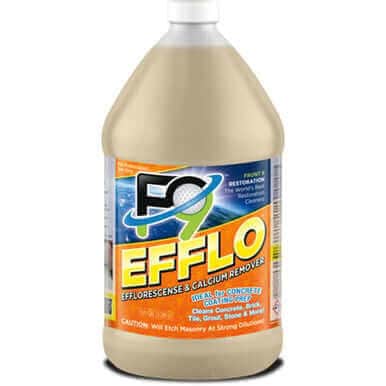 F9 Efflorescence/Calcium Remover Front9 Restoration SKU: 320-62M |
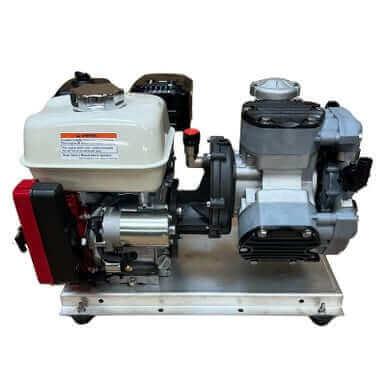 BPX25 - P40 Soft Wash Sprayer Skid SKU: 150-0432M | 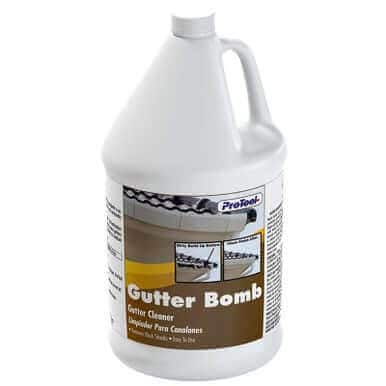 ProTool Gutter Bomb - Gutter Cleaner - Oxidation Remover SKU: 89-82M |