How to Clean Skylights Safely: Equipment, Materials, and Fall Protection
Table of Contents
Every skylight is an OSHA-classified hole in the walking surface. One misstep — through brittle UV-degraded acrylic or across a wet pitch — and the job becomes a fatality investigation. The professional response is straightforward: keep your feet on the ground whenever possible, and when you can't, engineer the fall risk out of the equation with certified arrest systems. This guide covers how to clean skylights safely using water-fed poles, proper material identification, and the fall protection hardware that keeps the job compliant and your crew intact.
Why Skylights Are the Most Dangerous Glass You'll Clean
Skylights combine every hazard that makes exterior cleaning dangerous: height, slope, water on a walking surface, and a fragile opening you can fall through. OSHA mandates fall protection at 4 feet in general industry and 6 feet in construction — and the skylight itself counts as an unguarded hole. The goal is always a ground-based approach. When that's not possible, the risk shifts to equipment selection and anchoring.
The Interior Hazard: Looking Up
Cleaning from below sounds safe until you spend 20 minutes with your head tilted back on an A-frame. That upward gaze shifts your center of gravity toward your heels, and your vestibular system — the internal hardware responsible for balance — degrades fast in that position. The fix is a high-modulus carbon fiber telescopic pole like the ProTool Apex Carbon Fiber Pole. You stay on the floor, the pole does the reaching, and the ladder stays on the truck. If a ladder is genuinely unavoidable in a commercial atrium, a dedicated spotter and stabilizer are non-negotiable.
The Exterior Hazard: Wet Roofs and Brittle Panes
Older acrylic and polycarbonate skylights become brittle after years of UV exposure. Technicians have died stepping on units that looked solid. Professional protocol is a strict no-walk policy on or near the skylight frame. Introducing water to a pitched roof compounds the problem — you now have a slip surface with a hole in the middle of it. A water-fed pole system operated from a secure, anchored position on the ground or a safe roof zone is the professional standard. When you must access the roof directly, you need a full fall arrest system: harness, rated anchor, shock-absorbing lanyard, and high-traction footwear.
Identify the Substrate Before You Touch It
Skylights are either acrylic (plastic) or tempered glass. Get this wrong and you'll destroy a high-value installation in seconds. A quick tap test usually tells you: acrylic gives a dull plastic thud, tempered glass rings with a sharper pitch.
Acrylic and Polycarbonate
Lightweight and impact-resistant, but chemically fragile. Ammonia, alcohol, and petroleum solvents cause "crazing" — a network of fine internal cracks that permanently clouds the material and weakens its structure. Use only pH-neutral, non-abrasive detergents and soft microfiber washers. Never dry-dust these surfaces. Dry wiping traps grit against the pane and produces permanent micro-scratches. Always flood the surface with water first to lubricate and flush loose debris.
Tempered Glass and Coated Units
Tempered glass is far more resilient, but modern units often carry Low-E or self-cleaning coatings — typically a titanium dioxide layer that breaks down organic dirt via UV exposure. These coatings require detergents that won't strip the hydrophilic layer. Use a quality professional window cleaning soap matched to the coating type.
Scrapers work on non-coated tempered glass but demand caution around frames and factory coatings. For stubborn mineral deposits or bird droppings on bare tempered glass, 0000-grade steel wool sleeves provide effective mechanical removal — keep the surface lubricated throughout. If you're uncertain about the coating, spot-test an inconspicuous corner before committing to the full pane.
Water-Fed Poles vs. Traditional Tools
Traditional squeegee-on-a-pole work at height demands serious manual dexterity — maintaining correct blade angle on a sloped skylight from 20+ feet below is technically demanding and slow. Water-fed pole systems have largely replaced this approach for exterior skylight work, and the reasons are both safety and production.
Why WFP Systems Are the Professional Standard
A WFP system paired with an RODI pure water cart strips glass of contaminants without chemical detergents or a squeegee pass. The filtration process removes Total Dissolved Solids (TDS) from the water supply. Because the water is deionized, it dries spot-free — even in direct sunlight. The operator stays on the ground. The ladder stays on the truck. Carbon fiber poles like the ProTool Apex deliver the rigidity needed to apply consistent scrubbing pressure at full extension, where aluminum alternatives flex and bounce.
For crews handling skylight work regularly, a dedicated pure water setup pays for itself in reduced labor time and eliminated ladder risk. Review the complete ProTool pure water kits to match a system to your typical job profile.
Traditional Tools for Interior Work
Interior skylights still demand traditional tools because you need to manage water runoff — you can't rinse freely over a client's furniture. A telescopic pole with secure locking and zero flex is the foundation. Pair it with swivel-head squeegees and T-bars that let you match the tool angle to the glass pitch.
Drip control is the interior challenge. Use a slightly drier washer sleeve to limit solution on the glass, and keep microfiber detailing cloths on hand for frame edges and stray droplets. The goal: professional finish, no water on the client's hardwood.
Step-by-Step Skylight Cleaning Workflow
Before any tool touches glass, clear the ground area beneath the skylight. Conduct a visual inspection for hairline cracks or compromised seals — cleaning a damaged unit can cause immediate water intrusion or catastrophic failure. This assessment is not optional.
Interior Workflow
- Protect the space. Heavy-duty drop cloths over furniture and flooring.
- Dry dust first. A dry microfiber sleeve on a telescopic pole removes cobwebs and loose particles. This prevents mud formation when you introduce solution.
- Cut the edges. Use a swivel-head tool to work the perimeter and corners first.
- Wash in overlapping strokes. Horizontal or vertical — stay consistent. Maintain tool pressure against the glass pitch for streak-free results.
- Detail the frame edges. Catch any stray drips at the bottom edge with a microfiber cloth.
Exterior Workflow
- Clear debris dry. Soft brush or air blower — remove leaves, twigs, and loose silt before water hits the surface. Wetting heavy debris creates sludge that clogs gutters and frame weep holes.
- Pre-rinse. Loosen bird droppings and environmental film with low-pressure water.
- Agitate. WFP brush or washer sleeve with cleaning solution, working top-down. Starting at the highest point prevents dirty runoff from contaminating cleaned sections.
- Final rinse and frame flush. Rinse the weep holes and frame channels thoroughly — trapped dirt bleeds back onto the glass during the next rain.
- Multi-angle inspection. Check from several lighting angles for streaks or missed spots. Verify gaskets and seals are intact and grit-free.
Fall Protection Gear for Roof-Access Skylight Work
Ground-based WFP work eliminates most skylight risk. But some jobs — frame repairs, seal replacements, architectural configurations that block pole access — require getting on the roof. When they do, fall protection is not a suggestion. It's law.
Required Equipment
- Full-body harness — distributes fall forces across thighs, pelvis, chest, and shoulders. The Petzl Avao Bod or Gemtor 922 are built for this work.
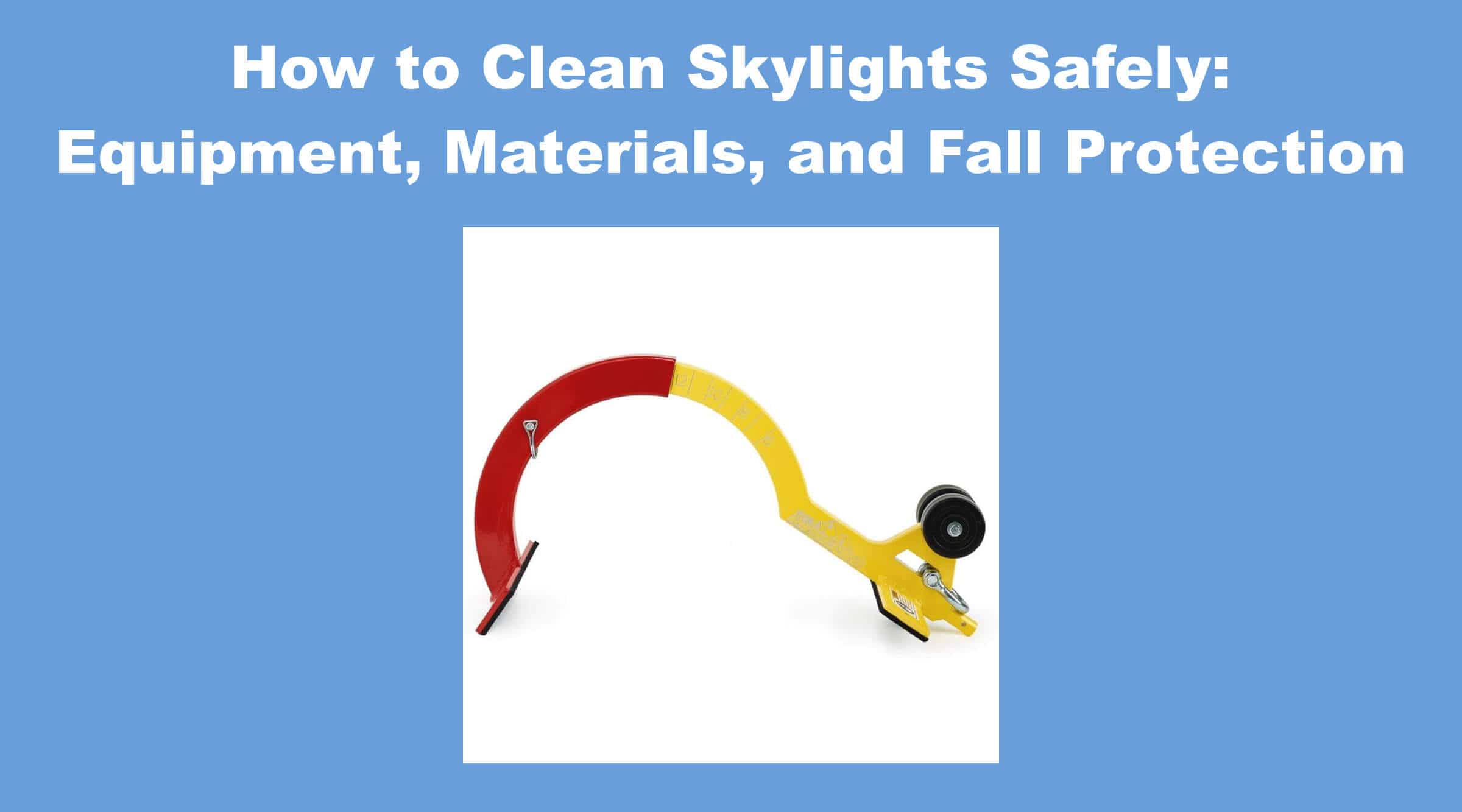
- Certified roof anchor — temporary or permanent, rated to 5,000 lbs per person. The RidgePro is a solid residential option; commercial sites may have permanent lifelines.
- Shock-absorbing lanyard — connects harness to anchor and reduces impact force during a fall. Shock-absorbing lanyards are sized to the available fall distance.
- High-traction footwear — outsoles designed for grip on shingles, metal, or tile.
Every technician using this gear needs formal training in inspection, donning, and system limitations. An improperly fitted harness or a lanyard that's too long for the available clearance defeats the entire system.
Site Management
Safety extends past the technician to the full job site. Commercial jobs need high-visibility vests and site safety barriers to define the work zone and protect pedestrians from falling debris or water. If a ladder is required for frame access, use stabilizers or stand-offs — never rest a ladder against the gutter or the skylight frame itself.
Tether every tool. A dropped scraper from two stories is a projectile. Verify all connection points, harness fit, and anchor stability before work begins. This multi-layered approach is what separates a professional skylight operation from a liability.
Products Mentioned
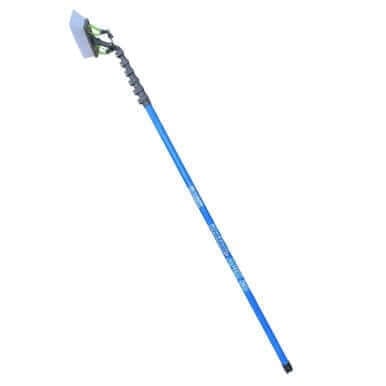 ProTool Apex Carbon Fiber Water Fed Pole SKU: 151-32M | 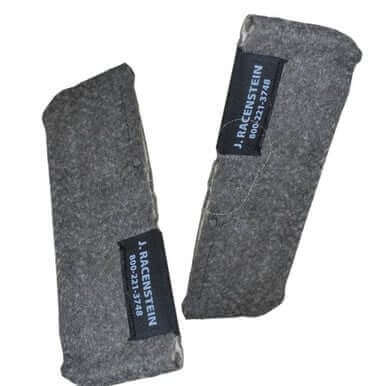 Pro Sleeve Steel Wool SKU: 11-07M | 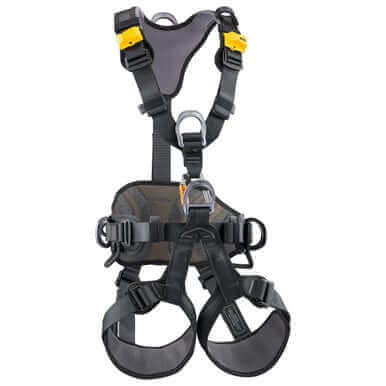 Petzl Avao Bod Harness SKU: 96-41M |
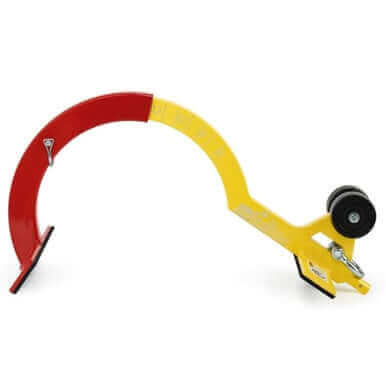 The RidgePro Roof Anchor SKU: 99-304 |