ProTool 511 Pure Water Cart: Compact RODI Filtration for Water Fed Cleaning

Table of Contents
The ProTool 511 Pure Water Cart is one of the most practical entry points into pure water cleaning — and one of the most misunderstood. Contractors searching for a portable RODI system often compare it against larger carts like the HiFlo Pure Water Cart MAX without understanding what the 511 actually solves. This post breaks down its filtration, build, and where it fits in a professional water fed setup.
What the ProTool 511 Actually Is
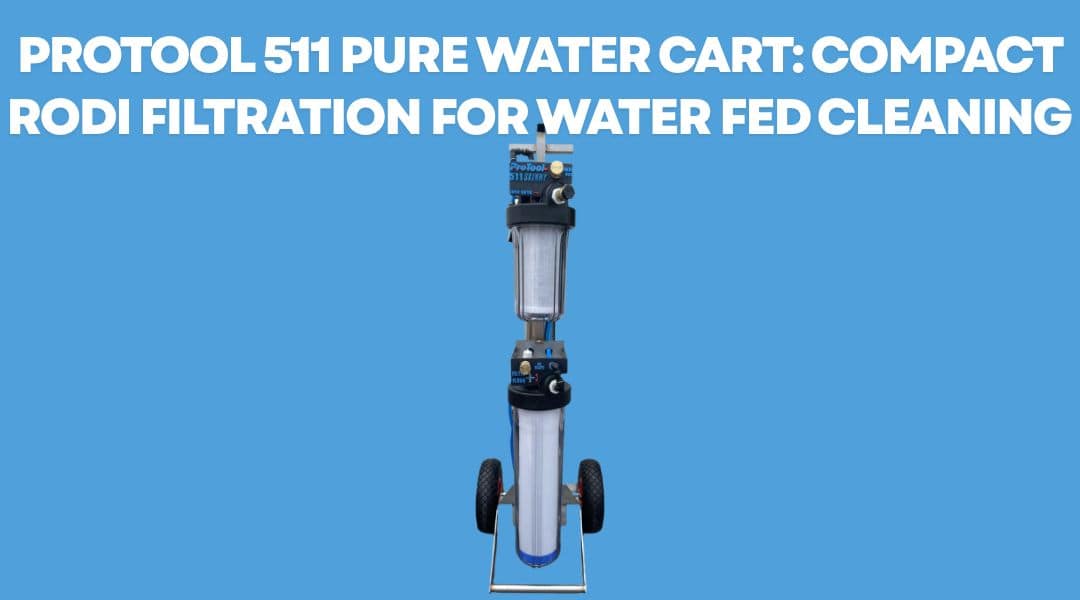
The 511 (SKU 150-0515) is a four-stage pure water cart built on a stainless steel frame. It runs sediment pre-filtration, carbon filtration, reverse osmosis, and deionization in sequence — the standard RODI chain that delivers spot-free water to your pole. The difference between it and larger ProTool carts isn't filtration quality; it's throughput and tank capacity.
That stainless steel frame matters more than most operators realize. Aluminum corrodes faster in wet environments, and powder-coated steel chips. Stainless handles the constant moisture exposure of daily pure water work without degrading. If your cart lives in a van or on a trailer and gets rained on, dragged across pavement, and hosed down at the end of every day, frame material is a durability decision, not a cosmetic one.
Four-Stage Filtration: What Each Stage Does
"Four-stage" gets tossed around in product descriptions without explanation. Here's the actual sequence:
- Sediment pre-filter. Catches particulate — sand, rust, debris — before it reaches the RO membrane. A clogged pre-filter is the number-one cause of premature membrane failure. Replace it on schedule, not when flow drops.
- Carbon filter. Removes chlorine and chloramines, which destroy RO membranes on contact. Municipal water in most US markets runs 1–4 ppm chlorine. Skip the carbon stage and you'll burn through membranes in weeks instead of months.
- Reverse osmosis membrane. Strips 95–99% of dissolved solids. This is the heavy lifter. RO rejection rate depends on inlet pressure, temperature, and TDS — the membrane doesn't care what brand is stamped on the cart.
- Deionization (DI) resin. Polishes the RO permeate down to 000 TDS. DI resin is expensive to replace; running RO ahead of it extends resin life dramatically. A DI-only system burns resin 5–10× faster than an RODI system in most municipal water.
The 511 runs all four stages. That puts it in the same filtration architecture as ProTool's larger carts. The difference is physical footprint and flow capacity, not water quality.
Where the 511 Fits — and Where It Doesn't
The 511's compact frame is its defining feature and its constraint. It's built for operators who need a pure water cart that fits in a cargo van, rides on a small trailer, or rolls through a gate to a backyard job. If you're running residential window cleaning with one or two operators, the 511 handles that workflow without taking up the space of a full-size cart.
Where it doesn't fit: high-volume commercial work with multiple operators drawing water simultaneously. That's the territory of the HiFlo Pure Water Ultra Cart or a HydroPanel wall mount with a tank. If you're cleaning a four-story office building with two techs running 40ft+ poles, you need more GPM than the 511 was designed to deliver.
The practical decision tree:
- Solo operator, residential route: the 511 handles this cleanly.
- Owner-operator scaling to a second tech: the 511 works as a starter, but plan for a capacity upgrade.
- Multi-crew commercial work: start with the MAX or a skid system.
Maintaining the 511 for Longevity
Every RODI cart lives or dies by filter maintenance. The hardware is durable; the consumables are what fail.
Pre-filter and carbon
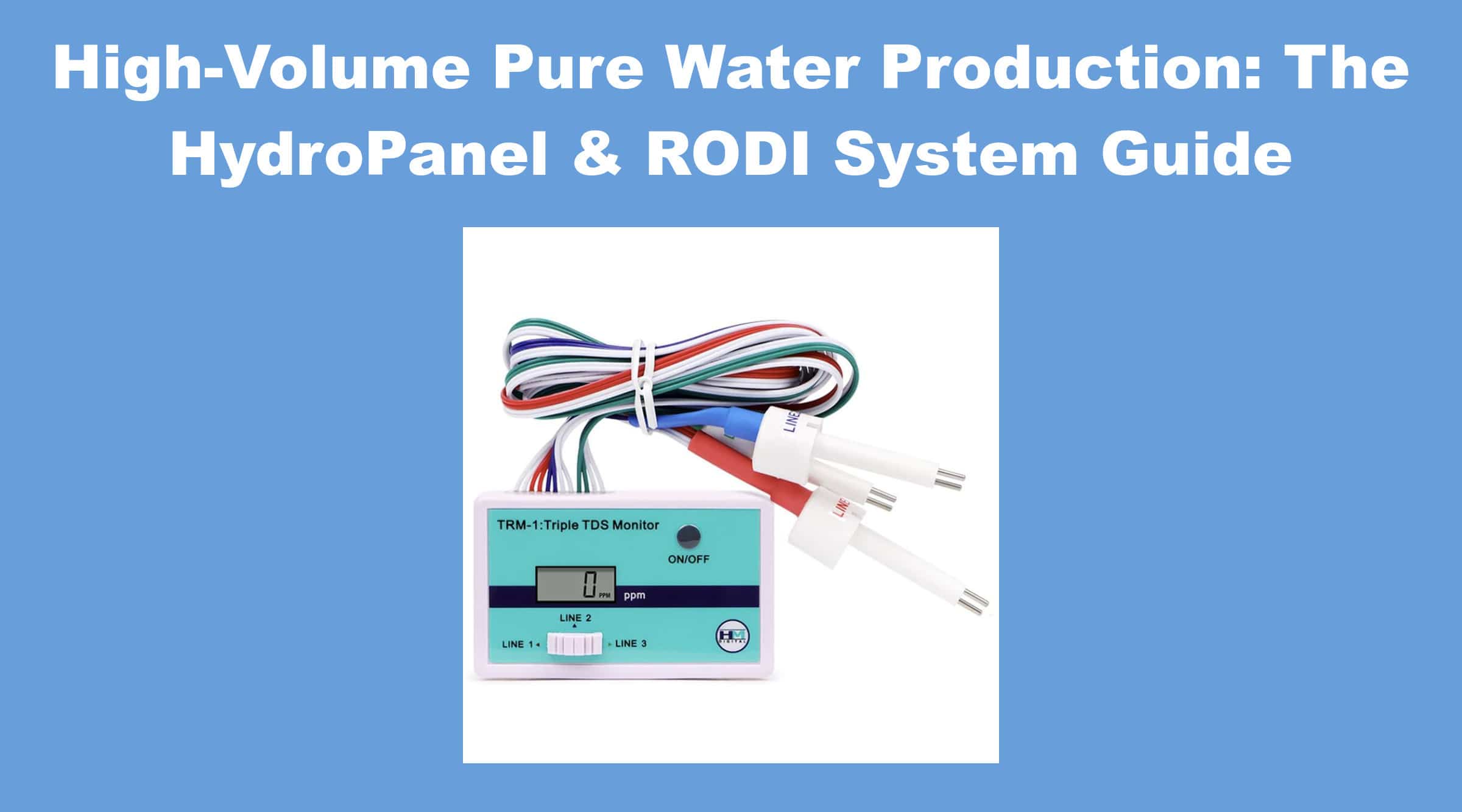
Replace sediment filters and carbon filters on a time-based schedule — every 3–6 months depending on inlet water quality. Waiting until flow drops means the RO membrane has already been working harder than it should. A TDS inline meter before and after each stage tells you exactly when a filter is spent.
RO membrane
Membranes last 1–3 years if pre-filtration is maintained. If your rejection rate drops below 90%, the membrane is done. Flush it regularly — stagnant water inside a membrane grows biofilm that degrades performance permanently.
DI resin
Monitor post-DI TDS obsessively. When it starts climbing above 005, swap the resin. Running spent resin doesn't just leave spots — it deposits minerals that bond to glass and create callbacks. Virgin DI resin costs far less than a return visit.
Building a Complete Water Fed Setup Around the 511
The cart is the filtration engine. It doesn't include a pole, delivery hose, or brush. Here's what completes the system:
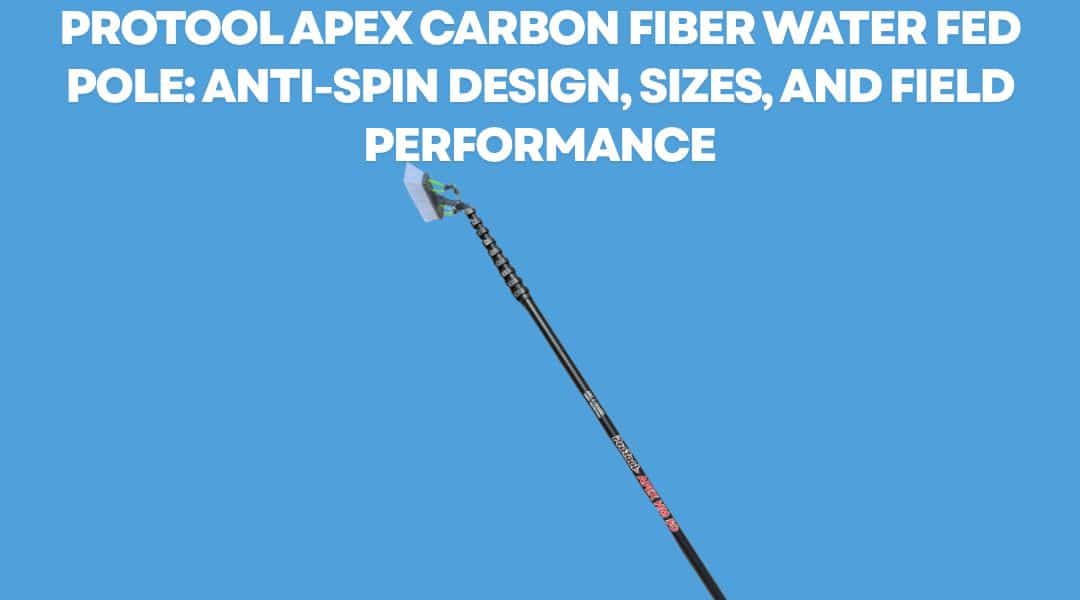
- Water fed pole: The ProTool Apex Carbon Fiber Pole pairs well — lightweight, stiff, and available in lengths from 20ft to 50ft. For budget-conscious startups, the Gardiner CLX 27ft is a solid residential workhorse.
- Delivery hose: ProTool Ultra Light Hybrid Hose in 5/16" or 3/8" runs from cart to pole with minimal drag.
- Brush: A ProTool 12" Hybrid Brush covers most residential glass. Move to an 18" for larger panes.
Match pole length to your typical building height — most residential work sits in the 20–30ft range. Buying a 50ft pole for single-story homes adds weight you'll carry all day for reach you'll never use.
ProTool 511 vs. Other ProTool Pure Water Carts
| Feature | ProTool 511 | HiFlo Cart | HiFlo Ultra Cart | Cart MAX |
|---|---|---|---|---|
| Frame | Stainless steel, compact | Stainless steel | Stainless steel | Stainless steel |
| Filtration | 4-stage RODI | 4-stage RODI | 4-stage RODI, higher flow | 4-stage RODI, highest flow |
| Best for | Solo residential | 1–2 operators | Multi-operator, commercial | High-volume commercial |
| Portability | Most compact | Mid-size | Larger footprint | Largest footprint |
All four carts run the same filtration architecture. The progression is about flow rate, tank capacity, and pump options — not water quality. A 511 produces the same 000 TDS water as a Cart MAX; it just produces less of it per hour.
Products Mentioned
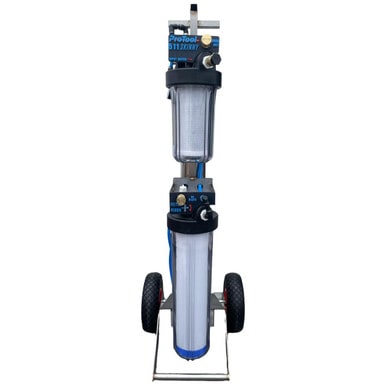 ProTool 511 Pure Water Cart SKU: 150-0515 | 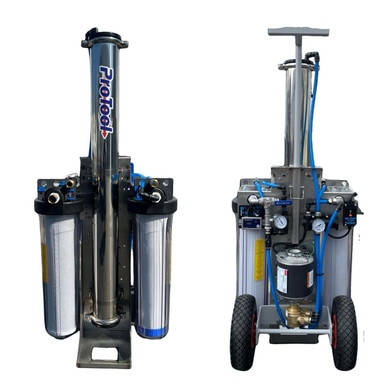 ProTool HiFlo Pure Water Cart MAX SS 110V SKU: 150-0523 | 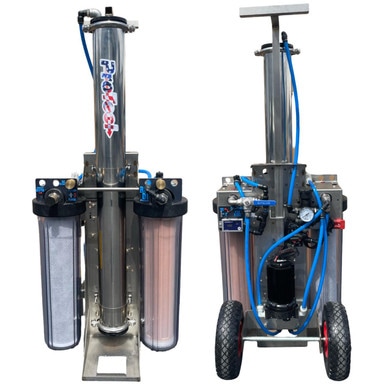 ProTool HiFlo Pure Water Ultra Cart SS 12V or 110V SKU: 150-0522 |
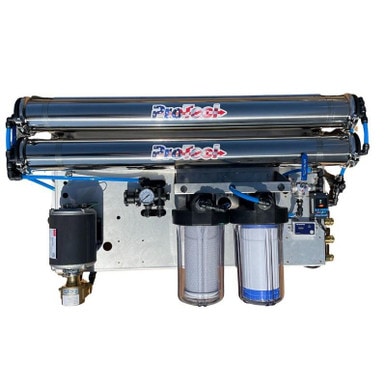 ProTool HydroPanel RODI Wall Mount SKU: 150-05346M | 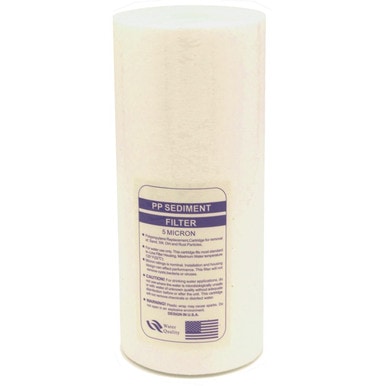 ProTool Sediment Filter 4.5in x 10in SKU: 150-005 | 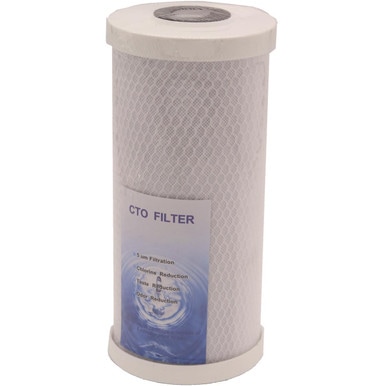 ProTool Carbon 4.5 inch x 10 inch Water Filter Cartridge SKU: 150-006 |
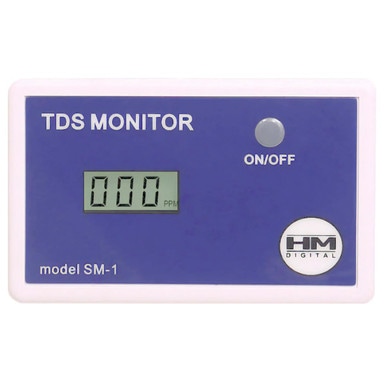 TDS Inline Meter - includes a 1/4 Tee SKU: 150-019 |  Resin DI Cubic foot - New Virgin Resin SKU: 150-040 | 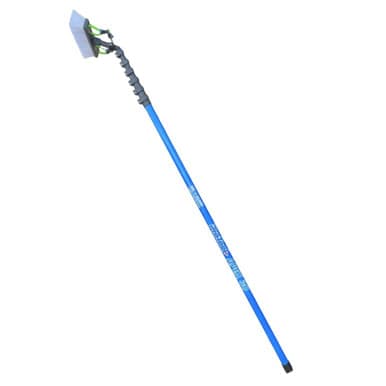 ProTool Apex Carbon Fiber Water Fed Pole SKU: 151-32M |
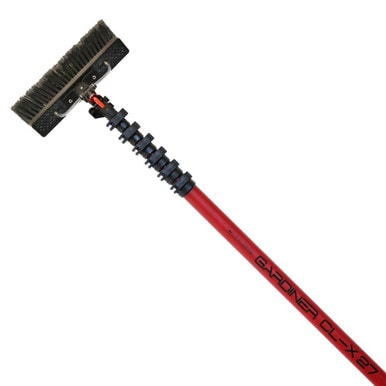 Gardiner CLX 27ft Pole Carbon Composite SKU: 155-4272 | 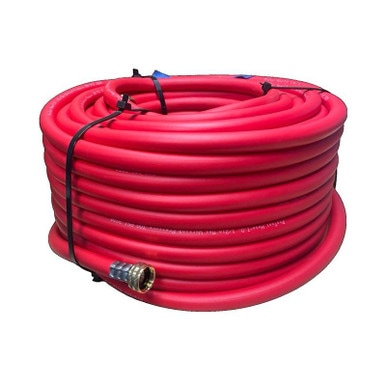 ProTool Ultra Light Hybrid Hose 300 PSI SKU: 150-035M | 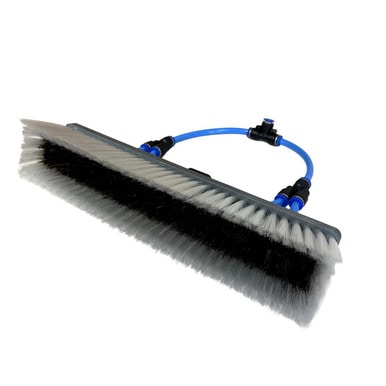 ProTool 4 Pencil-Jet Hybrid Brush 12in SKU: 151-211 |