Coated Aluminum Cleaning: Alucobond & Kynar 500 Soft Wash Protocol
Table of Contents
High-pressure washing destroys architectural facades faster than years of severe weathering. A single pass with an aggressive tip permanently hazes or etches Kynar 500 and Alucobond composite panels — and the liability lands on you. Coated aluminum cleaning on commercial properties demands chemical dwell and soft agitation, not brute force. Purple Magic paired with dedicated low-pressure delivery and pure water rinsing restores weathered panels without degrading factory finishes or voiding AAMA warranties.
Below: exact dilution guidance, safe rinse thresholds, brush filament selection, and a repeatable workflow you can standardize across commercial maintenance contracts.
Architectural Coated Aluminum Finishes and Their Vulnerabilities
Coated aluminum cleaning starts with diagnosing the cladding chemistry on the facade. Misidentify the finish and you risk topcoat delamination, irreversible gloss loss, and a warranty rejection letter.
Three Finishes You'll Encounter
- PVDF / Kynar 500: Manufactured to AAMA 2605, these fluoropolymer finishes require at least 70% PVDF resin by weight with a nominal dry film thickness of 1.2 mils. UV-resistant, but high-pH caustic cleaners strip the organic resin binders and expose bare substrate.
- Powder Coatings: Electrostatically applied, thermally cured polymer resins. Good impact resistance, poor chemical durability compared to PVDF. Highly susceptible to micro-scratching from aggressive filaments.
- Anodized Aluminum: An integrated aluminum oxide layer — no organic binder. Reacts aggressively to both acid and alkali cleaners, producing cloudy chemical etching within minutes.
Identifying the Soil Load
- Hydrocarbon encrustation: Exhaust fumes, brake dust, and industrial pollutants form electrostatically bonded oily films that bake onto sunny elevations, creating dark streaks beneath drip edges.
- Resin chalking: UV degradation fractures polymer chains, releasing free pigments as a powdery white haze. Rain washes pigment downward, generating persistent chalk runoff tracks.
- Biological colonization: Organic debris in textured reveals, silicone gaskets, and drip channels feeds moss, mildew, and lichens.
Chemical Selection: Safe Surfactants vs. Hazardous Compounds
AAMA 609/610-25 mandates neutral cleaners (pH 6–7) for routine facade washing. Neutral soap alone fails against heavy chalking, exhaust soot, and baked-on industrial fallout. That gap is where Purple Magic fits — it dissolves atmospheric oxidation and run-down stains without destabilizing fluoropolymer binders.
What to Avoid
Acidic brighteners containing hydrofluoric or phosphoric acid etch glass, strip anodized finishes, and leave permanent milky marks on PVDF. High-alkaline degreasers accelerate topcoat oxidation on sun-heated cladding, causing irreversible discoloration. Stick with mild, non-caustic formulations engineered for architectural metal restoration.
Surfactants and Controlled Dwell Times
Gravity pulls standard liquid mixes off vertical cladding before chemical breakdown occurs. Industrial-grade surfactants lower surface tension and increase viscosity, keeping active agents suspended evenly across smooth panels. A ProTool Sticky additive can extend cling time on vertical surfaces.
Target 5–10 minutes of dwell. Never let applied solution dry on warm metal — rapid flash-drying bakes surfactant residues into the topcoat, creating stubborn water marks that are harder to remove than the original soil.
Equipment Setup for Architectural Cladding Maintenance
Standard high-pressure rigs generate nozzle velocities that dent composite panels, blow out perimeter silicone seals, and force water behind backer rods. Facade preservation requires dedicated low-pressure chemical delivery paired with high-reach agitation assemblies.
Soft Wash Systems
Low-pressure diaphragm pumps — like the Comet P40 or Comet BPX25 on a ProTool 12V soft wash skid — apply detergent at controlled pressures under 100 PSI, saturating cladding evenly without mechanical stress. For rinsing, swap standard tips for wide-angle 40-degree nozzles or low-pressure chemical tips. Alucobond restricts high-pressure rinsing to 50 bar (≈725 PSI). Exceeding that threshold risks peeling the protective topcoat and saturating internal insulation.
Water-Fed Poles and Brush Selection
Scrubbing elevated panels from grade requires modular carbon fiber water-fed poles. High-modulus carbon delivers the lateral rigidity to control brush heads four stories up without excessive flex. The ProTool Apex Hi-Mod is built for this kind of reach-and-control work.
Filament selection is critical:
- Flag-tipped nylon: The standard for sensitive PVDF, Kynar 500, and powder-coated surfaces. Feathered bristle tips lift loose soils and oxidized pigment without swirl marks. The ProTool 14in White Nylon Brush is purpose-built for this.
- Natural boar's hair: Coarse fibers trap abrasive particulate against soft organic resin topcoats. Reserve boar filaments for non-coated masonry or heavily soiled bare framework.
- Hybrid configurations: Inner core of natural bristles for scrubbing strength, outer boundary of soft nylon to cushion panel contact. The ProTool 4 Pencil-Jet Hybrid Brush gives you both.
Pure Water Rinsing
Municipal water leaves calcium and magnesium scale rings on dark or metallic cladding. Multi-stage pure water carts — sediment filtration, reverse osmosis, and DI resin — reduce TDS to 0 PPM. Flooding panels with deionized water absorbs residual surfactant and dries completely spot-free, letting you wash cladding and adjacent curtain-wall glass simultaneously without squeegeeing.
Step-by-Step Coated Aluminum Cleaning Methodology
Pre-Cleaning Assessment
- Sealant and joint integrity: Inspect silicone caulk joints, expansion reveals, and weep channels. Failing caulk lets cleaning solution penetrate interior wall assemblies.
- Pre-existing coating degradation: Velvet-cloth rub test to measure surface chalking. Photograph existing oxidation, gouges, and mechanical wear — this documentation shields you against pre-existing damage claims.
- Test patch: Dilute your chemistry, apply to an inconspicuous panel, allow full dwell, scrub gently, rinse thoroughly, and let it dry completely. Verify the treatment lifts soils without altering the factory gloss rating.
Wash Execution
- Bottom-up chemical application: Apply pre-mixed detergent with your low-pressure delivery system starting at the lowest panel elevation, working upward. Top-down application causes dirty chemical run lines across dry lower panels — permanent vertical streaks.
- Controlled dwell (5–10 min): Monitor closely in high ambient temperatures. If the solution begins to flash-evaporate, mist light fluid coats onto the cladding to keep it wet.
- Mechanical agitation: Work water-fed pole brushes in overlapping horizontal passes. Let flagged nylon bristles dislodge loosened soot and oxidized binder. Avoid excessive downforce — thin-gauge aluminum sheets deflect easily.
- Top-down pure water rinse: Flush panels from the top down at high volume, low pressure. Rinsing downward drives dislodged particles and surfactant residues out of joints and panel reveals. Keep pressures strictly below 50 bar.
Building Your Commercial Facade Rig
Executing coated aluminum cleaning on multi-million-dollar envelopes with consumer-grade equipment is how warranty disputes start. The rig matters.
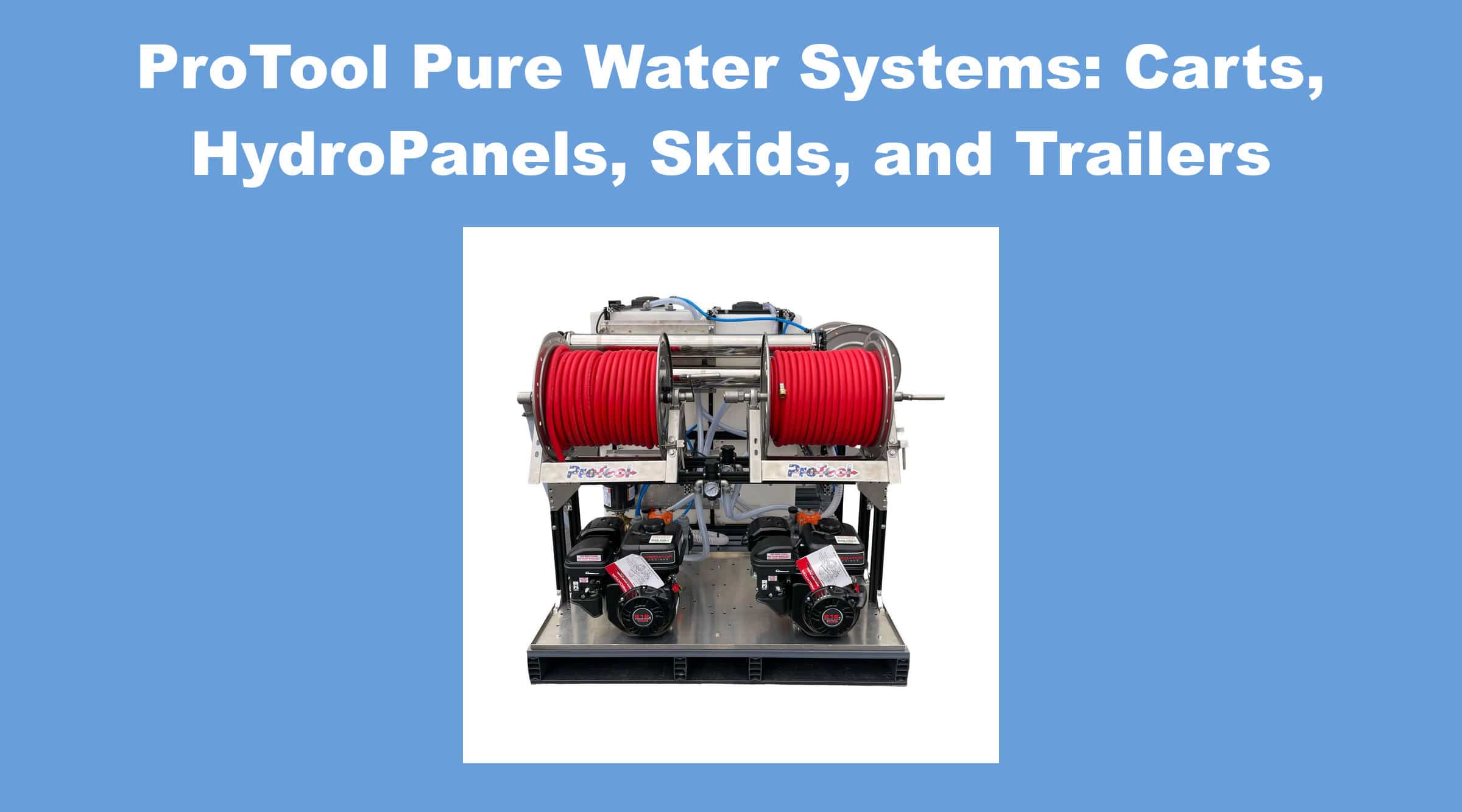
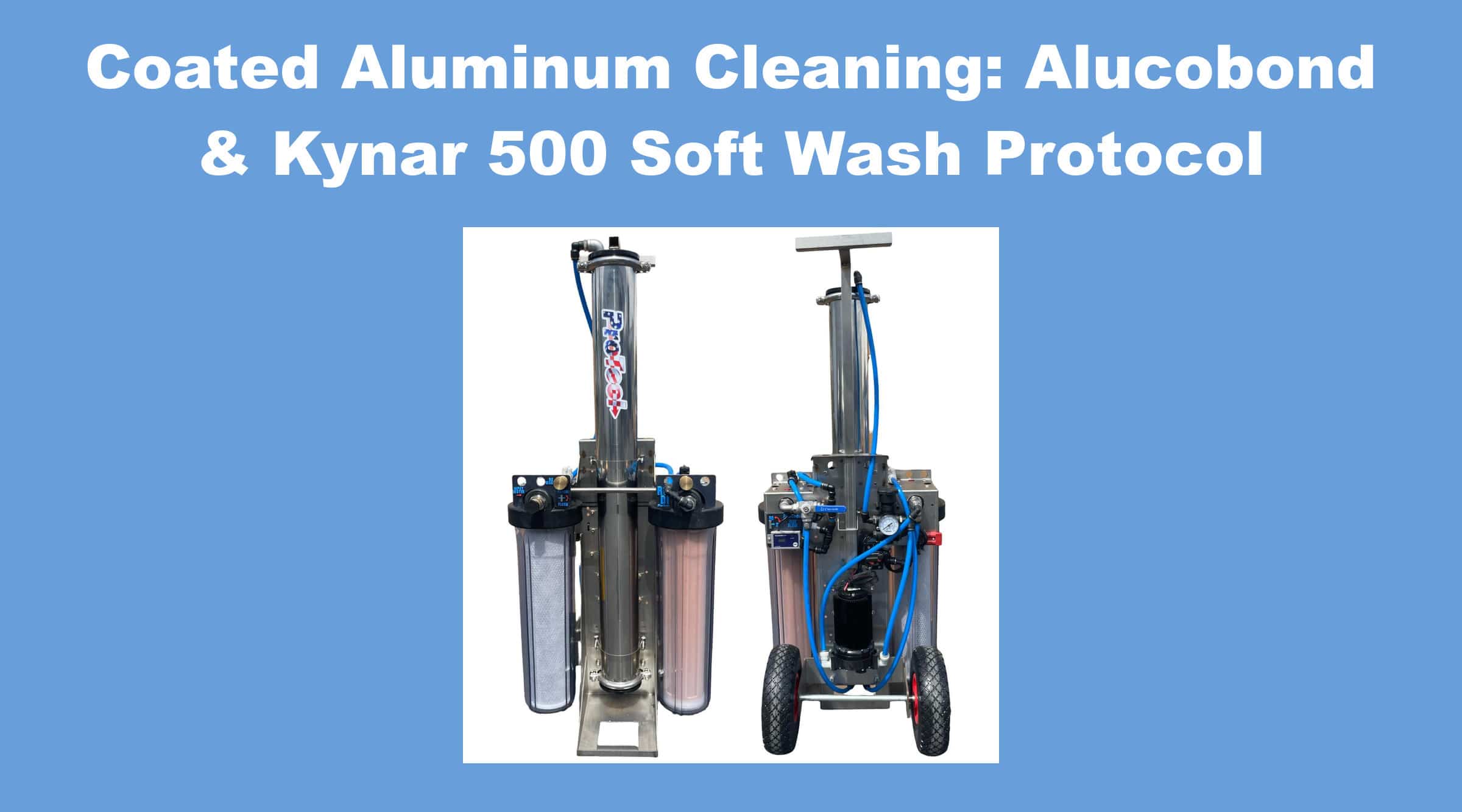
- Filtration backbone: A ProTool HiFlo Ultra Cart delivers continuous zero-TDS water for spotless drying on commercial-scale projects.
- Chemical delivery: Dedicated soft wash skids with diaphragm pumps keep application pressures controlled and repeatable.
- Reach and agitation: Hi-mod carbon fiber poles with nylon brushes give you the rigidity and gentle contact coated panels demand.
- Hose management: ProTool stainless steel reels keep lines organized on commercial sites where trip hazards and tight maintenance windows compress your schedule.
For crews running high-value facade contracts, pairing Purple Magic chemistry with the right delivery and rinse equipment turns a high-liability service into a repeatable, warranty-safe revenue stream. Browse soft wash skids, pure water carts, and water-fed poles to spec your rig.
Products Mentioned
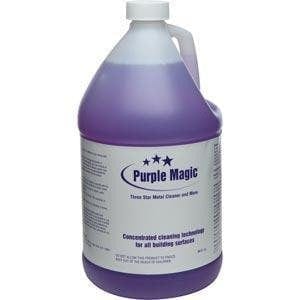 ProTool Purple Magic Gallon SKU: 89-21 | ProTool Purple Magic Gallon SKU: 89-21 | 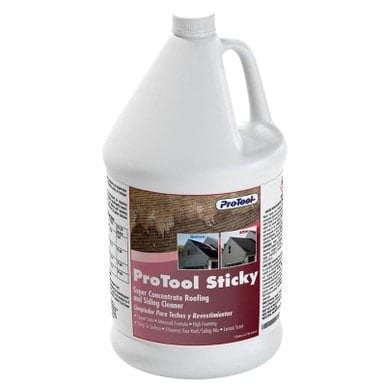 ProTool Sticky SKU: 83-07M |
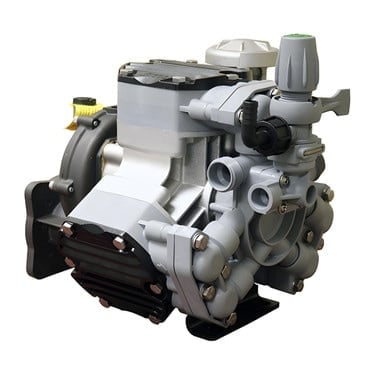 Comet P40 Diaphragm Pump w/ Regulator SKU: 150-0428 | 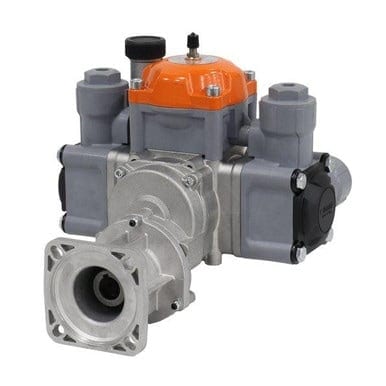 Comet BPX25 GR pump SKU: 150-0432 | 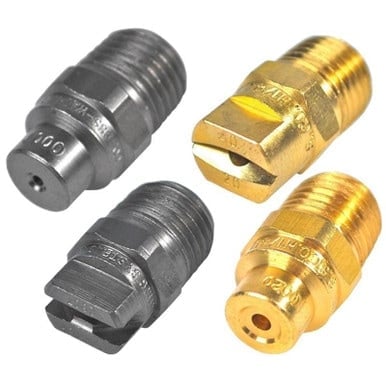 ProTool 40 Nozzle Tip SS 40 Degree 4040 1/4 npt Softwash SKU: 150-0M |
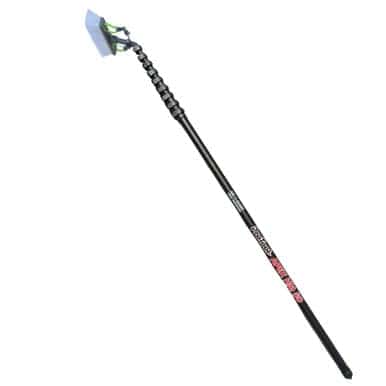 ProTool Apex Hi-Mod Carbon Fiber Pole SKU: 151-3502 | 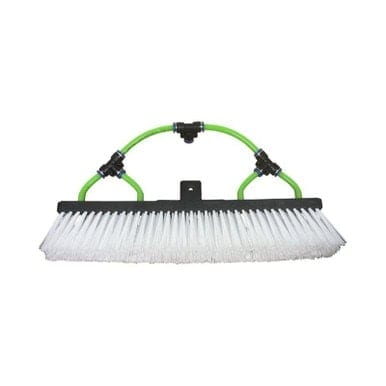 ProTool White Nylon Brush 14 in SKU: 151-20M | 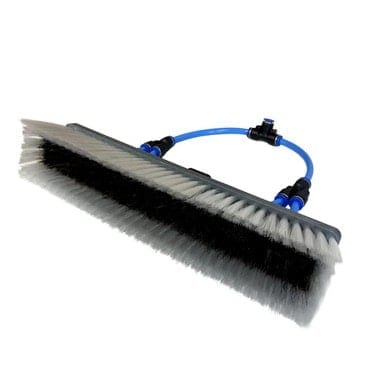 ProTool 4 Pencil-Jet Hybrid Brush 12in SKU: 151-211 |
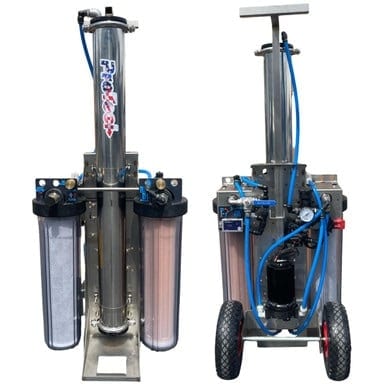 ProTool HiFlo Pure Water Ultra Cart SS 12V or 110V SKU: 150-0522 | ProTool Apex Hi-Mod Carbon Fiber Pole SKU: 151-3502 | ProTool White Nylon Brush 14 in SKU: 151-20M |