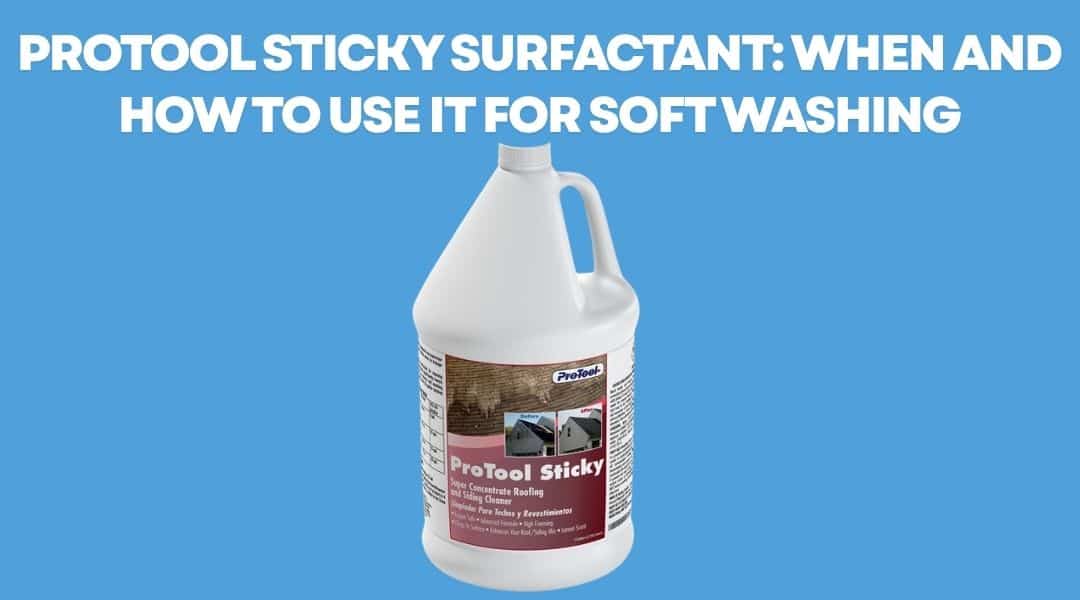
ProTool Sticky Surfactant: When and How to Use It for Soft Washing

Table of Contents
ProTool Sticky surfactant is one of the most common questions we get from contractors building out a soft wash rig for the first time. The confusion usually starts with the name — ProTool Sticky and ProTool Stick are different products with different purposes, and mixing them up leads to bad ratios and wasted chemical. This guide covers what Sticky actually does in a soft wash mix, when it earns its place in the workflow, and when a standard surfactant like ProTool Lemony is the better call.
What a Sticky Surfactant Does in a Soft Wash Mix
A surfactant reduces surface tension so your cleaning solution wets and spreads instead of beading up. That's it. The surfactant is not the cleaning agent — in most soft wash applications, sodium hypochlorite or another oxidizer does the actual killing and cleaning. The surfactant's job is distribution and contact.
A "sticky" surfactant like ProTool Sticky is formulated to increase cling on vertical and sloped surfaces. It influences how long the solution stays in contact before gravity wins. That matters on steep roofs, second-story siding, and stucco where a standard surfactant lets the mix sheet off before the SH has time to work.
The distinction worth remembering: cling is an application behavior, not a cleaning result. A wall coated in thick foam that missed half the soffit hasn't been cleaned — it's been decorated. Coverage, contact time, and proper SH concentration together produce the result. Sticky helps with one of those three.
How Sticky Surfactant Behaves on Different Surfaces
Three things to watch during application: coverage (where the solution landed), contact (whether it's staying put), and runoff (where it's moving). These are separate observations, and confusing them is where crews get sloppy.
Texture and orientation
Smooth vinyl siding lets solution sheet downward fast. Rough stucco or brick holds solution in its pores regardless of surfactant choice. A steep roof pitch accelerates runoff more than surface texture can resist. ProTool Sticky helps on vertical smooth surfaces — it won't turn a 12/12 pitch into a flat surface.
On horizontal or low-slope surfaces, the extra cling of a sticky formula often isn't necessary. A standard surfactant like ProTool Lemony distributes the solution, and gravity isn't fighting you. Using Sticky where you don't need it wastes product and can make rinsing harder.
Cling vs. dwell vs. cleaning
Cling is what you see. Dwell is how long the solution stays active on the surface. Cleaning is the outcome. They're related but not the same. A solution that clings visibly for five minutes but was mixed too weak accomplishes nothing. A properly concentrated mix that dwells for two minutes on a textured surface may clean perfectly.
Follow the product label for dwell guidance. Extending contact time beyond what the label calls for doesn't make the job "more clean" — it risks damage on sensitive substrates and burns through chemical faster.
Sticky vs. Standard Surfactant: Choosing by the Job
The decision between ProTool Sticky and a standard surfactant is a job-fit question, not a quality question.
When Sticky earns its place
- Vertical surfaces with fast runoff — second-story vinyl, smooth-faced commercial panels, painted block walls
- Steep roofs — where you need the mix to hold long enough for the SH to work before it runs into the gutter
- Targeted dwell on mixed-geometry facades — buildings with overhangs, soffits, and vertical runs where a standard surfactant lets the mix drain off upper sections too quickly
When a standard surfactant is the right call
- Flatwork and low-slope surfaces — driveways, patios, walkways where gravity isn't the enemy
- High-volume house washes on textured siding — rough surfaces hold solution naturally; Sticky adds cost without adding value
- Rinse-sensitive substrates — surfaces where extra cling makes thorough rinsing harder and risks streaking or residue
Don't transfer ratios between products. ProTool Sticky and ProTool Lemony have different dilution rates and different SH compatibility profiles. Check the current label for the product you're actually using.
Using ProTool Sticky in a Soft Wash Workflow
A repeatable workflow prevents the two most common surfactant mistakes: guessing at ratios and adjusting by foam appearance.
Pre-mix checklist
- Identify the surface and conditions. Material, orientation, texture, sun exposure. A south-facing stucco wall in July dries faster than a north-facing vinyl wall in October — that affects how much cling you actually need.
- Read the current label. Dilution ratios, SH compatibility, application method restrictions, PPE requirements. Labels change. The ratio that worked two years ago may not match the current formulation.
- Confirm equipment compatibility. ProTool Sticky runs through most soft wash pump systems without issue, but verify your injector draw rate and nozzle setup. A ProTool 5gpm 12V pump paired with a metering block gives you consistent chemical delivery.
- Mix to label spec. Measure. Don't eyeball. More surfactant doesn't mean more cleaning — it means more foam, harder rinsing, and wasted money.
- Apply and observe. Watch coverage patterns, not foam volume. Adjust spray angle and distance for even delivery.
- Rinse per label directions. Don't let the mix sit past the recommended dwell. Rinse thoroughly, especially on painted and coated surfaces.
Assessing results
Judge the job by the surface after rinsing, not the foam during application. If the surface is clean and undamaged, the surfactant did its job. If you're seeing streaks, residue, or incomplete cleaning, the problem is almost never "not enough surfactant" — it's coverage gaps, weak SH concentration, or insufficient dwell time.
Equipping a Soft Wash Rig for Sticky Surfactant Work
ProTool Sticky doesn't demand specialized equipment, but the right rig makes the workflow faster and more consistent.
- Pump: A Comet BPX25 or Comet P40 diaphragm pump handles the viscosity without issue. For skid-mounted setups, the BPX25 Soft Wash Skid gives you pump, tank, and reel in one package.
- Metering: A ProTool Metering Block lets you dial chemical ratios precisely instead of guessing at bucket pours.
- Delivery: Pair with a ProTool Wash Down Gun for controlled application. For roof work, a pole gun angle adaptor keeps you on the ground.
- Tips: Match your soft wash nozzle tips to the flow rate of your pump. Over-tipping wastes chemical; under-tipping starves coverage.
For complete skid and trailer builds that integrate chemical delivery, pure water, and soft wash capabilities, explore the ProTool Skids and Builds lineup.
Products Mentioned
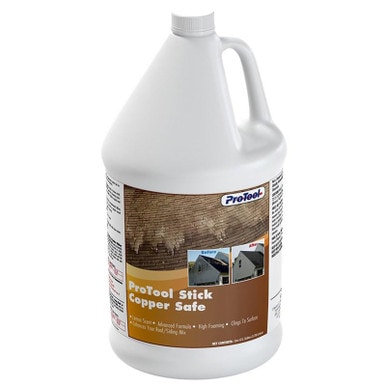 ProTool Stick SKU: 83-06M | 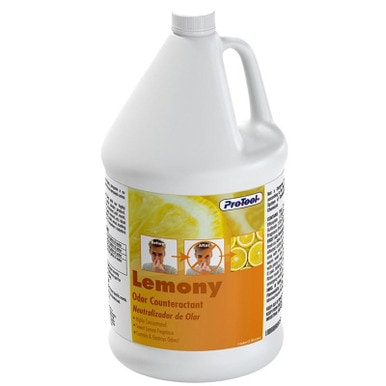 ProTool Lemony SKU: 83-05M | 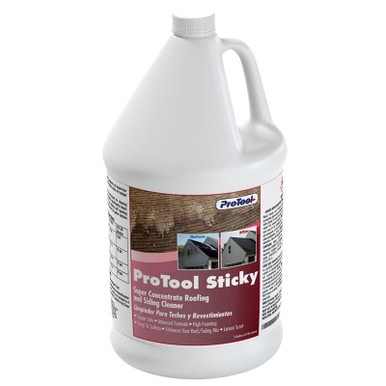 ProTool Sticky SKU: 83-07M |
ProTool Lemony SKU: 83-05M | 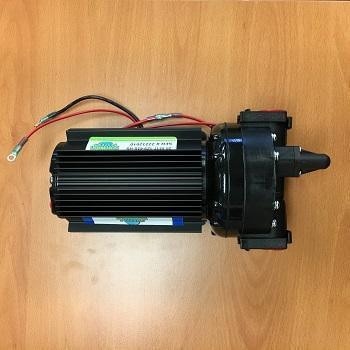 ProTool SoftWash System 5gpm PolyPro 12v Pump SKU: 150-0859 | 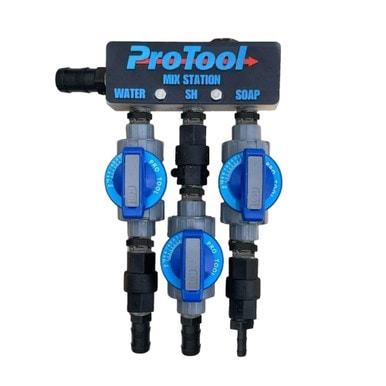 Soft Wash Metering Block SKU: 150-0454M |
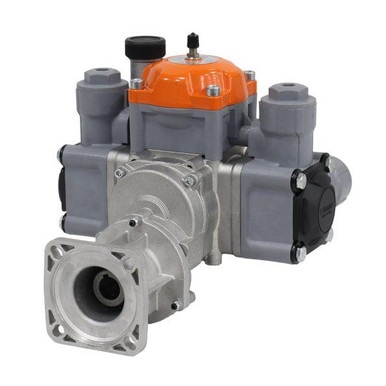 Comet BPX25 GR pump SKU: 150-0432 | 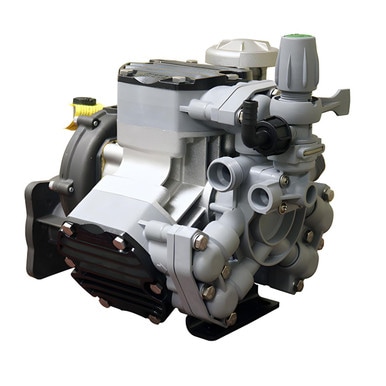 Comet P40 Diaphragm Pump w/ Regulator SKU: 150-0428 | 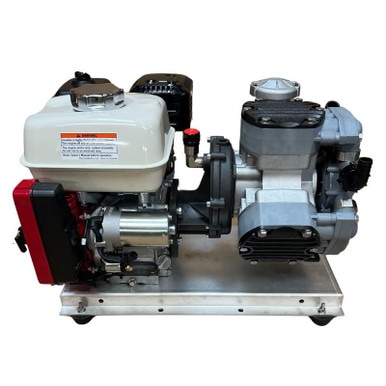 BPX25 - P40 Soft Wash Sprayer Skid SKU: 150-0432M |
Soft Wash Metering Block SKU: 150-0454M | 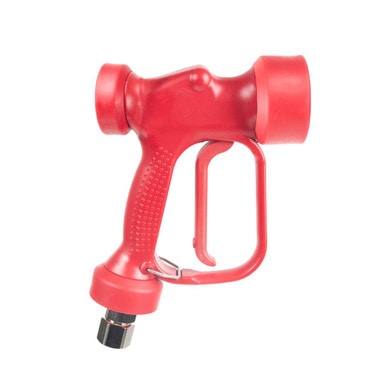 ProTool Wash Down Soft Wash Gun SKU: 74-5204 | 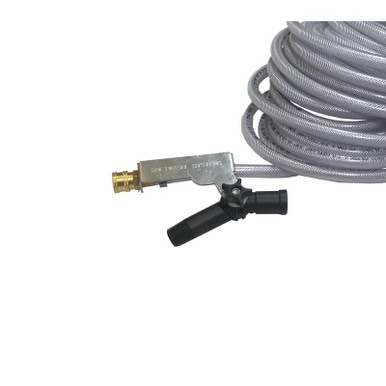 ProTool SoftWash Pole Gun Angle Adaptor SKU: 150-0951 |
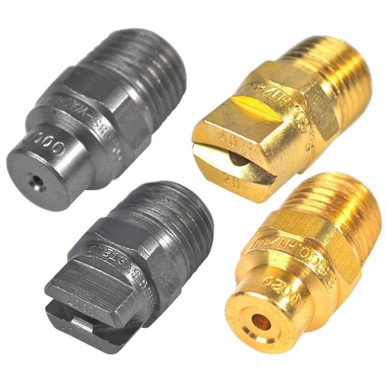 ProTool 40 Nozzle Tip SS 40 Degree 4040 1/4 npt Softwash SKU: 150-0M |