Roof Cleaning Chemicals Safe for Shingles: What Pros Actually Use
Table of Contents
One wrong chemical choice turns a profitable roof cleaning job into a callback. Damaged shingles, voided warranties, ruined landscaping — the risks are too high for guesswork. Choosing the right roof cleaning chemicals safe for shingles is the baseline for every soft wash contractor, not a competitive edge.
This guide covers the chemistry behind effective algae, moss, and lichen removal without compromising asphalt shingles. You'll learn how to diagnose stains accurately, select the right chemical for each situation, and apply it using the soft wash method that ARMA and major shingle manufacturers actually endorse.
Understanding Roof Stains: What You're Actually Cleaning
The dark streaks on asphalt shingles aren't dirt or mold. They're Gloeocapsa magma, a blue-green algae that feeds on the limestone filler in modern shingles. The black discoloration is a hardened UV-protective sheath the organism builds around itself. As it feeds, it dislodges ceramic granules — the shingle's primary defense against UV degradation.
Gloeocapsa Magma: The Black Streaks
Airborne spores spread this algae from roof to roof. Humid climates accelerate colonization. The cosmetic damage matters to homeowners, but the real problem is granule loss — it shortens roof lifespan and reduces reflective efficiency, which drives up cooling costs.
Moss and Lichen: Structural Threats
Algae stains shingles. Moss and lichen physically destroy them.
- Moss develops rhizoids — shallow root-like structures that pry under shingle edges. Lifted shingles invite wind damage and moisture penetration into the roof deck.
- Lichen is a composite of algae and fungus that etches directly into the shingle surface, creating pits and stripping granules far more aggressively than algae alone.
High-pressure washing strips more granules than the growth itself. That's why ARMA only endorses low-pressure chemical application — the soft wash method. The chemical kills the organism at the root. Pressure just removes granules.
The Pro's Chemical Toolkit: Primary Cleaning Agents
Household cleaners — vinegar, dish soap, off-the-shelf sprays — don't belong on a professional roof. They lack the biocidal strength to kill Gloeocapsa magma at the root and often leave residues that attract more organic growth. Here's what actually works.
Sodium Hypochlorite (SH): The Industry Standard
ARMA specifically recommends a bleach-and-water solution for algae removal. Sodium hypochlorite at 12.5% concentration is the starting stock for most pros. For roof work, you're mixing down to 3–6% at the shingle surface — strong enough to kill algae, moss, and lichen on contact, weak enough to leave the shingle intact.
- Strengths: Fast-acting, cost-effective, widely available in bulk. Kills on contact at proper dilution.
- Limitations: Requires full PPE, damages unprotected landscaping and bare metals, demands careful runoff control.
Sodium Percarbonate: The Oxygen-Based Alternative
Sodium percarbonate releases hydrogen peroxide and soda ash when dissolved. It cleans through oxidation rather than chlorination. It's the go-to for clients who refuse SH near sensitive landscaping or on properties with extensive gardens directly below the drip line.
- Strengths: Gentler on metals and vegetation, color-safe on adjacent surfaces, biodegradable.
- Limitations: Slower kill rate, longer dwell times, less effective on heavy lichen or thick moss mats.
Pre-Blended Roof Wash Formulas
Proprietary blends from soft wash chemical lines combine SH with surfactants, buffers, and stabilizers in a single product. They eliminate field-mixing variables and deliver consistent results. If you're running multiple crews or training new techs, the consistency alone justifies the premium over raw SH batching.
How Surfactants Change the Job
SH kills the growth. The surfactant is what makes the SH work efficiently on a roof. Without it, your mix sheets off a pitched surface before the active ingredient finishes the job.
What a Surfactant Actually Does
A surfactant — "surface active agent" — reduces the surface tension of your mix so it spreads evenly instead of beading. On a roof, that translates to:
- Longer dwell time: The mix clings to the slope instead of running into the gutter in seconds.
- Uniform coverage: No missed spots, no streaking, no callbacks.
- Lower SH concentration needed: Better contact time means you can run a weaker mix and still get a full kill. That's safer for shingles, landscaping, and your crew.
Products like ProTool Sticky and ProTool Stick are purpose-built for soft wash work — bleach-stable, high-foaming, and designed to extend dwell time on vertical and pitched surfaces. Green Wash is another option when you want a biodegradable surfactant for environmentally sensitive sites.
Masking Scents and Neutralizers
SH smells. Clients notice. Rain Fresh masks the bleach odor during application. More importantly, ProTool Post Rinse neutralizes residual SH on landscaping, siding, and gutters during your final rinse pass. Skipping neutralization is how you kill a client's boxwoods and lose the account.
Safe Application: The Soft Wash Protocol
The right chemical in the wrong hands still causes damage. Soft washing is a method, not just a marketing term — low-pressure chemical application at 40–80 PSI using a dedicated pump system. Here's the workflow.
Step 1: Site Prep
Before you mix a drop:
- Pre-soak landscaping. Saturate all grass, shrubs, and beds. For high-value plantings, cover with lightweight tarps.
- Bag downspouts. Capture chemical runoff before it hits root zones or storm drains.
- Check wind. Overspray onto vehicles, windows, or neighboring properties is a liability you control before you pull the trigger.
Step 2: Mix and Apply
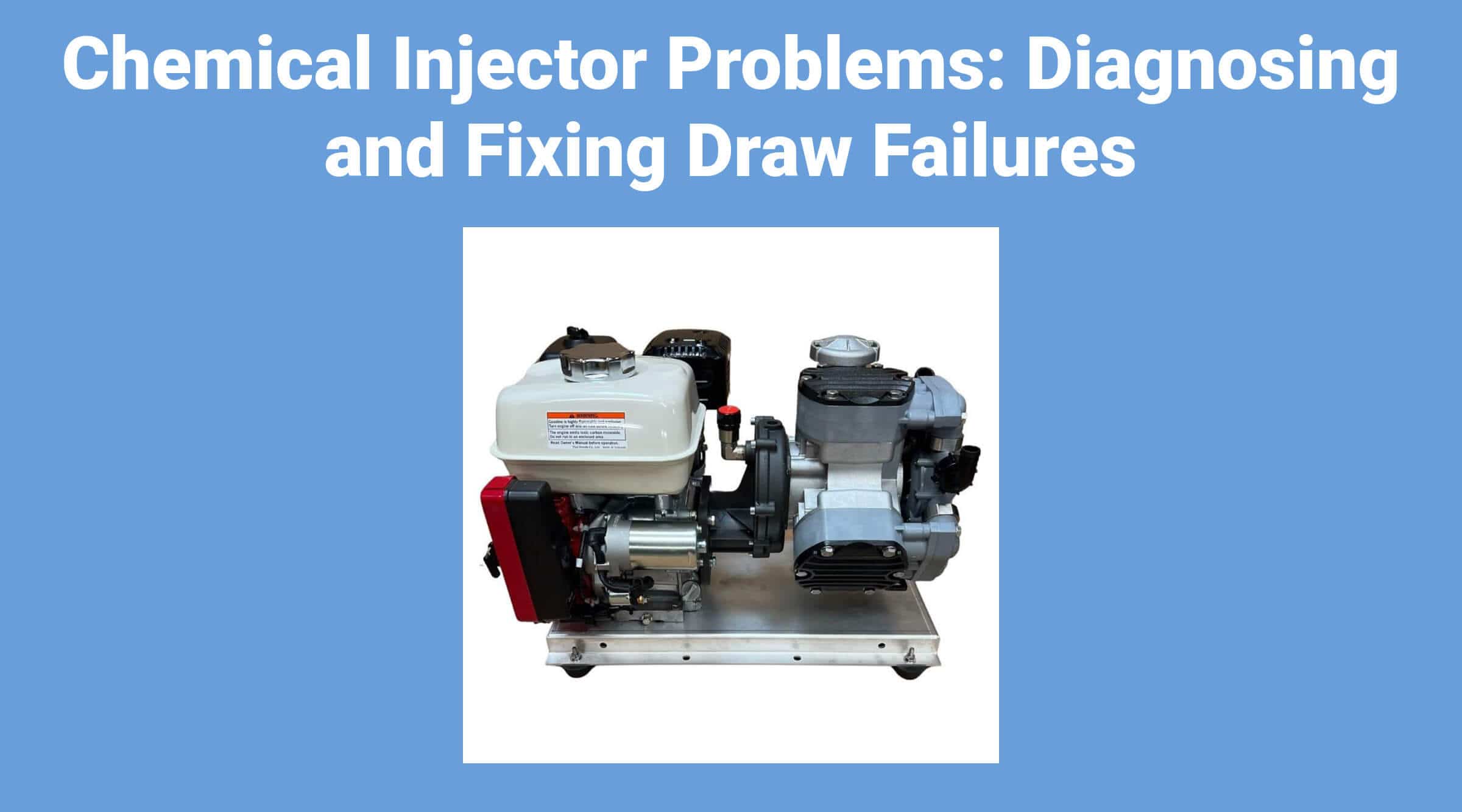
Full PPE — respirator, chemical-resistant gloves, face protection. Use a dedicated soft wash pump system (12V diaphragm or gas-powered diaphragm like the Comet P40 or Comet BPX25) to deliver the mix at low pressure. Apply bottom-to-top to prevent clean streaks and ensure even saturation.
A complete soft wash sprayer skid with metering manifold, tank, and hose reel eliminates field assembly and keeps your mix ratios consistent job to job.
Step 3: Dwell and Rinse
Let the mix sit 10–20 minutes. Never let it dry on the surface. Once the stains lift, rinse top-to-bottom at low pressure. Finish with a generous neutralizing rinse on all landscaping, siding, gutters, and windows.
Chemicals That Destroy Shingles
Knowing what to avoid matters as much as knowing what to use.
Acids and Solvents
Asphalt shingles are petroleum and limestone. Muriatic acid etches the surface and chemically desiccates the asphalt. Strong citrus-based degreasers do the same thing more slowly. Aggressive solvents dissolve the petroleum binders holding the shingle together. The result is brittle, cracked shingles that fail years early.
Abrasive Powders and Scrubbing
Wire brushes, scouring pads, abrasive powders — all strip ceramic granules. Granule loss is the number-one cause of premature roof failure because it exposes the asphalt mat to direct UV degradation. Let the chemistry do the work.
Unlabeled or Homemade Mixes
If you can't produce an SDS for what's in your tank, you have no business spraying it on a client's roof. Unknown chemical interactions with roofing materials, metals, and vegetation create unquantifiable liability. Stick to professional-grade chemicals with documented formulations and clear dilution instructions.
Building Your Roof Cleaning Chemical Kit
Professional roof cleaning comes down to two things: the right chemistry and the right delivery. A properly proportioned SH mix boosted with a quality surfactant is the ARMA-endorsed standard. The soft wash method is the only application technique that kills growth without destroying the shingle.
For roof cleaning chemicals safe for shingles, the core kit looks like this:
- Sodium Hypochlorite 12.5% — your primary biocide
- ProTool Sticky or ProTool Stick — bleach-stable surfactant for dwell time
- ProTool Post Rinse — neutralizer for landscaping and surfaces
- Rain Fresh — odor masking for client comfort
- A dedicated soft wash pump and delivery system
J.Racenstein stocks the full chemical and equipment lineup for professional roof cleaning — from bulk SH to complete soft wash skids. If you're building out a roof cleaning operation or upgrading your current setup, browse the complete soft wash category to spec the right system for your volume.
Products Mentioned
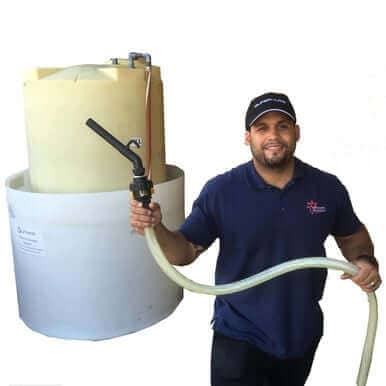 Sodium Hypochlorite (SH) 12.5 per gallon (NJ Warehouse only) SKU: 83-00 | 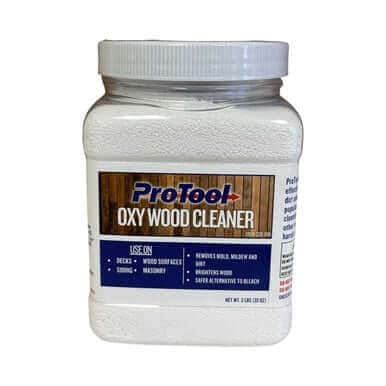 Protool Oxy Wood Cleaner SKU: 320-001 | 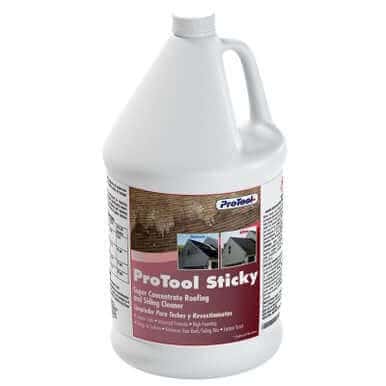 ProTool Sticky SKU: 83-07M |
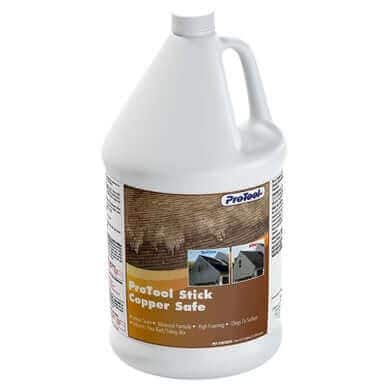 ProTool Stick SKU: 83-06M | 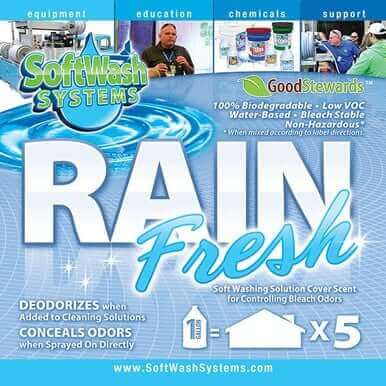 Rain Fresh Gallon SKU: 83-695 | 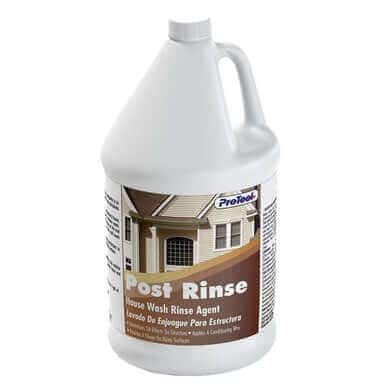 ProTool Post Rinse SKU: 83-03M |
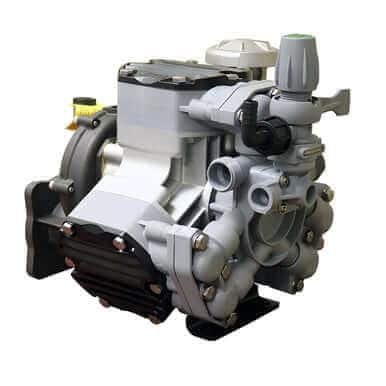 Comet P40 Diaphragm Pump SKU: 150-0428 | 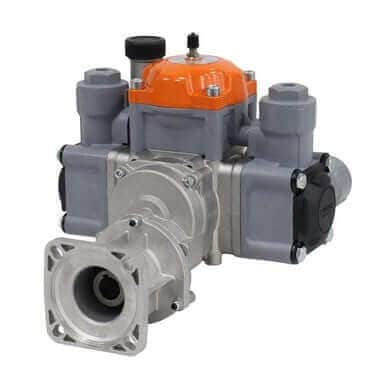 Comet BPX25 GR pump SKU: 150-0432 | 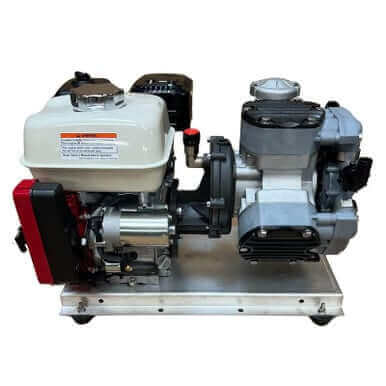 BPX25 - P40 Soft Wash Sprayer Skid SKU: 150-0432M |