Rope Descent Safety Line: Selection, Compatibility, and Inspection Guide
Table of Contents
A rope descent safety line is one component in a system where every piece has to work with every other piece. The rope's diameter and material don't confirm it's appropriate for your descender, your anchorage, or your backup arrangement. Selection starts with the complete system — not the rope spec sheet.
This guide covers how a descent line fits into the broader equipment arrangement, what compatibility actually means at the component level, and how to structure a pre-use inspection checklist. It is not a substitute for manufacturer documentation or a qualified safety assessment — it's a framework for asking the right questions before you commit to a line.
What a Rope Descent Safety Line Actually Does
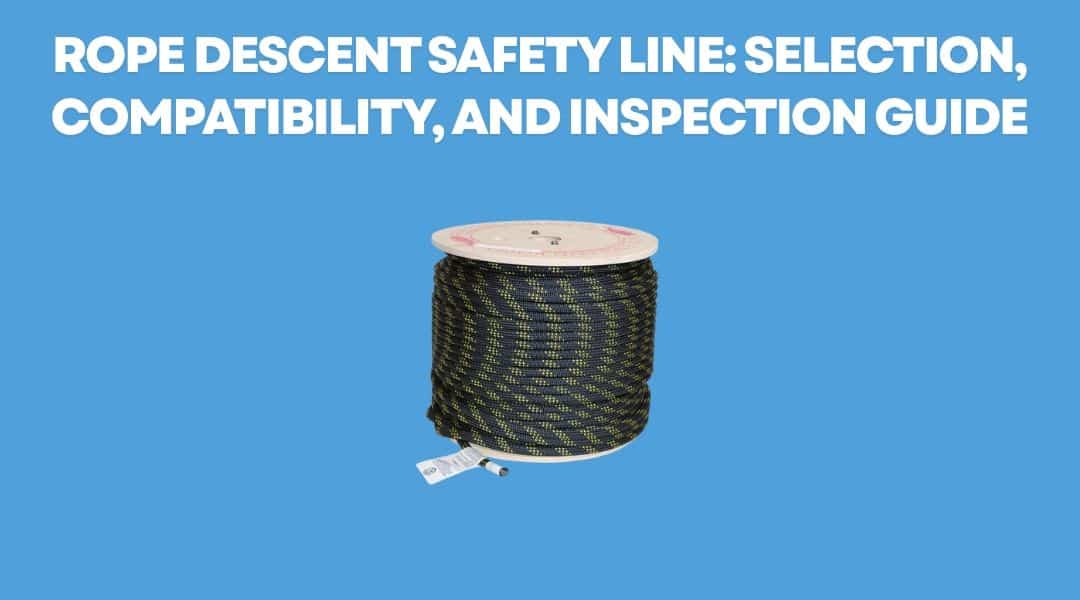
A rope descent safety line is one element in a coordinated system that supports a worker at height. By itself, the rope provides nothing — it requires an anchor, connectors, a descender, a harness, and typically a separate backup fall-arrest system to function as intended.
Working Line vs. Backup Line
The working line supports controlled descent through a descender. A separate backup line provides independent fall protection if the working system fails. These are distinct functions — not interchangeable labels you can swap based on what rope is available. Confirm the intended function of each line in your system plan and cross-reference against each component's manufacturer instructions.
Component Compatibility Is a System-Level Question
Visual resemblance between components proves nothing. Two ropes of the same diameter and material can have different construction, different rated loads, and different device approvals. Before selecting a line, verify documented compatibility with every connected component:
- Anchor: Confirm the attachment point is rated and appropriate for the planned system.
- Connectors: Verify each carabiner or connector matches the components it joins.
- Descender: Check that the descender's instructions explicitly identify the line type as compatible — not just a matching diameter.
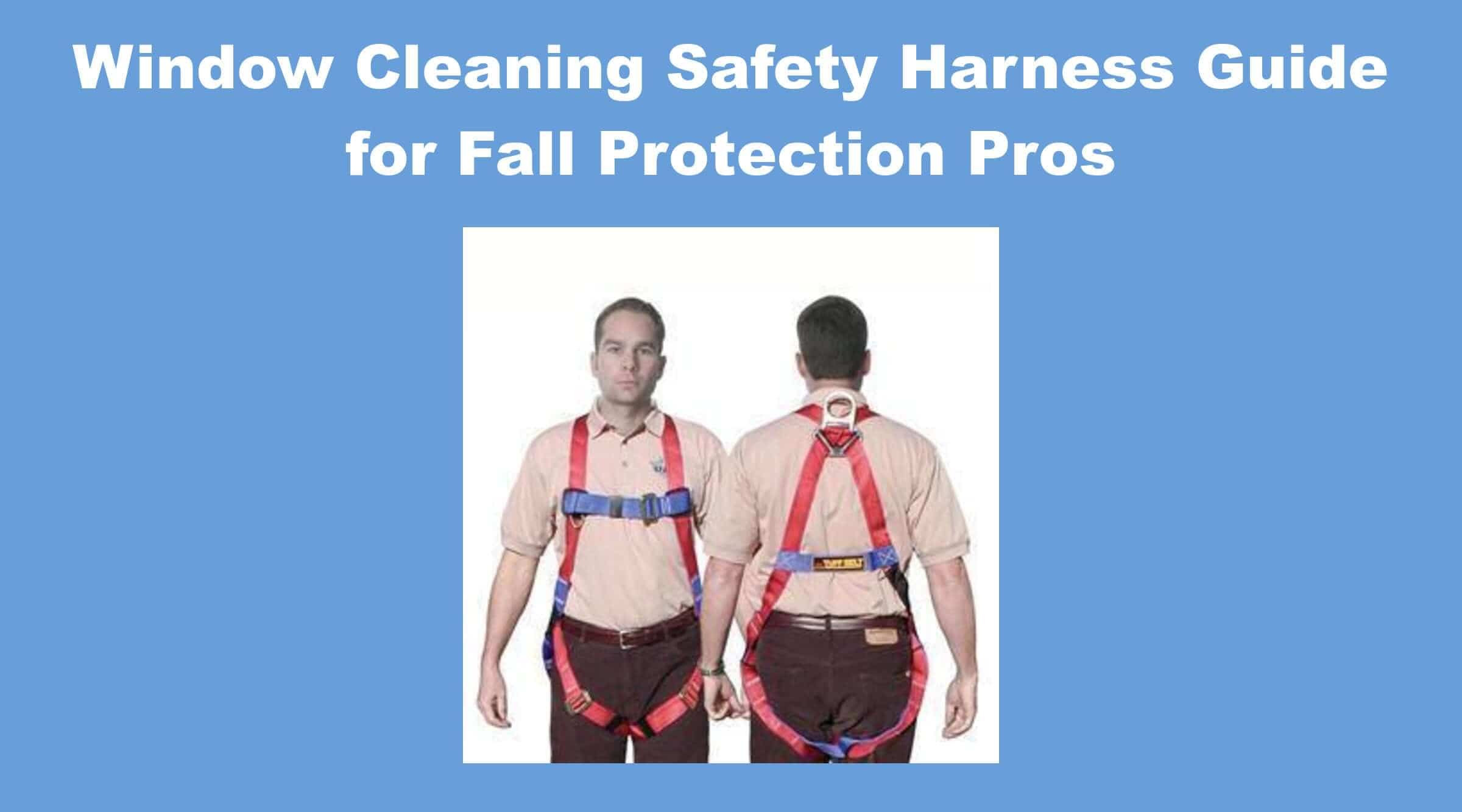
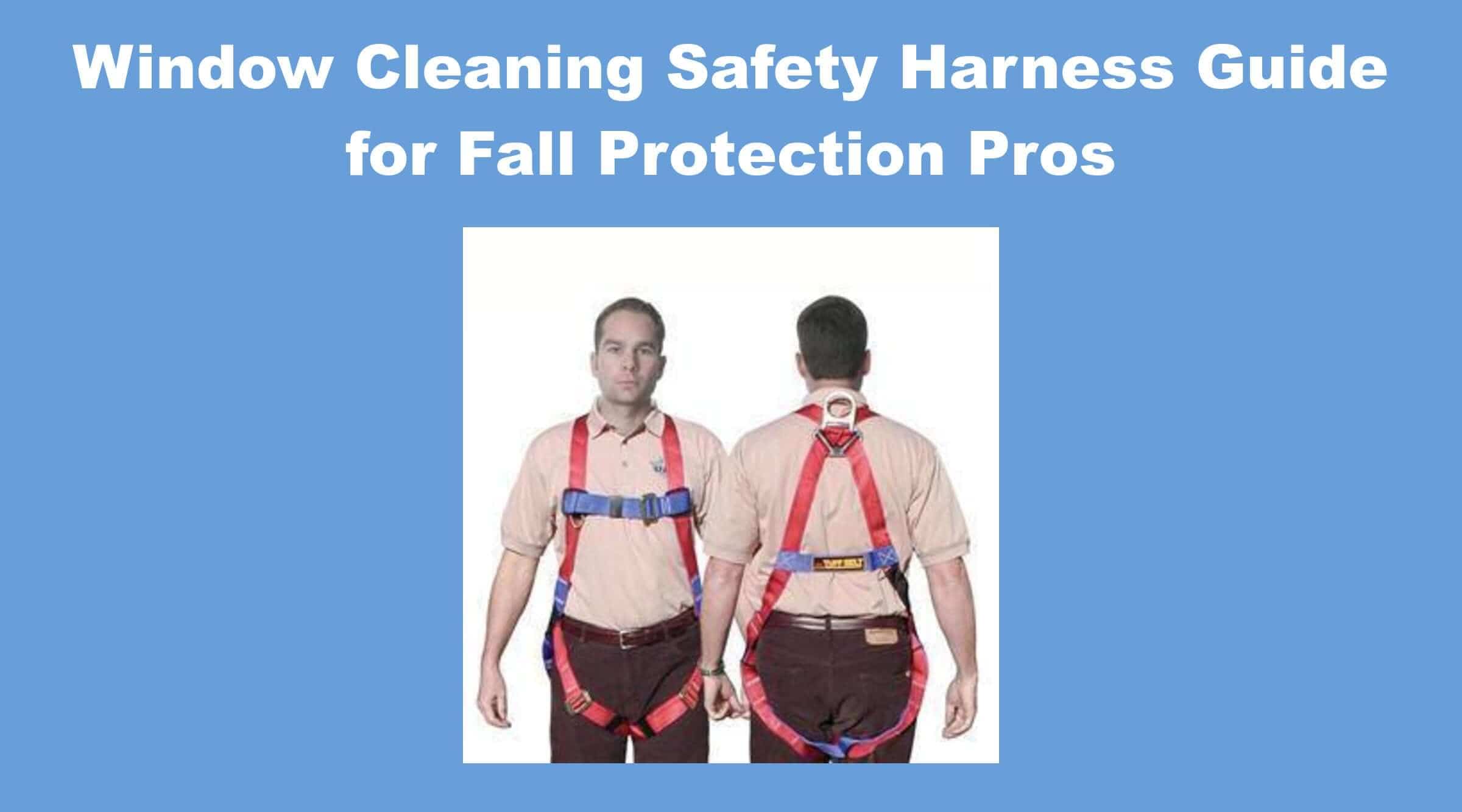
- Harness and backup components: Confirm intended functions within the complete arrangement, including any independent rope grab or fall-arrest system.
If guidance for any component is missing, unclear, or contradictory, stop the selection process. Contact the manufacturer or a qualified safety professional before proceeding.
How the Line Fits Into a Complete Work System
For rope descent systems covered by OSHA's 29 CFR 1910.27, employees must also use a separate, independent personal fall-arrest system. That regulatory requirement exists precisely because a working line alone is not a complete protection arrangement. Confirm whether this standard applies to your planned work before finalizing any equipment selection.
Compatibility is verified through documentation, not inference. A line may match a component's general description and still lack documented approval for that specific device. Review the instructions and limitations for every connected component — the line, descender, connectors, harness, anchorage equipment, and backup system.
- Identify each component: Confirm manufacturer, model, intended role, and current instructions.
- Check restrictions: Look for stated limits on use and compatibility with other equipment.
- Escalate uncertainty: Have unidentified, modified, damaged, or mixed components reviewed by the manufacturer or a qualified safety professional.
If instructions conflict or don't address a proposed connection, don't fill the gap with an assumption.
Why Site Conditions Change the Equation
The line's route, edge exposure, environmental conditions, and access constraints all affect system suitability in ways that a product description cannot address. A site-specific assessment by qualified personnel — not a catalog listing — determines whether the complete arrangement is appropriate for the actual work.
Selection Factors: What to Verify and When to Stop
| Factor | What to Verify | When to Pause |
|---|---|---|
| Intended use | Manufacturer identifies the line for the role and application being considered. | The intended role or application isn't documented. |
| Documented compatibility | Instructions confirm compatibility with specific connected components. | Compatibility is assumed from appearance, size, or general category. |
| Condition | Line assessed using identification and manufacturer inspection criteria. | Condition, identity, or service history is uncertain or damage is suspected. |
| Manufacturer guidance | Instructions, limitations, and inspection guidance reviewed for the exact product. | Information is missing, unclear, or inconsistent with the planned use. |
Building a Selection Checklist
Record the product identification and locate current manufacturer instructions. Confirm intended use, documented compatibility with connected equipment, inspection criteria, and technical limits for the planned application. A rope described as "braided nylon, 1/2-inch diameter" — those are identifiers, not proof of suitability. Verify relevant limits directly against documentation for the exact product.
Comparing Equipment Options
Compare each option against the same task and system requirements. Separate manufacturer-documented statements from informal recommendations. If one option has clear compatibility documentation and another does not, that difference matters — but it doesn't by itself determine suitability. The complete work system must be assessed by qualified personnel.
- Fit for the task: Is the intended application documented?
- System compatibility: Are the connected components addressed in the instructions?
- Inspection: Are identification and condition assessable using documented criteria?
- Support: Can the manufacturer clarify unclear limits?
Pre-Use Inspection and Work Planning Checklist
Before a rope descent safety line is considered for work, confirm that its identity, condition, intended use, and inspection status can be established from reliable documentation. This is a planning checklist — not a rope-access procedure or substitute for training.
What the Pre-Use Review Must Establish
Start with traceable equipment information. A clean appearance or familiar feel is not evidence that equipment is serviceable.
- Identification: Can the equipment be matched to its manufacturer information and intended role?
- Documentation: Are instructions and inspection criteria for the exact items accessible?
- Condition: Can the equipment be assessed using those criteria — without guessing?
- Uncertainty: Is anything unidentified, damaged, modified, or of unclear inspection status?
If any of these cannot be confirmed, remove the equipment from consideration until the manufacturer or a qualified safety professional reviews it. Never improvise a repair or decide uncertain equipment is acceptable based on appearance.
Regulatory and Site Requirements
Requirements depend on the work and location. Before planning, identify which federal, state, local, and site-specific requirements apply, then verify them against current authoritative sources. References to OSHA requirements or ANSI/ASSP standards should be checked for current wording, scope, and applicability.
A competent safety professional familiar with the task should assess the work method, equipment arrangement, access constraints, and site conditions. If instructions conflict, a component's history is unknown, or the site assessment raises unanswered questions — escalate before proceeding.
Choosing Equipment and Working With Your Supplier
Follow a defined order: describe the task, assess the complete work system, verify component compatibility, confirm applicable requirements. This prevents a rope descent safety line from being chosen on a product description alone.
J.Racenstein carries professional fall protection equipment including ropes from Teufelberger, Pelican, and Rockford, descenders, rope grabs, harnesses, and carabiners. A supplier helps you locate equipment information and manufacturer documentation — but selection still depends on the specific application, documented compatibility, and a qualified safety review.
Questions to Bring to Your Supplier
- Is this line documented for the planned application and the components it will connect to?
- Can you provide the manufacturer's instructions, specifications, limitations, and inspection criteria for the exact product?
- Is this product currently available, or am I looking at an outdated listing?
A useful supplier conversation clarifies what documentation exists and what remains unresolved. It does not replace manufacturer guidance or a qualified system assessment.
When to Seek Expert Review
Consult the manufacturer or a qualified safety professional if the work method, anchorage, component compatibility, or equipment inspection status is unclear. Rope descent work requires formal training and a site-specific assessment by personnel familiar with the task.
- Define the task: Identify work method and site conditions affecting equipment selection.
- Assess the system: Review the complete arrangement, including the line's intended role.
- Verify compatibility: Match connected components to manufacturer documentation.
- Confirm requirements: Check applicable requirements with current authoritative sources and qualified personnel.