Solar Panel Cleaning Brush: Tips, Maintenance & Safe Cleaning

Table of Contents
- Solar Panel Cleaning Brush: Tips, Maintenance & Safe Cleaning
- Why Solar Cleaning Brush Maintenance Matters
- Inspect Your Solar Panel Cleaning Brush Before Every Job
- Never Set the Brush Down on the Bristles
- Store Your Solar Panel Cleaning Brush Properly
- Clean Your Solar Panel Cleaning Brush After Every Job
- Pre-Wet Dirty Panels Before Brushing
- Pre-Wet the Brush Before Cleaning
- More Water—Not More Pressure
- Let the Brush Do the Work
- Replace Worn Brush Rollers
- Additional Professional Best Practices
- Professional Equipment Deserves Professional Care
- FAQs
Solar Panel Cleaning Brush: Tips, Maintenance & Safe Cleaning
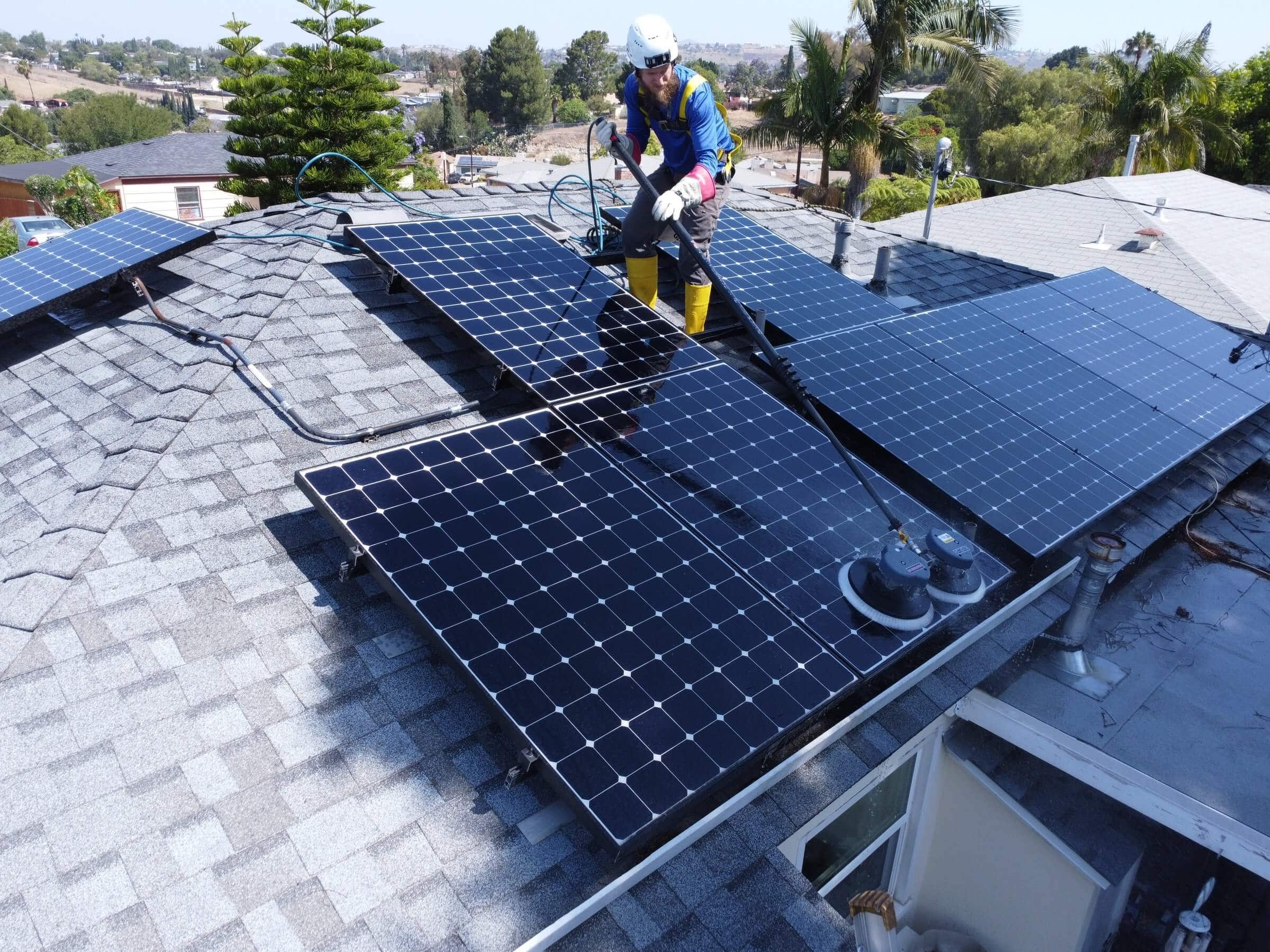
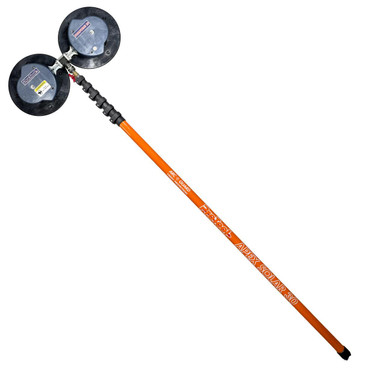
A professional solar panel cleaning brush is one of the safest and most effective tools for cleaning commercial and residential solar arrays. The ProTool DualForce 25 is a dual counter rotating solar brush engineered with soft, counter-rotating bristles that remove dirt efficiently while helping operators clean solar panels safely with minimal effort.
Like any professional cleaning equipment, however, the performance of a solar panel cleaning brush depends on proper care and handling. The brush itself is designed to clean safely, but contaminants introduced through improper storage, transportation, or maintenance can increase the risk of scratching a panel.
Fortunately, preventing these issues is simple. By following a few professional solar panel cleaning tips, you can help protect your customers' solar investment while extending the life and performance of your equipment.
Why Solar Cleaning Brush Maintenance Matters
Professional solar cleaning brush maintenance isn't just about extending brush life—it's about protecting every panel you clean.
A quality solar panel cleaning brush is engineered with soft bristles specifically designed for solar panel cleaning. The greater concern isn't the brush itself, but what may become trapped inside it.
Small contaminants such as:
Sand
Roofing granules
Small pebbles
Gravel
Metal shavings
Twigs
Hardened debris
can become lodged between the bristles during transportation, storage, or cleaning.
If these particles aren't removed before the next job, they can be transferred onto the panel surface. A simple inspection before each use dramatically reduces this possibility.
Inspect Your Solar Panel Cleaning Brush Before Every Job
Before cleaning begins, inspect your solar panel cleaning brush carefully.
Look for:
Small rocks
Roofing granules
Dirt buildup
Wire fragments
Hardened debris
Damaged or bent bristles
Don't rely on a visual inspection alone. Run your hand gently through the bristles to feel for anything hidden deeper inside the brush.
This quick habit takes less than a minute and helps ensure you're starting every job with clean equipment.
Never Set the Brush Down on the Bristles
One of the easiest ways contaminants find their way into a solar panel cleaning brush is while the equipment isn't even being used.
Avoid placing the brush directly on:
Gravel
Asphalt
Concrete
Dirt
Parking lots
Shingle roofs
Even surfaces that appear clean can contain tiny abrasive particles that become trapped in the bristles.
Instead, always rest the brush on its gray housing, allowing the bristles to remain suspended off the ground.
This simple habit helps keep contaminants away from the cleaning surface before they ever reach a solar panel.
Store Your Solar Panel Cleaning Brush Properly
Proper storage is one of the simplest ways to protect your equipment.
Never store your solar panel cleaning brush face down on its bristles.
Doing so can:
Allow contaminants to collect in the brush.
Cause unnecessary fatigue or deformation of the bristles.
Reduce cleaning performance.
Shorten overall brush life.
Instead, store the brush upside down on its gray housing so the bristles remain protected and unloaded.
Whenever possible, keep the brush inside a dedicated storage box or enclosed compartment to prevent dirt, dust, or loose hardware from becoming embedded in the bristles during transportation.
Clean Your Solar Panel Cleaning Brush After Every Job
Every cleaning job leaves behind some amount of dirt and debris.
After each use:
Thoroughly rinse the solar panel cleaning brush with clean water.
Flush contaminants from deep within the bristles.
Allow excess water to drain before storage.
Periodically perform a more thorough cleaning by working clean water through the entire brush to remove fine particles that may remain trapped between the fibers.
A clean brush performs better, lasts longer, and helps protect every panel it touches.
Pre-Wet Dirty Panels Before Brushing
Heavy dust, pollen, construction debris, or loose dirt should be rinsed away before the brush contacts the glass.
A quick pre-rinse helps:
Remove loose abrasive particles.
Reduce friction.
Improve brush glide.
Increase cleaning efficiency.
Think of your solar panel cleaning brush as the finishing tool—not the first tool used to remove heavy loose debris.
Pre-Wet the Brush Before Cleaning
Before placing the brush on the first panel, allow clean water to flow through the bristles.
Pre-wetting helps:
Improve lubrication.
Begin flushing contaminants immediately.
Prevent dry dust from accumulating inside the brush.
Produce smoother movement across the glass.
While water begins flowing as soon as cleaning starts, beginning with wet bristles is a simple professional habit that can help maintain consistent cleaning performance.
More Water—Not More Pressure
One of the biggest misconceptions in solar panel cleaning is that more pressure produces better results.
In reality, more water is far more beneficial than more pressure.
The ProTool DualForce 25 is designed so the rotating brushes provide the scrubbing action while pure water continuously washes dirt and contaminants away from both the panel and the brush.
Increasing pressure generally increases brush speed—but it can also reduce the amount of water reaching the brush. More energy is used to drive the rotation, leaving less water available to flush away abrasive particles.
A higher water-to-spin ratio offers several advantages:
Continuously washes dirt away from the panel.
Flushes contaminants from between the bristles.
Improves lubrication between the brush and glass.
Reduces the chance of debris remaining trapped in the brush.
Produces a cleaner, spot-free finish during pure water solar cleaning.
For the safest results, prioritize water flow over pressure. More water helps protect both the panel and the brush while delivering better overall cleaning performance.
Let the Brush Do the Work
A professional rotating solar panel cleaning brush is designed to provide the scrubbing force for you.
Avoid applying excessive downward pressure.
More force doesn't necessarily improve cleaning.
Instead, it can:
Increase operator fatigue.
Place unnecessary wear on the brush.
Reduce cleaning efficiency.
Increase resistance while moving across the panel.
Allow the counter-rotating brushes and continuous water flow to perform the work while you guide the brush smoothly across the surface.
Replace Worn Brush Rollers
Brush rollers are normal wear items and should be inspected regularly.
Replace them if you notice:
Flattened bristles.
Uneven wear.
Bent or damaged fibers.
Reduced cleaning performance.
Fresh brush rollers maintain even contact across the panel and provide more consistent results.
Additional Professional Best Practices
Professional operators also recommend a few additional habits:
Never drag the brush across the ground when moving between arrays.
Rinse the brush after cleaning coastal installations to remove salt deposits.
Flush the water system before beginning work if the equipment has been stored for an extended period.
Keep hose fittings and quick connects clean so contaminants aren't introduced into the brush.
Avoid storing the brush near grinding, cutting, or welding operations where fine metal particles can become embedded in the bristles.
Store the brush out of direct sunlight whenever possible to maximize bristle life.
Replace damaged components promptly rather than continuing to clean with worn equipment.
Professional Equipment Deserves Professional Care
The ProTool DualForce 25 is engineered to help professionals prevent scratches on solar panels by combining soft counter-rotating bristles with continuous water flow. Like any professional tool, however, achieving the best results depends on proper care and handling.
By inspecting your solar panel cleaning brush before every job, cleaning the bristles after use, storing the brush correctly, and prioritizing water volume over excessive pressure, you'll protect both your equipment and your customers' solar investment.
A clean, properly maintained solar panel cleaning brush delivers better performance, lasts longer, and helps produce safer, more consistent results on every job.
Shop the brush:
https://jracenstein.com/protool-dualforce-25-solar-brush/
Important Disclaimer: Always perform a test clean on a small, inconspicuous area before cleaning the entire solar array. Some solar panels feature specialized surface coatings that may be susceptible to swirl marks or other cosmetic changes when cleaned with rotary and counter rotating brushes. Testing first helps verify compatibility and ensures the desired cleaning results.
Proper brush maintenance and safe solar panel cleaning procedures are essential for optimal performance and to help prevent damage. Always follow the maintenance instructions and safe cleaning practices outlined in our blog and product documentation. ProTool and J. Racenstein are not responsible for damage, including swirl marks or other cosmetic issues, resulting from failure to perform a test clean, failure to properly maintain the equipment, failure to follow our recommended maintenance and cleaning procedures, or use on incompatible solar panel coatings.
ProTool DualForce 25 Solar Brush
$2,890.00
ProTool DualForce 25 Solar Brush Counter-Rotating Power. Better Balance. Faster Solar Cleaning. The ProTool DualForce 25 Solar Brush is a high-performance, counter-rotating, water-powered solar cleaning… read more
FAQs
Can a solar panel cleaning brush scratch solar panels?
A professional solar panel cleaning brush is designed with soft bristles specifically for cleaning solar panels. The greatest risk isn't the brush itself, but contaminants such as sand, roofing granules, or small stones becoming trapped in the bristles. Regular inspection, cleaning, and proper storage help minimize this risk.
How do you maintain a solar panel cleaning brush?
Proper maintenance includes rinsing the bristles after every job, periodically deep cleaning the brush, inspecting for trapped debris before use, and storing the brush on its housing instead of resting it on the bristles.
Should I inspect my solar panel cleaning brush before every job?
Yes. A quick visual and physical inspection before cleaning helps identify rocks, roofing granules, metal fragments, or other debris that could become trapped in the bristles. This simple habit helps protect both your brush and your customer's solar panels.
How should I store a solar panel cleaning brush?
Store your solar panel cleaning brush upside down on its housing so the bristles remain suspended and protected. Whenever possible, keep it inside a dedicated storage box or enclosed compartment to prevent contaminants from collecting in the bristles during transport or storage.
Should I pre-wet a solar panel cleaning brush?
Yes. Pre-wetting the bristles helps improve lubrication, begins flushing contaminants immediately, and reduces dry dust buildup inside the brush. It's a simple best practice that promotes smoother, more consistent cleaning.
Should I rinse dirty solar panels before brushing them?
If panels have heavy dust, pollen, construction debris, or loose dirt, a quick pre-rinse is recommended. Removing loose contaminants before brushing allows the solar panel cleaning brush to work more efficiently while reducing the amount of abrasive material on the panel.
Is more pressure better when cleaning solar panels?
No. More water is generally more beneficial than more pressure. Higher water flow continuously flushes dirt and contaminants away from the panel and the brush, while increasing pressure primarily increases brush speed and may reduce the amount of rinse water reaching the cleaning surface.
How often should I clean the brush bristles?
Rinse the brush thoroughly after every cleaning job, and periodically perform a deeper cleaning to remove fine particles that may remain trapped between the bristles. Keeping the brush clean helps maintain cleaning performance and prolongs brush life.
When should I replace the brush rollers?
Replace the brush rollers when the bristles become significantly worn, uneven, permanently bent, or damaged. Fresh brush rollers provide more consistent contact with the panel and help maintain optimal cleaning performance.
Can I set my solar panel cleaning brush on the ground?
It's best to avoid setting the brush on its bristles. Gravel, asphalt, concrete, dirt, and roofing materials can contain small abrasive particles that become embedded in the bristles. Instead, rest the brush on its housing to help keep the cleaning surface clean and protected.
Why is proper storage important for a solar panel cleaning brush?
Proper storage helps protect the bristles from deformation while preventing dirt, dust, and debris from becoming trapped in the fibers. A well-maintained brush not only lasts longer but also helps deliver safer, more consistent cleaning results.