Pressure Washer Accessories That Actually Increase Efficiency

Table of Contents
Most contractors fixate on PSI. The metric that actually drives job speed is GPM — gallons per minute. Pressure breaks the bond between contaminant and substrate; flow is what moves debris off the surface. High PSI with low GPM means a slower wand pass, more time on-site, and thinner margins. The right pressure washer accessories to increase efficiency ensure your pump's full flow reaches the surface without unnecessary restriction.
Why Accessories Matter More Than PSI
Professional cleaning efficiency is surface area cleaned per labor hour. Stock components from a consumer-grade setup choke that number in two ways: they restrict flow, and they fail under sustained commercial use.
Mismatched nozzles cause tiger striping — uneven cleaning patterns that force rework and effectively double labor cost on that area. High-performance accessories maintain a consistent spray pattern and deliver a professional finish on the first pass. That reliability is what separates a profitable operation from one bleeding overhead.
Match Every Orifice to Your Pump
Every accessory in your fluid path must be sized to your pump's output. An undersized nozzle orifice creates back-pressure that trips your unloader or damages pump seals. An oversized orifice drops PSI to the point the stream can't clean. Use ProTool quick-connect nozzle tips rated for your machine's specific flow and pressure — and verify every tip, swivel, and coupler in the line.
The Real Cost of Downtime
A $5 O-ring failure in a quick-connect coupler halts a high-revenue commercial job. To prevent that, professionals favor stainless steel quick connects over standard brass. Brass deforms under high heat and constant vibration, leading to leaks and pressure loss. Stainless steel resists corrosion and physical wear, holding a leak-free connection over hundreds of cycles. Carry a go-kit of essential wear items — O-rings, couplers, a spare swivel — so minor failures never become major losses.
Surface Cleaners: Slashing Flatwork Time
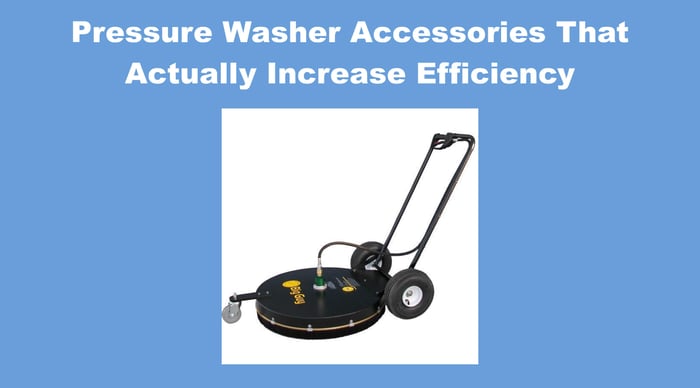
Flatwork is the highest-volume portion of most commercial contracts. If your crew is still wanding driveways and parking lots, your labor cost is far higher than it needs to be. A rotary surface cleaner is the single most effective efficiency upgrade for horizontal substrates — a balanced spray bar rotating at high speed delivers a streak-free finish across 18–24 inches in a single pass.
Performance depends on spray bar balance and swivel quality. A precision-bearing swivel maintains high RPMs under pressure. When the swivel drags, rotation drops and you get the same uneven patterns a wand produces. The ProTool 18" Stainless Steel Surface Cleaner is built for sustained commercial use at 4,000 PSI.
Sizing the Deck to Your Pump
Follow the 4-inch-per-GPM rule. A 4 GPM machine pairs with a 16–18" cleaner. Put a 24" deck on a 4 GPM pump and the spray bar won't maintain rotation — it hovers, leaves debris, and wastes time. Aluminum decks reduce operator fatigue on long shifts; stainless steel decks provide the rigidity harsh industrial environments demand. The Whisper Wash 28" Big Guy is sized for 8+ GPM rigs on large commercial flatwork.
Turbo Nozzles for Edges and Heavy Soil
Turbo nozzles handle the cut-in work a surface cleaner can't reach — edges, corners, gum spots, heavy mud, industrial masonry. The zero-degree oscillating stream rotates to create a conical pattern: solid-stream impact with fan-nozzle coverage. Exercise caution on soft substrates. The concentrated force etches concrete or damages wood if you hold too close. Test a small area first.
Chemical Application and Vertical Reach
Manual pump sprayers work for residential touch-ups. On commercial jobs they're a bottleneck. Downstream injection lets you apply detergent through your primary hose at low pressure, eliminating secondary tanks and reducing trips across the site.
When you need stronger chemical ratios or vertical reach above 25 feet, the X-Jet M5 draws chemical at the nozzle instead of at the pump. That bypasses the long hose run, maintains higher concentrations, and projects a stream up to 40 feet — critical for multi-story buildings where standard downstreaming falls short.
Multi-Nozzle Systems
Walking back to the truck to swap nozzles is pure labor waste. A ProTool 4-Tip Nozzle Holder carries four quick-connect tips on a single plug: low-pressure soap, high-pressure rinse, and shooter tips for long-range projection to second- and third-story peaks from the ground. Instant switching keeps the operator focused on the surface, not the equipment.
Telescoping Wands
Keep boots on the ground. Telescoping wands eliminate ladder setup time and liability on multi-story work. Fiberglass poles are cost-effective but heavy on extended shifts. Carbon fiber cuts weight significantly and holds rigidity at full extension for precise nozzle placement.
Hoses, Reels, and Connectors
Hose management is the silent killer of job-site speed. Every minute spent untangling line or fighting a rigid hose that won't lay flat is lost labor. Treat your hose setup as a technical system. High-visibility, non-marking pressure hoses prevent property damage on commercial interiors and rooftops.
A high-pressure swivel at the spray gun inlet lets the hose rotate independently of the trigger. Without one, the operator fights the torque of the pressurized line all shift — faster fatigue, slower cleaning speeds, lower output by end of day.
Hose Reels
Dedicated hose reels are baseline for professional site mobility. Stackable reels maximize vertical space on compact truck rigs. Electric rewind reels pay for themselves through reduced breakdown time at the end of every job. Protect lines with hose guides and rollers to prevent abrasion against sharp trailer edges.
Standardize Your Quick Connects
Run your entire fleet on one connector size — typically 3/8" stainless steel quick connects. Every wand and surface cleaner becomes interchangeable across all machines. A 30-second equipment swap beats minutes of fumbling with threaded fittings or mismatched sizes. Stainless steel resists the seizing that plagues brass alternatives exposed to harsh chemicals and hard water.
Soft Wash, Solar, and Drone Integration
Expanding beyond standard concrete and siding requires equipment that prioritizes surface safety. Certain substrates demand a complete shift in methodology.
Soft Wash Efficiency
Soft washing is the correct method for asphalt shingles, EIFS, and vinyl siding — any substrate susceptible to water intrusion or physical etching. It relies on high chemical concentration and high flow rather than mechanical force, eliminating the risk of forcing water behind siding or stripping granules off roofing. Review the full range of soft wash equipment to see how these systems integrate with your existing rig.
Solar Panel Cleaning
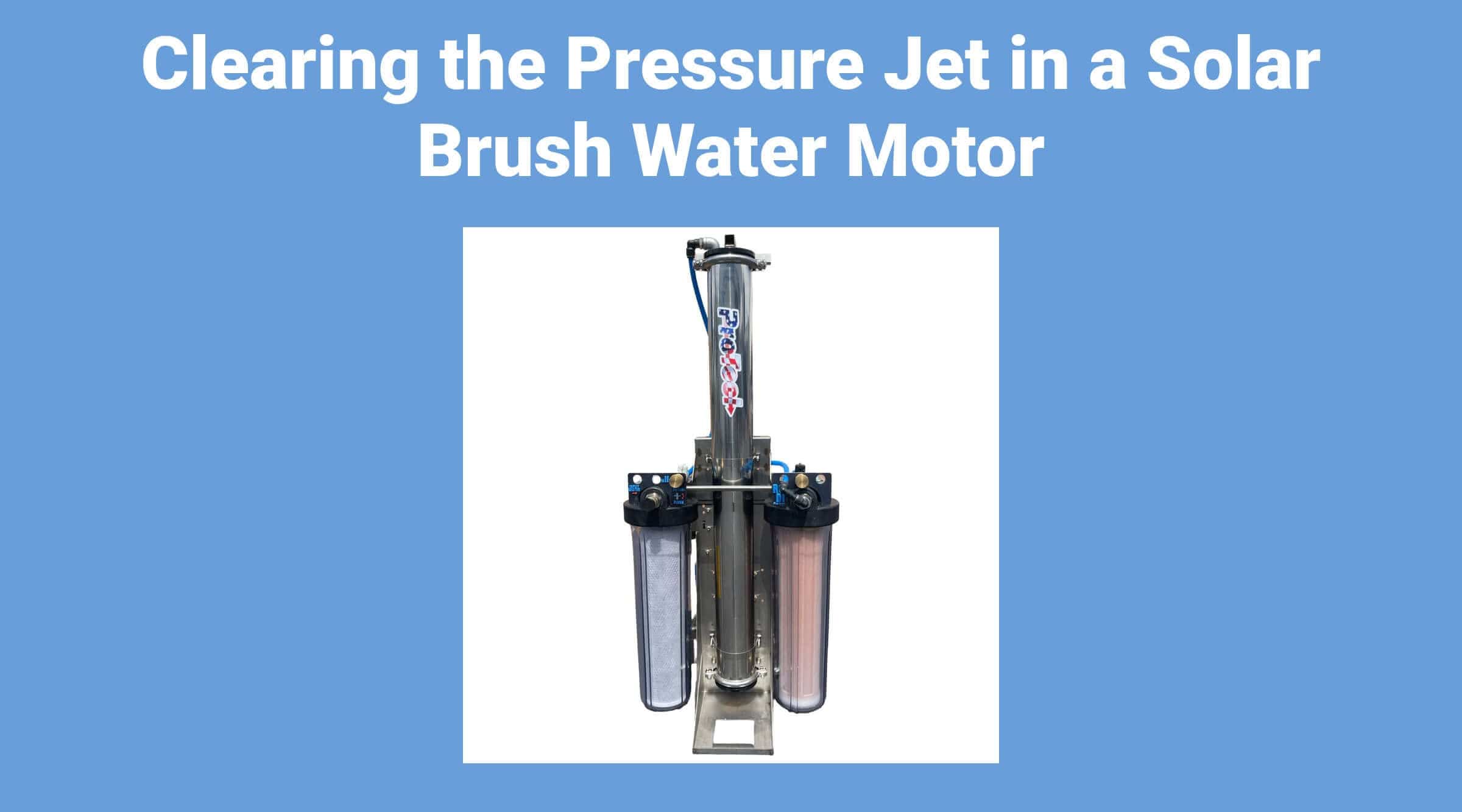
Standard pressure tips are prohibited on solar arrays — the force causes thermal shock or micro-cracks that void manufacturer warranties. Specialized solar panel brushes paired with pure water filtration systems provide gentle mechanical agitation that safely removes bird droppings and industrial soot while maintaining warranty compliance. The ProTool Apex 30ft Carbon Fiber Rotary Brush Pole is purpose-built for commercial array work.
Drone Cleaning
Drone-mounted sprayers treat inaccessible architectural features without scaffolding or aerial lifts. Low-recoil nozzles maintain flight stability while projecting cleaning solutions at height. This technology is particularly effective for large-scale window cleaning and industrial maintenance where traditional access is cost-prohibitive.
Build the Rig That Pays You Back
Prioritize GPM over raw PSI. Match every orifice in your fluid path to your pump's output. Use rotary surface cleaners on flatwork, multi-nozzle systems for chemical application, and stainless steel components throughout. Those are the pressure washer accessories that actually increase efficiency — and the fastest path to better margins and higher-revenue service lines like solar and soft wash.
Products Mentioned
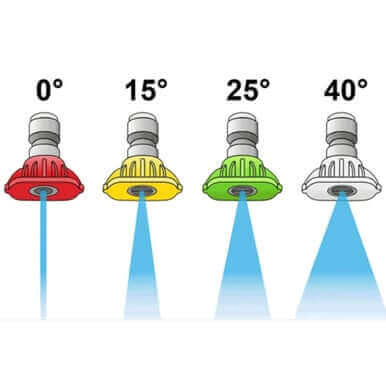 Nozzle Tip Quick Connect Pressure Washer 1/4in Plug SKU: 74-50M | 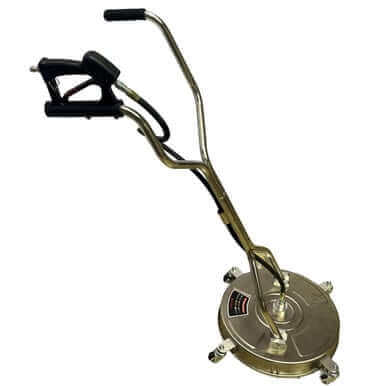 Surface Cleaner 18in Protool 4000psi SKU: 74-3795 | 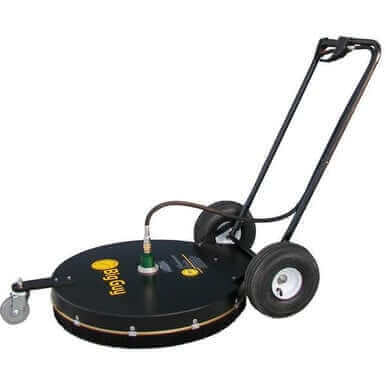 Whisper Wash 28in Big Guy 4 Nozzle w/whe SKU: 74-3812 |
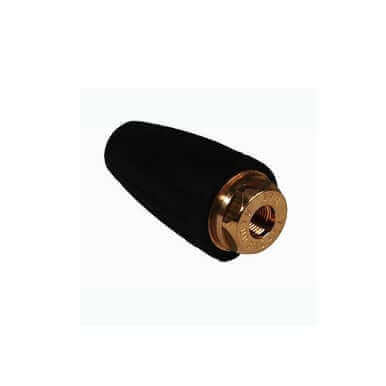 Turbo Nozzle Pressure Washer Tip SKU: 74-57M | 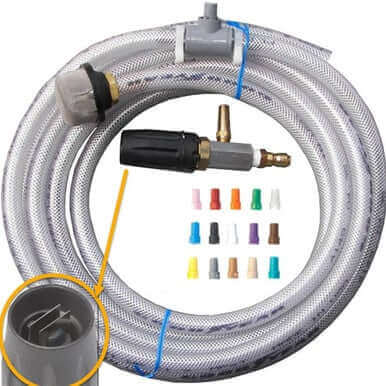 X-Jet M5 Variable Spray SKU: 74-53M | 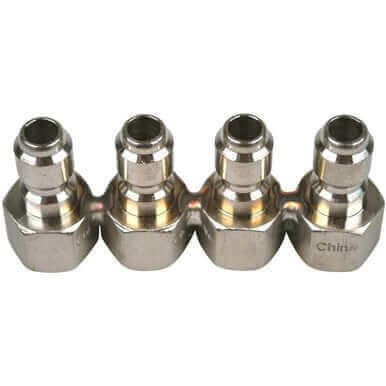 ProTool 4 Tip Nozzle Holder (no tips) SKU: 74-5990 |
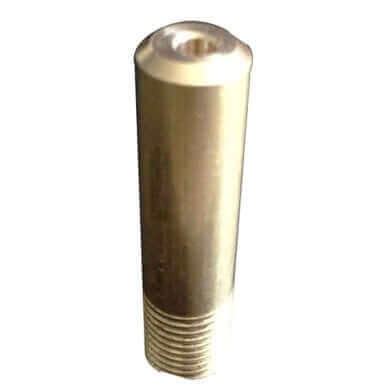 ProTool 30 Shooter Tip 4-4.5gpm PW SKU: 74-54M | 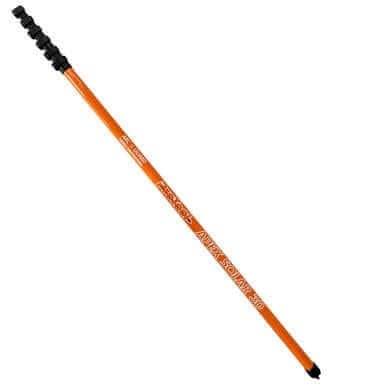 ProTool Apex 30ft Carbon Fiber Rotary Brush Pole SKU: 159-122 |