
Turning COVID-19 into Work - Part 2

Exterior cleaning pivots saved more businesses than most contractors want to admit. When cancellations started rolling in across the industry, the operators who survived — and in some cases grew — were the ones who reframed what they already did into something clients couldn't say no to.
This isn't ancient history. The playbook still works every time a market tightens, a client budget shrinks, or a property manager starts looking for line items to cut. The underlying move is the same: expand the scope of what you're already doing on-site, and reposition the message so the work reads as essential, not optional.
The Reframe That Turned Cancellations Around
One building cleaner we talked to was already on roofs and siding spraying sodium hypochlorite. His regular clients started calling to pause or cancel. Instead of accepting the loss, he looked at what he was already bringing to the job — a pump, hose, SH solution, and PPE — and asked what else on the property needed the same treatment.
The answer was a long list:
- Patio furniture and decks
- Stairs, entryways, and front porches
- Doors and door handles
- Swing sets and play equipment
- Any high-touch surface on the exterior
He changed one word in his pitch — from "cleaning" to "cleaning and sanitizing" — and repositioned the visit as a full exterior sanitation service. Cancellation calls turned into confirmations. Most of his existing book held, and new leads came in from property managers who now saw exterior cleaning as a health service, not a cosmetic one.
Why This Works Beyond a Crisis
The lesson isn't pandemic-specific. Any time a client questions the value of exterior cleaning, the contractor who can articulate a broader benefit — mold prevention, liability reduction, tenant satisfaction, health compliance — keeps the contract. The contractor who can only say "it'll look nice" loses it.
Expanding scope on-site is also operationally cheap. You're already there with equipment, chemistry, and labor. Spraying down a deck and porch furniture adds minutes to the job and dollars to the invoice.
How to Build This Into Your Operation
1. Identify Clients Who Can't Afford to Skip
Healthcare facilities, public works buildings, schools, food service, multi-family housing — these sectors have ongoing exterior cleaning obligations. They're less likely to cancel and more likely to expand scope if you frame the work correctly.
2. Expand Your Service Menu Without Expanding Your Truck
If you're already soft washing with SH, you have the chemistry and delivery system. A ProTool 12V soft wash pump handles sanitation spraying the same way it handles house wash — you're just pointing it at different surfaces. A soft wash metering block lets you dial SH concentration for lighter sanitation work versus heavy roof cleaning without swapping buckets.
3. Rewrite Your Messaging
Don't just add "sanitizing" to your website and call it done. Be specific about what you're treating and why. "We treat all exterior high-touch surfaces with a sodium hypochlorite solution to reduce microbial load" reads very differently from "we clean your house." Property managers respond to specificity.
4. Carry SH to Every Job
This sounds obvious, but plenty of window cleaners show up without any chemistry beyond dish soap. If you're already on a property, having SH on the truck means you can upsell an exterior sanitation pass on the spot. A ProTool Power Sprayer gives you a self-contained, portable option for smaller add-on treatments without running hose back to the rig.
5. Price the Add-On as a Separate Line Item
Don't fold sanitation into your cleaning price. A separate line item makes the value visible, justifies the total, and gives you something to discount strategically without cutting your core rate. When clients see "Exterior Surface Sanitation — $X" as its own entry, they understand they're getting an additional service.
Equipment That Makes the Pivot Practical
You don't need a new rig to add exterior sanitation. The same soft wash sprayer skid you use for house and roof work handles sanitation spraying. For contractors who want a dedicated setup, a ProTool 50-gallon sprayer system with 150 feet of hose covers most residential and light commercial jobs without tying up your primary rig.
The key is matching chemistry to surface. SH at roof-wash concentration is overkill for patio furniture. A metering system — whether a metering block or a simple ProTool metering valve — lets you dial concentration on the fly.
The Bigger Takeaway
Every market disruption creates the same fork: contractors who wait for the old work to come back, and contractors who redefine what the work is. The ones who redefine always come out ahead. They don't just survive the disruption — they end up with a broader service menu, stickier client relationships, and higher per-job revenue on the other side.
If you're only selling "clean," you're competing on appearance. If you're selling "clean, sanitize, and protect," you're competing on outcomes. Outcomes are harder to cancel.
Products Mentioned
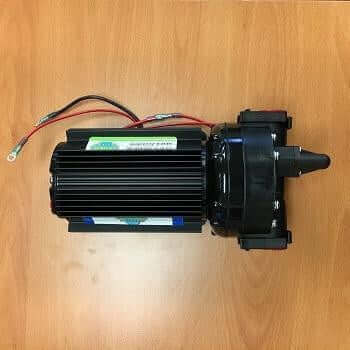 ProTool SoftWash System 5gpm PolyPro 12v Pump SKU: 150-0859 | 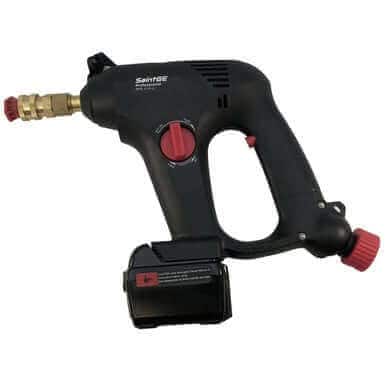 ProTool Power Sprayer Chemical Sprayer Gun w/ 2 Batteries SKU: 74-1270 | 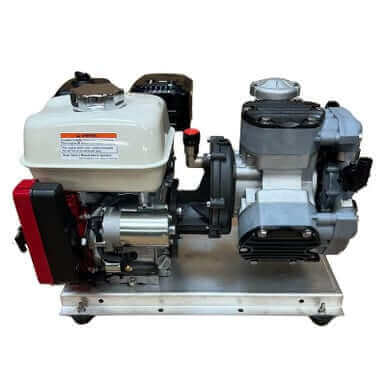 BPX25 - P40 Soft Wash Sprayer Skid SKU: 150-0432M |
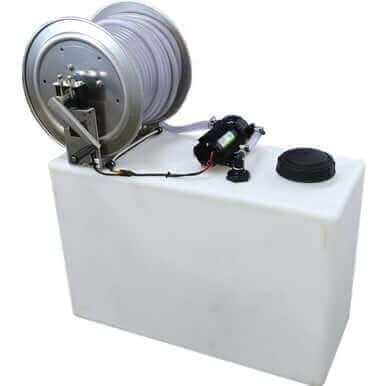 ProTool Sprayer System 50 gallon w/ 150ft hose SKU: 150-0420 | 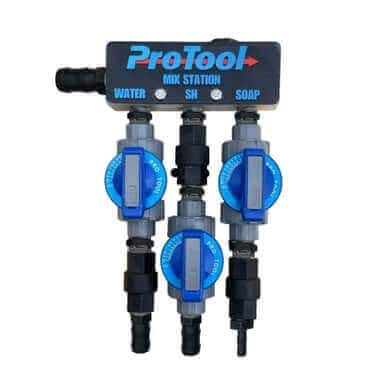 Soft Wash Metering Block SKU: 150-0454M | 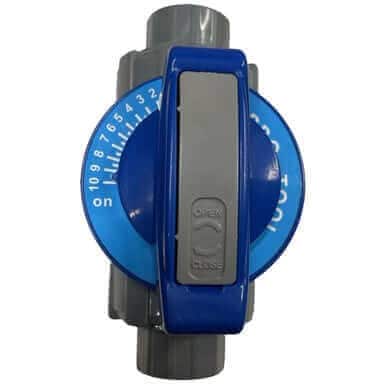 Valve Metering 1/2in ProTool SKU: 74-4969 |