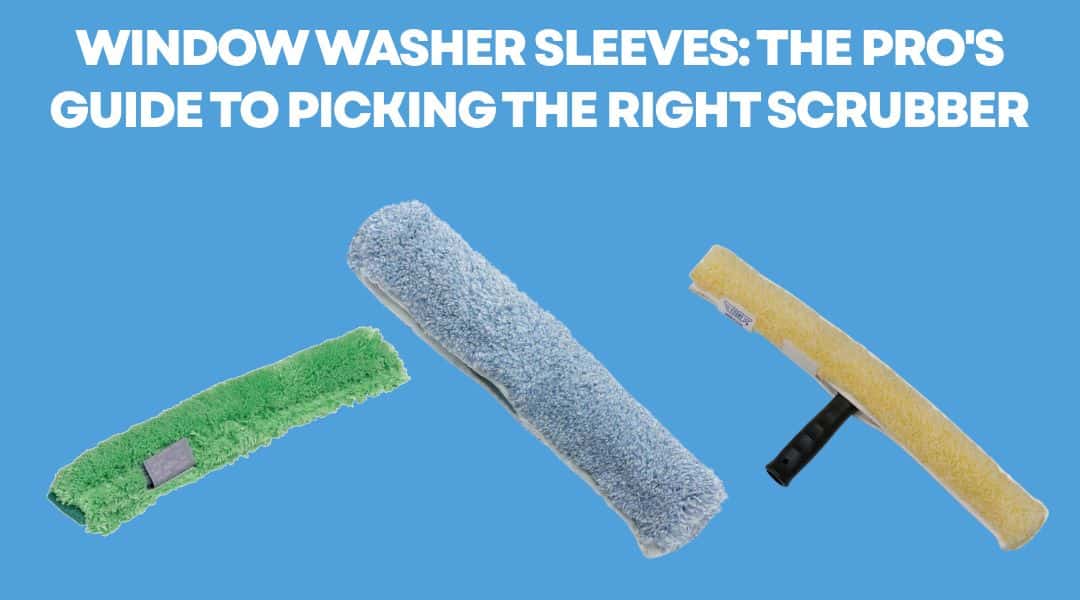
Window Washer Sleeves: The Pro's Guide to Picking the Right Scrubber

Table of Contents
The scrubber sets your pace, not the squeegee. Window washer sleeves that dry out mid-pane on pole work, sheds lint on interior glass, or loses its bite after two months costs you time and money on every route. Most pros default to whatever sleeve came with their T-bar and never revisit the decision — but material choice, pile configuration, and maintenance habits have a measurable impact on passes per dip, replacement frequency, and physical fatigue over a full shift.
This guide breaks down the material differences that actually matter with window washer sleeves, matches sleeve types to job environments, and covers the maintenance protocols that extend tool life from weeks to months.
Why the Sleeve Determines Squeegee Quality
The sleeve delivers solution and agitates debris. If it fails at either job, the squeegee blade skips, chatters, or drags — and you're re-doing panes. Fiber density is the variable that controls both functions. Dense fiber matrices trap grit inside the pile rather than pushing it across the glass, which protects the surface from scratches and means the dirt is actually removed, not redistributed.
Fit matters as much as fiber. A sleeve that shifts on the T-bar — "sleeve roll" — kills even pressure distribution and forces you to compensate with grip strength. Look for non-slip internal linings, hook-and-loop attachment, or snug channel-style construction. Reinforced end stitching is the other tell: cheap sleeves fail at the seams first.
Built-in abrasive end pads (like those on the Sorbo Yellow Jacket Scrubber) let you hit bird droppings or tape residue without switching tools — a real time-saver on commercial routes.
Material Breakdown: Microfiber vs. Synthetic vs. Specialty
Microfiber — The Residential Standard
Split-fiber construction creates millions of microscopic hooks that trap oils, fingerprints, and fine dust. Microfiber holds more solution per square inch than any other common material, which means fewer bucket trips and faster coverage. It's the right choice for maintenance routes on regularly cleaned glass where heavy scrubbing isn't needed.
The Pulex Microfiber Sleeve and Ettore Pro+ Microfiber Sleeve are the workhorses here — both hold up through hundreds of wash cycles when laundered correctly. For a more aggressive residential option, the Pulex MicroTiger Red adds an abrasive strip for light scrubbing without a tool change.
Synthetic Blends — Built for Commercial Abuse
Polyester and nylon fibers trade some water capacity for structural toughness. Aluminum frames, masonry ledges, and rough concrete sills shred microfiber fast — synthetics survive that friction. The lower water retention is actually an advantage on indoor commercial work, where drip management on carpets and furniture matters more than solution volume.
The Unger Monsoon Sleeve is a proven synthetic option for high-frequency exterior routes. For heavier agitation, the Ettore Porcupine gives you stiff bristle-style fibers that break up atmospheric film without a separate hand pad.
Specialty Scrubbers — Post-Construction and Sensitive Surfaces
Post-construction sites — plaster, paint overspray, adhesive residue — require abrasive sleeves that microfiber cannot replace. Microfiber traps masonry grit permanently; reuse it on maintenance glass and you scratch panes. Keep a dedicated set of construction-only scrubbers and label them. The ProTool Steel Wool Sleeve handles the heaviest residue and pairs with 0000 steel wool pads for stubborn spots.
Sensitive surfaces (solar panels, aftermarket tints, anti-reflective coatings) go the opposite direction: ultra-soft fibers only, no abrasive strips. Pair with a pure water system to avoid chemical residue that degrades coatings or attracts new soil.
Performance Metrics That Affect Your Route Speed
Coverage Per Dip
A high-capacity sleeve covers 50–80 square feet of glass before you need to re-dip. On large commercial panes, that's the difference between a clean continuous stroke and a visible dry line. On interior residential work, though, maximum water retention creates drip problems on sills and flooring. Match capacity to the job, not to the spec sheet.
Weight at Height
A fully saturated high-capacity sleeve on the end of a 30-foot pole adds real shoulder load. Mid-weight options often outperform maximum-capacity sleeves on pole work because you maintain better control and reduce fatigue over a full shift. The Moerman Microfiber Sleeve hits a good balance — enough reservoir for multi-pane runs without excessive saturated weight.
Pile Height Selection
- Long pile (15mm+): Deep frames, gaskets, textured glass. Reaches into irregular surfaces.
- Medium pile (10–14mm): The standard for residential and commercial maintenance routes.
- Short pile (<10mm): Precision interior work, low-drip requirements, smooth plate glass.
Stiffer fibers are required for first-time cleans where debris is bonded to the glass. Softer fibers glide easier on maintenance routes and reduce wrist strain over a full day.
Matching Sleeves to Job Environments
Residential Interiors
Moisture control is the priority. A lint-free, high-density microfiber sleeve with moderate water retention keeps drip off floors and furniture. The ProTool White Pro Sleeve is purpose-built for this — clean release, minimal lint, controlled drip.
High-Rise and Pole Work
Water retention is everything. Every bucket trip at height costs time and increases physical risk. Yarn-style (looped fiber) sleeves hold more solution and release it gradually under pressure. The Wiljer Goldline White Shark Combo is designed for exactly this — high holding power, consistent release across multiple panes.
Storefronts and Ground-Floor Commercial
Heavy road film and soot demand durability plus volume. A synthetic blend with reinforced end pads handles aggressive frame scrubbing while keeping pace. The Unger PadStrip Sleeve integrates a scrub zone for ledge and frame work without a tool switch.
Maintenance: Where Most Pros Lose Money
Laundering is the most common point of sleeve failure — and it's entirely preventable.
- No fabric softener. Ever. Softener coats the split fibers, kills capillary action, and destroys absorption. One cycle with softener can ruin a microfiber sleeve permanently.
- Low heat or air dry only. High heat melts synthetic filaments and makes microfiber brittle. Both cause lint shedding and shorten tool life dramatically.
- Pre-wash new sleeves before first field use to flush loose manufacturing filaments that cause linting.
- Rinse daily. Residual soap dries crusty inside the fibers and can scratch sensitive glass or tints on the next use.
- Never store damp in a sealed bucket or van. Airflow prevents mildew, which destroys fabric integrity and creates odor.
Rotate four to six sleeves per technician. This gives fibers time to recover shape and reservoir capacity between uses, and it ensures you always have dry, ready-to-go tools. Check sleeves regularly for thinning pile or loss of T-bar grip — once the spring is gone, the tool is done.
T-Bar Compatibility
Most professional sleeves fit standard T-bars of the same length (14", 18", etc.), but some brands use proprietary locking mechanisms or specific internal diameters for a tighter fit. Matching your sleeve brand to your T-bar eliminates sleeve roll and ensures even pressure distribution.
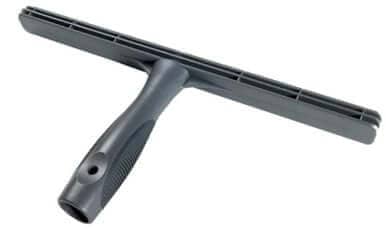
The Pulex TechnoLite T-Bar and Ettore ProGrip T-Bar both work well with their respective sleeve lines. If you run mixed brands, test the fit — a loose sleeve forces you to grip harder and fatigues your hands faster.
Products Mentioned
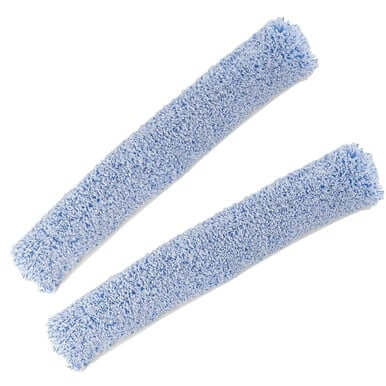 Pulex Sleeve Microfiber SKU: 11-32M | 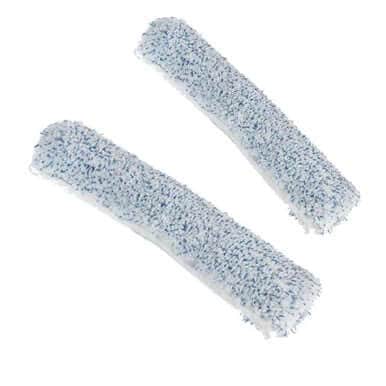 Ettore Sleeve Pro+ Microfiber SKU: 11-12M | |
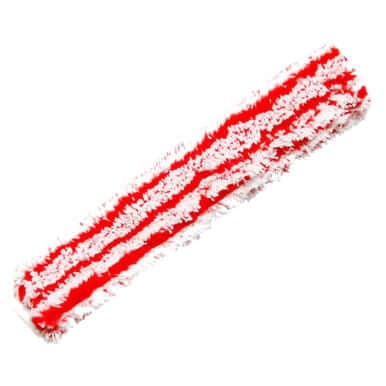 Pulex Sleeve MicroTiger Red SKU: 11-33M | 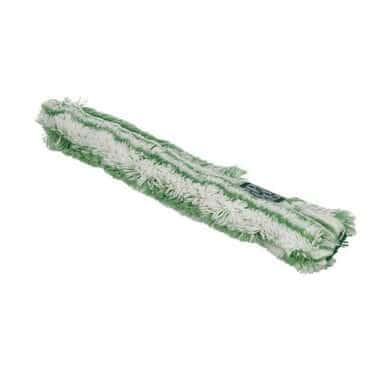 Unger Sleeve Monsoon SKU: 11-21M | 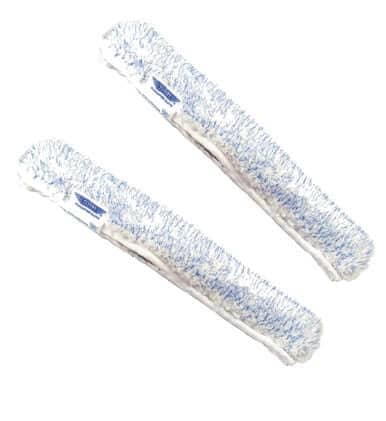 Ettore Sleeve Porcupine SKU: 11-14M |
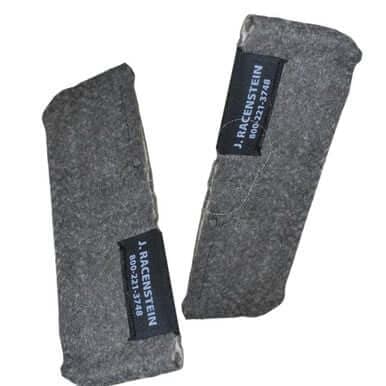 Pro Sleeve Steel Wool SKU: 11-07M | 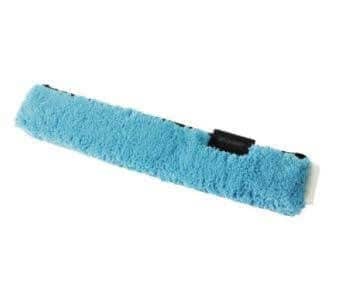 Moerman Sleeve Microfiber SKU: 11-83M | 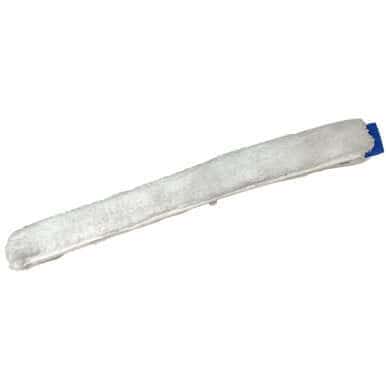 ProTool Sleeve 14in White Pro SKU: 11-01401 |
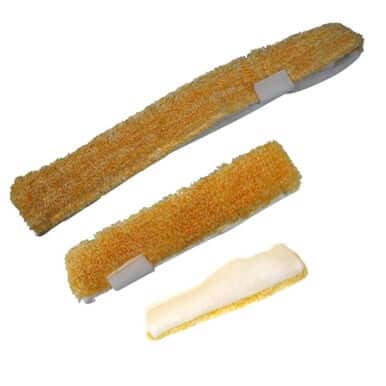 Wiljer Sleeve Goldline White Shark Combo SKU: 11-75M | 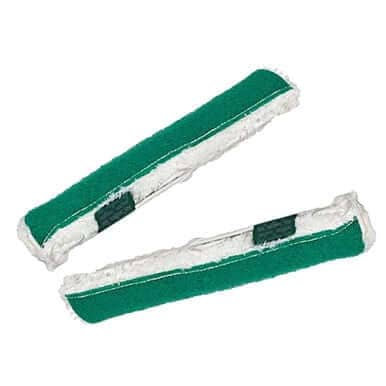 Unger Sleeve PadStrip SKU: 11-22M | 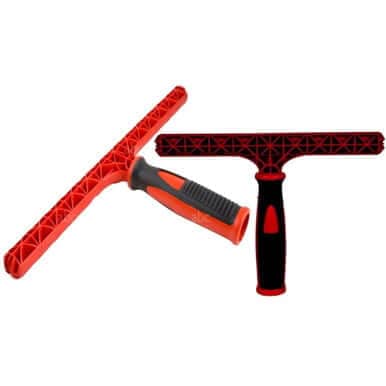 Pulex T-Bar TechnoLite SKU: 10-35M |
 Ettore T-Bar ProGrip SKU: 10-12M |