Window Washer Sleeves: What Pros Actually Need to Know

Table of Contents
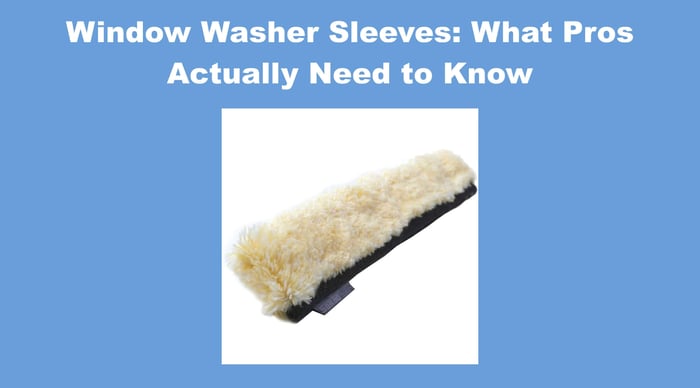
The scrubber does more work than the squeegee. A window washer sleeve that dries out mid-stroke on pole work, sheds lint on interior glass, or loses its bite after two months is costing you money on every job. Material choice, fiber density, and maintenance protocol determine whether your sleeves last a season or a quarter.
Why the Sleeve Matters More Than You Think
Fiber surface area drives cleaning speed. Dense fiber materials trap grit in suspension instead of dragging it across the glass — that's the difference between a scratch-free first pass and a callback. A quality window washer sleeve delivers solution evenly while mechanically loosening debris, so the squeegee pass is clean every time.
The sleeve-to-T-bar fit is where most problems start. Loose fit causes "sleeve roll" — the fabric rotates mid-stroke, kills your pressure distribution, and forces you to work harder for worse results. Look for non-slip internal linings or hook-and-loop fasteners that lock the fabric to the frame. Reinforced end stitching matters too: cheap sleeves blow out at the seams within weeks of daily use.
Integrated abrasive end pads let you hit bird droppings or pollen without switching to a hand scraper. That saves 15–30 seconds per pane on commercial routes — adds up fast over a full day.
Material Breakdown: Microfiber vs. Synthetic vs. Specialty
Microfiber: The Residential Standard
Split-fiber construction creates millions of microscopic hooks that trap oils, fingerprints, and fine dust. Microfiber holds more solution per square inch than any other common sleeve material, which means fewer bucket trips. For maintenance routes on residential glass, it's the default choice. The Pulex Microfiber Sleeve and Ettore Pro+ Microfiber Sleeve are both built for this — high absorption, low lint, hundreds of wash cycles before performance drops.
The catch: microfiber traps masonry grit permanently. Use it on a post-construction site once and those embedded particles will scratch every maintenance pane you touch afterward. Dedicate separate sleeves.
Synthetic Blends: Commercial Durability
Polyester and nylon blends handle the abuse of aluminum frames, masonry ledges, and high-frequency exterior routes. They hold less water than microfiber — which is actually an advantage on indoor commercial jobs where drip control matters. The Unger Monsoon Sleeve hits the sweet spot: durable enough for storefronts, controlled enough for interior commercial glass.
Abrasive and Specialty Sleeves
Post-construction work, heavy bird deposits, and first-time cleans need mechanical bite that standard microfiber can't deliver. Sleeves with integrated scrub strips or nylon monofilament handle this without tool changes. The Pulex Abrasive Strip Sleeve gives you localized aggression exactly where you need it.
For solar panels and tinted glass, go the opposite direction — ultra-soft fibers only. Aggressive synthetics micro-scratch anti-reflective coatings and aftermarket tints. Pair soft sleeves with a pure water system to eliminate chemical residue that degrades panel seals.
Performance Metrics That Actually Matter
Coverage Per Dip
A good window washer sleeve covers 50–80 square feet of glass before you need the bucket again. On large commercial panes, that's the difference between a continuous workflow and constant interruptions. On residential interiors, the calculation flips: too much retention means water on sills and floors, which means detailing time that kills your margin.
Weight at Height
Maximum water capacity sounds great until you're working a saturated sleeve at the end of a 30-foot pole. The extra weight compounds shoulder fatigue and reduces tool control. For pole work, a mid-weight option with controlled release outperforms the "thirstiest" sleeve every time.
Pile Height Selection
- Long pile (15mm+): Deep frames, gaskets, textured glass. Reaches into irregular surfaces.
- Medium pile (10–14mm): The all-rounder. Handles most residential and commercial maintenance.
- Short pile (<10mm): Precision interior work with minimal drip.
Stiffer fibers for first-time cleans and construction debris. Softer fibers for maintenance routes — smoother glide, less wrist strain over an eight-hour day.
Matching Sleeves to Job Sites
Residential Interiors
Moisture control is everything. High-density microfiber with a lint-free finish and low drip factor. The Moerman Microfiber Sleeve or the ProTool White Pro Sleeve both deliver controlled water release without runoff on hardwood or carpet.
High-Access and Pole Work
Water retention is the priority. Every bucket trip at height is lost time and added physical risk. Yarn-style sleeves with high reservoir capacity hold enough solution to cover multiple panes before drying out, even in direct sunlight or wind.
Post-Construction
Standard maintenance sleeves will fail and contaminate your regular kit. Use dedicated heavy-duty abrasive sleeves for plaster, paint overspray, and adhesive residue. Pair with ProTool 0000 Steel Wool for stubborn spots. Label these sleeves clearly — cross-contamination with your maintenance set means scratched glass and callbacks.
Storefronts and Ground-Level Commercial
Road film, soot, and high-traffic grime demand a synthetic blend with reinforced end pads. The Ettore Porcupine Sleeve handles aggressive frame and ledge scrubbing while maintaining pace on large glass runs.
Maintenance Protocol: Protecting Your Investment
Laundering is where most pros destroy their sleeves. Two rules that are non-negotiable:
- No fabric softener. Softener coats the split fibers, clogs the microscopic hooks that trap dirt, and kills capillary action. A softener-treated microfiber sleeve is functionally dead.
- No high heat. Melts synthetic fibers and makes microfiber brittle. Air dry or lowest heat setting only.
Daily rinsing prevents chemical buildup — dried soap creates a crusty texture that can scratch sensitive glass. Never store a damp sleeve in a sealed bucket or a closed van; mildew destroys structural integrity fast.
Rotation matters. Run three to four sleeves per technician through the week so fibers recover their shape and reservoir capacity between uses. For full-time crews, budget four to six sleeves per tech in your standard inventory.
Check your sleeves for thinning fabric and visible pile-height loss regularly. Once fibers lose their spring, the sleeve can't hold solution or reach into gaskets. Replace every three to six months depending on route abrasiveness — don't wait for complete failure.
Building Your Sleeve Kit
Most pros need three categories covered: a microfiber for residential maintenance, a synthetic or hybrid for commercial, and a dedicated abrasive for construction and heavy-soil work. Carry both 14-inch and 18-inch sizes — the 14-inch handles French lites and smaller panes, the 18-inch covers sliding doors and picture windows faster. Browse the full washer sleeve selection to fill any gaps in your current kit.
Products Mentioned
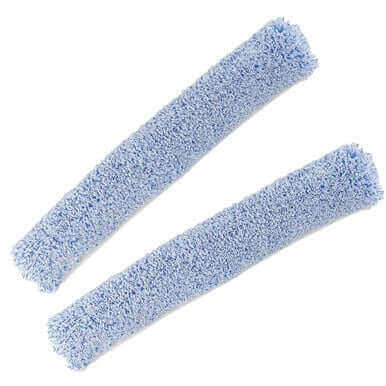 Pulex Sleeve Microfiber SKU: 11-32M | 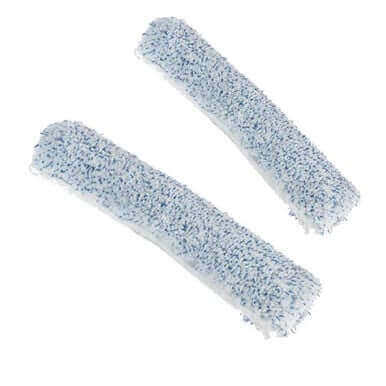 Ettore Sleeve Pro+ Microfiber SKU: 11-12M | 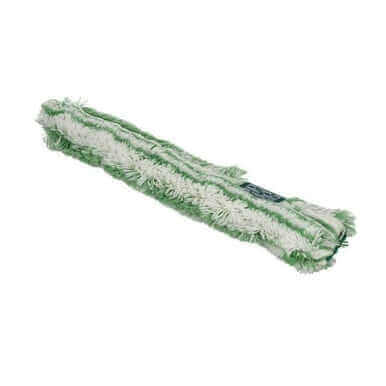 Unger Sleeve Monsoon SKU: 11-21M |
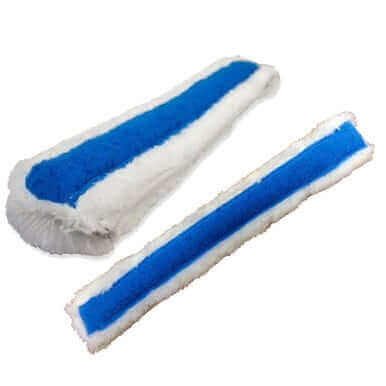 Pulex Sleeve Abrasive Strip SKU: 11-31M | 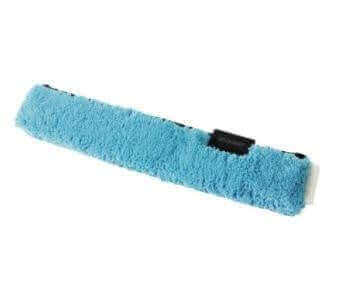 Moerman Sleeve Microfiber SKU: 11-83M | 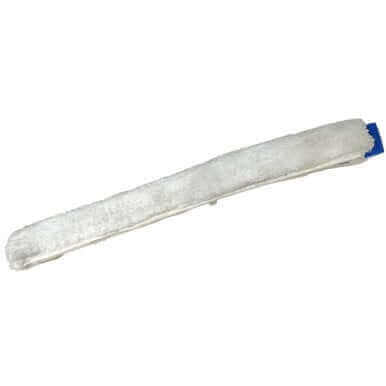 ProTool Sleeve 14in White Pro SKU: 11-01401 |
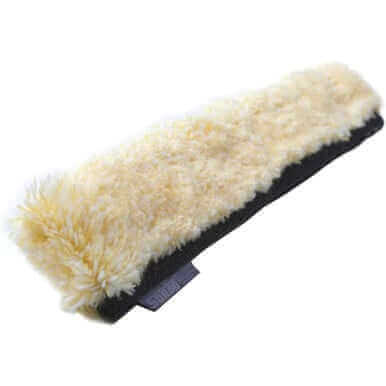 Sorbo Yellow Jacket Sleeve with Brass Snaps SKU: 11-40M | 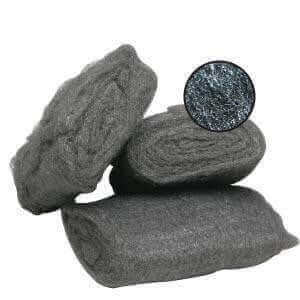 ProTool Steel Wool Bag 0000 SKU: 26-20 | 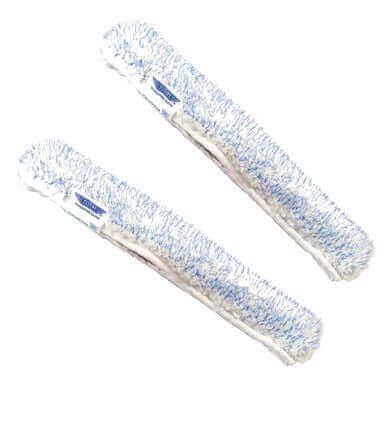 Ettore Sleeve Porcupine SKU: 11-14M |